Lemon, also known as Citrus limon, is one of the most versatile and widely used fruits in kitchens around the world. From adding tangy flavor to dishes and drinks to offering numerous health benefits, lemons are a must-have in any home. While buying lemons from the market is convenient, nothing beats the freshness and taste of homegrown lemons. Growing lemons at home may sound challenging, but with the easiest methods and proper care, you can enjoy juicy, healthy lemons right from your garden, balcony, or terrace.
This comprehensive guide will show you how to grow lemons easily and successfully, even if you are a beginner gardener.

Why Grow Lemons at Home?
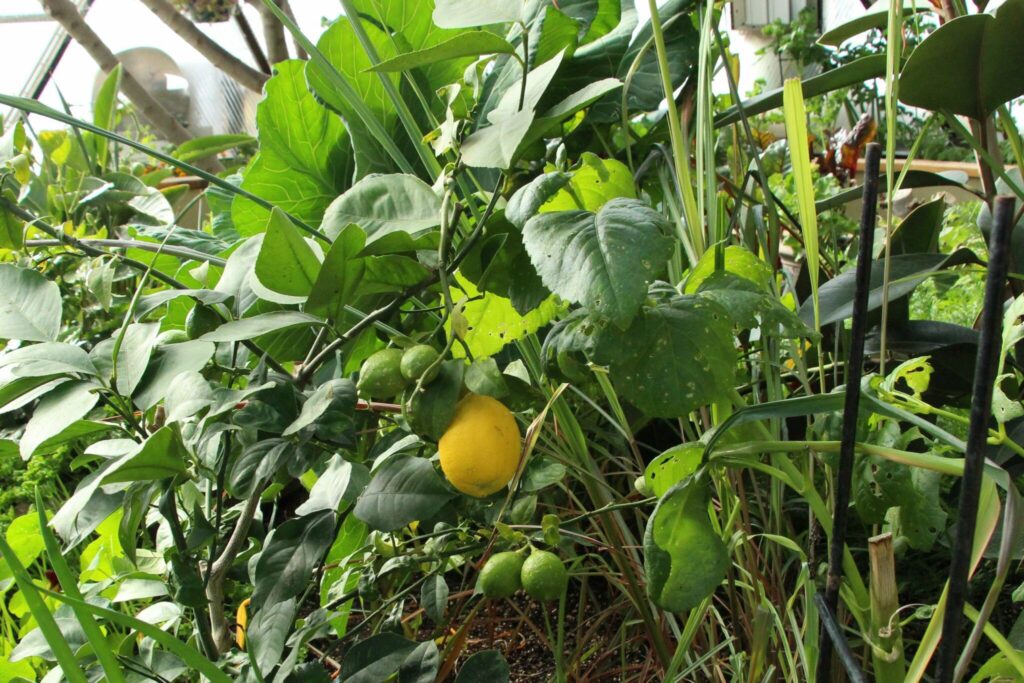
Growing lemons at home offers multiple benefits:
- Fresh and Organic Fruits: Homegrown lemons are free from pesticides and chemicals.
- Cost-Effective: Avoid recurring purchases from the market.
- Health Benefits: Rich in vitamin C, antioxidants, and minerals.
- Decorative Plant: Lemon trees add greenery and fragrance to your home.
- Educational and Rewarding: A perfect gardening project for beginners and enthusiasts alike.
Best Conditions for Growing Lemon Plants
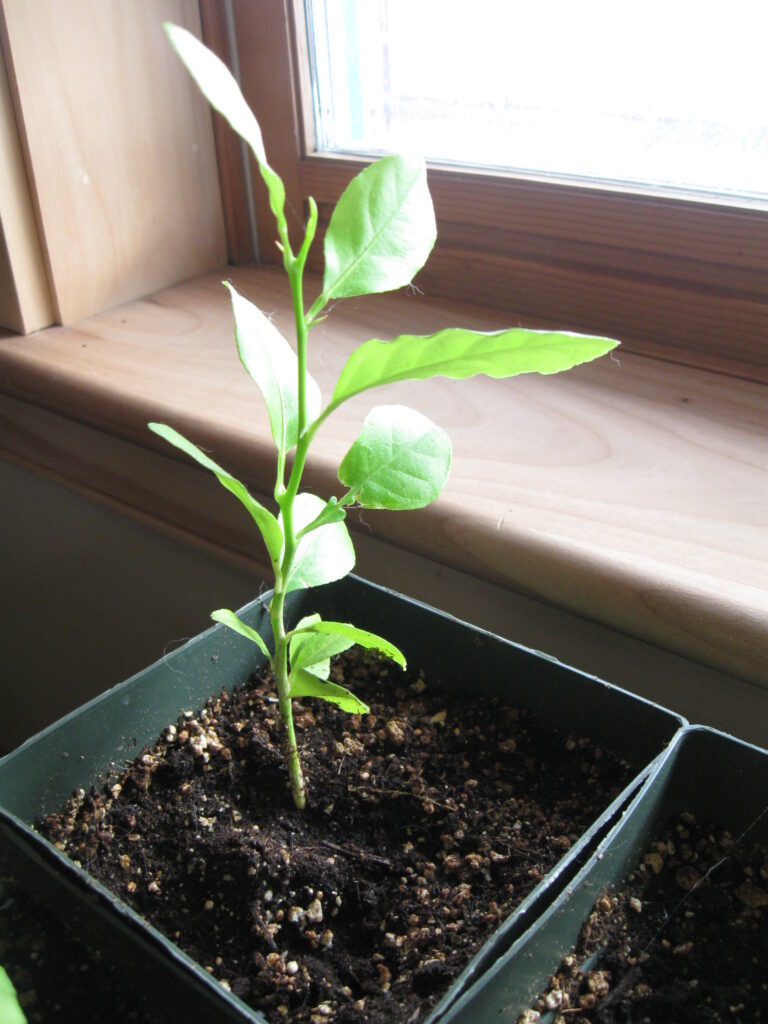
Lemons thrive under certain conditions to ensure healthy growth and fruiting:
- Climate: Warm, subtropical to tropical climates are ideal. Lemon plants can tolerate mild frost but need protection in extreme cold.
- Sunlight: Full sun for at least 6–8 hours daily promotes strong growth and fruit production.
- Soil: Well-draining, slightly acidic soil with a pH of 5.5–6.5 is optimal.
- Watering: Regular watering is essential, but avoid waterlogging, which can lead to root rot.
- Air Circulation: Good airflow around the plant prevents fungal diseases.
Materials Needed
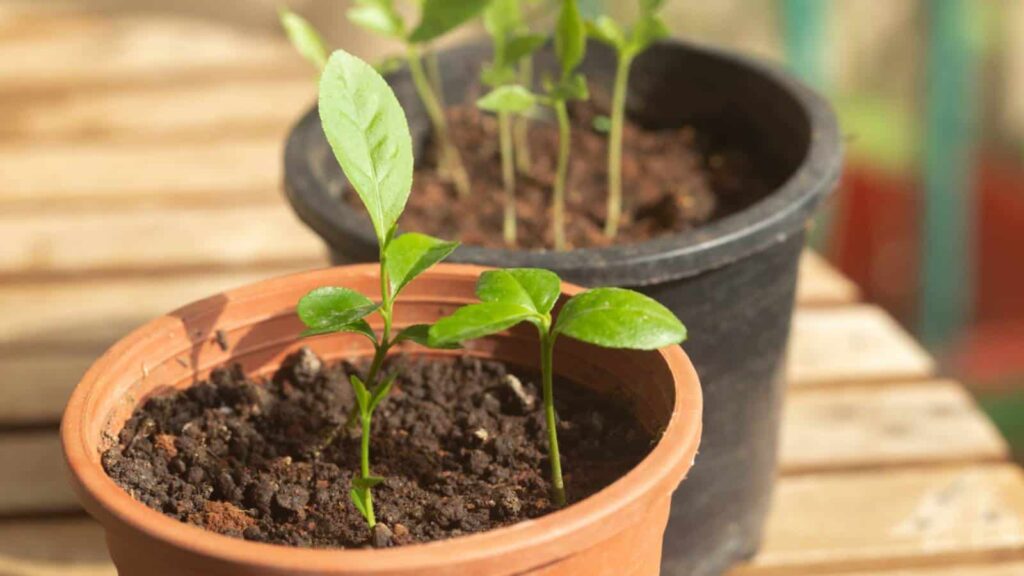
To grow lemons successfully, gather the following:
- Lemon seeds, saplings, or grafted plants
- Large pots or containers with drainage holes (if growing in pots)
- Well-draining garden soil or potting mix
- Compost or organic manure
- Mulch to retain moisture
- Fertilizers (organic or NPK-based)
- Watering can or drip irrigation setup
- Pruning shears
Step-by-Step Guide to Growing Lemon Plants
Step 1: Choosing the Planting Material
- Seeds: Growing lemons from seeds is simple but takes longer to bear fruit (3–5 years).
- Saplings/Grafted Plants: Grafted lemon plants fruit faster (1–2 years) and retain the characteristics of the parent plant.
For beginners looking for faster results, grafted saplings are recommended.

Step 2: Selecting the Right Container
- Choose a large container with drainage holes to prevent waterlogging.
- A pot with a diameter of at least 12–16 inches allows proper root development.
- Use lightweight containers if you plan to move the plant to get better sunlight exposure.
Step 3: Preparing the Soil
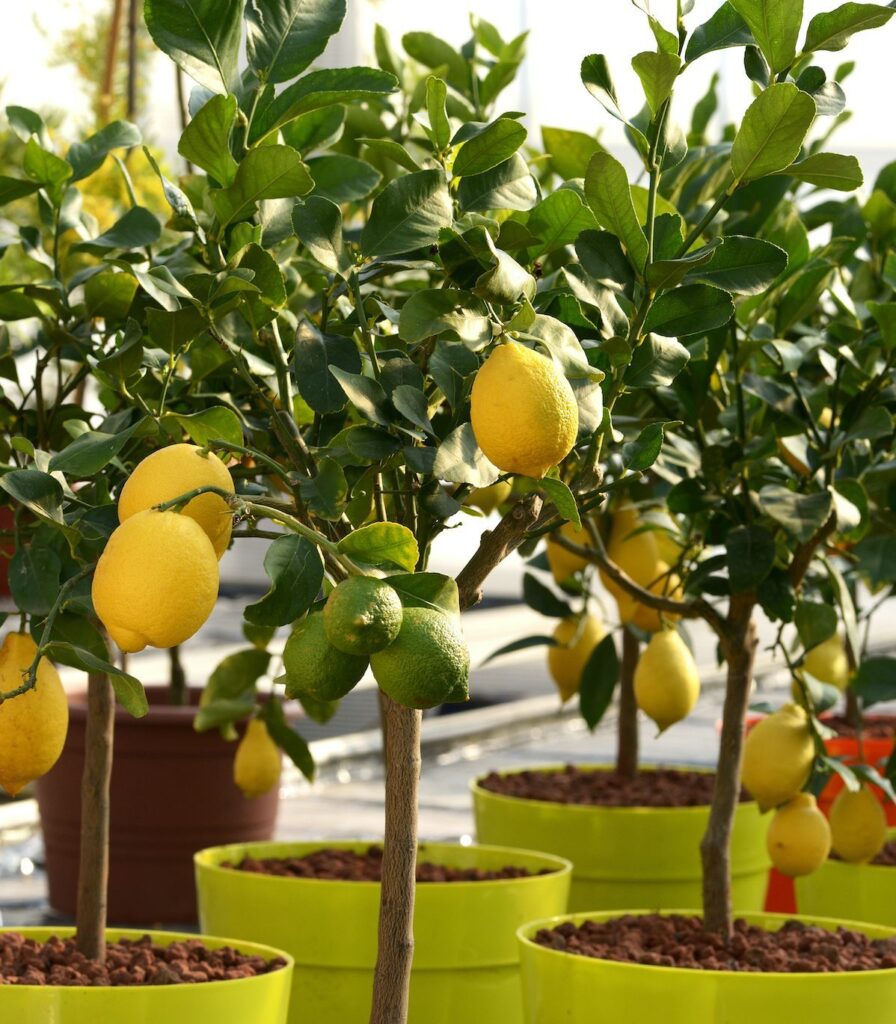
- Use a mix of garden soil, compost, and sand or cocopeat in a 2:1:1 ratio.
- Ensure the soil is well-draining, as lemons do not thrive in soggy soil.
- Slightly acidic soil (pH 5.5–6.5) promotes nutrient absorption and healthy growth.
Step 4: Planting the Lemon Plant
- Dig a hole slightly larger than the root ball.
- Place the sapling or seedling carefully in the hole.
- Fill the soil around the roots and press gently to eliminate air pockets.
- Water immediately after planting to help the soil settle.
Step 5: Watering
- Water regularly, keeping the soil moist but not waterlogged.
- Young plants need more frequent watering, while established plants can tolerate slight dryness.
- Drip irrigation or bottom watering helps prevent fungal infections and leaf diseases.
Step 6: Fertilization
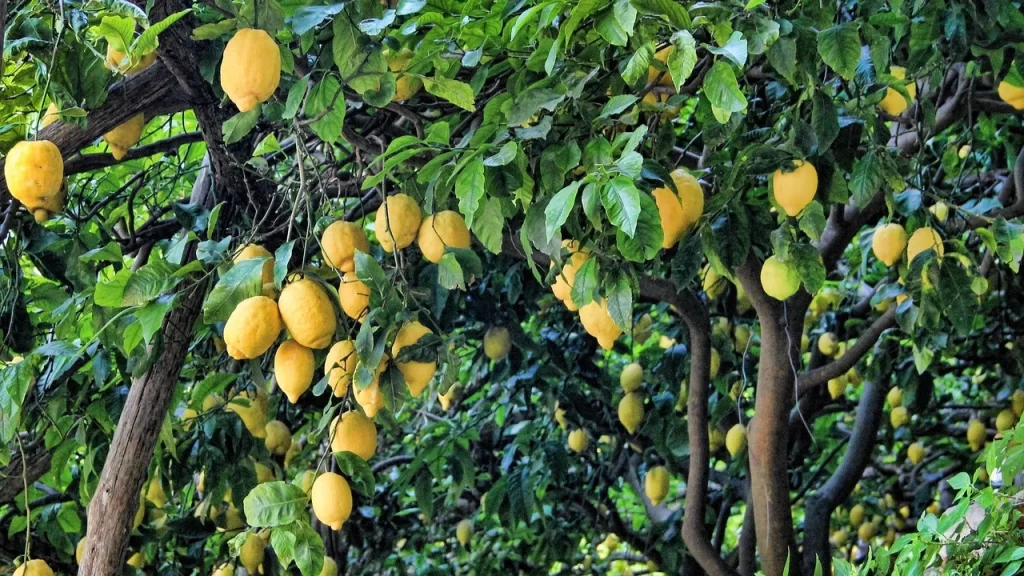
- Lemon plants are heavy feeders and benefit from regular feeding.
- Use organic fertilizers like compost, vermicompost, or liquid manure every 4–6 weeks.
- Once the plant matures, supplement with NPK fertilizer (10:10:10 or 12:12:12) to promote growth and fruiting.
- Foliar sprays with micronutrients like zinc and magnesium improve flowering and fruit quality.
Step 7: Pruning and Maintenance
- Prune dead, weak, or crossing branches to maintain shape and improve airflow.
- Remove flowers in the first year to encourage strong root and stem development.
- Regular pruning prevents diseases and supports healthy growth.
Step 8: Sunlight and Positioning
- Lemon plants require full sun for optimum fruit production.
- If growing in containers, place the plant in a location that receives at least 6–8 hours of sunlight.
- Rotate pots occasionally to ensure even growth on all sides.
Step 9: Pollination
- Lemon flowers are mostly self-pollinating, but bees and insects increase fruit set.
- Encourage pollinators by planting companion flowers nearby.
Step 10: Harvesting
- Lemons are ready to harvest when they turn bright yellow (depending on variety) and feel firm.
- Use pruning shears or gently twist the fruit to avoid damaging branches.
- Regular harvesting encourages continuous flowering and fruiting.
Tips for Maximizing Lemon Yield
- Succession Planting: Grow multiple plants in staggered intervals for continuous harvest.
- Proper Spacing: If planting multiple trees, maintain at least 6–8 feet distance.
- Mulching: Retains moisture, regulates soil temperature, and prevents weeds.
- Pest Management: Watch for aphids, scales, and mites. Neem oil or organic sprays work well.
- Disease Prevention: Ensure proper drainage and sunlight to prevent fungal infections like powdery mildew and root rot.
Nutritional and Health Benefits of Lemons
Lemons are not just delicious; they’re highly nutritious:
- Rich in Vitamin C: Boosts immunity and helps fight infections.
- Antioxidant Properties: Reduces oxidative stress and supports heart health.
- Aids Digestion: Lemon water improves digestion and detoxification.
- Supports Skin Health: Vitamin C and antioxidants promote healthy, glowing skin.
- Weight Management: Lemon water can support metabolism and weight control.
Common Mistakes to Avoid
- Overwatering: Leads to root rot and fungal infections.
- Neglecting Sunlight: Lemon plants need full sun for growth and fruiting.
- Poor Soil Drainage: Waterlogged soil can kill the plant.
- Ignoring Pests: Aphids, mites, and scale insects can damage growth.
- Not Pruning: Overgrown branches reduce airflow and fruiting potential.
Conclusion
Growing lemon plants at home is easier than most people think. By selecting healthy saplings, providing well-draining soil, maintaining consistent care, and following proper watering and fertilization techniques, you can enjoy fresh, juicy lemons right from your garden or balcony. Lemon plants not only provide delicious fruits but also add greenery and charm to your home.

Start today with these easy steps, and soon you’ll be harvesting your own lemons for culinary use, beverages, and natural remedies – all while enjoying the satisfaction of homegrown, organic fruits.