Rooting plants in water is one of the most popular and easiest propagation methods used by gardeners worldwide. However, many beginners struggle with slow or poor rooting, which can delay the growth of new plants. What if there was a biological technique that accelerates rooting naturally, without chemicals or complicated procedures? This method not only speeds up root development but also ensures stronger, healthier plants ready for transplantation.
In this guide, we will explore a simple, effective, and entirely biological technique that enhances water propagation for almost all houseplants, flowering plants, and vegetables.
Why Rooting in Water is Popular
Water propagation is widely practiced because it is:
- Simple: Requires minimal equipment – just water and a container.
- Observational: You can watch the roots develop in real-time.
- Low-Cost: No need for expensive soil or pots initially.
- Safe: Reduces soil-borne pests and diseases during the initial stage.
Despite its advantages, some cuttings take weeks to root or fail to develop strong roots. This is where biological acceleration techniques make a huge difference.
What is the Biological Rooting Technique?
The biological rooting technique uses natural substances or organisms to enhance root formation in plant cuttings. Unlike synthetic rooting hormones, this method leverages:
- Beneficial microbes such as mycorrhizal fungi or Trichoderma species.
- Natural plant extracts that stimulate growth hormones (auxins).
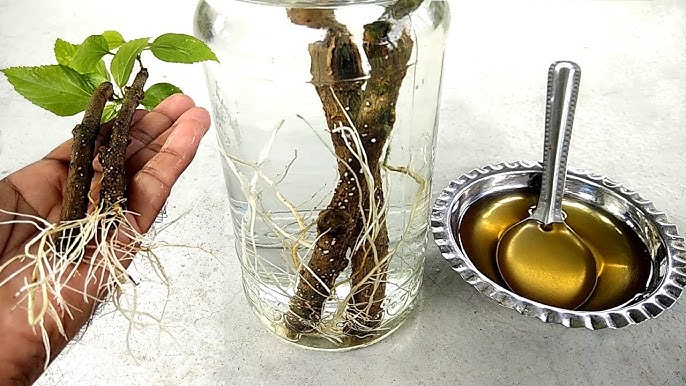
- Organic solutions like honey, aloe vera, or coconut water.
These biological agents trigger root initiation, strengthen the cutting, and increase survival rates when transplanted into soil.
Benefits of Biological Rooting in Water
- Faster Rooting: Cuttings develop roots in less time compared to water alone.
- Stronger Roots: Promotes fibrous, healthy root systems.
- Disease Resistance: Beneficial microbes protect against pathogens.
- Chemical-Free: Safe for edible plants and indoor use.
- Cost-Effective: Uses readily available natural ingredients.
Materials Needed
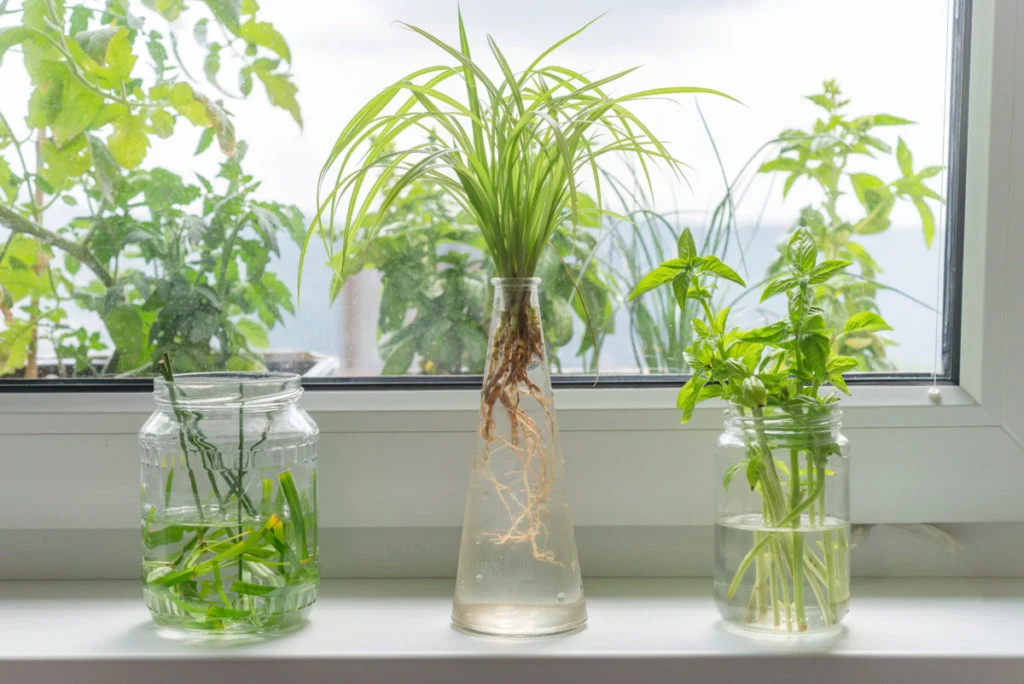
To accelerate rooting in water biologically, gather the following:
- Healthy plant cutting (from herbs, flowers, or vegetables)
- Clean container or jar
- Water (preferably room temperature or filtered)
- Aloe vera gel or honey (natural growth stimulants)
- Optional: powdered mycorrhizal fungi or beneficial microbes
- Spray bottle (for misting)
Step-by-Step Guide to Accelerated Rooting in Water
Step 1: Selecting the Cutting
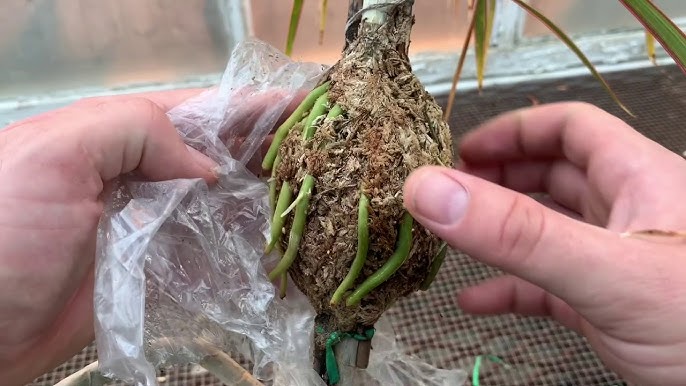
- Choose a healthy, disease-free stem with at least 2–3 nodes.
- Avoid old or weak stems; young semi-hardwood cuttings root faster.
- Trim just below a leaf node to increase the area of root initiation.
Step 2: Preparing the Cutting
- Remove the lower leaves, leaving 2–3 leaves at the top to prevent water loss.
- Optional: Slightly trim the stem tip to encourage lateral root growth.
Step 3: Using Biological Stimulants
- Aloe Vera: Extract fresh aloe gel and coat the cut end of the stem. Aloe contains natural auxins and antimicrobial compounds that accelerate rooting.
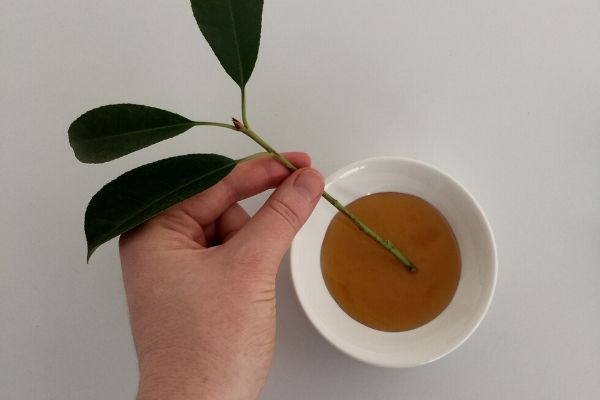
- Honey: Dip the cut end in raw honey. Honey acts as a natural antibacterial agent and stimulates root growth.
- Coconut Water: Contains cytokinins that promote cell division and root initiation. Use diluted coconut water as the rooting medium.
- Beneficial Microbes: Sprinkle powdered mycorrhizal fungi or Trichoderma around the cutting to promote healthy root development.
Step 4: Placing the Cutting in Water
- Fill a clean container with water and place the cutting so that nodes are submerged.
- Change water every 2–3 days to maintain oxygen levels and prevent bacterial growth.
- Ensure the leaves are above water to prevent rotting.
Step 5: Providing Optimal Conditions
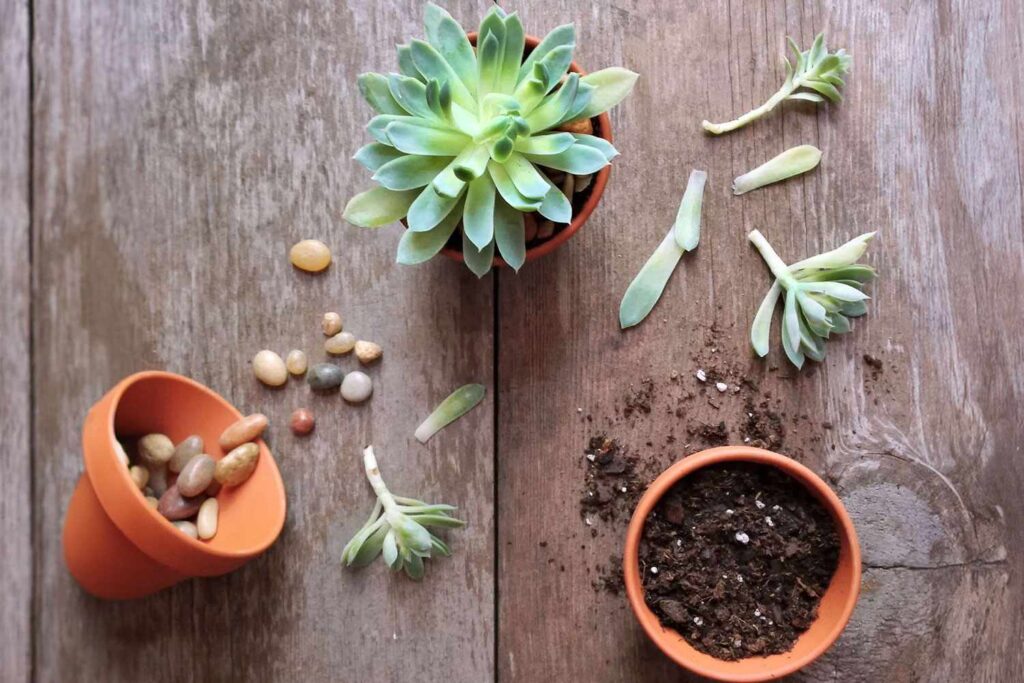
- Place the container in bright, indirect sunlight. Avoid direct harsh sunlight that can stress the cutting.
- Maintain room temperature (20°C–25°C or 68°F–77°F).
- Mist the leaves lightly if using a dry environment to reduce dehydration.
Step 6: Monitoring Root Growth
- Roots typically appear within 1–3 weeks, depending on the plant species and environmental conditions.
- Fibrous, healthy roots indicate successful biological acceleration.
- Once roots are 2–3 inches long and strong, the cutting is ready for transplantation.
Plants That Respond Well to Biological Rooting in Water
This method works exceptionally well for:
- Herbs: Mint, basil, rosemary, and thyme
- Flowering Plants: Hibiscus, Bougainvillea, and geranium
- Vegetables: Tomato, chili, and coriander cuttings
- Houseplants: Money plant, pothos, and monstera
Using biological accelerators ensures faster success even in plants that are usually slow to root in water.
Advantages Over Traditional Water Propagation
| Traditional Water Propagation | Biological Rooting Technique |
|---|---|
| Roots may develop slowly | Roots develop faster and stronger |
| High chance of rotting | Reduced rotting due to antimicrobial agents |
| Less resistant to diseases | Beneficial microbes improve disease resistance |
| Pure water, no growth stimulants | Uses natural stimulants for faster growth |
Tips for Best Results
- Select Healthy Cuttings: The stronger the parent plant, the better the rooting.
- Change Water Regularly: Fresh water prevents stagnation and promotes oxygenation.
- Avoid Overcrowding: Place cuttings in separate containers to reduce fungal growth.
- Use Biological Agents: Aloe, honey, or coconut water significantly enhance root formation.
- Be Patient: Some slow-growing plants may still take 3–4 weeks to develop strong roots.
Common Mistakes to Avoid
- Using dirty containers: Leads to bacterial growth and rot.
- Submerging leaves: Only nodes should be in water; leaves submerged will decay.
- Ignoring water quality: Tap water with chlorine may hinder root development; use filtered or rested water.
- Skipping biological stimulants: While optional, using them improves rooting speed and success rate.
- Overcrowding cuttings: Limits airflow and increases risk of fungal infection.
Conclusion
The biological technique for accelerating rooting in water is a game-changer for gardeners looking to propagate plants quickly and successfully. By using natural growth stimulants like aloe vera, honey, or coconut water, combined with beneficial microbes, you can achieve faster, healthier root development while reducing the risk of disease.
This method is perfect for herbs, flowering plants, vegetables, and even popular houseplants, making it a versatile and cost-effective approach. With patience, proper care, and a little biological boost, anyone can turn simple cuttings into thriving, root-ready plants, ready to enhance your garden or home.
Start today and witness your cuttings grow into healthy, robust plants faster than ever before using this easy biological technique!