Bougainvillea is a vibrant, flowering plant that adds color and beauty to any garden or balcony. Its bright, papery bracts in shades of pink, purple, red, orange, and white make it a favorite among gardeners. While bougainvillea plants can be purchased from nurseries, propagating them from cuttings is simple, cost-effective, and surprisingly fast, allowing you to create multiple plants from a single parent.
This guide will show you step-by-step techniques for propagating bougainvillea from cuttings, helping you grow healthy, flowering plants in no time.
1. Why Propagate Bougainvillea from Cuttings?
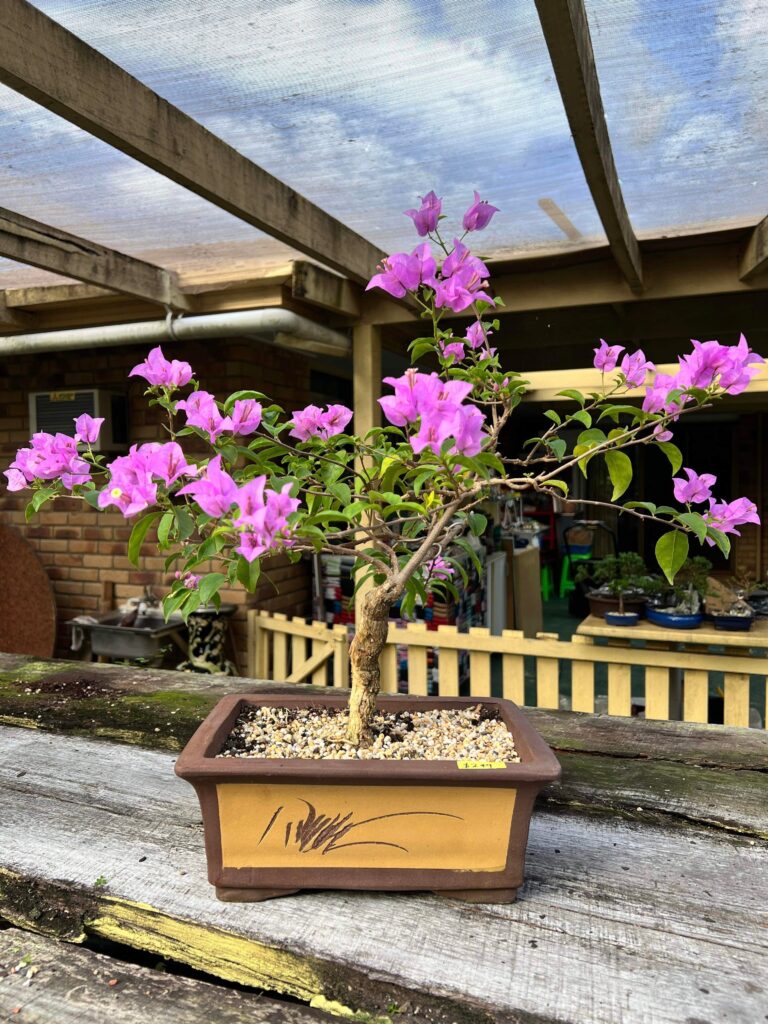
Propagating bougainvillea from cuttings offers several advantages:
- Fast rooting: Unlike growing from seeds, cuttings develop roots quickly, often within a few weeks.
- Cost-effective: You can produce several plants from one mature bougainvillea.
- Preserves characteristics: The new plant will have the same flower color and growth habit as the parent plant.
- Suitable for small spaces: Ideal for balcony gardens, patios, and small backyard setups.
Propagation is not only economical but also rewarding, as you can watch new plants thrive and bloom beautifully.
2. Choosing the Right Bougainvillea for Cuttings
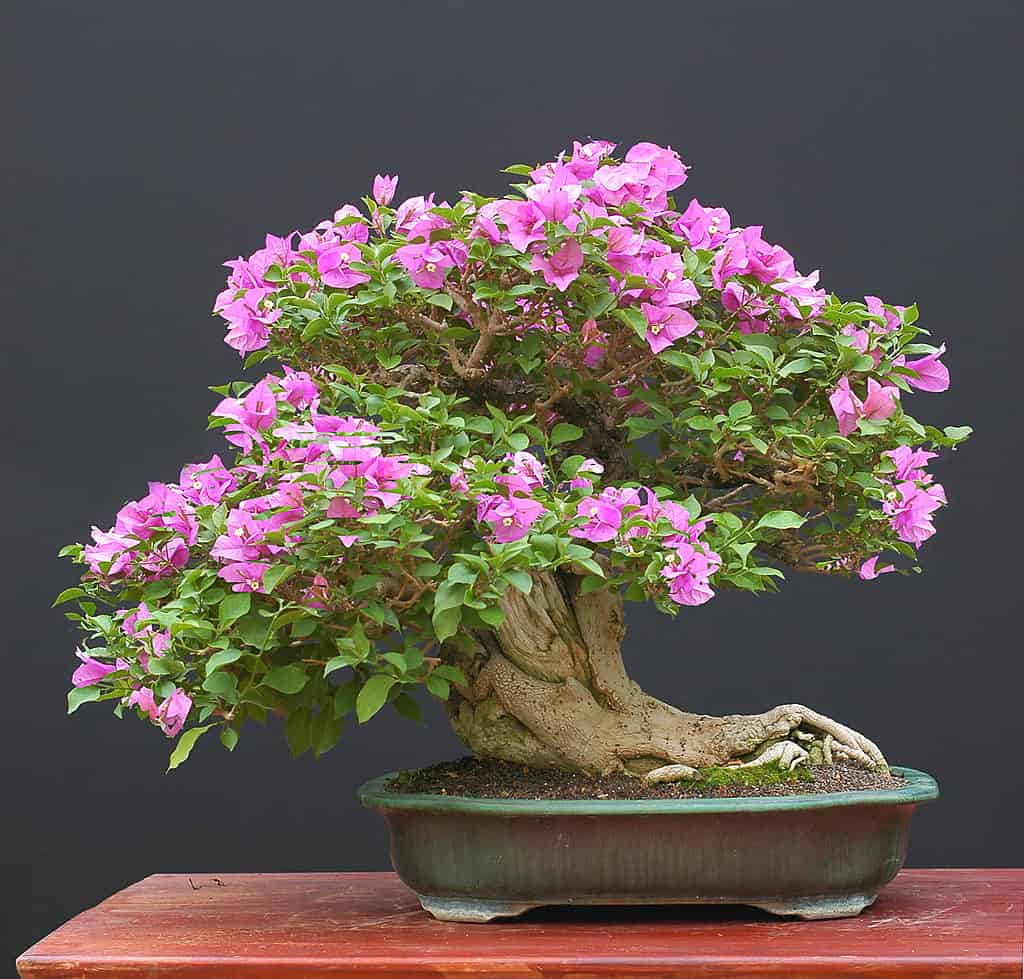
Success in propagation begins with selecting a healthy parent plant:
- Choose a mature bougainvillea plant with strong, healthy stems.
- Avoid stems that are too old, woody, or weak. Semi-hardwood stems, which are neither too soft nor too woody, are ideal.
- Select stems with 3–5 nodes (the point where leaves emerge), which will increase rooting success.
- Make sure the plant is disease-free and pest-free to prevent problems in new cuttings.
Using a healthy parent plant ensures vigorous growth and fast root development.
3. Preparing Bougainvillea Cuttings
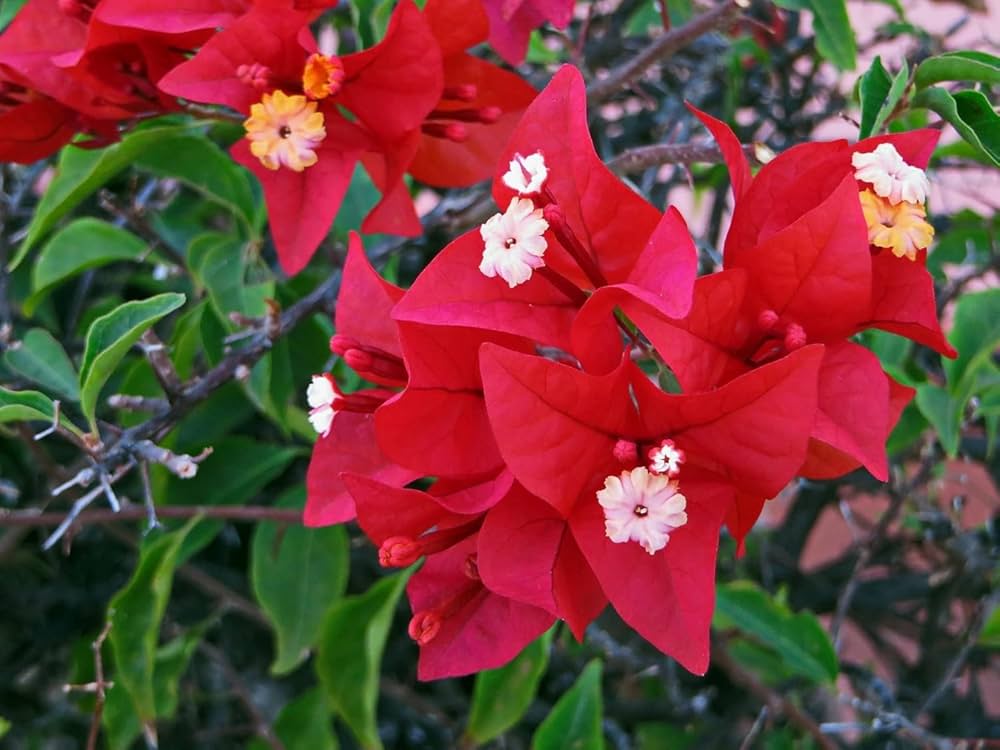
Proper preparation of cuttings is crucial for fast and successful propagation:
- Cut the Stem:
- Use a clean, sharp knife or pruning shears to cut 6–8 inch stems from the parent plant.
- Cut just below a node (where a leaf joins the stem), as this is where roots will emerge.
- Remove Lower Leaves:
- Strip leaves from the bottom half of the cutting.
- Leave 2–3 leaves at the top to support photosynthesis.
- Optional Rooting Hormone:
- Dip the cut end of the stem in a rooting hormone powder or gel.
- This encourages faster root formation and increases the success rate.
By preparing cuttings properly, you provide the best conditions for rapid rooting.
4. Choosing the Right Propagation Medium
The medium in which bougainvillea cuttings are planted affects rooting speed and success:
- Soil mixture: A mix of sand, perlite, and garden soil ensures good drainage and aeration, preventing rotting.
- Cocopeat or peat moss: Retains moisture while providing a loose structure for roots to grow.
- Sterilized pots or trays: Reduce the risk of fungal infections and ensure healthy roots.
Avoid heavy, clay-rich soil that retains too much water, as this can cause cuttings to rot before roots form.
5. Planting Bougainvillea Cuttings
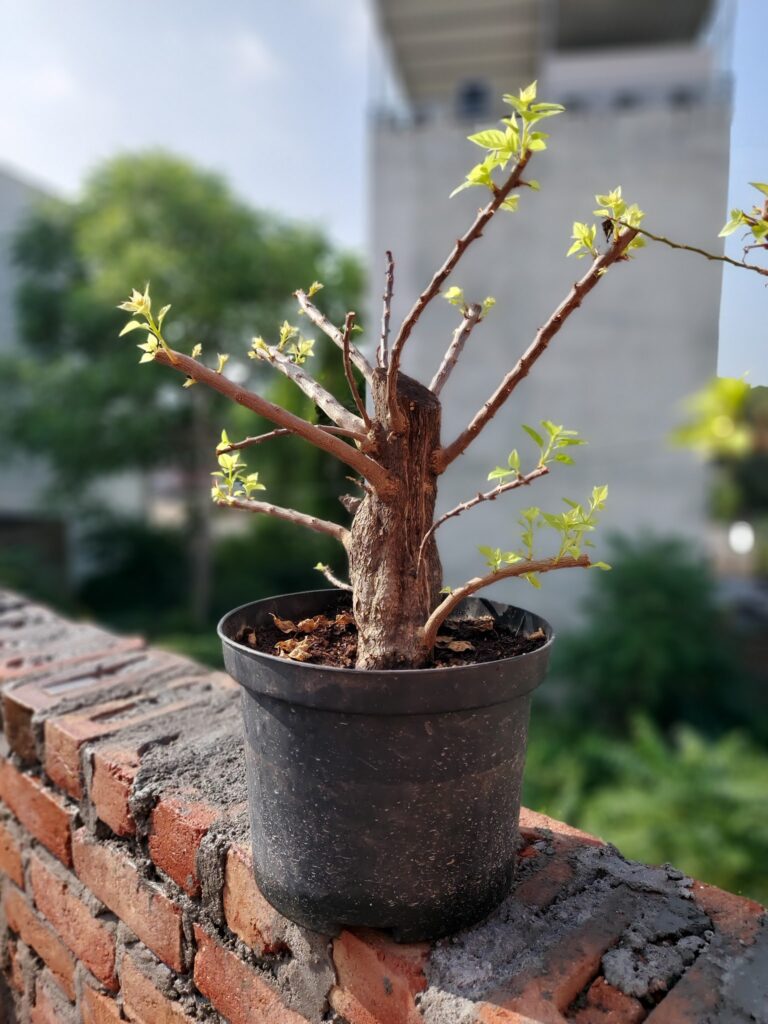
Step-by-step planting for maximum rooting success:
- Fill the container with the chosen medium and water lightly to moisten it.
- Insert the cutting 2–3 inches deep, ensuring the lower nodes are buried.
- Firm the soil gently around the stem to hold it upright.
- Place a transparent plastic cover or bag over the pot to create a mini greenhouse.
This helps maintain humidity and warmth, which are essential for fast root development.
6. Caring for Bougainvillea Cuttings
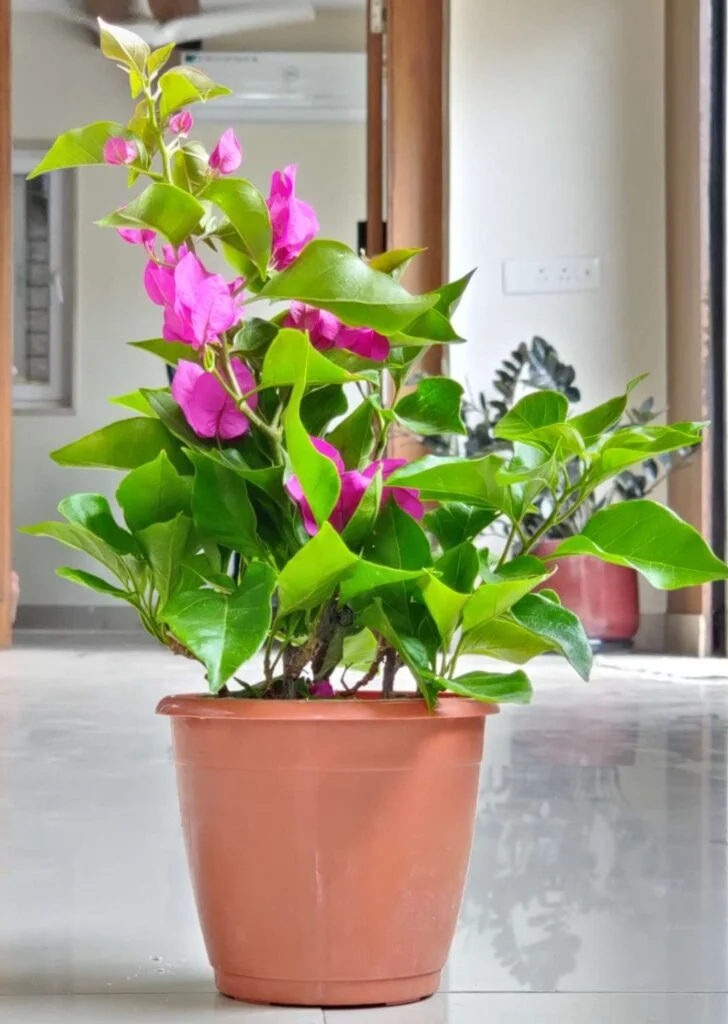
After planting, the right care ensures healthy root growth:
- Watering: Keep the medium slightly moist but not soggy. Overwatering can cause cuttings to rot.
- Sunlight: Place cuttings in bright, indirect light. Direct sun may stress the plant, while too little light slows rooting.
- Temperature: Maintain warmth around 70–80°F (21–27°C) to encourage root growth.
- Air circulation: Remove the plastic cover occasionally to prevent mold and improve ventilation.
With consistent care, cuttings can develop roots within 2–4 weeks, depending on the variety and environmental conditions.
7. Signs of Successful Rooting
You can tell when bougainvillea cuttings have rooted:
- New leaf growth appears at the top of the cutting.
- The cutting resists gentle tugging, indicating root formation.
- Roots may start emerging from drainage holes or through the soil surface.
Once roots are well-established, it’s time to transplant the cutting into a larger pot or garden bed.
8. Transplanting Rooted Bougainvillea
When the roots are strong, transplanting ensures continued growth and flower production:
- Prepare a well-draining garden bed or pot with fertile soil and compost.
- Remove the cutting carefully from the propagation medium, preserving the roots.
- Plant the cutting at the same depth it was growing in the pot.
- Water lightly and provide partial shade for the first week to reduce transplant shock.
Gradually expose the plant to full sunlight to encourage robust growth and flowering.
9. Supporting and Training Bougainvillea
Bougainvillea is a climbing plant, so supporting it helps maximize growth and flowering:
- Use trellises, wires, or stakes to guide upward growth.
- Regular pruning encourages bushy growth rather than long, sparse stems.
- Remove dead or weak branches to maintain plant health and increase flower production.
With proper training, your propagated bougainvillea will bloom abundantly and look spectacular.

10. Fertilizing Bougainvillea for Fast Growth and Flowering
Feeding your plant supports root development, healthy foliage, and vibrant flowers:
- Use a balanced fertilizer during early growth (NPK 10:10:10).
- Once established, switch to a high-phosphorus fertilizer to encourage flowering.
- Organic options like compost, neem cake, or well-rotted manure improve soil structure and fertility.
Consistent nutrition ensures your bougainvillea grows fast, develops strong roots, and blooms beautifully.
11. Preventing Pests and Diseases
Bougainvillea is generally hardy, but propagation cuttings can be vulnerable:
- Watch for aphids, mealybugs, and spider mites. Spray neem oil if necessary.
- Ensure proper air circulation to prevent fungal infections like powdery mildew.
- Remove any damaged or diseased leaves promptly.
Healthy cuttings grow faster and develop into strong, vibrant plants.
12. Tips for Faster Rooting and Growth
- Take cuttings from healthy, semi-hardwood stems during spring or early summer.
- Use a sterile, well-draining medium to reduce the risk of rot.
- Maintain consistent warmth and humidity with a mini greenhouse setup.
- Apply rooting hormone to accelerate root formation.
These small adjustments can significantly reduce rooting time and improve success rates.
Conclusion
Propagating bougainvillea from cuttings is an easy, cost-effective, and rewarding way to fill your garden with vibrant colors. By selecting healthy stems, preparing cuttings properly, using the right medium, and providing consistent care, you can grow multiple plants from a single bougainvillea.
With proper training, fertilization, and pest management, your propagated bougainvillea will develop strong roots, lush foliage, and stunning blooms in record time. Whether for balconies, patios, or garden trellises, fast-rooting bougainvillea cuttings give you a spectacular floral display without spending a fortune.
By following these simple techniques, you can enjoy healthy, flowering bougainvillea plants year after year, making your garden vibrant, colorful, and full of life.