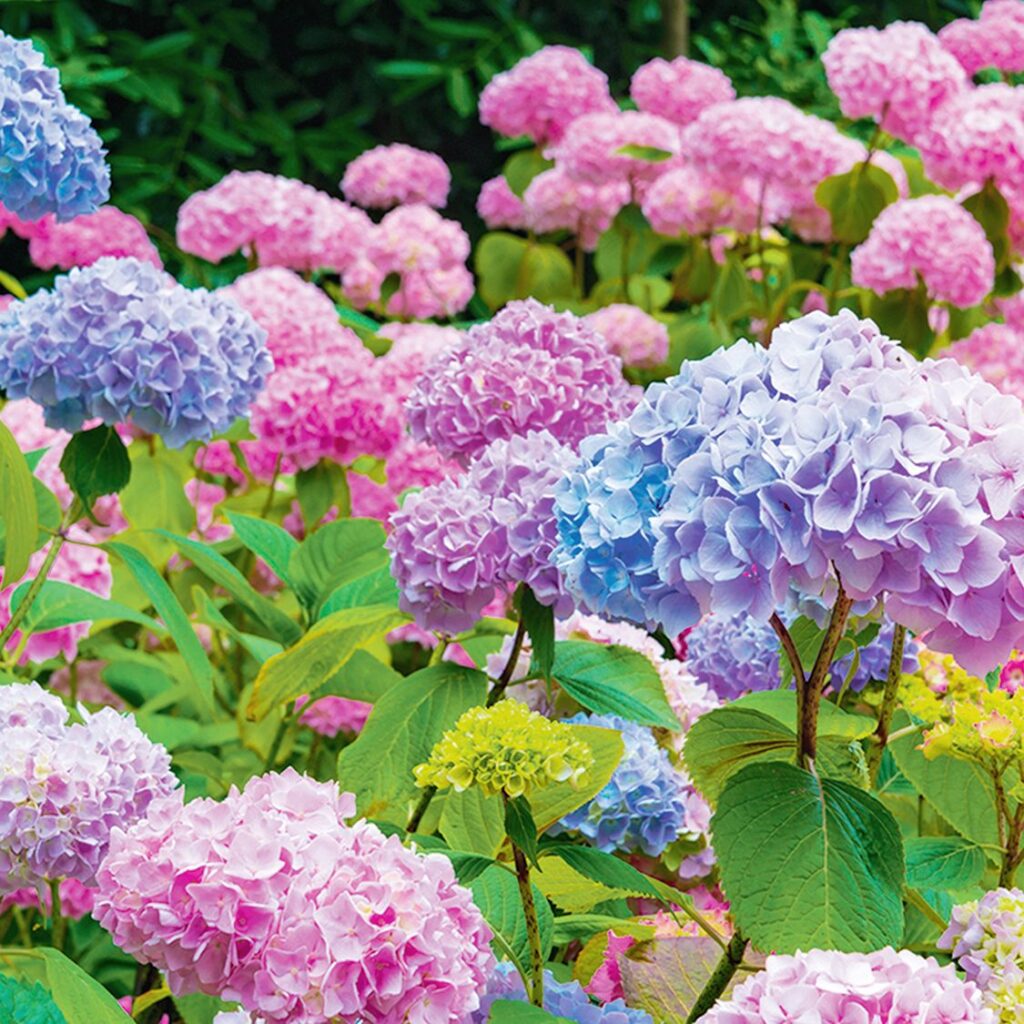
Hydrangeas are among the most loved ornamental plants, admired for their large, colorful flower clusters that can brighten any garden. From pastel pinks to vibrant blues, these flowers bring charm and elegance to outdoor spaces. While buying mature hydrangea plants is an option, propagating them yourself from winter or summer branches is a cost-effective, rewarding way to multiply your garden favorites.
This guide will explain step-by-step techniques for propagating hydrangeas from both winter and summer branches, covering the preparation, planting, care, and troubleshooting to ensure successful growth.
1. Why Propagate Hydrangeas Yourself?
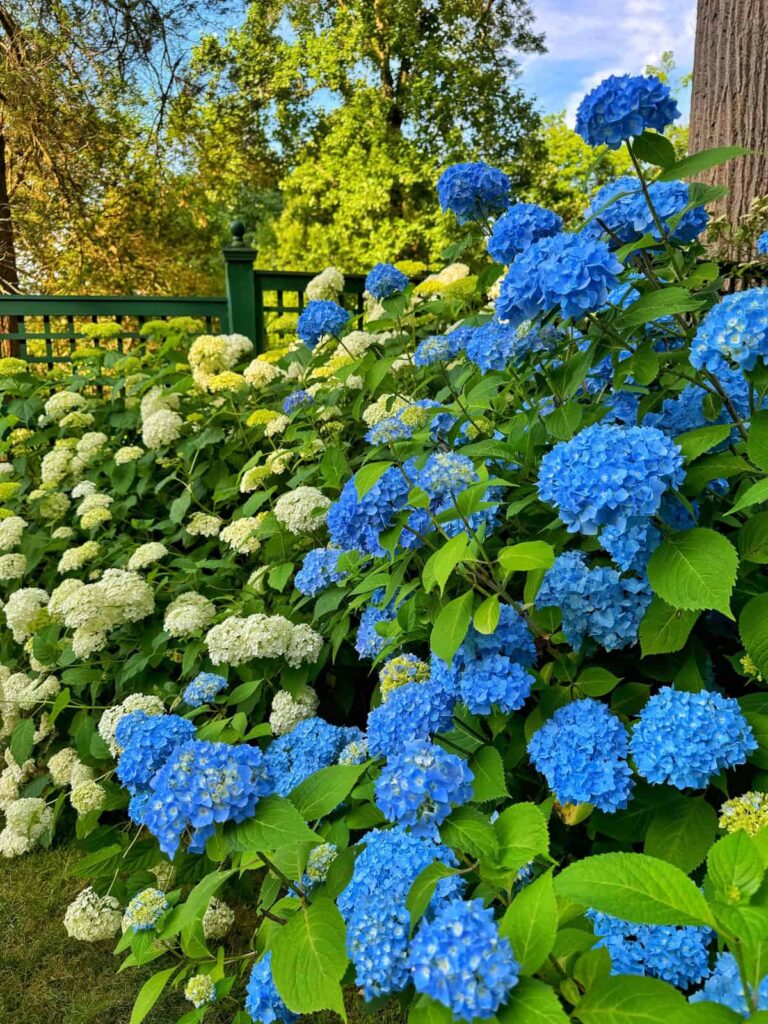
Home propagation offers several benefits:
- Cost-effective: You can multiply plants without purchasing new ones.
- Preserve variety: Plants grown from cuttings retain the exact color and characteristics of the parent plant.
- Sustainable gardening: Reduces reliance on nurseries and supports eco-friendly practices.
- Educational and rewarding: Watching new hydrangeas grow from branches is satisfying and informative.
By learning proper propagation methods, you can create a thriving hydrangea collection with minimal expense.
2. Choosing the Right Parent Plant
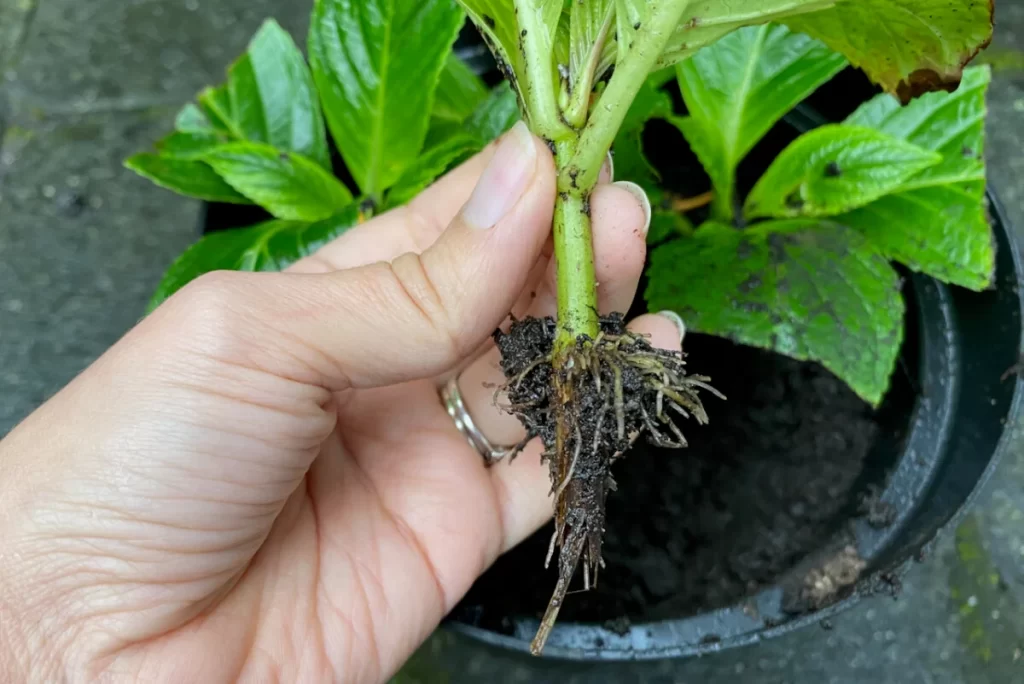
Successful propagation begins with selecting a healthy parent hydrangea:

- Look for a plant that is healthy, disease-free, and mature.
- Avoid branches that show signs of pest damage, disease, or weak growth.
- Choose branches with multiple nodes (where leaves emerge), as these are the points from which roots will develop.
Both winter and summer branches can be used, but the timing and preparation differ slightly.
3. Understanding Branch Types: Winter vs. Summer
Winter Branches (Hardwood Cuttings):
- Taken from dormant, woody stems during late fall or winter.
- These cuttings are harder and may take longer to root but produce strong, mature plants.
- Ideal for long-term garden planning and establishing hardy plants.
Summer Branches (Softwood or Semi-Hardwood Cuttings):
- Taken from actively growing stems during late spring or early summer.
- Softwood cuttings are tender and easier to root quickly.
- Best for fast propagation and producing multiple plants in one season.
Choosing the type of branch depends on your propagation goals and timing.
4. Preparing Hydrangea Cuttings
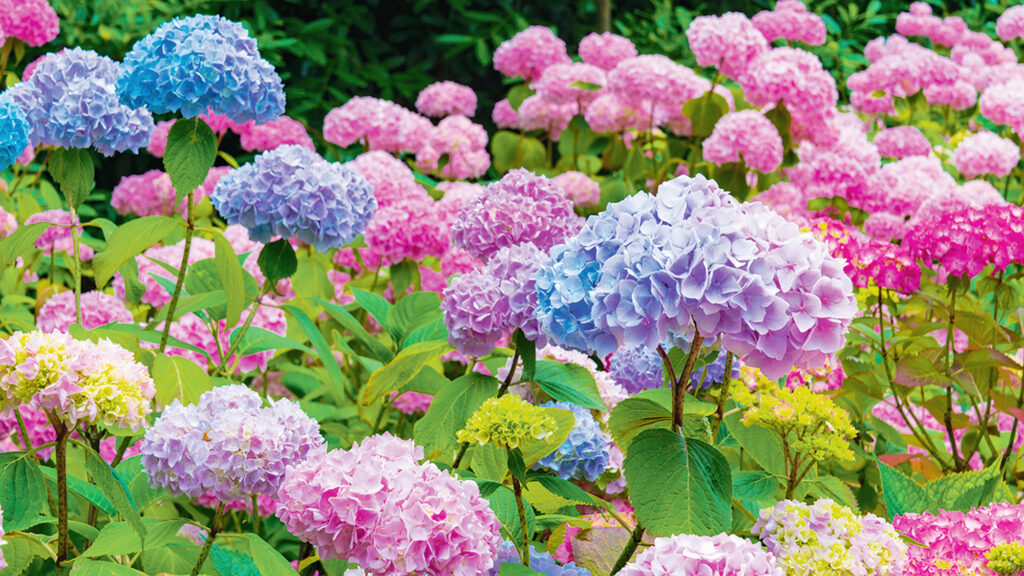
A. Winter (Hardwood) Cuttings:
- Select healthy woody branches 6–12 inches long with at least 3–5 nodes.
- Cut just below a node using clean, sharp pruning shears.
- Remove any old leaves or flower heads.
- Optionally, dip the base in rooting hormone to encourage root formation.
B. Summer (Softwood/Semi-Hardwood) Cuttings:
- Choose young, green stems that are firm but flexible.
- Cut 4–6 inches long with at least 2–3 leaf nodes.
- Remove the lower leaves, leaving 2–3 leaves at the top.
- Trim large leaves by half to reduce water loss.
- Optionally, dip the base in rooting hormone to accelerate rooting.
Proper cutting preparation ensures higher rooting success and stronger plants.
5. Choosing the Right Propagation Medium
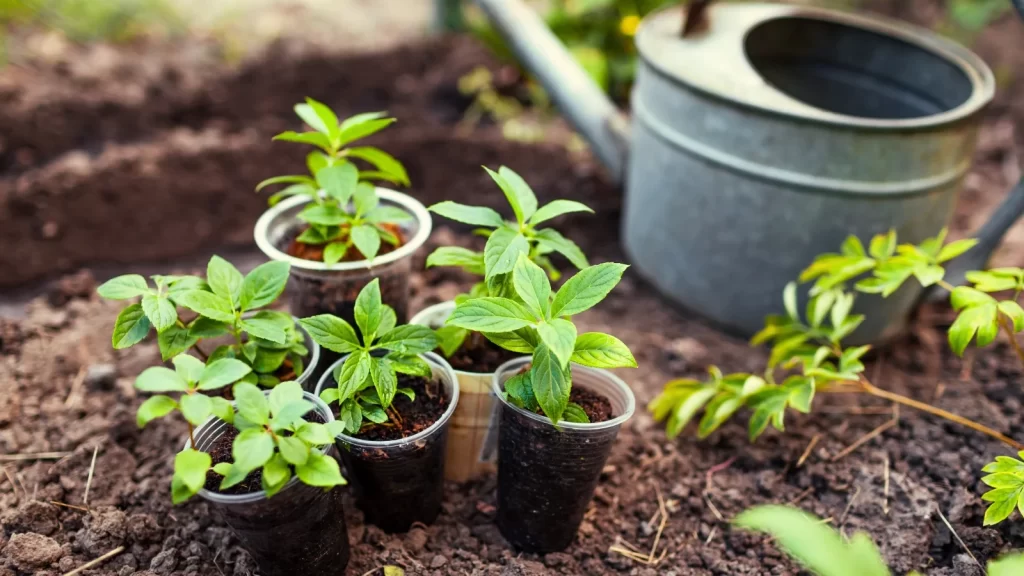
Hydrangea cuttings require a well-draining, nutrient-rich medium for successful rooting:
- Use a mix of sand, perlite, and peat moss for softwood cuttings.
- Hardwood cuttings root well in a mix of garden soil and sand or directly in the garden bed.
- Ensure the medium is moist but not waterlogged to prevent rot.
- Use clean pots, trays, or containers to reduce the risk of disease.
A good propagation medium provides stability, nutrients, and proper aeration for new roots.
6. Planting Hydrangea Cuttings
Step-by-step planting process:
- Fill the container or bed with the chosen propagation medium.
- Insert the cutting 2–3 inches deep, making sure at least one node is below the soil.
- Firm the soil gently around the base of the cutting.
- Water lightly to settle the medium.
- For softwood cuttings, cover with a plastic bag or mini greenhouse to maintain humidity.
Tip: Place cuttings in bright, indirect sunlight to prevent stress while still encouraging growth.
7. Caring for Hydrangea Cuttings
Proper care increases the chances of successful rooting:
- Watering: Keep the soil consistently moist but avoid waterlogging.
- Humidity: For softwood cuttings, maintain high humidity by misting or using a cover.
- Temperature: Keep cuttings in a warm environment (65–75°F / 18–24°C).
- Air circulation: Remove plastic covers occasionally to prevent fungal growth.
With consistent care, softwood cuttings root in 2–4 weeks, while hardwood cuttings may take 6–8 weeks or longer.
8. Transplanting Rooted Cuttings
Once cuttings develop strong roots:
- Prepare a garden bed or pot with fertile, well-draining soil.
- Carefully remove the cutting, keeping the roots intact.
- Plant at the same depth as it was growing in the container.
- Water immediately and provide partial shade for the first week to reduce transplant shock.
After establishing, gradually expose plants to full sunlight for strong growth and flowering.

9. Fertilizing Young Hydrangeas
Fertilization supports healthy growth and future blooms:
- Use a balanced, slow-release fertilizer during early growth.
- After roots are established, switch to a high-phosphorus fertilizer to encourage flowering.
- Organic options like compost or well-rotted manure improve soil structure and plant vigor.
Proper nutrition ensures robust plants that bloom beautifully.
10. Preventing Pests and Diseases
Hydrangea cuttings are delicate and may attract pests or disease:
- Watch for aphids, spider mites, and fungal infections. Spray neem oil or use natural remedies if needed.
- Maintain proper air circulation and avoid overwatering.
- Remove any damaged or diseased cuttings promptly.
Healthy cuttings grow faster and produce strong, long-lasting plants.
11. Tips for Maximum Propagation Success
- Take cuttings from healthy, mature plants.
- Use rooting hormone to accelerate root formation.
- Maintain consistent moisture, warmth, and humidity.
- Propagate during optimal seasons: softwood in spring/summer, hardwood in late fall/winter.
- Monitor daily and remove any cuttings showing rot or disease.
Following these tips ensures high success rates and fast-growing hydrangea plants.

Conclusion
Propagating hydrangeas from winter or summer branches is an easy, cost-effective, and rewarding method to expand your garden. By selecting healthy parent plants, preparing cuttings carefully, using a suitable medium, and providing consistent care, you can grow multiple hydrangeas that mirror the beauty and color of the parent.
Winter hardwood cuttings produce strong, hardy plants, while summer softwood cuttings root quickly and allow for faster multiplication. Combined with proper watering, fertilization, and pest management, your propagated hydrangeas will thrive, bloom beautifully, and provide years of enjoyment in your garden.
With these techniques, you can create a stunning hydrangea collection, multiplying your favorite plants without spending a fortune at the nursery. Whether for garden beds, pots, or decorative borders, home propagation makes it simple to enjoy healthy, flowering hydrangeas year after year.