Passion fruit is a tropical delight known for its sweet-tart flavor, aromatic pulp, and health benefits. Whether you enjoy it in juices, desserts, or smoothies, growing passion fruit at home can be a rewarding experience. The best part? You don’t need to buy seeds from a nursery. You can start with fruits bought at the market and turn them into thriving, productive plants.
In this guide, we’ll show you exactly how to grow passion fruit at home from market-bought fruits, including seed extraction, germination, planting, care, and harvesting techniques.
Why Grow Passion Fruit at Home?
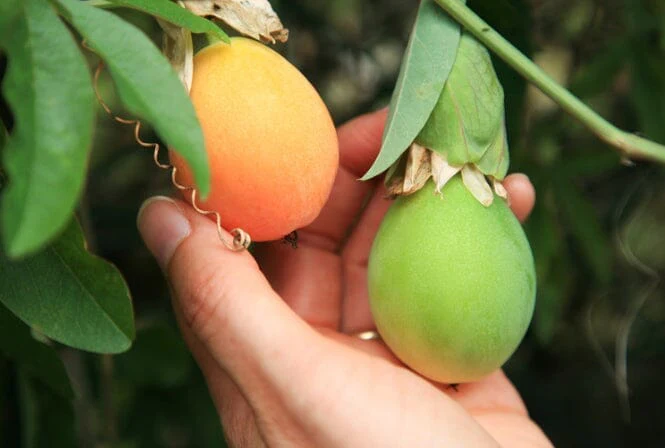
Growing passion fruit at home has several benefits:
- Fresh Produce: Enjoy sweet and juicy fruits directly from your garden.
- Cost-Effective: Market-bought fruits can be used to start new plants, saving money.
- Organic Control: You control fertilizers, watering, and pest management.
- Space-Friendly Options: Passion fruit vines can be grown in small backyards, terraces, or large pots.
- Therapeutic Gardening: Growing fruits is a rewarding and relaxing activity.
With patience and proper care, your passion fruit vine can produce abundant fruits within a few years.
Step 1: Choosing the Right Passion Fruit
Not all passion fruits are ideal for seed propagation. When selecting fruits from the market:
- Ripe Fruit: Choose fruits that are fully ripe, wrinkled, and slightly soft.
- Variety: Purple passion fruit (Passiflora edulis) and yellow passion fruit (Passiflora edulis f. flavicarpa) are both suitable for home cultivation.
- Healthy Fruits: Avoid fruits with rot, mold, or physical damage.
Healthy, ripe fruits produce viable seeds that germinate more reliably.
Step 2: Extracting Seeds from the Fruit
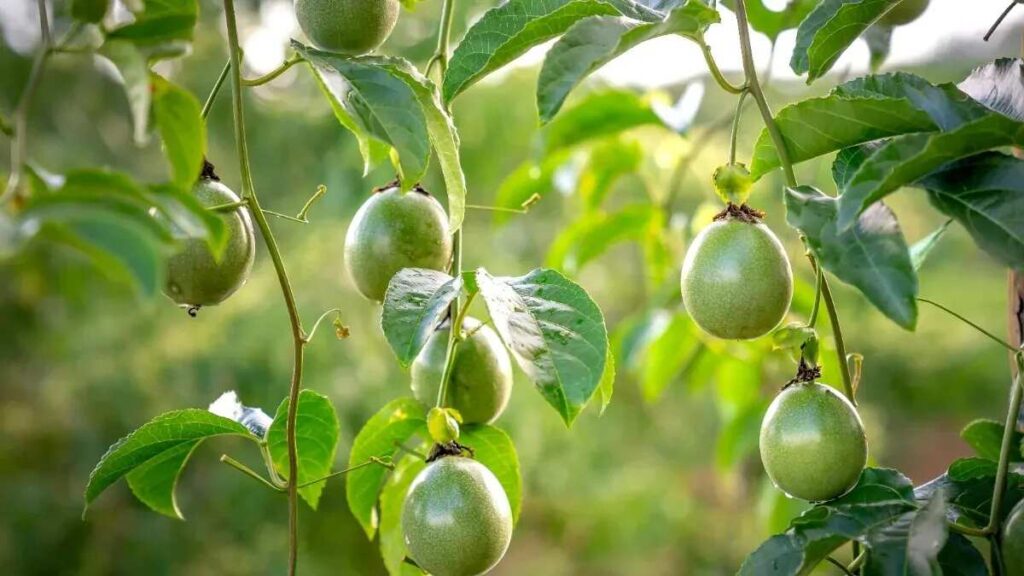
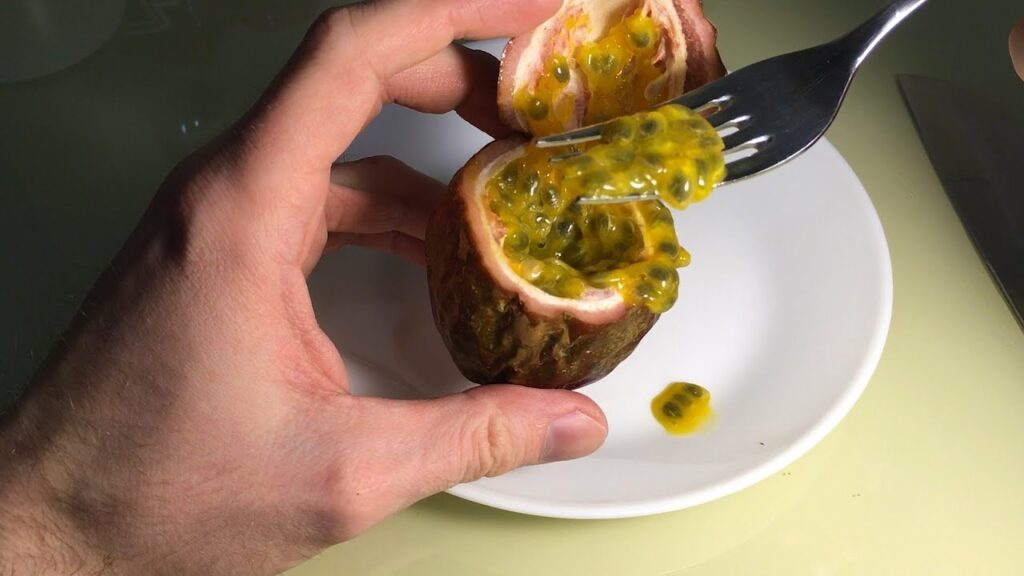
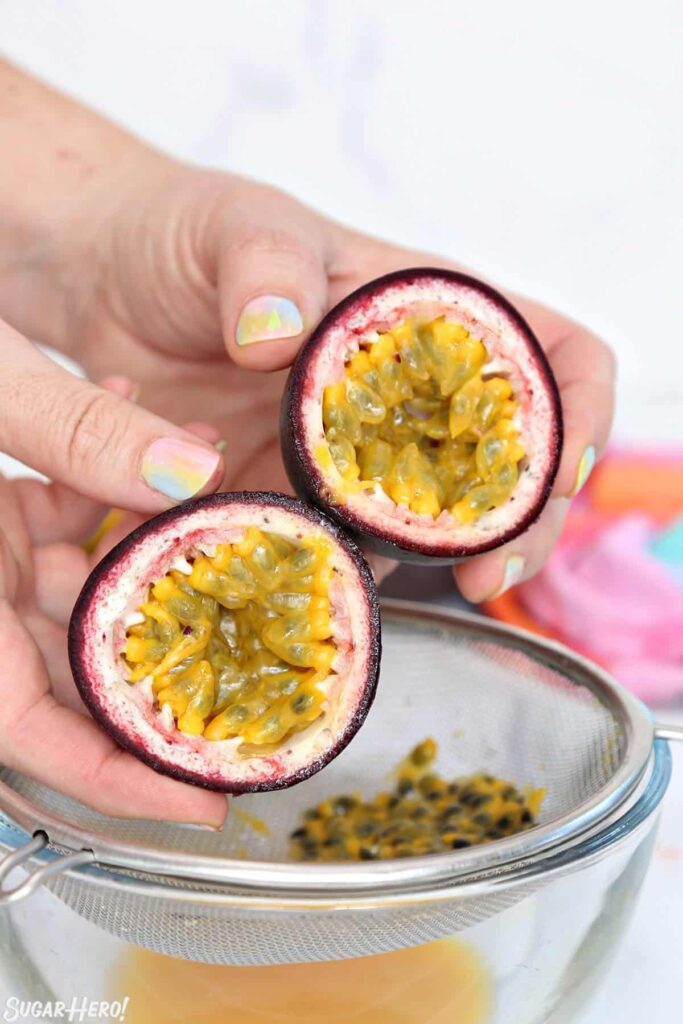
- Cut the Fruit Open: Slice the fruit in half and scoop out the pulp and seeds.
- Separate Seeds from Pulp: Place the pulp in a bowl of water. Ripe seeds will sink, while unwanted pulp floats.
- Clean Seeds: Rinse thoroughly under running water to remove remaining pulp, which can cause mold during germination.
- Optional: Soak seeds in water for 24–48 hours to soften the seed coat and improve germination rates.
Proper seed preparation is crucial to ensure healthy seedlings.
Step 3: Germinating Passion Fruit Seeds
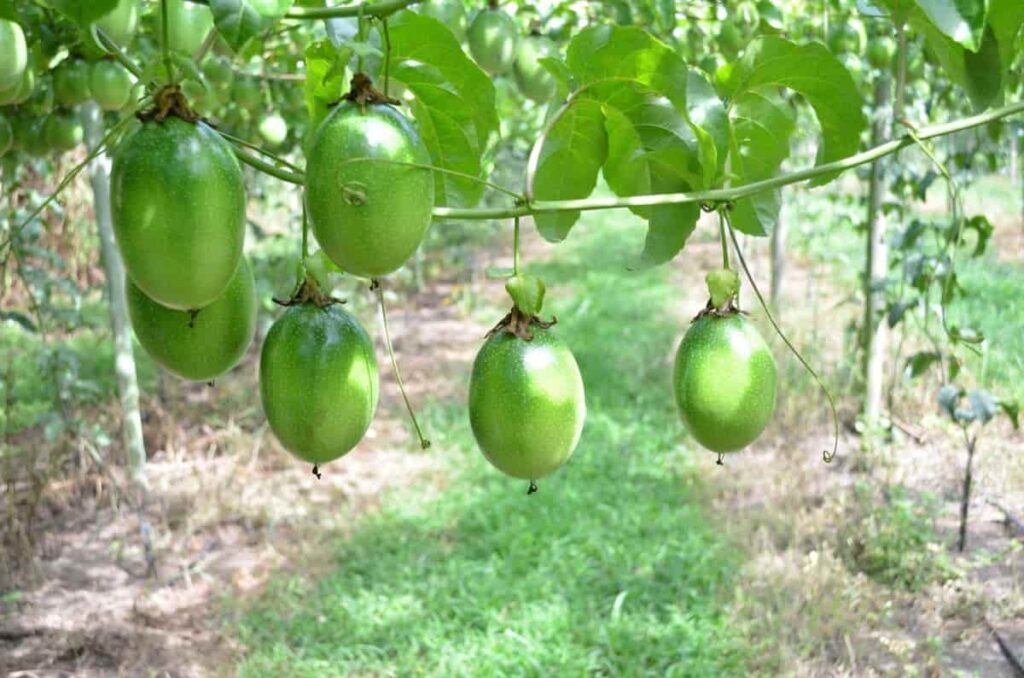
- Choose a Medium: Use seedling trays or small pots filled with a well-draining mixture like coco coir, perlite, or a mix of sand and compost.
- Plant Seeds: Sow seeds about 0.5 cm deep in the medium. Cover lightly with soil.
- Watering: Keep the medium consistently moist but not waterlogged.
- Warmth: Maintain a temperature around 25–30°C (77–86°F) for faster germination.
- Light: Place in bright, indirect sunlight. Direct sunlight can dry out young seedlings.
Seeds typically germinate within 2–4 weeks. Patience is key during this stage.
Step 4: Transplanting Seedlings
Once seedlings develop 2–3 true leaves, they are ready to be transplanted:
- Choose Containers or Garden Beds: Seedlings can be moved to larger pots or directly into a prepared garden area.
- Prepare the Soil: Passion fruit thrives in well-draining, fertile soil enriched with compost or organic manure.
- Spacing: Plant seedlings about 3–4 meters apart if growing in the ground to allow space for vines. For pots, use at least a 15–20 liter container per plant.
- Transplanting Technique: Gently remove seedlings from their pots, keeping the root ball intact, and plant at the same depth as they were growing.
Proper transplanting reduces shock and promotes healthy growth.
Step 5: Providing Support for Vines
Passion fruit is a climbing vine, so support structures are essential:
- Trellises: Sturdy wooden or metal frames work well.
- Fences: Vines can climb along chain-link fences or garden walls.
- Arbors or Pergolas: Adds decorative value while supporting growth.
Tie vines loosely to the support as they grow, allowing them to twine naturally. Proper support prevents vine damage and promotes better fruiting.
Step 6: Watering and Fertilization
- Watering: Keep the soil consistently moist, especially during flowering and fruiting. Avoid waterlogging, which can cause root rot.
- Fertilization: Use a balanced fertilizer rich in nitrogen, phosphorus, and potassium. Organic options include compost, manure, and homemade liquid fertilizers.
- Micronutrients: Include magnesium, calcium, and iron for strong vines and vibrant fruits.
- Frequency: Feed plants every 2–4 weeks during the growing season.
Consistent watering and proper nutrition are key for healthy growth and abundant fruiting.
Step 7: Pruning and Maintenance
Pruning helps maintain plant shape, improves airflow, and encourages flowering:
- Remove Dead or Weak Vines: Prevent disease and improve energy allocation.
- Trim Excess Growth: Control vine spread to prevent overcrowding.
- Encourage Fruiting: Prune lightly after harvest to stimulate new flower production.
Regular pruning ensures a manageable, productive plant.
Step 8: Pollination
Passion fruit flowers require pollination to produce fruit:

- Natural Pollinators: Bees and other insects are excellent natural pollinators.
- Hand Pollination: Use a small brush to transfer pollen from the stamens to the pistil if natural pollinators are scarce.
- Flower Timing: Pollinate during the morning when flowers are open.
Successful pollination directly affects fruit set and yield.
Step 9: Harvesting Passion Fruit
- Maturity: Passion fruits are ready when their skin color deepens (purple or yellow depending on the variety) and they slightly wrinkle.
- Timing: Fruits typically take 70–80 days after flowering to ripen.
- Harvesting Method: Gently twist or cut fruits from the vine to avoid damaging the plant.
- Storage: Keep harvested fruits at room temperature for 2–3 days or refrigerate for longer shelf life.
Harvesting at the right time ensures maximum flavor and sweetness.
Step 10: Tips for Success
- Sunlight: Passion fruit requires full sun for 6–8 hours daily.
- Temperature: Ideal growing temperature: 20–30°C (68–86°F). Protect from frost.
- Soil pH: Maintain soil pH around 6.0–7.0 for optimal nutrient absorption.
- Mulching: Retains soil moisture and suppresses weeds.
- Pest Control: Monitor for aphids, mealybugs, and fruit flies. Use organic pest control methods where possible.
- Patience: Plants grown from seeds may take 12–18 months to bear fruit.
By following these tips, your home-grown passion fruit vine can thrive and produce delicious fruits for years.
Conclusion
Growing passion fruit at home from market-bought fruits is not only possible but also highly rewarding. By extracting seeds, germinating them carefully, transplanting seedlings, and providing proper support, nutrients, and care, you can enjoy a vibrant vine with delicious fruits in your garden or balcony.
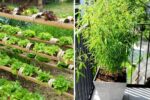
With patience, consistent care, and attention to detail, your home-grown passion fruit can provide a bountiful harvest of juicy, aromatic fruits that are healthier, tastier, and more satisfying than store-bought options. Start today, and experience the joy of growing your own tropical fruits right at home!