Cucumbers are among the most rewarding vegetables you can grow at home. They grow quickly, produce abundantly, and require minimal effort once established. Whether you’re cultivating them in a garden bed, containers, grow bags, or on a balcony, cucumbers thrive with the right care and growing conditions. If you’ve struggled before with bitter fruits, yellowing leaves, low yields, or pest problems, this guide will change the way you grow cucumbers forever.
In this 1200-word article, we’ll explore proven tips for growing cucumbers successfully—from planting and soil preparation to fertilizing, watering, trellising, and harvesting. Follow these steps, and you’ll enjoy crisp, juicy, homegrown cucumbers all season long.
1. Choose the Right Variety for Your Space
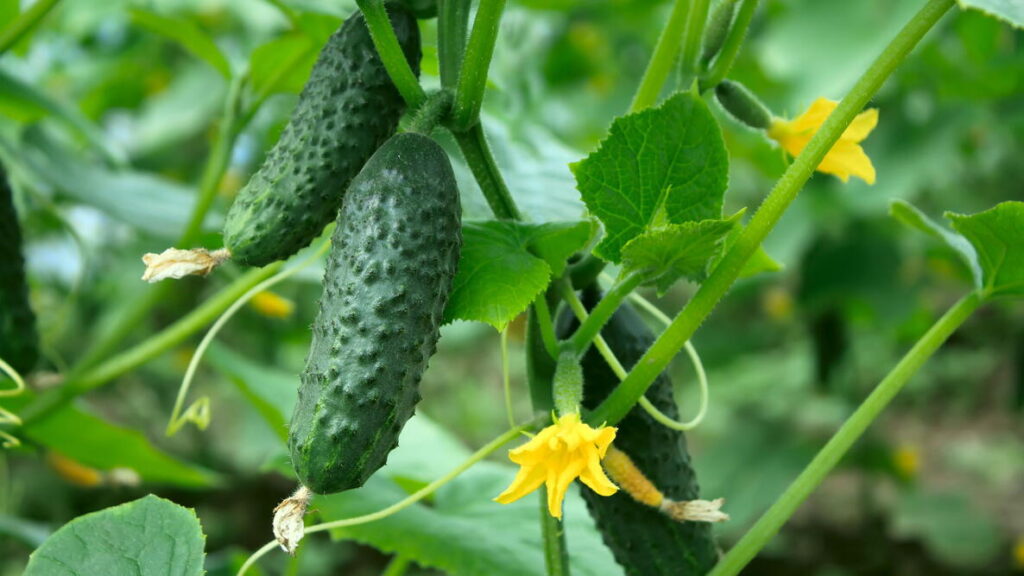
Cucumbers come in several types, and choosing the right one ensures better growth and higher yields.
Common cucumber types:
- Slicing cucumbers – Long, straight, perfect for fresh eating.
- Pickling cucumbers – Shorter, crunchier, ideal for pickles.
- Burpless varieties – Mild flavor, thin skin, easy to digest.
- Mini or bush cucumbers – Perfect for containers and small spaces.
- Vining cucumbers – Produce heavily when grown on a trellis.
If you’re growing in pots or indoors, choose bush or mini varieties. For large gardens, vining types are the best choice.
2. Prepare Nutrient-Rich, Well-Draining Soil
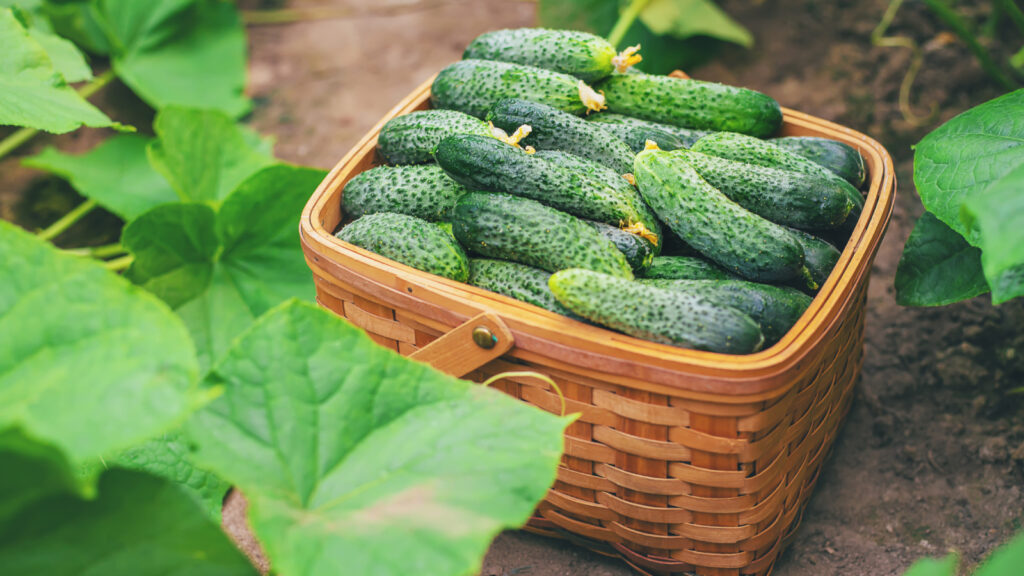
Cucumbers are heavy feeders and grow best in fertile soil.
Ideal soil conditions:
- Loose, well-drained soil
- Rich in organic matter
- Slightly acidic to neutral pH (6.0–7.0)
Mix for garden beds:
- 50% garden soil
- 30% compost
- 20% coco peat or sand
Mix for containers:
- 40% compost
- 40% coco peat
- 20% perlite or sand
Good soil helps prevent root rot, supports strong roots, and boosts fruit production.

3. Plant Cucumbers at the Right Time
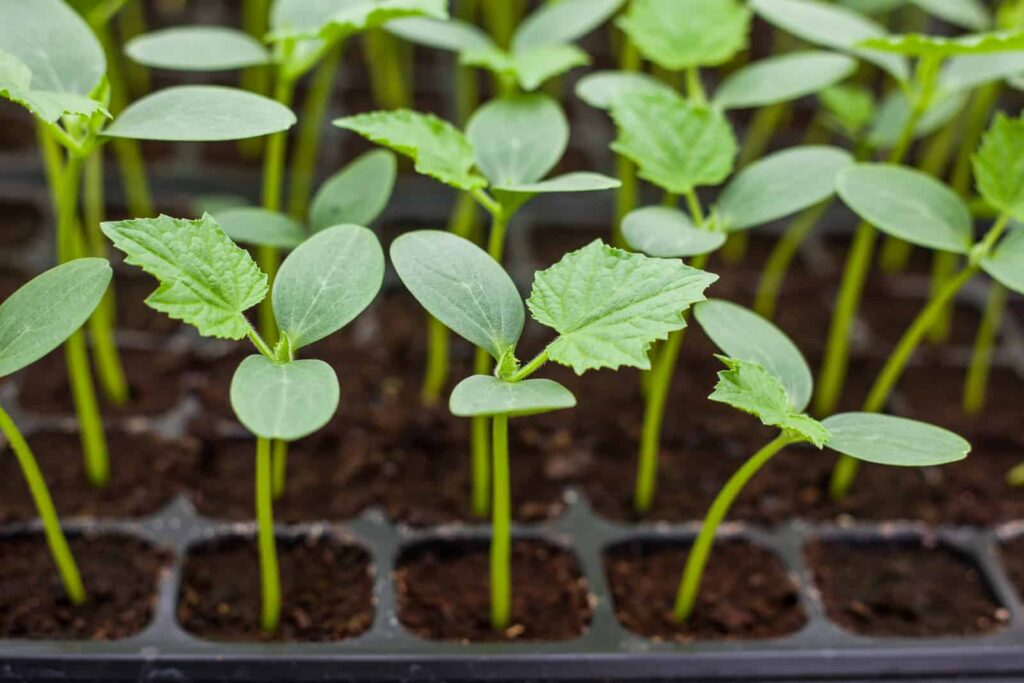
Cucumbers love warm weather. Plant them when daytime temperatures are between 22–30°C (72–86°F).
Tips:
- Don’t plant too early in cold soil.
- Start seeds indoors 2–3 weeks before the growing season.
- Transplant when seedlings have 2–3 true leaves.
Cold temperatures stunt growth and delay flowering, so timing is essential.
4. Give Cucumbers Plenty of Sunlight
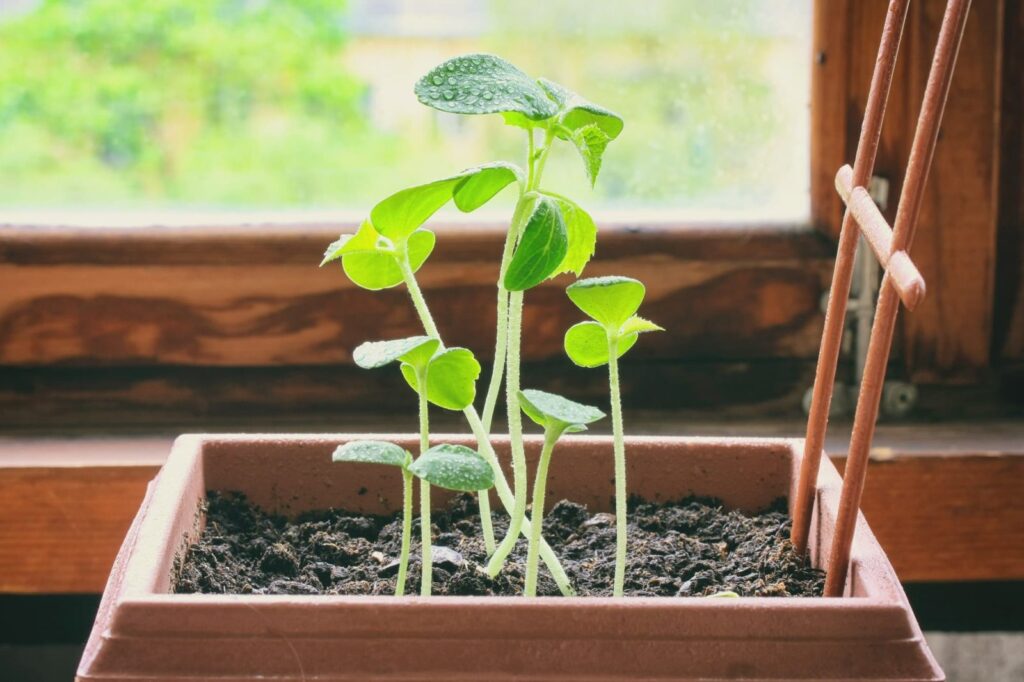
Cucumbers need 6–8 hours of direct sunlight daily.
Without enough sun:
- Plants grow weak
- Leaves yellow
- Few flowers form
- Fruits stay small or bitter
Place pots where they get maximum sunlight or choose a bright spot in your garden.
5. Water Deeply and Consistently
Cucumbers are 95% water, so proper watering is key to crisp and juicy fruits.
Watering guidelines:
- Water deeply 3–4 times weekly in hot months.
- Keep the soil consistently moist but not soggy.
- Avoid splashing water on leaves to reduce fungal risk.
- Mulch with dry leaves or straw to retain moisture.
Irregular watering = bitter cucumbers.
A steady supply of water prevents bitterness and improves fruit quality.
6. Feed Your Cucumber Plants Regularly
Cucumbers require nutrients throughout their growing cycle.
Fertilizer schedule:
Before planting:
- Add plenty of compost or well-rotted manure.
During growth:
- Every 15 days, apply a balanced fertilizer like 10-10-10 or 5-5-5.
- Organic alternatives:
- Compost tea
- Seaweed extract
- Cow dung tea
- Vermicompost
During flowering + fruiting:
Switch to high potassium fertilizers to increase fruit size:
- Wood ash
- Banana peel fertilizer
- Fish emulsion
- 0-0-50 (if using chemical fertilizers)
Potassium improves fruit quality and boosts yield.
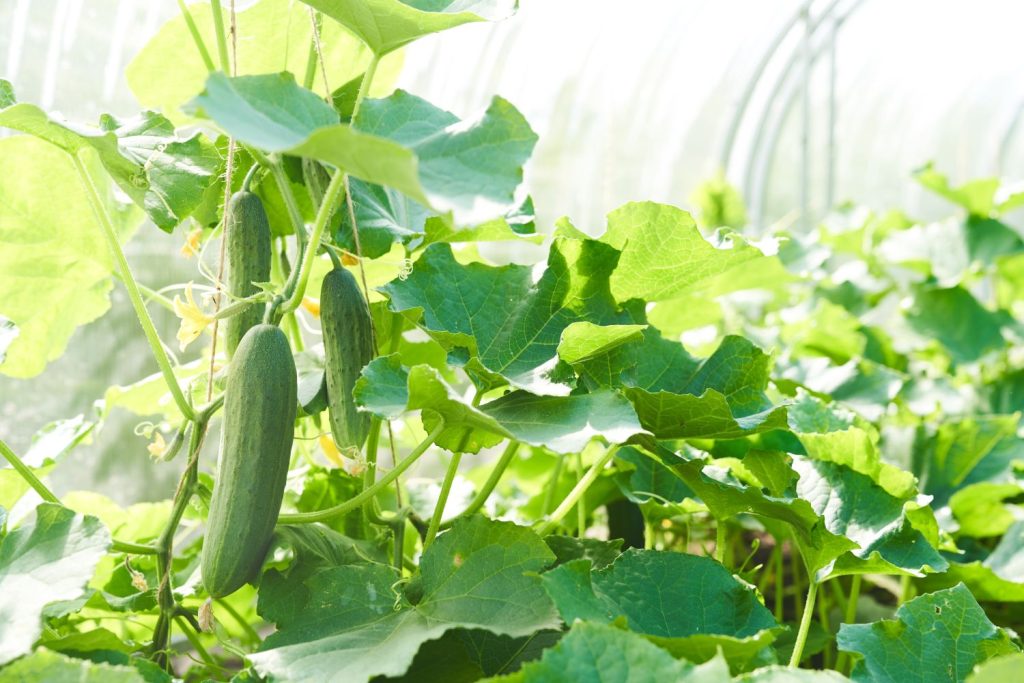
7. Use a Trellis for Healthier, Higher-Yield Cucumbers
Growing cucumbers vertically prevents diseases and increases fruit production.

Benefits of trellising:
- Better airflow
- Less disease
- Cleaner, straight fruits
- Easier harvesting
- Saves space
You can use:
- Bamboo stakes
- String trellis
- Wire mesh
- Wooden frames
Train the vines gently to climb as they grow.
8. Encourage Pollination for More Fruits
Cucumbers produce male and female flowers. For fruits to form, pollen must reach the female flower (the one with a small fruit behind it).
Ways to increase pollination:
- Grow flowers like marigold, sunflower, or basil nearby.
- Avoid spraying pesticides during flowering.
- Hand-pollinate using a small brush if needed.
Poor pollination leads to tiny, deformed fruits that drop off early.
9. Protect Your Cucumbers from Pests and Diseases
Cucumbers are prone to pest attacks, especially in warm and humid climates.
Common pests:
- Aphids
- Whiteflies
- Spider mites
- Cucumber beetles
Organic solutions:
- Neem oil (weekly spray)
- Soap water spray (kills soft-bodied insects)
- Yellow sticky traps
- Garlic-chili spray
Common diseases:
- Powdery mildew
- Downy mildew
- Root rot
Prevention tips:
- Provide good airflow
- Avoid overwatering
- Water the soil, not the leaves
- Remove infected leaves immediately
Healthy plants produce more cucumbers throughout the season.

10. Harvest Cucumbers at the Right Time
Cucumbers grow quickly—sometimes doubling in size in a day!
Harvesting tips:
- Harvest when fruits are firm and bright green.
- Pick every 2–3 days to encourage more production.
- Do not let fruits become too large—they turn bitter.
- Cut with scissors to avoid damaging the vines.
Frequent picking keeps the plant active and productive.
11. Grow Cucumbers in Containers or Small Spaces
Even if you don’t have a garden, cucumbers thrive in pots.
Recommended pot size:
- At least 12–15 inches deep
- 20–30 liters of soil capacity
Tips for container cucumbers:
- Use high-quality potting mix
- Feed more often (nutrients wash out faster)
- Keep the soil moist
- Provide a vertical trellis
Container cucumbers produce just as well as garden cucumbers when cared for properly.
12. Avoid Common Mistakes When Growing Cucumbers
Many gardeners unknowingly make errors that reduce yield.
Avoid these mistakes:
- Planting too close together
- Overwatering or underwatering
- Insufficient sunlight
- Not using a trellis
- Ignoring pests
- Using nitrogen-heavy fertilizer during fruiting
Correcting these mistakes will dramatically improve growth and harvest.

13. Companion Plants That Help Cucumbers Grow Better
Growing the right plants nearby boosts cucumber health.
Best companion plants:
- Basil
- Dill
- Marigold
- Sunflowers
- Beans
- Nasturtium
These attract beneficial insects, repel pests, and improve pollination.
Final Thoughts
Growing cucumbers is easy, fun, and extremely rewarding once you understand their needs. With nutrient-rich soil, consistent watering, regular feeding, good sunlight, proper trellising, and pest management, you can enjoy a continuous supply of crisp, juicy cucumbers straight from your garden.
By following these tips, your cucumber vines will grow vigorously, resist pests, and produce more fruits than you ever expected. Whether you’re a beginner or an experienced gardener, the secrets shared here will help you achieve cucumber-growing success season after season.