Growing vegetables doesn’t have to be limited by space. Even if you live in an apartment, have a tiny balcony, or simply want to add charm and productivity to your outdoor area, a hanging vegetable garden is one of the most beautiful, efficient, and creative ways to grow food. This method transforms vertical space into a living pantry and turns simple pots or recycled containers into thriving, productive mini-gardens.
In this article, you’ll discover everything you need to create your own hanging vegetable garden—suitable for beginners and pros alike. From choosing the right containers and vegetables to installation tips, soil mix, watering techniques, and maintenance secrets, this guide will help you design a stunning suspended farm that produces fresh, delicious crops all year long.
🌱 Why Choose a Hanging Vegetable Garden?
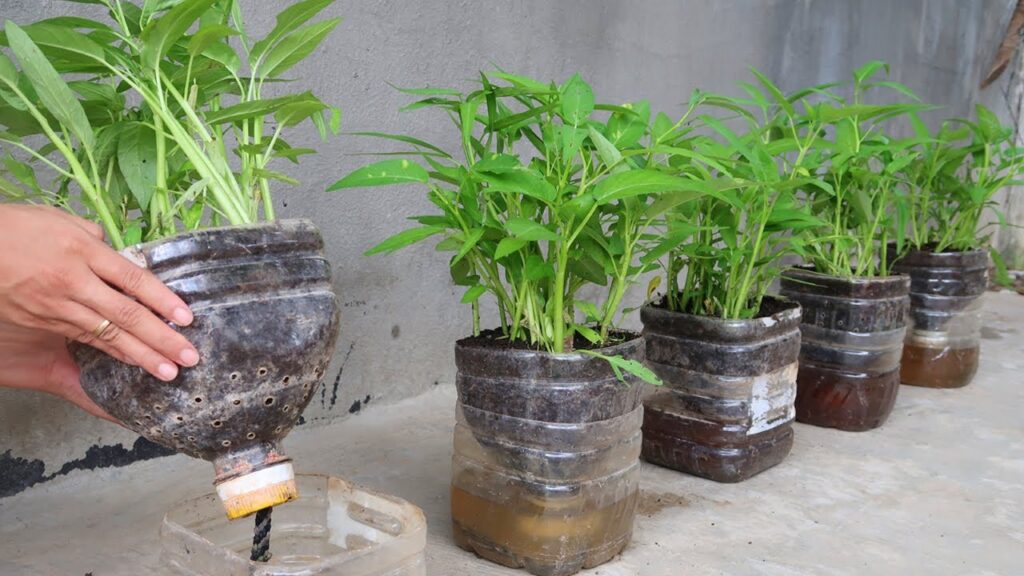
A hanging vegetable garden is more than a space-saving trick—it’s a smart and eco-friendly way to grow food. Its benefits include:
✔ Perfect for small spaces
Balconies, terraces, patios, windows, pergolas, balcony railings, and even indoor sunny spots can be used.
✔ Improves air circulation
Plants suspended in the air receive better airflow, reducing fungal problems.
✔ Easy maintenance
Weeding, watering, pruning, and harvesting become easier because the plants are at eye level.
✔ Beautiful decoration
Hanging baskets instantly beautify any area, adding greenery and life.
✔ Keeps pests away
Plants above ground level are less vulnerable to crawling insects and soil-borne issues.
🪴 Best Vegetables for a Hanging Garden
Not every plant performs well in hanging containers. Choose compact, lightweight, high-yield varieties:
🍅 Cherry Tomatoes
- Ideal for cascading growth.
- Needs strong support.
- Produces heavily in small spaces.
🫑 Mini Peppers
- Thrives in containers.
- Compact and decorative.
🥒 Mini Cucumbers
- Trailing vines can hang beautifully.
- Choose dwarf or patio varieties.
🌶 Chili Peppers
- Low maintenance and continuous producers.
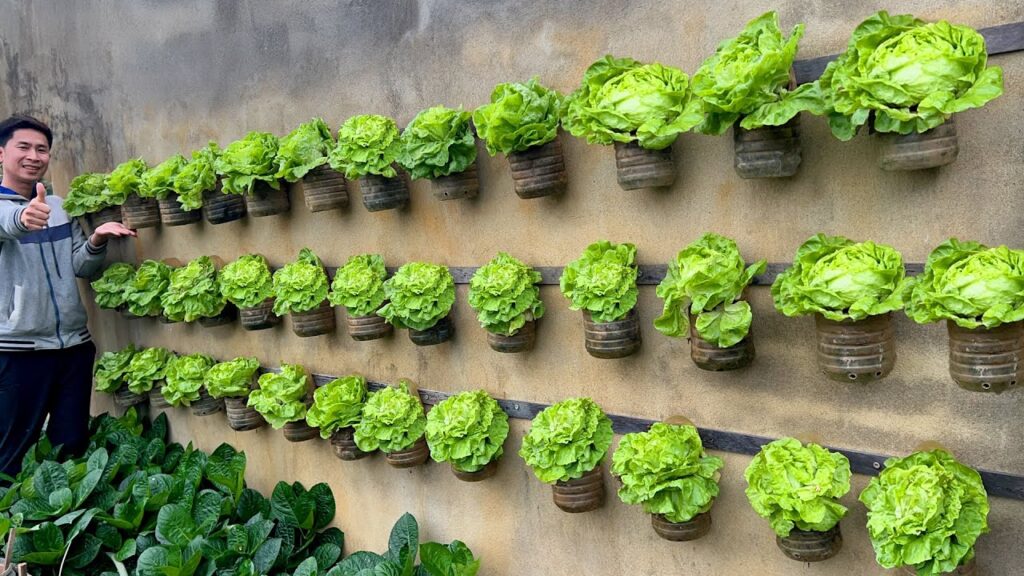
🥬 Leafy Greens
- Lettuce
- Spinach
- Arugula
- Pak choi
Perfect for shallow containers and quick harvests.
🌿 Herbs
- Coriander
- Mint
- Basil
- Oregano
- Thyme
These herbs love containers and grow vigorously.
🍓 Strawberries
- One of the best hanging crops.
- They cascade beautifully and stay clean.
🧺 Choosing the Best Containers
You can use many types of hanging containers:
1. Traditional Hanging Baskets
- Lightweight and attractive
- Great for flowers, tomatoes, strawberries, and herbs
2. Vertical Hanging Bags
- With multiple pockets
- Perfect for leafy greens and herbs
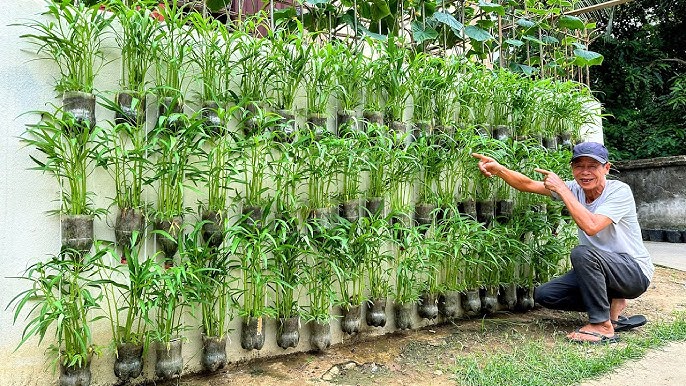
3. Recycled Bottles or Jars
- Eco-friendly
- Easy to assemble
- Ideal for herbs
4. Wall-mounted Pots
- Great for balconies and terraces
5. Coconut Coir Baskets
- Excellent drainage
- Aesthetic and natural
Important Container Features
- Must have drainage holes
- Should be lightweight
- Large enough to hold soil for root growth
🌿 The Perfect Soil Mix for Hanging Gardens
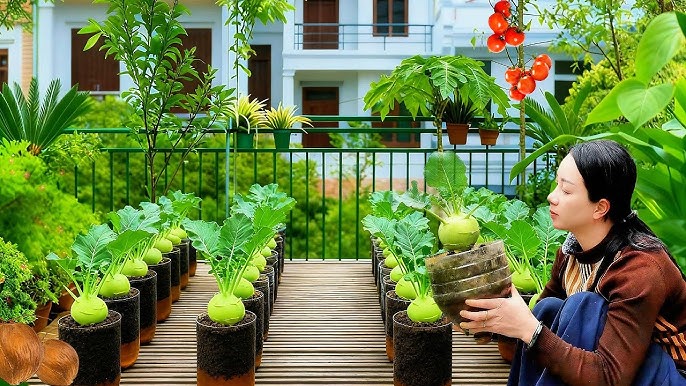
Hanging planters need lightweight, fertile, and well-draining soil.
Recommended Mix:
- 50% high-quality potting soil
- 30% compost
- 20% perlite or cocopeat
Add a handful of slow-release organic fertilizer for long-lasting nutrients.
Why this mix?
- Prevents waterlogging
- Keeps planters light
- Provides solid nutrition
- Promotes strong root growth
💧 Watering Tips for Hanging Vegetable Gardens
Watering is one of the most crucial steps.
How to Water Properly
- Water slowly until it drains from the bottom.
- Check moisture daily—hanging pots dry faster.
- Use mulch (coco chips, straw, or dried leaves).
Pro Tip:
If using plastic bottles or vertical bags, install a drip irrigation line or a DIY water reservoir using cotton wicks.
☀️ Sunlight Requirements
Most vegetables need 5–7 hours of sunlight.
Place your hanging garden where it receives:
- Morning sunlight
- Light afternoon shade to prevent overheating
Herbs and leafy greens can handle partial shade.
🌱 How to Set Up Your Hanging Vegetable Garden
Follow this simple step-by-step plan:
1. Choose Your Location
Select a place with good sunlight and airflow:
- Balcony rail
- Wall hooks
- Pergola
- Fence
- Ceiling beams
2. Install Hooks or Brackets
Use:
- Metal hooks
- Ceiling screws
- Balcony railing clamps
Ensure they can handle the weight of wet soil.
3. Prepare Your Containers
- Drill extra drainage holes
- Add a light layer of gravel or coconut husk
- Fill with soil mix
4. Plant the Right Crops
- Tomatoes → center of the pot
- Strawberries → edges to cascade
- Leafy greens → spaced evenly
- Herbs → separate pots
5. Add Mulch
Reduces evaporation and keeps roots cool.
6. Water Thoroughly
Ensure water drains freely.
7. Fertilize Every 15 Days
Use:
- Diluted compost tea
- Liquid seaweed
- Fish emulsion
- Banana peel fertilizer
Plants in hanging pots need more nutrition because soil nutrients wash out faster.
🌼 Maintenance Tips for a Thriving Hanging Garden
✔ Prune regularly
Remove dead leaves, trim herbs, and train vines.
✔ Rotate pots
Turn them weekly so all sides receive sunlight.
✔ Inspect for pests
Look under leaves. Hanging pots reduce pests but don’t eliminate them.
✔ Replace topsoil
Every 2 months, refresh 2–3 cm of soil with compost.
✔ Support heavy plants
Cherry tomatoes or cucumbers may need extra ties or trellising.
🌞 Seasonal Tips for Maximum Productivity
Summer
- Water early morning and evening
- Provide shade cloth if needed
- Grow heat-loving crops (tomatoes, chilies, herbs)
Rainy Season
- Ensure excellent drainage
- Avoid overwatering
- Protect delicate plants from heavy rain
Winter
- Grow leafy greens
- Place pots in the sunniest area
- Use compost for slow, steady nutrition
🌿 Creative Hanging Garden Ideas
🌟 1. Bottle Tower
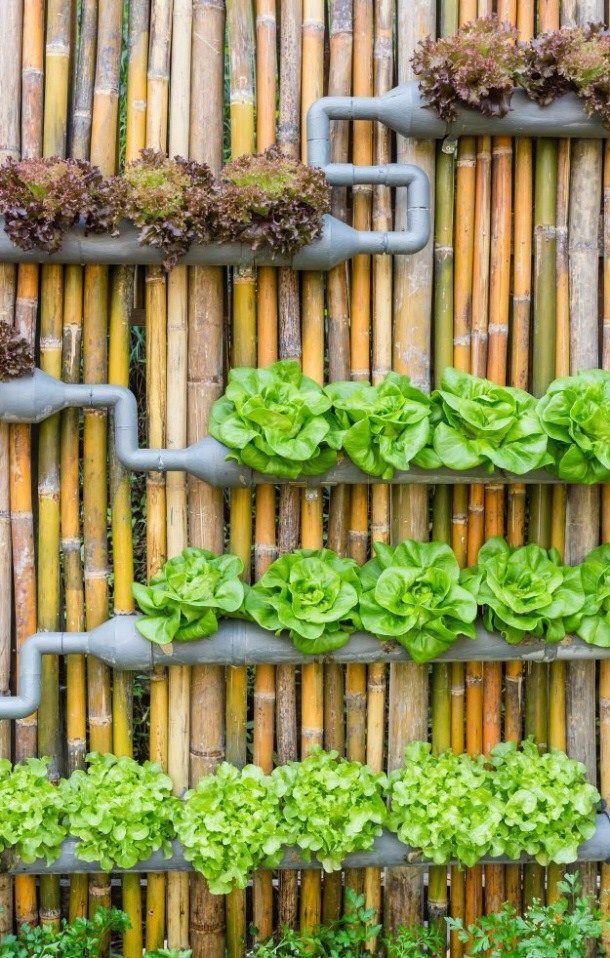
Stack plastic bottles with rope—perfect for herbs and lettuce.
🌟 2. Vertical Pallet Garden
Attach pots to wooden pallets for a rustic look.
🌟 3. Rain Gutter Planters
Lightweight and great for long rows of greens.
🌟 4. Hanging Ladder Garden
Hang pots from an old ladder for a stunning display.
🌟 5. Macramé Plant Hangers
Stylish and ideal for herbs and compact plants.
🌱 Final Thoughts: Grow More, Use Less Space
A hanging vegetable garden is not just a gardening project—it’s a lifestyle upgrade. It helps you grow your own food, save space, beautify your home, and enjoy nature wherever you live.
Whether you’re aiming to harvest juicy tomatoes, crisp lettuce, fragrant herbs, or sweet strawberries, a hanging garden makes everything possible—even in the smallest areas.
Start today with one pot, one hook, and one plant.
Soon, you’ll have a stunning sky garden overflowing with fresh, organic vegetables and herbs.