Peppers are among the most exciting and rewarding plants to grow in any home garden. Whether you prefer sweet bell peppers, spicy chili varieties, or exotic types like jalapeños and habaneros, the dream of every gardener is the same: bigger plants, more flowers, and abundant harvests. But pepper plants can be tricky. They grow slowly at first, need careful feeding, and can easily drop their flowers if stressed.
The good news? With the right techniques, you can double or even triple pepper production, even in small pots or grow bags. This 1200-word guide covers everything you need to know—from soil preparation and pruning to fertilizing, pollination hacks, and climate tricks—to help your pepper plants grow stronger, healthier, and far more productive.
Let’s unlock the secrets to maximum pepper harvests!
🌱 Understanding Pepper Plants: What They Really Need
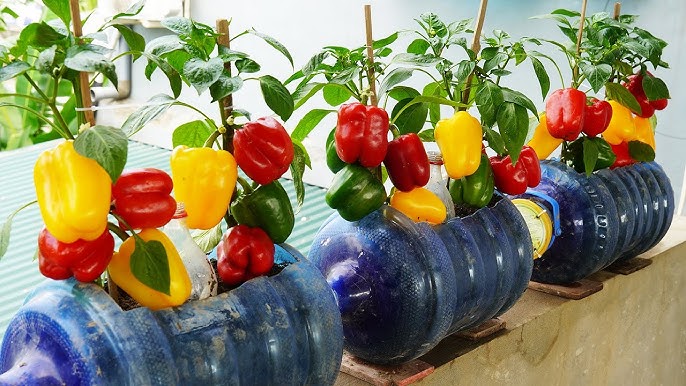
Peppers thrive in warm temperatures, nutrient-rich soil, and stable growing conditions. They are sensitive plants—too much water, too little sunlight, or nutrient imbalance can reduce flower formation and fruit yield. To boost production, you must understand what peppers require:
- Warm temperature: 20–32°C
- Full sunlight: At least 6–8 hours
- Light, fertile soil
- Steady moisture (not too much!)
- Good airflow and strong stems
Everything you’ll learn in this guide revolves around these basic needs.
🌞 1. Start with Quality Seedlings
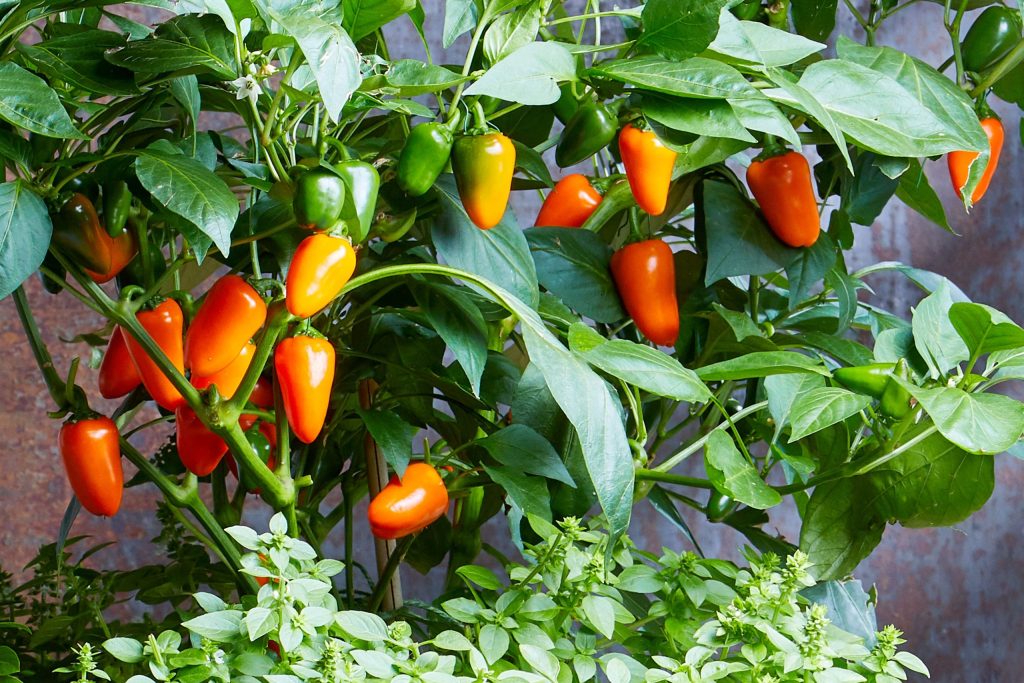
Strong plants produce heavy yields. Whether sowing seeds or buying seedlings, look for:
- Thick, sturdy stems
- Deep green leaves
- No signs of pests
- 6–8 true leaves
Avoid tall and leggy seedlings—they tend to be weak.
For seed starters:
- Use a warm area to germinate seeds
- Provide strong light to prevent stretching
- Transplant only after the seedling is well-rooted
Healthy beginnings = healthy harvests.
🪴 2. Prepare Rich and Loose Soil
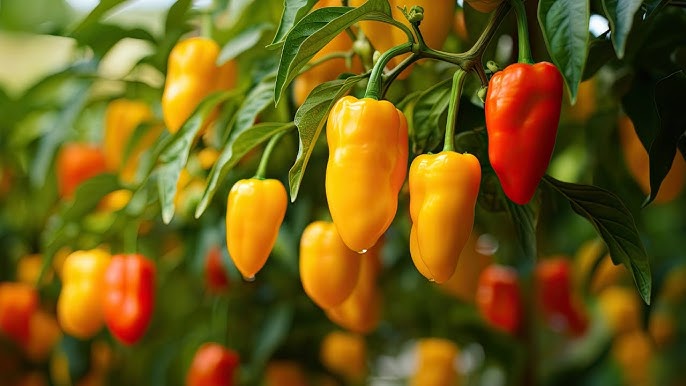
Peppers LOVE fertile soil. A well-prepared soil mix is the foundation for higher production.
Best soil mix for pepper plants:
- 40% garden soil
- 30% compost or vermicompost
- 20% coco peat
- 10% sand or perlite for drainage
Add:
- 1 tablespoon neem cake powder (prevents soil pests)
- A handful of bone meal (boosts root development)
Good soil encourages robust roots, leading to more flowers and fruits.
🌞 3. Give Them Full Sunlight
Peppers produce best when exposed to at least 8 hours of direct sunlight.
Not enough sun leads to:
- Slow growth
- Weak stems
- Fewer flowers
- Low fruit setting
If your area lacks sunlight:
- Place plants on south-facing balconies
- Use reflective surfaces like white walls
- Rotate pots every 3–4 days
More sunlight = more peppers!
💧 4. Water Wisely to Boost Flowering
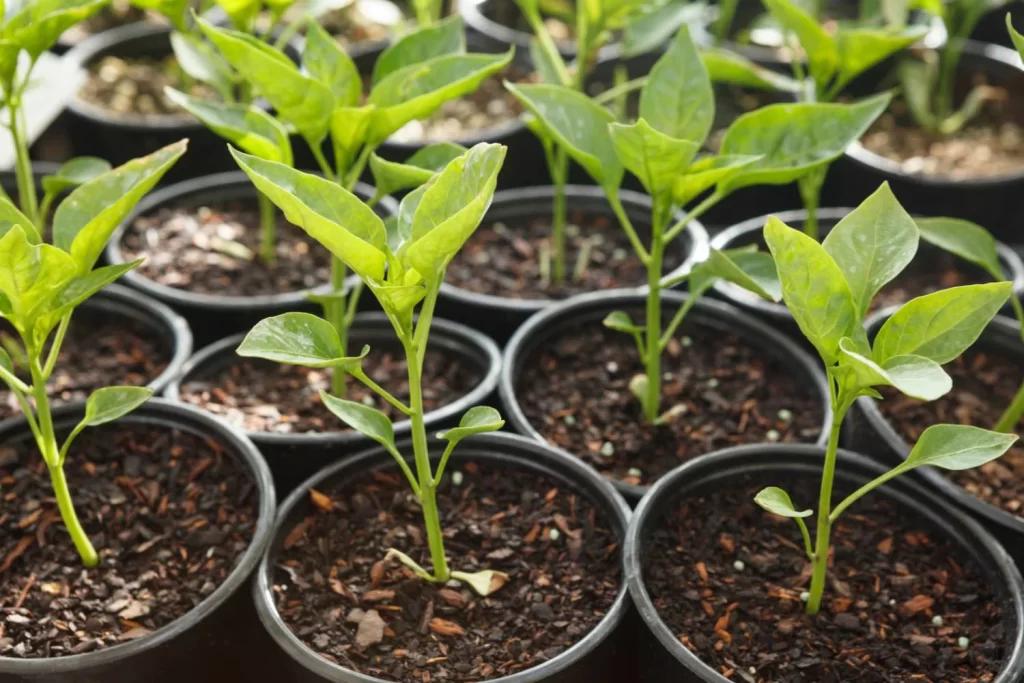
Overwatering is the #1 reason for low pepper production. Peppers like moisture but hate soggy roots.
Follow these watering rules:
- Water only when the top 2–3 cm of soil is dry
- Water deeply to encourage strong roots
- Always water early in the morning
- Avoid wetting the leaves
Tip:
Mulch your plants using dry leaves or straw to reduce water loss and retain soil temperature.
🌱 5. Use Smart Fertilization (The Key to High Yields)
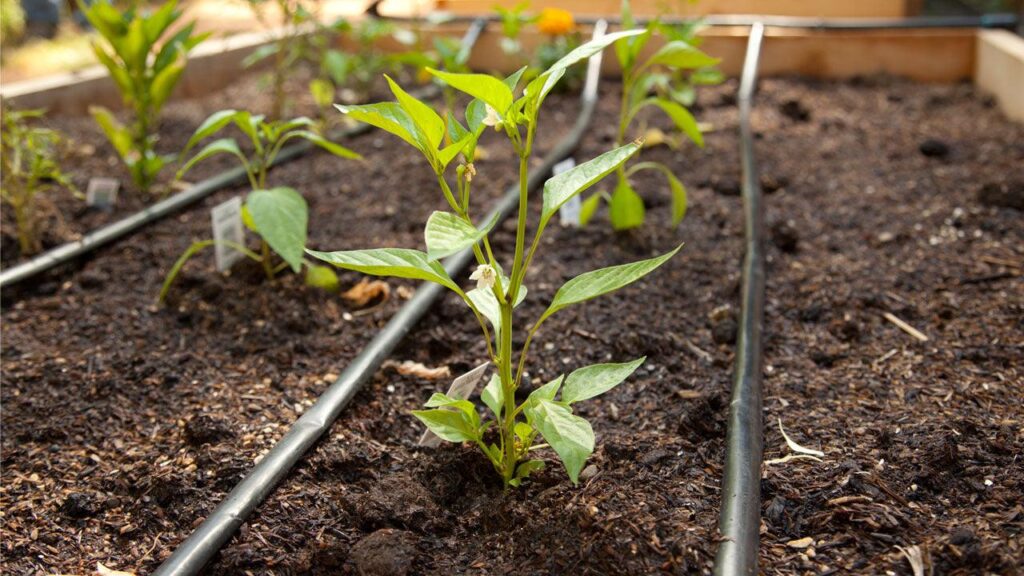
Peppers are heavy feeders. To increase fruiting, they need a balanced supply of nutrients.
Best fertilization schedule:
Week 1–3 (Growth stage)
Use nitrogen-rich fertilizers:
- Compost
- Cow dung manure
- Seaweed extract
Week 4 onwards (Flowering and fruiting stage)
Shift to potassium and phosphorus:
- Banana peel fertilizer
- Wood ash (potassium)
- Bone meal (phosphorus)
- Epsom salt (magnesium)
Fertilizer tips:
- Feed plants every 15 days
- Don’t overuse nitrogen—too much creates lush leaves but no fruits
- Use liquid fertilizers for faster uptake
Balanced nutrition = explosive fruiting.
🌿 6. Pruning Techniques to Increase Production
Pruning helps pepper plants grow a stronger structure and produce more branches—which means more flowering points.
Essential pruning tips:
1. Pinch the first flower
This encourages the plant to grow bushier before fruiting.
2. Remove lower leaves
Leaves touching the soil attract pests and fungus.
3. Trim weak inward branches
Improve airflow
4. Encourage branching
Pinch growing tips when the plant reaches 20–30 cm tall.
More branches = more flowers = more peppers.
🌼 7. Improve Pollination for Higher Fruit Set
Peppers self-pollinate, but sometimes pollen doesn’t transfer well—especially in humid or windless conditions.
Boost pollination with these simple tricks:
✔ Gently shake the plant
Do this during the morning, when flowers are fresh.
✔ Tap the main stem
Helps pollen fall onto the stigma.
✔ Use a soft brush
Transfer pollen manually for excellent fruit set.
✔ Grow pollinator-attracting plants
Marigolds, basil, mint—these attract bees and improve pollination naturally.
Better pollination dramatically increases production.
🏗 8. Provide Proper Support and Air Circulation
Healthy airflow prevents fungal diseases and strengthens branches.
Use:
- Sticks
- Cages
- Trellises
Good support ensures:
- Plants don’t fall over
- Fruits develop evenly
- Better airflow around the leaves
Tall plants especially benefit from staking.
🦗 9. Protect from Pests Naturally
Peppers attract:

- Aphids
- Whiteflies
- Leaf miners
- Thrips
These pests decrease production by damaging leaves and flowers.
Natural solutions:
- Spray neem oil every 7–10 days
- Use garlic or chili spray
- Place yellow sticky traps
- Remove affected leaves promptly
Healthy leaves = better photosynthesis = more pepper yield.
🌡 10. Maintain Optimal Temperature
Peppers grow best between 20–32°C. Temperature stress causes:
- Flower drop
- Small fruits
- Slow growth
Keep plants warm by:
- Placing them against sun-facing walls
- Using black pots
- Adding mulch to retain heat
Avoid exposure to cold winds.
🌱 11. Space Plants Properly
Crowded plants compete for:
- Light
- Nutrients
- Air
This reduces flowering and fruit development.
Ideal spacing:
- 30–40 cm between plants
- 45–60 cm between rows
More space = healthier plants = higher yield.
🍅 12. Harvest Regularly to Encourage More Production
Peppers grow continuously. The more you harvest, the more the plant produces.
Pick fruits when:
- They reach mature size
- Skin becomes glossy
- They feel firm
Frequent harvesting stimulates new flower growth.
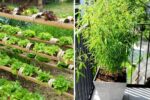
🌿 13. Grow Peppers in Rotation
Avoid planting peppers in the same soil year after year. Rotate with:
- Beans
- Spinach
- Lettuce
This prevents soil diseases and improves productivity.
🌶️ Final Thoughts
Increasing pepper production is not difficult—it simply requires attention to the right details. When you give your pepper plants sunlight, good soil, balanced nutrients, proper pruning, and adequate pollination, they will reward you with continuous, abundant harvests all season long.
Whether you grow peppers in pots, grow bags, or garden beds, these proven techniques will help you enjoy bigger, healthier plants bursting with vibrant, flavorful peppers.