Gardening is no longer limited to wide open spaces, large backyards, or countryside homes. Today, even the smallest balcony or narrowest wall can be transformed into a beautiful, productive oasis—thanks to vertical gardening. This modern, space-efficient gardening method is quickly becoming a favorite among urban growers, eco-lovers, and anyone who dreams of fresh herbs, vegetables, and greenery right at home.
Vertical gardens are not just visually stunning—they are practical, easy to maintain, and incredibly versatile. Whether you want to grow vegetables, herbs, flowers, or decorative plants, a vertical garden allows you to garden upward instead of outward.
In this 1200-word detailed guide, you’ll learn how to create your own vertical garden from scratch, the best plants to choose, simple and advanced setups, watering techniques, maintenance tips, and the benefits of growing green on your walls.
🌱 What Is a Vertical Garden?
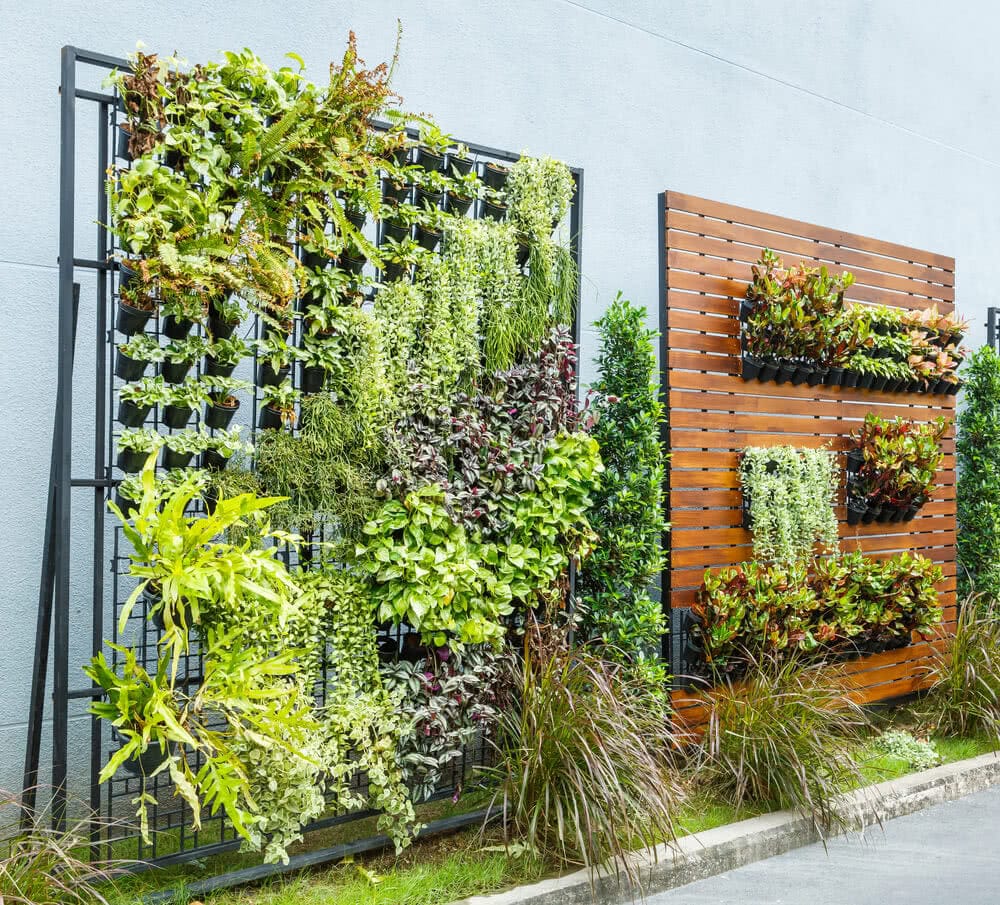
A vertical garden is a system where plants grow upward using structures like walls, frames, shelves, pipes, or hanging containers. Instead of occupying horizontal space on the ground, plants grow vertically, making it ideal for small spaces such as balconies, terraces, patios, and even indoor rooms.
Vertical gardens can be:
- Soil-based
- Hydroponic
- Pocket-based
- Wall-mounted
- Freestanding structures
Whether simple or elaborate, a vertical garden brings life to unused vertical spaces.
🏡 Why Choose a Vertical Garden?
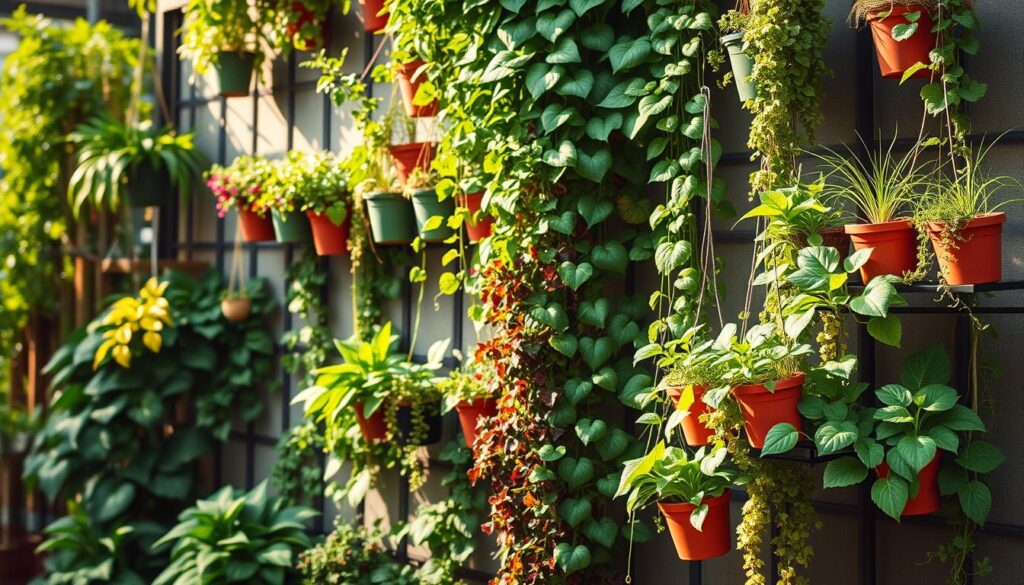
Vertical gardens do more than save space. They transform any area into a green, productive environment with multiple benefits.
1. Perfect for Small Spaces
Even a 2–3 foot wall can hold dozens of plants.
2. Improves Air Quality
Plants absorb pollutants and release fresh oxygen.
3. Maximizes Sunlight Exposure
Placing plants vertically ensures each receives sunlight evenly.
4. Reduces Heat
Vertical walls cool your home naturally by lowering wall surface temperatures.

5. Easy to Maintain
Less bending, less weeding, and simple harvesting.
6. Adds Beauty and Style
Vertical gardens make your home look modern, fresh, and eco-friendly.
7. Boosts Productivity
Grow more crops in less space—great for herbs and vegetables.
🌿 Best Plants for Vertical Gardens
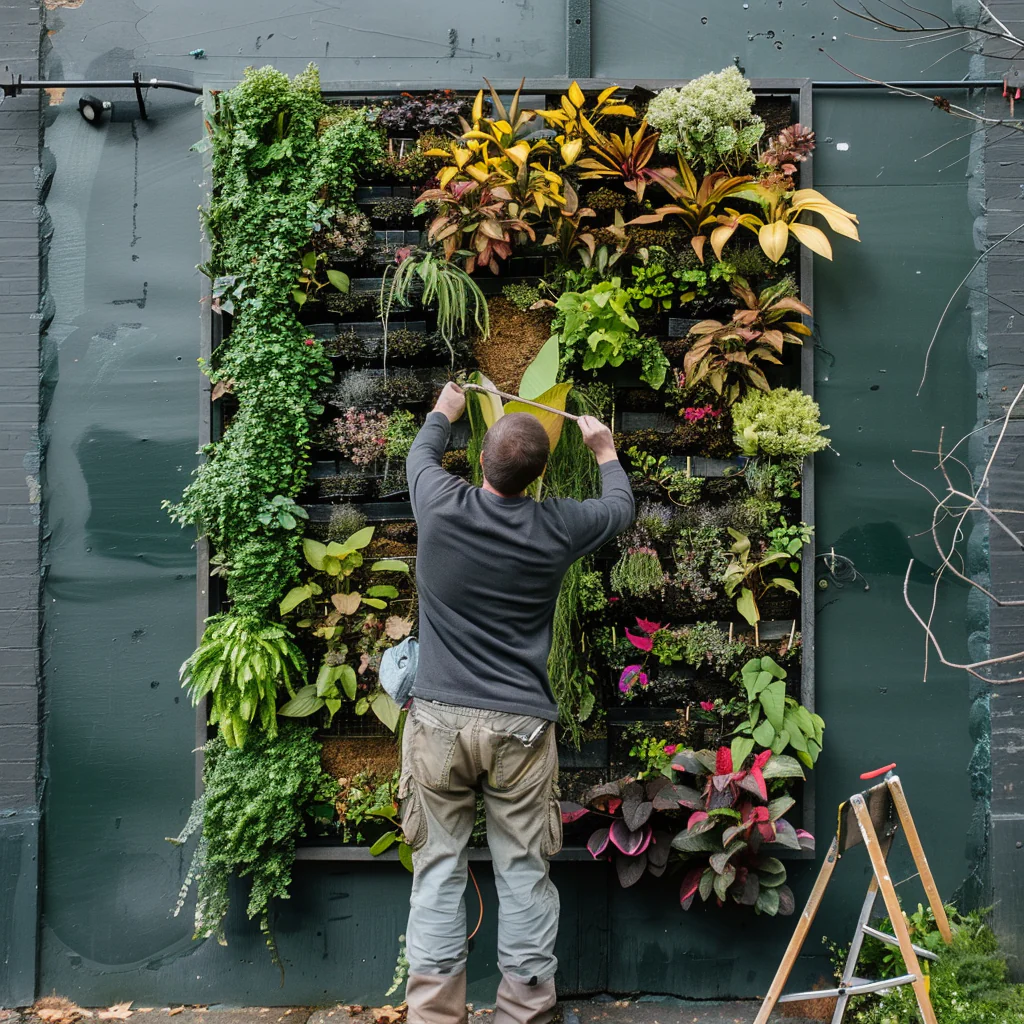
When choosing plants for your vertical garden, consider growth habit, weight, climate, and watering needs.
Herbs
- Basil
- Mint
- Coriander
- Parsley
- Thyme
- Oregano
Vegetables
- Spinach
- Lettuce
- Kale
- Cherry tomatoes
- Peppers
- Cucumbers (with support)
Flowers
- Petunias
- Marigolds
- Pansies
- Begonias
Indoor Plants
- Money plant
- Philodendron
- Spider plant
- Ferns
- Pothos
Choose lightweight, compact plants to keep your garden manageable and healthy.
🛠️ Materials You Need to Start a Vertical Garden
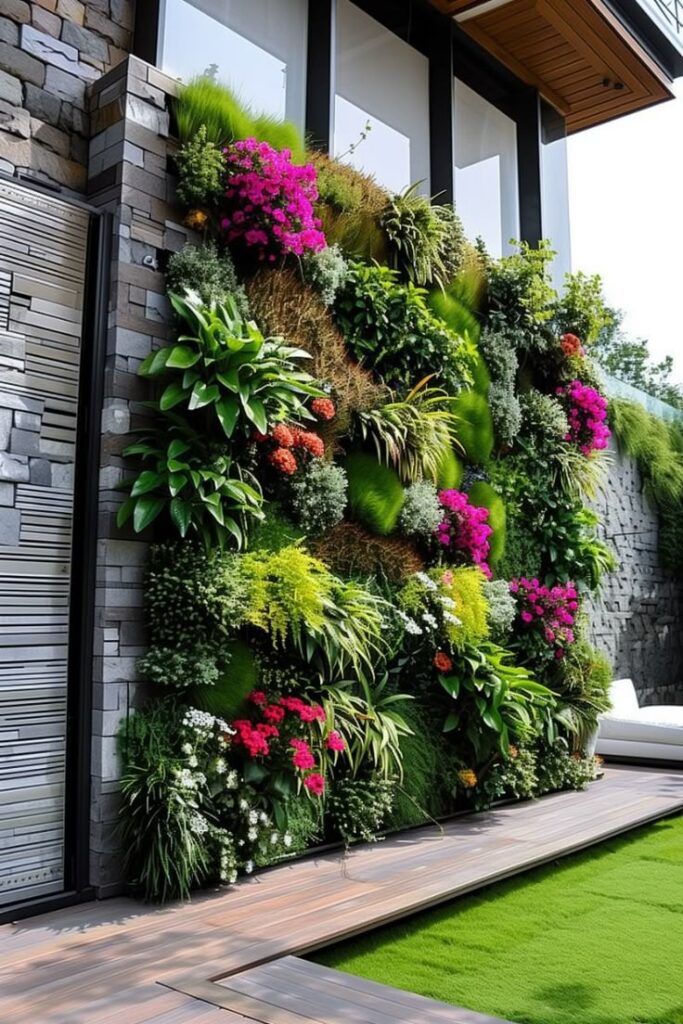
Depending on the style you want, you may use:
- Wall-mounted planters
- Vertical grow bags
- Wooden pallets
- PVC pipes
- Clay pots or plastic pots
- Hanging baskets
- Metal or wooden frames
- Coco-coir or felt pockets
- Drip irrigation kit
- Good quality potting mix
You can also repurpose old items like plastic bottles, shoe organizers, or wooden crates.
🌼 How to Build a Simple Vertical Garden (Step-by-Step)
Let’s walk through creating a beautiful yet practical vertical garden at home.
🌿 Step 1: Choose the Right Location
The success of your vertical garden depends on light availability.
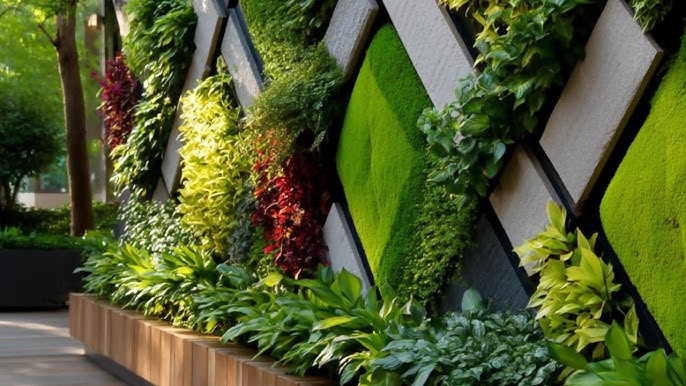
Ideal spots:
- South-facing wall
- Balcony railing
- Terrace wall
- Near a window with 4–6 hours of sunlight
For shade-loving plants, even indoor walls can work.
🌱 Step 2: Select Your Vertical Structure
Depending on space and budget, choose one:
1. Wall-Mounted Pots
Simple and elegant for small spaces.
2. Vertical Grow Bags
Affordable, lightweight, and perfect for herbs and leafy greens.
3. Pallet Garden
A rustic-looking DIY setup for large plant collections.
4. PVC Pipe Garden
Ideal for hydroponic systems or leafy vegetables.
5. Hanging Planters
Beautiful for flowering plants or cascading vines.
The structure must be strong enough to hold wet soil and plants.
🪴 Step 3: Prepare the Potting Mix
Vertical gardens need light, well-draining soil to avoid waterlogging.
Best potting mix:
- 40% coco peat
- 30% compost
- 20% garden soil
- 10% perlite or sand
Add neem cake powder to prevent pests.
🌱 Step 4: Plant Your Crops Strategically
Plant arrangement affects productivity.
Heavy plants on the bottom:
Tomatoes, peppers, cucumbers.

Medium plants in the middle:
Spinach, lettuce, tulsi.
Light or hanging plants at the top:
Mint, thyme, money plant.
This balances weight and ensures even sunlight exposure.
💧 Step 5: Set Up an Efficient Watering System
Proper watering is crucial for vertical gardens because soil dries faster.
Watering Options:
1. Manual Watering
Use a small watering can with a narrow spout.
2. Drip Irrigation
Best for larger vertical gardens; saves time and water.
3. Self-watering Systems
Great for busy gardeners.
Tip: Always water from the top and let gravity help distribute moisture downward.
🍃 Step 6: Provide Fertilizer Regularly
Vertical gardens use smaller soil volumes; nutrients run out quickly.
Feed plants every 15 days with:
- Liquid compost tea
- Seaweed extract
- Banana peel fertilizer
- Vermicompost
Boost flowering plants with mild NPK or organic alternatives like bone meal.

🌿 Maintenance Tips for a Healthy Vertical Garden
Vertical gardens are easy to maintain if you follow simple routines.
1. Trim Regularly
Keeps plants compact and healthy.
2. Check for Pests
Use neem oil spray weekly as prevention.
3. Rotate Pots
If some plants receive less sun.
4. Replace Weak Soil
Top-dress with compost every month.
5. Watch for Overwatering
Leaves turning yellow means too much water.
6. Ensure Proper Drainage
Never allow water to collect at the bottom pockets.
🌸 Creative Vertical Garden Ideas
Enhance the beauty and functionality of your vertical garden with these artistic ideas:
🌿 Herb Wall
Grow all your culinary herbs in a vertical rack.
🌹 Flowering Tower
Use stacked pots or a tower frame to grow vibrant blooms.
🌱 Vertical Vegetable Farm
Grow leafy greens, cherry tomatoes, and peppers in pockets.
🪴 Indoor Green Wall
Use moss panels, ferns, and pothos to create a natural wall inside your home.
🌼 Recycled Bottle Garden
Eco-friendly, budget-friendly, and surprisingly attractive.
🌿 Benefits of Vertical Gardening You’ll Love
🌱 Save space
Grow 20–50 plants along a single wall.
🌤 Improve mental health
Green walls bring calmness and reduce stress.
🌺 Enhance home aesthetics
Makes any space look beautiful and modern.
🍅 Grow your own food
Fresh herbs and vegetables are always within reach.
🌍 Eco-friendly
Reduces heat, improves oxygen, and supports biodiversity.
🌞 Final Thoughts
A vertical garden is more than a growing system—it’s an artistic expression of nature, a sustainable solution for small spaces, and a joyful, calming addition to your home. Whether you’re a beginner or an experienced gardener, creating a vertical garden opens a whole new world of beauty, productivity, and creativity.
With just a wall, a few pots, and strategic planting, you can transform any corner into a living masterpiece. Follow the steps and tips in this guide, and your vertical garden will thrive with vibrant colors, fresh aromas, and delicious homegrown crops.