There’s something timeless about the humble potato. Whether mashed with butter, roasted until crisp, or baked into a golden casserole, potatoes are the very essence of comfort food. They’ve been the heart of family meals for generations—simple, filling, and endlessly versatile. But what if the next time you sit down to a cozy plate of creamy mash or crispy fries, the potatoes on your plate came from your very own garden?
Growing potatoes at home is one of the most rewarding and surprisingly simple gardening projects you can take on. With just a bit of soil, sunlight, and patience, you can produce a hearty harvest that not only tastes better than store-bought but connects you to the food on your table in a deeply satisfying way.
This comprehensive guide will take you from planting to plating, helping you grow your own potatoes for all your favorite classic veggie comfort dishes.
1. Why Potatoes Deserve a Spot in Your Garden
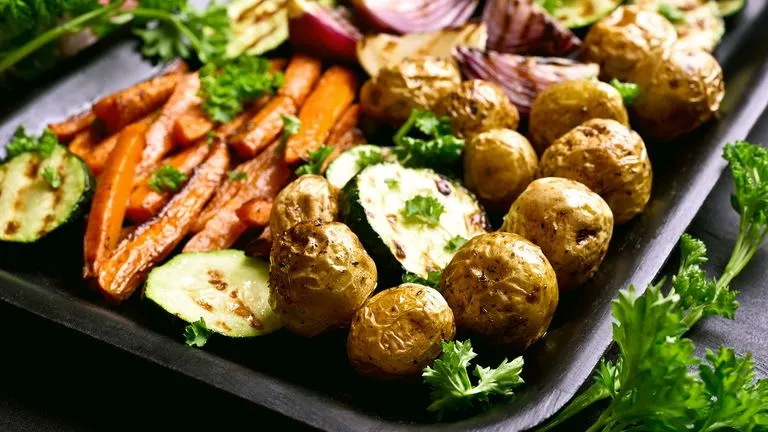
Potatoes aren’t just a pantry staple—they’re a gardener’s dream. They’re hardy, adaptable, and generous. A single seed potato can yield up to 10 times its weight in harvest, and their earthy, rustic flavor makes every dish taste more authentic when grown fresh at home.
Here’s why growing your own is worth it:
- Freshness and Flavor: Store-bought potatoes often lose moisture and sweetness after weeks in storage. Freshly dug potatoes are sweeter, creamier, and more vibrant in texture.
- Self-Sufficiency: Growing your own food gives you independence from rising grocery costs and packaged produce.
- No Chemicals: You control how your potatoes are grown—organic, pesticide-free, and full of natural goodness.
- Sustainability: Home gardening reduces waste, carbon footprint, and food miles.
When you dig up your first batch, still dusted with soil and sun-warmed, you’ll understand why potatoes are one of the most beloved crops in backyard gardening.
2. Picking the Perfect Potato Variety
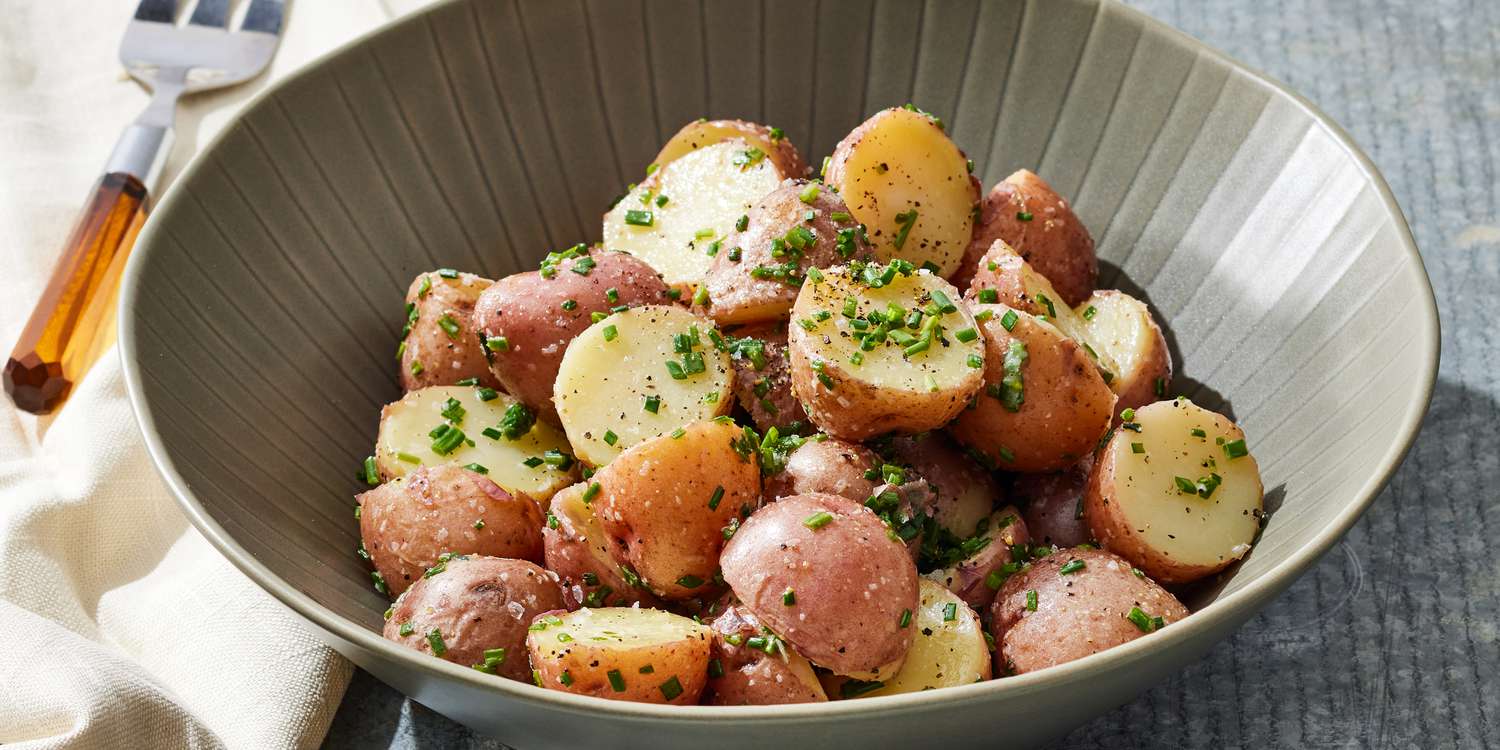
Before you get your hands dirty, you’ll need to choose the right type of potato. There are hundreds of varieties, but they generally fall into three main categories based on texture and use.
1. Waxy Potatoes:
Smooth-skinned with firm flesh, these hold their shape well after cooking—perfect for salads and roasted dishes.
- Best varieties: Red Pontiac, Charlotte, or Yukon Gold.
2. Floury Potatoes:
These are fluffy and ideal for mashing, baking, or making crispy fries.
- Best varieties: Russet Burbank, Maris Piper, King Edward.
3. All-Purpose Potatoes:
A versatile middle ground—good for everything from soups to casseroles.
- Best varieties: Desiree, Kennebec, Norland.
Pro Tip: Always buy certified seed potatoes from a reputable source. Avoid planting grocery store potatoes—they’re often treated to prevent sprouting and can carry diseases.
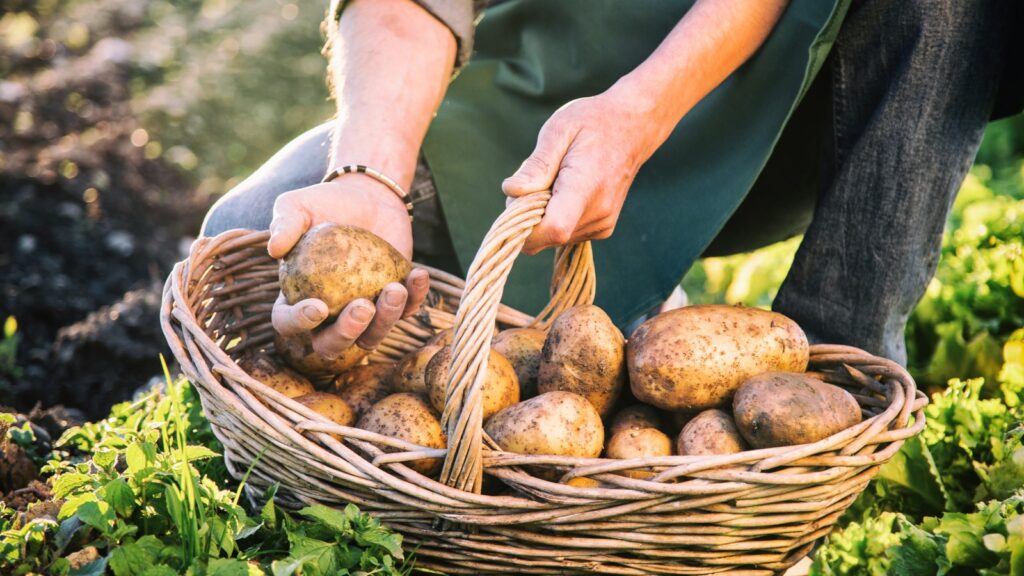
3. Preparing Your Seed Potatoes for Planting
Once you’ve got your seed potatoes, it’s time to “chit” them—an old-fashioned gardening term for pre-sprouting.
How to chit your potatoes:
- Place your seed potatoes in an egg carton or tray with the “eyes” (small dimples) facing upward.
- Set them in a bright, cool area (around 60°F or 15°C).
- After 2–3 weeks, you’ll see small, sturdy sprouts forming.
- When the sprouts are about an inch long, your potatoes are ready to plant.
This step gives your crop an early boost, ensuring faster, healthier growth once they hit the soil.
4. Preparing the Perfect Planting Spot
Potatoes love full sunlight, rich soil, and good drainage. Choose a location that receives at least six hours of sunlight a day.
Soil preparation:
- Loosen the soil to a depth of at least 10 inches.
- Mix in compost or aged manure to enrich nutrients.
- Maintain a slightly acidic pH (between 5.0 and 6.5).
If your soil is clay-heavy or poorly drained, consider using raised beds, containers, or grow bags. Potatoes thrive in loose, well-aerated soil that allows their tubers to expand easily.
5. Planting Your Potatoes: Step-by-Step
In-Ground Method:
- Dig trenches 6–8 inches deep and about 2–3 feet apart.
- Place your seed potatoes (sprouts facing upward) about 12 inches apart.
- Cover them with 4 inches of soil.
- As they grow, hill up the soil around the stems every 2–3 weeks until you’ve built mounds about 8 inches high.
Container or Grow Bag Method:
- Fill the container with 4 inches of compost-rich soil.
- Place 2–3 seed potatoes inside, sprouts up.
- Cover with another 4 inches of soil.
- As the plants grow, keep adding more soil until the bag is nearly full.
Containers are ideal for smaller spaces or balconies and make harvesting incredibly easy—just tip the bag over when it’s time!
6. Watering and Feeding for Healthy Growth
Potatoes are water-lovers, but too much moisture can lead to rot.
Watering tips:
- Keep the soil evenly moist—never dry or waterlogged.
- Water deeply once or twice a week, depending on weather.
- Always water at the base to avoid wetting leaves, which can invite disease.
Feeding:
- Use organic compost, seaweed extract, or potato-specific fertilizer every 3–4 weeks during the growing season.
- Once plants start flowering, reduce feeding to encourage tuber development.
7. “Hilling” — The Secret to Bigger Yields
Hilling is the process of mounding soil around your potato plants as they grow. It’s crucial for healthy tuber development.
Why hilling matters:
- Protects tubers from sunlight (exposure turns them green and bitter).
- Encourages the plant to produce more potatoes along the buried stem.
- Retains moisture and suppresses weeds.
You’ll typically hill your potatoes 2–3 times during the growing season, starting when they reach about 8 inches tall.
8. Managing Pests and Common Diseases
Even the most well-tended potato plants can attract pests or fall prey to disease, but early intervention makes all the difference.
Common potato pests:
- Colorado Potato Beetle: Handpick adults and larvae or use neem oil spray.
- Aphids: Blast them off with water or apply insecticidal soap.
- Wireworms: Practice crop rotation and avoid planting potatoes in the same soil yearly.
Common diseases:
- Blight: Prevent by spacing plants properly and watering at the soil level. Remove affected leaves immediately.
- Scab: Maintain soil acidity and avoid fresh manure before planting.
Rotating your crops and planting disease-resistant varieties will go a long way toward keeping your garden healthy.
9. Harvesting Your Homegrown Potatoes
Harvest time depends on the type of potato you’ve planted.
For New Potatoes:

- Harvest when the plants flower, around 8–10 weeks after planting.
- Gently dig up a few tubers, leaving the rest to mature.
For Maincrop Potatoes:
- Wait 18–20 weeks, until the plant’s foliage starts yellowing and dying back.
- Use a garden fork to gently lift the soil and unearth your crop.
Let the harvested potatoes air-dry for a few hours before storing. Brush off excess soil, but don’t wash them if you plan to store long-term—it shortens shelf life.
10. Storing Your Potatoes Properly
Proper storage is essential for keeping your potatoes fresh and firm.
How to store:
- Cure them in a dark, well-ventilated area for 10–14 days at around 50°F (10°C).
- Move them to a cool, dark, dry space—like a basement or pantry.
- Store in burlap sacks, baskets, or cardboard boxes (never airtight containers).
- Keep away from onions—they release gases that make potatoes spoil faster.
Stored properly, your potatoes can last up to 6 months, ready to become the base for countless cozy meals.
11. From Garden to Kitchen: Cooking Your Harvest
Now comes the best part—turning your homegrown bounty into delicious comfort food. Potatoes are the ultimate blank canvas, ready to be transformed into hearty, soul-warming dishes.
Classic Homemade Potato Comfort Dishes:
- Garlic Mashed Potatoes: Creamy, buttery, and perfect alongside roasted veggies.
- Oven-Roasted Herb Potatoes: Tossed with rosemary, thyme, and olive oil for a crispy, golden finish.
- Potato Soup: A rich, velvety bowl of warmth—ideal for chilly evenings.
- Homemade Fries or Wedges: Crispy on the outside, fluffy inside—no takeout needed.
- Potato Gratin: Layered with cheese and cream for a decadent, melt-in-your-mouth dish.
Each bite becomes more satisfying when you know it came from your own soil—fresh, flavorful, and grown with care.

12. The Reward: A Deeper Connection to Food
Growing potatoes isn’t just about gardening—it’s about cultivating a deeper appreciation for where your food comes from. Watching the plants sprout, flower, and finally reveal their buried treasures connects you to a rhythm as old as farming itself.
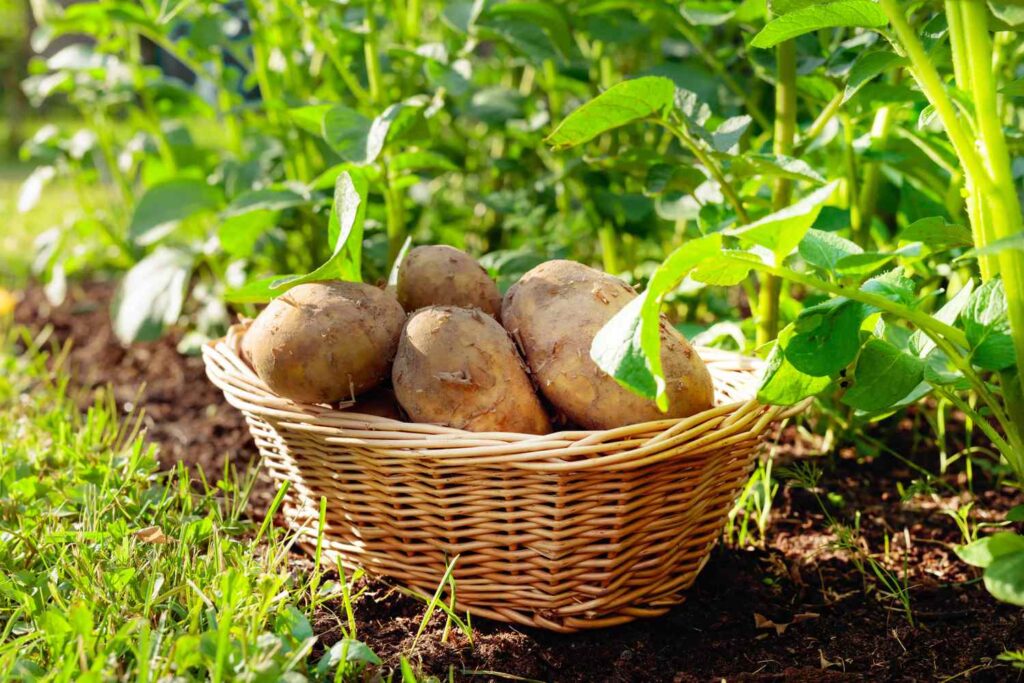
When you sit down to a plate of homegrown mashed potatoes or crispy golden fries, you’re not just eating—you’re enjoying the full cycle of nature’s generosity, from garden to table.
So grab your spade, plant those seed potatoes, and let your backyard be the beginning of your next bowl of pure comfort.
Your hands may get dirty, but your meals will taste richer—and your table, warmer.