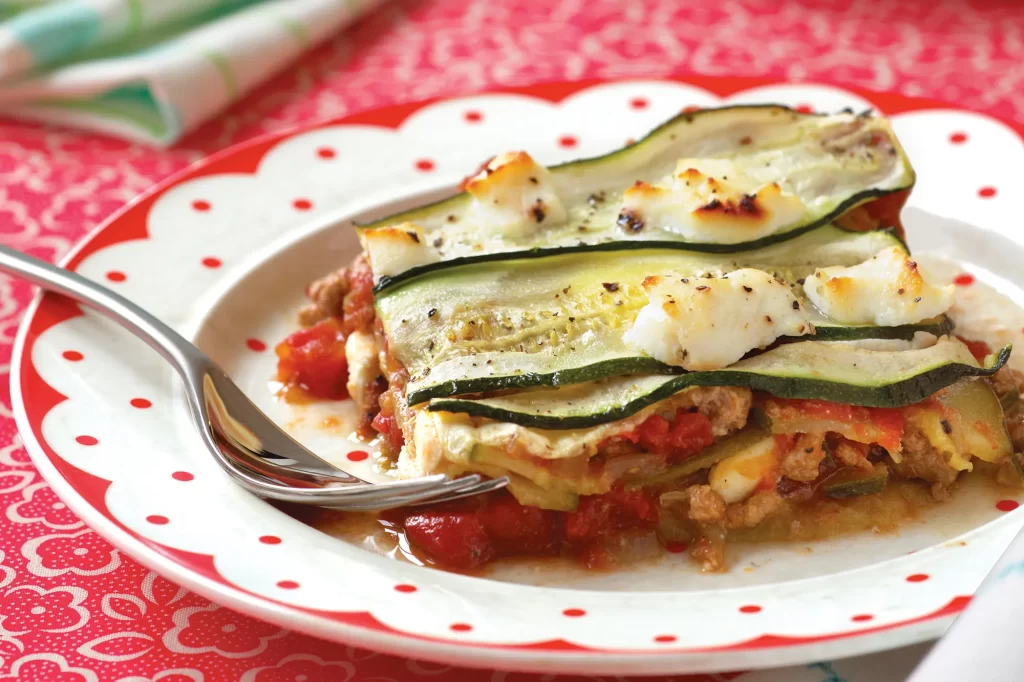
There’s something undeniably comforting about a plate of warm, cheesy lasagna fresh from the oven—but when summer arrives, the traditional version can feel a bit too heavy. Enter the summer veggie lasagna, a lighter, fresher take that’s every bit as satisfying, especially when made with garden-grown zucchini.
Zucchini, with its tender texture and subtle sweetness, makes the perfect foundation for a seasonal lasagna. Whether you’re slicing it into “noodles” or layering it with other garden vegetables, homegrown zucchini adds freshness, nutrition, and vibrant flavor. Growing your own not only enhances taste but also gives you control over your food—from soil to skillet.
In this article, we’ll explore how to grow zucchini for your summer veggie lasagna, from planting and care to harvesting and cooking. By the end, you’ll have all the tools—and inspiration—you need to bring your garden right to your dinner table.
Why Zucchini Deserves a Spot in Your Garden
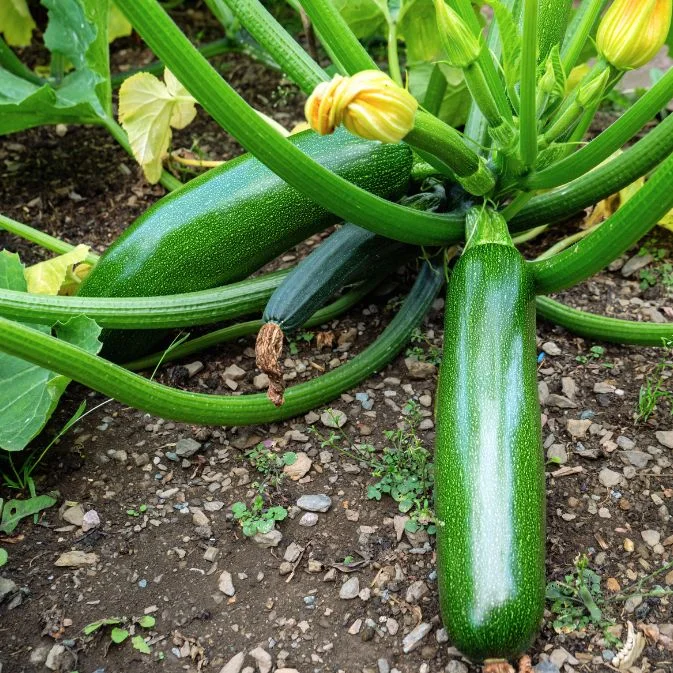
Zucchini is one of the most rewarding vegetables to grow. It matures quickly, produces abundantly, and thrives in the warmth of summer—making it a must-have in every backyard garden.
Here’s why it’s worth growing for your veggie lasagna:
- Flavor and Versatility: Zucchini’s mild taste and tender flesh absorb sauces, herbs, and cheese beautifully. It blends seamlessly into lasagna layers or replaces noodles for a gluten-free twist.
- Nutritional Boost: Zucchini is low in calories but rich in vitamins A, C, and K, plus antioxidants and fiber—perfect for a healthy, light summer meal.
- High Yield: One or two plants can keep your kitchen stocked for weeks, ensuring plenty for lasagna, stir-fries, and salads.
- Low Maintenance: Once established, zucchini practically grows itself with minimal care.
When you grow your own zucchini, you’re rewarded with unmatched freshness—no more limp or watery store-bought squash. Homegrown zucchini stays crisp and flavorful, making it ideal for dishes like summer veggie lasagna.
Choosing the Right Zucchini Variety for Lasagna

While all zucchini varieties can work in lasagna, some perform better when sliced or layered. You’ll want varieties that are tender, flavorful, and uniform in shape for easy slicing.

Here are a few top choices:
1. Black Beauty
- The classic dark-green zucchini with rich flavor and firm texture.
- Excellent for grilling, baking, and layering in lasagna.
2. Cocozelle
- An Italian heirloom with light green stripes and delicate flesh.
- Ideal for traditional veggie lasagna recipes.
3. Golden Zucchini
- Bright yellow skin and slightly sweeter taste.
- Adds a pop of color and a hint of sweetness to your dish.
4. Costata Romanesco
- Ribbed Italian variety with nutty flavor and dense texture.
- Holds up well when sliced thin and layered as lasagna “noodles.”
5. Grey Zucchini (Mexican Grey)
- Compact plant, early producer, and firm flesh that resists becoming mushy when cooked.
Pro Tip: Grow both green and yellow varieties for a colorful, visually stunning lasagna that tastes as good as it looks.
Preparing the Soil: Setting the Foundation for Flavor

Zucchini is a heavy feeder, meaning it loves nutrient-rich soil. The better your soil, the better your harvest—and your lasagna.
Soil Requirements:
- Type: Well-draining loam with plenty of organic matter.
- pH: Slightly acidic to neutral (6.0–7.0).
- Preparation: Work in compost or aged manure two weeks before planting. This boosts soil fertility and improves water retention.
Sunlight:
Zucchini thrives in full sun. Make sure your garden bed receives at least 6–8 hours of direct sunlight daily.
Spacing:
Zucchini plants spread widely. Space them 24–36 inches apart to allow air circulation and prevent fungal diseases.
Planting Zucchini: Seeds or Seedlings
Zucchini can be grown easily from seed or nursery seedlings.
1. Starting from Seeds
- Direct sow seeds outdoors after the last frost when soil temperatures reach 60°F (16°C) or higher.
- Plant 2–3 seeds per hill, about 1 inch deep.
- Once seedlings sprout (in 5–7 days), thin to one strong plant per hill.
2. Starting Indoors
- Start seeds indoors 2–3 weeks before transplanting.
- Use biodegradable pots to minimize root disturbance when moving outdoors.
- Transplant after danger of frost has passed.
Pro Tip: Plant zucchini successively every 3–4 weeks to extend your harvest throughout summer.
Caring for Your Zucchini Plants
Healthy zucchini plants reward you with abundant yields and consistent growth. Here’s how to keep them thriving:
1. Watering
- Water deeply 1–2 times a week.
- Keep soil evenly moist but never soggy.
- Avoid watering the leaves; focus on the base to prevent mildew.
2. Mulching
Add a 2-inch layer of straw or compost around plants. Mulch conserves moisture, keeps weeds down, and regulates soil temperature.
3. Feeding
Zucchini plants love nutrients. Feed them with a balanced fertilizer (10-10-10) every 3–4 weeks or use compost tea for a natural boost.
4. Pollination
Zucchini relies on bees for pollination. Encourage pollinators by planting flowers like marigolds, sunflowers, or basil nearby.
5. Pest Management
Common pests include:
- Squash bugs: Handpick and destroy eggs on the underside of leaves.
- Aphids: Wash off with water or spray neem oil.
- Powdery mildew: Improve airflow and avoid overhead watering.
Regular inspection and organic methods keep your zucchini plants healthy and chemical-free.

Harvesting Zucchini at Its Peak
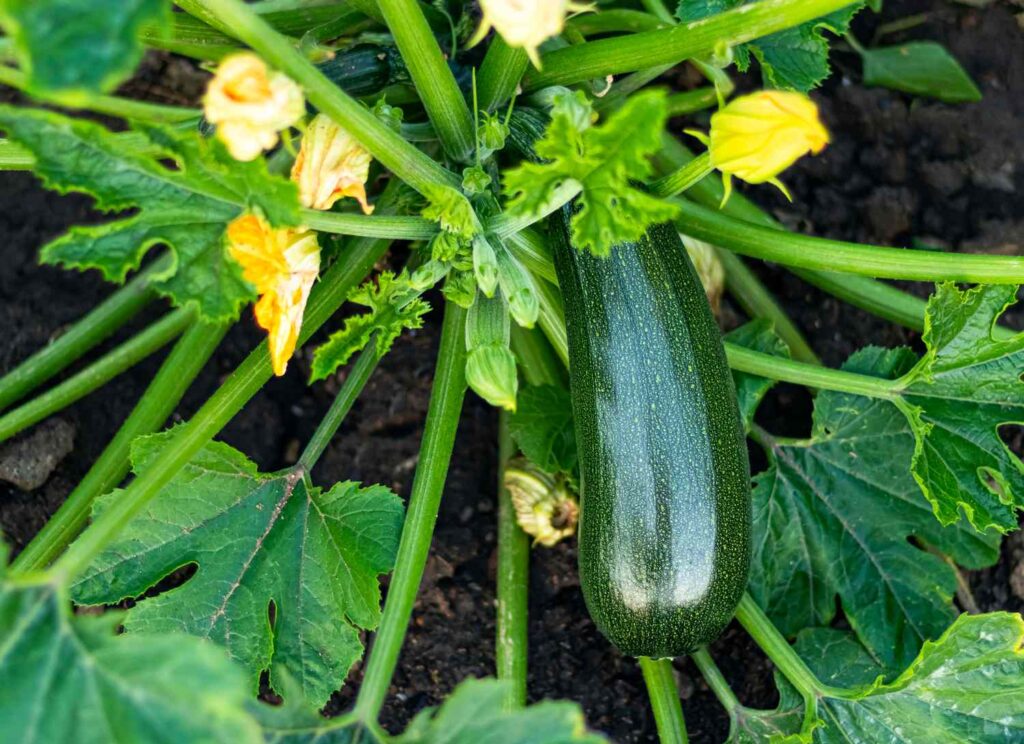
Timing is everything when it comes to zucchini. Pick too late, and the fruits become oversized and seedy.
Ideal Size for Lasagna:
- Harvest when zucchinis are 6–8 inches long and firm.
- Smaller fruits are more tender and have fewer seeds—perfect for thin slices or ribbons.
How to Harvest:
- Use a sharp knife or garden shears to cut the fruit from the vine, leaving a short stem attached.
- Check plants every other day during peak season; they grow fast!
Frequent harvesting encourages more fruit production and keeps your plants healthy.
Storing and Preparing Zucchini for Lasagna
Once harvested, zucchini is best used fresh, but it can be stored for short periods or preserved for later use.
Short-Term Storage:
- Store in a paper bag in the refrigerator crisper drawer for up to a week.
- Avoid plastic bags, which trap moisture and cause spoilage.
Long-Term Storage:

- Freeze: Slice or grate zucchini, blanch briefly, and freeze in portions.
- Dehydrate: Dry slices to use later in soups or sauces.
When prepping zucchini for lasagna, slice it thinly (lengthwise) using a mandoline or sharp knife. For the best texture, lightly salt and let the slices sit for 10–15 minutes, then pat dry to remove excess moisture. This prevents a watery lasagna.
Garden to Kitchen: Making Summer Veggie Lasagna
Now that your garden-grown zucchini is ready, it’s time to create the perfect summer veggie lasagna—a dish that’s fresh, flavorful, and beautifully light.
Ingredients:
- 2 medium zucchinis (thinly sliced lengthwise)
- 1 red bell pepper, chopped
- 1 yellow squash, sliced
- 1 cup spinach or kale, chopped
- 1 onion, diced
- 2 cloves garlic, minced
- 2 cups ricotta or plant-based cheese
- 2 cups marinara sauce (homemade or store-bought)
- 1 cup shredded mozzarella (or vegan mozzarella)
- 1 tablespoon olive oil
- Fresh basil and oregano for garnish
- Salt and pepper to taste
Directions:
- Preheat oven to 375°F (190°C).
- Prepare zucchini noodles: Slice zucchini thinly and pat dry to remove excess moisture.
- Sauté vegetables: In olive oil, cook onions, garlic, and other veggies until soft and fragrant. Season with salt and pepper.
- Assemble:
- Spread a thin layer of marinara sauce on the bottom of a baking dish.
- Add a layer of zucchini slices.
- Spread ricotta cheese evenly.
- Add sautéed vegetables and another layer of sauce.
- Repeat layers until ingredients are used.
- Top with mozzarella cheese.
- Bake for 25–30 minutes until bubbly and golden on top.
- Garnish with fresh basil before serving.
Pro Tip: Let the lasagna rest for 10 minutes after baking to set the layers before slicing.
Sustainability and Garden-to-Table Living
Growing zucchini for your summer veggie lasagna isn’t just about taste—it’s also about sustainability. Home gardening reduces packaging waste, cuts down food miles, and gives you control over what goes into your meals.
You can further your eco-friendly efforts by:
- Composting kitchen scraps to feed next season’s soil.
- Saving zucchini seeds from your healthiest plants.
- Using organic pest control instead of synthetic chemicals.
- Sharing excess produce with friends or neighbors.
Every zucchini you grow contributes to a more sustainable kitchen and a deeper connection to nature.
The Joy of Homegrown Flavor
When you pull that bubbling tray of summer veggie lasagna from the oven, layered with zucchini you grew yourself, the experience is more than culinary—it’s deeply personal. Each bite tells the story of your garden: the sunlight, the soil, the care, and the patience it took to nurture your harvest.

Homegrown zucchini brings out the freshness and authenticity that store-bought produce simply can’t match. It turns an everyday meal into a celebration of the season—vibrant, nourishing, and alive with flavor.
Final Thoughts
Growing zucchini for your summer veggie lasagna is an invitation to blend gardening and cooking into one rewarding experience. From the first sprout to the final bite, you’ll taste the difference that comes from food grown with your own hands.
So, plant those seeds, nurture your plants, and when summer’s bounty arrives, roll up your sleeves and create a lasagna that’s bursting with freshness, color, and garden pride.
Because the best summer lasagna doesn’t start in the kitchen—it starts in your garden. 🌿🍃