There’s something undeniably comforting about a warm, home-cooked dinner — the aroma wafting through the kitchen, the vibrant colors on the plate, and the satisfaction of a nourishing meal shared with loved ones. But when those ingredients come straight from your own garden, the experience transforms into something even more meaningful.
“Homegrown Harvest Recipes for Cozy Veggie Dinners” celebrates the beautiful harmony between gardening and cooking. It’s not just about eating vegetables — it’s about growing them with care, harvesting them at their peak, and transforming them into delicious, soul-warming dishes that make every evening feel like a cozy retreat.
This article explores how to grow the perfect vegetables for comfort-style dinners, offers practical gardening tips, and provides recipe ideas that showcase the flavors of a true homegrown harvest.
1. The Heart of Homegrown Comfort
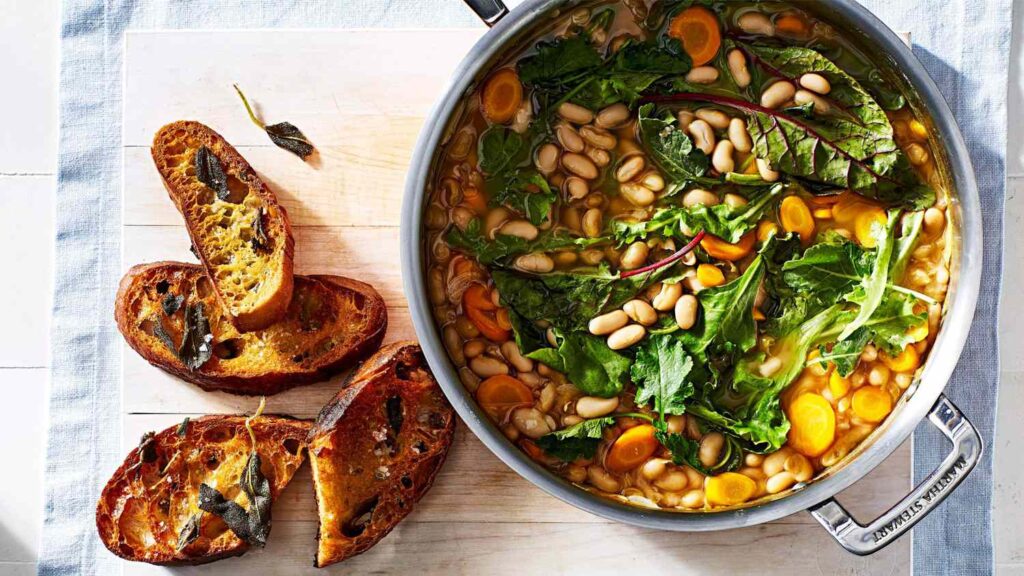
In today’s fast-paced world, convenience often takes precedence over connection. Supermarket produce, though readily available, rarely captures the freshness or spirit of food that’s grown by hand. Homegrown vegetables are different — they carry the memory of each watering, each sunny day, and each bit of care you gave.
Cooking with your own harvest redefines comfort food. Every soup, casserole, and roasted dish becomes a reminder of self-sufficiency and sustainability. Instead of simply preparing a meal, you’re creating an experience — one rooted in nature, patience, and pride.
And when it comes to cozy veggie dinners, freshness is everything. The sweet crunch of a just-picked carrot, the juicy burst of homegrown tomatoes, and the aroma of garden herbs can turn a simple recipe into an extraordinary dish.
2. Growing the Essentials: The Building Blocks of Comfort Dinners
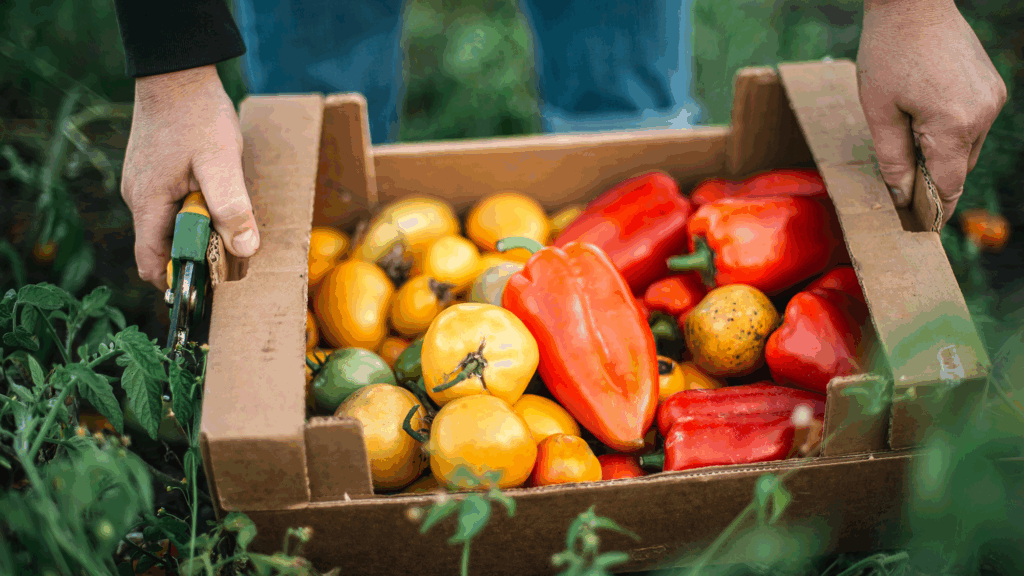
A “homegrown harvest dinner” begins in the garden. Certain vegetables are particularly suited to cozy, comforting dishes because they’re hearty, flavorful, and versatile in cooking. Below are some of the best crops to plant for year-round warmth on your dinner table.
1. Potatoes: The Ultimate Comfort Crop
Why They Matter:
Potatoes form the base of many comfort classics — from creamy mashed potatoes to baked casseroles and vegetable stews. Their rich, starchy flavor provides both substance and satisfaction.
How to Grow:
- Soil: Loose, well-draining, rich in compost.
- Sunlight: 6–8 hours daily.
- Planting Time: Early spring, from seed potatoes.
- Care: Keep soil moist and mound soil around stems as they grow.
- Harvest: When vines yellow and wither.
Best Dishes: Roasted garlic mashed potatoes, potato gratin, or veggie shepherd’s pie.
2. Carrots: Sweet Roots for Soups and Roasts
Why They Matter:
Carrots bring a gentle sweetness and bright color to cozy dinners. They’re wonderful roasted, pureed into soups, or baked into casseroles.
How to Grow:
- Soil: Loose and stone-free for straight roots.
- Sunlight: Full sun to partial shade.
- Planting Time: Early spring or fall.
- Care: Keep soil moist but not soggy.
- Harvest: Pull when tops are thick and vibrantly colored.
Best Dishes: Honey-glazed carrots, carrot-lentil soup, or roasted veggie medleys.
3. Tomatoes: A Burst of Warm Flavor

Why They Matter:
Tomatoes are a kitchen staple — perfect for sauces, soups, and stews. When freshly picked, their flavor is both sweet and tangy, adding depth to vegetarian comfort dishes.
How to Grow:
- Soil: Fertile, well-draining with compost.
- Sunlight: Full sun (6–8 hours).
- Planting Time: After frost danger has passed.
- Care: Water deeply, mulch for moisture, and prune lower leaves.
- Harvest: When fully colored and slightly soft.
Best Dishes: Tomato basil pasta bake, homemade tomato soup, or baked eggplant parmesan.
4. Peas and Beans: Protein-Packed Comfort

Why They Matter:
Beans and peas are rich in protein and fiber — essential for vegetarian meals that satisfy. They blend beautifully into casseroles, soups, and stir-fries.
How to Grow:
- Soil: Fertile, well-drained soil with compost.
- Sunlight: Full sun.
- Planting Time: Spring for peas; late spring for beans.
- Care: Provide support for climbing varieties.
- Harvest: Pick regularly to encourage new pods.
Best Dishes: Green bean casserole, veggie chili, or lentil-potato stew.
5. Leafy Greens: The Vitamin Boost

Why They Matter:
Spinach, kale, and Swiss chard add nutrition, texture, and vibrant green color to any cozy dinner. They blend well into creamy bakes, soups, and pasta dishes.
How to Grow:
- Soil: Moist, rich soil.
- Sunlight: Morning sun, afternoon shade.
- Planting Time: Spring and fall.
- Care: Keep well-watered and harvest outer leaves regularly.
Best Dishes: Creamy spinach gratin, kale lasagna, or chard-stuffed crepes.
6. Onions, Garlic, and Herbs: The Soul of Every Dish
Why They Matter:
No cozy dinner starts without the fragrance of onions and garlic sizzling in oil. Fresh herbs like thyme, oregano, and basil lift flavors naturally.
How to Grow:
- Onions: Plant bulbs in spring in loose, fertile soil.
- Garlic: Plant cloves in fall for summer harvest.
- Herbs: Grow in pots or beds in sunny spots.
- Care: Trim regularly to encourage growth.
Best Dishes: Garlic-herb mashed potatoes, onion soup, or roasted vegetables with thyme and rosemary.
3. Planning a “Cozy Dinner Garden”
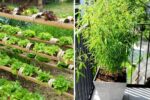
Creating a garden tailored for homey dinners doesn’t require acres of land. Even a small backyard or patio can yield a harvest big enough to inspire your weeknight meals.
Garden Design Tips:

- Raised Beds: Ideal for root vegetables like carrots and potatoes.
- Containers: Perfect for herbs, greens, and smaller plants.
- Vertical Supports: Beans and peas thrive on trellises.
Companion Planting Secrets:
- Tomatoes love growing near basil (it improves flavor).
- Carrots benefit from being planted beside onions (repels pests).
- Beans fix nitrogen in the soil, enriching nearby plants.
Sustainability Practices:
Use compost from kitchen scraps, collect rainwater, and rotate crops yearly to keep your soil fertile. The goal is a garden that feeds both your plants and your principles.
4. Harvest to Hearth: Recipes for Cozy Veggie Dinners
Once your garden is thriving, it’s time to enjoy the most rewarding part — cooking! These simple, delicious recipes turn your homegrown harvest into cozy, satisfying dinners perfect for any season.
Recipe 1: Harvest Vegetable Shepherd’s Pie
Ingredients:
- 3–4 homegrown potatoes
- 1 onion, chopped
- 2 carrots, diced
- ½ cup green peas or beans
- 2 cloves garlic
- 1 tbsp olive oil
- 1 cup vegetable broth
- 1 tbsp flour (to thicken)
- Fresh thyme or parsley
Method:
- Sauté onions and garlic until fragrant.
- Add carrots, peas, and herbs. Stir in broth and flour, cooking until thick.
- Mash the potatoes separately with butter and a splash of milk.
- Spread the veggie filling in a baking dish, top with mashed potatoes.
- Bake at 400°F (200°C) until golden brown and bubbling.
Why It Works:
This rustic pie captures the essence of cozy dining — hearty, creamy, and packed with homegrown vegetables.
Recipe 2: Creamy Tomato Basil Soup
Ingredients:
- 5–6 homegrown tomatoes
- 1 onion, chopped
- 2 cloves garlic
- 1 cup fresh basil leaves
- 1 cup milk or cream
- Olive oil, salt, and pepper
Method:
- Sauté onions and garlic in olive oil.
- Add chopped tomatoes and simmer for 15–20 minutes.
- Blend until smooth, add cream and basil, and heat gently.
Why It Works:
Perfect for chilly evenings — pair with homemade bread or a grilled veggie sandwich.

Recipe 3: Spinach and Potato Gratin
Ingredients:
- 3 potatoes, thinly sliced
- 2 cups spinach leaves
- 1 cup milk
- ½ cup cheese (or plant-based alternative)
- 1 tbsp butter and 1 tbsp flour
Method:
- Make a light sauce by melting butter, whisking in flour, and adding milk.
- Layer potatoes, spinach, and sauce in a greased dish.
- Top with cheese and bake at 375°F (190°C) for 30–35 minutes.
Why It Works:
Creamy, cheesy, and comforting — the perfect showcase for your garden greens.
Recipe 4: Roasted Autumn Veggie Medley
Ingredients:
- Carrots, potatoes, bell peppers, onions
- Olive oil, rosemary, salt, and pepper
Method:
- Chop veggies evenly and toss with olive oil and herbs.
- Roast at 400°F (200°C) for 35 minutes, until golden.
Why It Works:
It’s simplicity at its finest — a colorful mix of your garden’s best flavors.
5. The Joy Beyond the Plate
Cooking with your own harvest isn’t just about taste — it’s a fulfilling cycle of care, creativity, and connection.
Health Benefits:
- Fresh produce is richer in nutrients and antioxidants.
- Gardening provides gentle physical activity.
- Homegrown food encourages plant-based, wholesome eating.
Emotional Benefits:
- Gardening reduces stress and improves mood.
- Cooking becomes more meaningful when you’ve grown the ingredients.
- Sharing your harvest fosters community and gratitude.
Environmental Benefits:
- Reduces carbon footprint and food waste.
- Promotes sustainable, organic practices.
- Builds biodiversity in your own backyard.
6. The Final Bite: Harvesting Warmth, Nourishing Souls
“Homegrown Harvest Recipes for Cozy Veggie Dinners” isn’t just a collection of recipes — it’s a way of living. It invites you to slow down, connect with the earth, and take pride in creating something wholesome from your own hands.
When you pull a bubbling casserole or steaming bowl of soup from the oven, you’re not just serving dinner — you’re serving the rewards of patience, nurturing, and love. Every bite tells the story of your garden — the soil you tended, the plants you cared for, and the joy of turning harvest into harmony.
So, plant those seeds, nurture them with care, and let your garden fill not just your pantry, but your heart. Because true comfort doesn’t come from store shelves — it grows right outside your door. 🌱🥕🥔🍅