For home cooks who love the taste of fresh, garden-grown produce, few things are as rewarding as walking into your own backyard and harvesting the ingredients for a meal. But what if that joy could last all year? With thoughtful planning and a well-structured seasonal garden, you can enjoy homegrown vegetables, herbs, and greens for every dish — from spring salads to hearty winter stews.
This article explores how to create a seasonal garden plan for vegetarian cooking year-round — covering what to plant, when to plant it, and how to keep your garden producing continuously. Whether you have a spacious backyard or a small raised bed, these tips will help you turn every season into a delicious, plant-based harvest.
1. Why Seasonal Gardening Matters for Vegetarian Cooking
Seasonal gardening is more than a growing strategy — it’s a lifestyle that celebrates freshness, sustainability, and flavor. When you grow vegetables aligned with their natural cycles, they thrive with less effort, taste better, and pack more nutrients.
Benefits of a year-round garden include:
- Continuous harvests: A rotating crop plan keeps your kitchen stocked.
- Better nutrition: Fresh-picked vegetables retain their vitamins and minerals.
- Sustainability: You reduce your carbon footprint and reliance on store-bought produce.
- Flavor variety: Each season brings new ingredients for creative vegetarian recipes.
For vegetarian cooks, this approach guarantees the freshest ingredients for soups, salads, stir-fries, and comfort meals — directly from soil to skillet.
2. Building a Year-Round Garden Plan
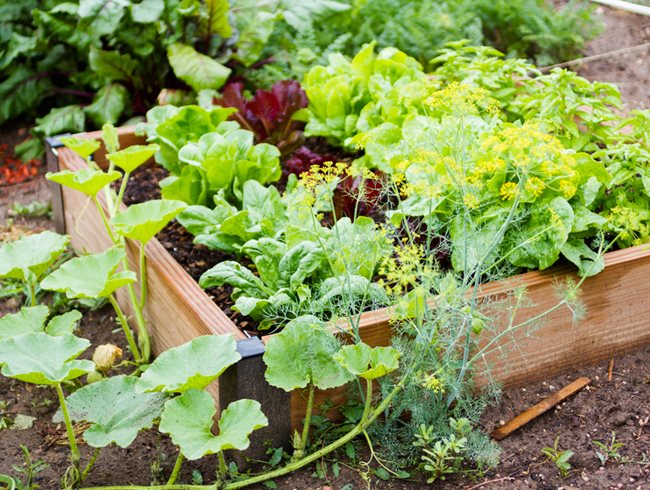
Creating a productive garden for every season begins with understanding your climate zone and planning successions — where one crop replaces another as the seasons change.
Key principles for year-round success:
- Divide the year into four growing seasons: Spring, Summer, Fall, and Winter.
- Choose crops suited for each season’s temperature and daylight.
- Use season extenders: cold frames, row covers, and greenhouses.
- Plan for soil rotation: Alternate heavy feeders (tomatoes, squash) with light feeders (leafy greens, beans).
A well-designed plan ensures there’s always something growing, something ready to harvest, and something being prepared for the next cycle.
3. Spring: Fresh Beginnings for Light Vegetarian Meals

Spring marks the start of the gardening year — a time of renewal and quick-growing greens. The soil begins to warm, and many cool-season crops thrive before summer’s heat arrives.
Best Crops to Plant in Spring
- Leafy Greens: Spinach, lettuce, arugula, Swiss chard
- Root Veggies: Carrots, radishes, beets
- Cruciferous Veggies: Broccoli, cabbage, kale
- Herbs: Cilantro, parsley, dill
- Alliums: Onions, leeks, garlic
Planting Tips:
- Start seeds indoors 4–6 weeks before the last frost.
- Transplant seedlings once soil temperatures reach around 10–15°C (50–60°F).
- Keep soil moist to encourage germination.
Spring Cooking Inspiration:
- Fresh Garden Salads: Combine spinach, radishes, and herbs with a lemon vinaigrette.
- Vegetable Stir-Fries: Use young broccoli florets and tender greens.
- Spring Soups: A mix of peas, carrots, and leeks for a light, nourishing meal.
By late spring, your garden is lush with young greens — the foundation for refreshing vegetarian meals that celebrate new beginnings.
4. Summer: Abundance and Vibrant Flavors

Summer is the most productive season in the garden. Warm soil, long days, and abundant sunlight fuel the growth of colorful fruits and vegetables that thrive in the heat.
Best Crops to Plant in Summer
- Fruiting Veggies: Tomatoes, cucumbers, bell peppers, eggplants
- Squash: Zucchini, yellow squash, pattypan
- Legumes: Bush beans, pole beans, soybeans
- Herbs: Basil, oregano, thyme, rosemary
- Leafy Options: Heat-tolerant greens like Malabar spinach and amaranth
Planting Tips:
- Water deeply and consistently to prevent cracking or wilting.
- Mulch around plants to retain moisture.
- Harvest frequently to encourage new growth.
Summer Cooking Inspiration:
- Grilled Veggie Skewers: Zucchini, peppers, and cherry tomatoes brushed with olive oil.
- Stuffed Bell Peppers: Filled with quinoa, beans, and fresh herbs.
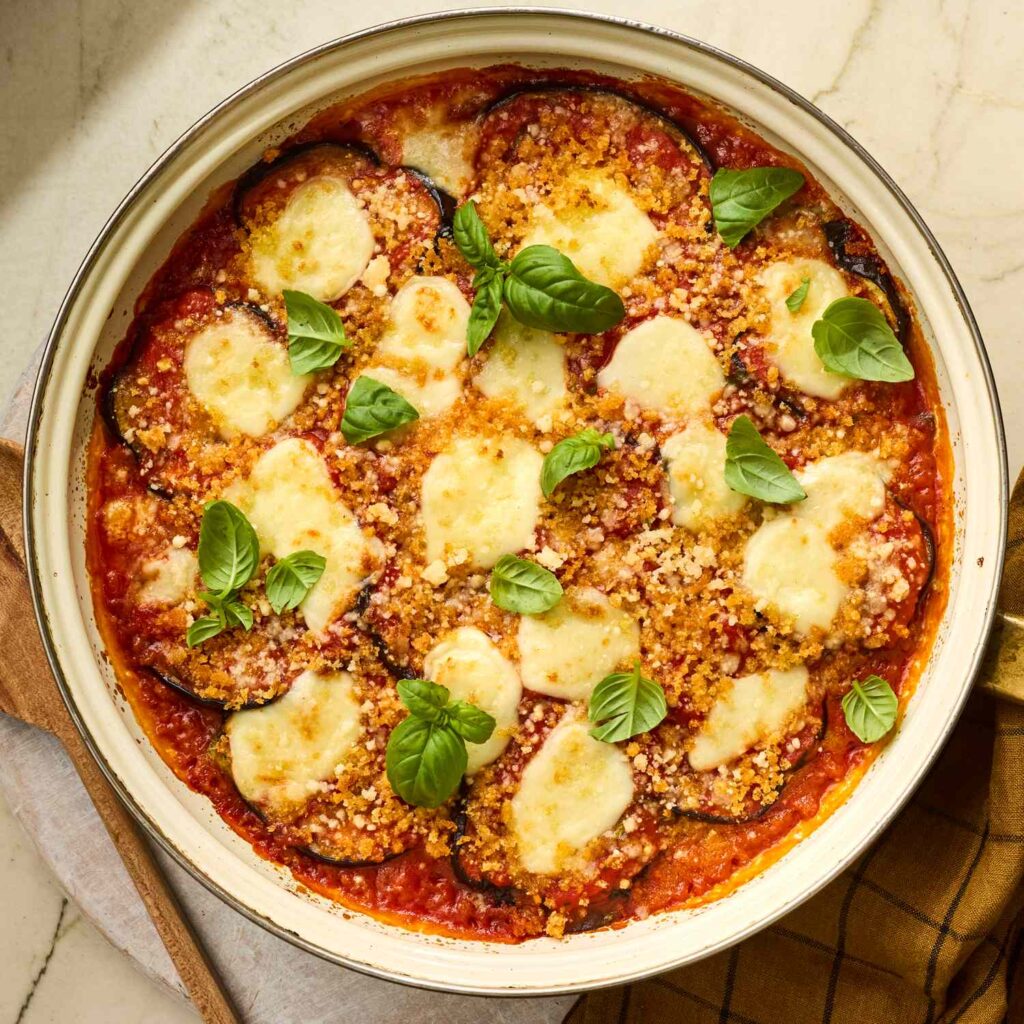
- Pasta with Basil Pesto: Fresh basil and garlic blended into a creamy, plant-based sauce.
Summer’s harvest defines vegetarian cuisine — juicy tomatoes, fragrant herbs, and crisp vegetables that make every meal burst with flavor.
5. Fall: Rooted Flavors for Cozy Comfort Foods
As temperatures cool and daylight shortens, the fall garden transitions to hearty, nutrient-dense crops that form the backbone of warming vegetarian dishes. Many of these vegetables improve in flavor after a light frost, developing a natural sweetness perfect for soups and stews.
Best Crops to Plant in Fall
- Root Vegetables: Carrots, beets, turnips, parsnips, potatoes
- Leafy Greens: Kale, spinach, collards, mustard greens
- Brassicas: Cauliflower, Brussels sprouts, cabbage
- Legumes: Late plantings of bush beans or peas (early fall)
- Herbs: Parsley, sage, thyme
Planting Tips:
- Start seeds indoors in late summer to transplant once the weather cools.
- Fertilize with compost before planting to replenish nutrients.
- Cover young plants with row covers to protect from early frosts.
Fall Cooking Inspiration:
- Root Vegetable Stews: Carrots, turnips, and potatoes slow-simmered with lentils.
- Roasted Beet and Kale Salad: Drizzled with a balsamic glaze.
- Pumpkin and Chickpea Curry: Creamy, spiced, and perfect for cozy nights.
Fall’s harvest embodies the comforting heart of vegetarian cooking — full-bodied, nutrient-rich, and deeply satisfying.
6. Winter: Growing Through the Chill
Even in winter, a well-planned garden can keep your kitchen stocked with fresh produce. Cold-hardy vegetables and storage crops shine in this season, especially when grown under protection or harvested before the first deep freeze.

Best Crops to Grow or Store for Winter
- Cold-Hardy Greens: Kale, collards, spinach, mache (corn salad)
- Root Storage Crops: Carrots, potatoes, turnips, beets (kept in sand or cold storage)
- Alliums: Onions, leeks, garlic
- Herbs Indoors: Parsley, thyme, and rosemary can thrive in containers on sunny windowsills.
Growing Tips:
- Use cold frames or small hoop houses for protection.
- Mulch heavily to insulate soil and retain warmth.
- Harvest greens gradually — frost enhances their flavor.
Winter Cooking Inspiration:
- Hearty Lentil Soup: With kale, carrots, and potatoes.
- Vegetable Shepherd’s Pie: Mashed potatoes layered with roasted root vegetables.
- Creamy Leek and Potato Stew: A comforting vegan classic.
A winter garden keeps your connection to fresh food alive even in the coldest months — a reminder that sustainability and nourishment never go out of season.
7. Crop Rotation and Soil Health
For year-round success, rotating crops is essential. It prevents nutrient depletion and reduces pest and disease buildup.
Simple rotation plan:
- Spring: Leafy greens and legumes (add nitrogen to soil).
- Summer: Fruiting crops like tomatoes and peppers (heavy feeders).
- Fall: Root vegetables (utilize deep nutrients).
- Winter: Cover crops or cold-hardy greens (restore and protect soil).
Add compost every season, and use mulch or cover crops like clover or rye to enrich soil health between plantings.
8. Incorporating Herbs for Year-Round Flavor
Herbs are the backbone of vegetarian cooking — adding aroma and complexity to every dish. A dedicated herb garden ensures a constant supply of fresh seasonings.
Seasonal Herb Guide:
- Spring: Parsley, dill, chives, cilantro
- Summer: Basil, oregano, thyme, rosemary
- Fall: Sage, savory, parsley
- Winter: Thyme, rosemary, mint (indoors)
Dry or freeze herbs to preserve their flavor during the off-season. Use them in marinades, soups, sauces, and roasted vegetable dishes to keep your meals vibrant.
9. Indoor Gardening for Off-Season Freshness
If outdoor gardening slows in winter, bring the greenery inside. Grow compact crops that thrive in containers or under grow lights.
Best indoor plants:
- Microgreens: Radish, broccoli, arugula — ready in 2 weeks.
- Leafy greens: Lettuce and spinach.
- Herbs: Basil, parsley, and chives.
This approach bridges the gap between outdoor harvests, ensuring your vegetarian meals stay fresh even in the colder months.
10. Sustainable Gardening for a Greener Kitchen
A year-round vegetarian garden naturally aligns with eco-friendly living. You minimize food waste, reduce transportation emissions, and reconnect with nature’s rhythms.
Sustainability tips:
- Compost vegetable scraps for natural fertilizer.
- Use organic pest control (like neem oil or companion planting).
- Collect rainwater for irrigation.
- Save seeds from heirloom varieties for next season.
By creating a self-sustaining cycle, your garden supports not just your kitchen but the environment as well.
11. Conclusion: The Year-Round Connection Between Garden and Table
A seasonal garden plan transforms vegetarian cooking into an ongoing celebration of nature’s bounty. Each season brings new flavors, textures, and colors — spring’s tender greens, summer’s vibrant fruits, fall’s earthy roots, and winter’s hearty stews.
By cultivating crops that thrive throughout the year, you ensure that every dish — from a fresh salad to a rich lentil soup — carries the unmistakable flavor of homegrown goodness.
A year-round garden isn’t just about food; it’s about connection — to the soil, to the seasons, and to a way of life rooted in balance and gratitude. Whether you’re growing a few pots of herbs on a balcony or tending a full backyard plot, your garden can become the foundation of delicious, sustainable vegetarian meals — all year long.