There’s nothing quite like waking up to the smell of sizzling vegetables in a hearty, colorful breakfast skillet. Whether it’s a lazy Sunday morning or a quick weekday start, a veggie skillet is comfort food at its healthiest — full of garden-fresh ingredients, rich textures, and natural flavor. But what makes it even more satisfying is knowing you grew those veggies yourself.
This guide will walk you through how to grow the perfect ingredients for a veggie breakfast skillet, from the best vegetables to plant to harvest timing, soil prep, and creative cooking ideas. With a little planning and care, your morning meal can truly start from the ground up.
1. The Beauty of the Veggie Breakfast Skillet

A breakfast skillet is a simple but nourishing dish made by sautéing or roasting a medley of vegetables — often with potatoes, peppers, onions, and leafy greens — topped with herbs, avocado, or plant-based proteins. It’s balanced, flavorful, and endlessly customizable.
Growing your own ingredients ensures freshness, sustainability, and better taste. Store-bought produce can never match the crispness of a just-harvested bell pepper or the sweetness of a sun-ripened tomato. Plus, when you grow your own food, you control what goes into it — no synthetic fertilizers or harmful pesticides, just wholesome produce cultivated with care.
2. Understanding Your Growing Seasons

Before you dig in, it’s important to know when and how to plant your breakfast ingredients.
Most skillet vegetables are warm-season crops, meaning they thrive in sunshine and mild temperatures. However, some cool-season veggies, like spinach and kale, can also be grown in spring and fall for year-round harvesting.
Here’s a quick overview of growing cycles:
- Spring: Start planting greens, onions, and early potatoes.
- Summer: Grow peppers, tomatoes, zucchini, and herbs.
- Fall: Harvest root veggies and plant hardy greens for winter cooking.
Planning your garden with these cycles in mind ensures you always have fresh ingredients on hand — perfect for any breakfast creation.
3. Must-Grow Vegetables for the Perfect Breakfast Skillet
Let’s break down the stars of the skillet — the vegetables that bring color, texture, and nutrition to your morning plate.
a. Potatoes — The Hearty Base
Potatoes are the foundation of many breakfast skillets. Their creamy texture and satisfying bite pair beautifully with roasted or sautéed vegetables.
How to grow:
- Plant seed potatoes in early spring after the last frost.
- Choose a sunny spot with well-draining soil.
- Bury each seed potato about 3–4 inches deep and water regularly.
- Harvest baby potatoes in 70–90 days or wait longer for full-sized tubers.
Recommended varieties: Yukon Gold for buttery flavor or Red Norland for a softer texture.
b. Bell Peppers — The Sweet Pop of Color
Bell peppers add vibrant color and mild sweetness to breakfast skillets. They pair perfectly with potatoes and onions, balancing earthy flavors with a touch of brightness.
How to grow:
- Start seeds indoors 8–10 weeks before the last frost, then transplant outdoors.
- Peppers love warmth and full sun (6–8 hours daily).
- Keep soil consistently moist but not waterlogged.
Tip: Pick peppers when fully colored (red, yellow, or orange) for the sweetest flavor.
c. Onions — The Flavor Foundation
No skillet is complete without onions. They bring caramelized sweetness and depth, enhancing every other ingredient in the pan.
How to grow:
- Plant onion sets or seedlings in early spring in rich, well-drained soil.
- Space bulbs about 4 inches apart.
- Harvest when tops begin to yellow and fall over.
Varieties to try: Sweet onions for gentle flavor or red onions for a colorful, slightly spicy kick.
d. Spinach and Kale — The Green Goodness
These leafy greens add nutrition and freshness to breakfast skillets. They cook down quickly, making them perfect for last-minute toss-ins that brighten the dish.
How to grow:
- Plant in early spring or fall; both crops love cooler weather.
- Keep soil moist and harvest outer leaves regularly to promote new growth.
- Fertilize lightly with compost for lush, tender leaves.
Pro tip: Grow baby spinach for delicate, quick-cooking greens that wilt perfectly into a skillet.
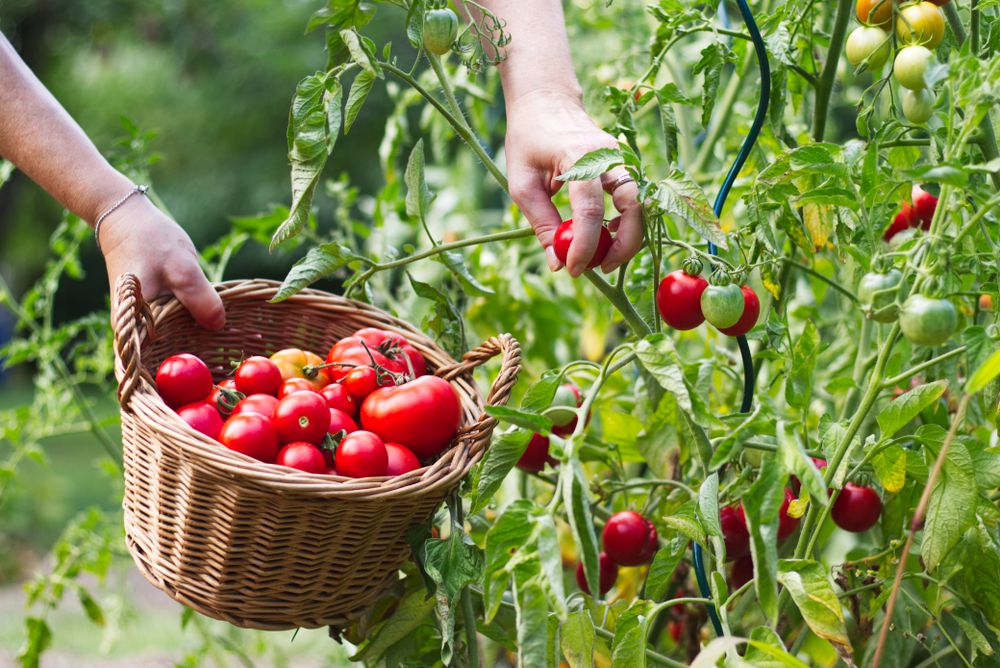
e. Tomatoes — The Juicy Accent
Tomatoes add acidity and juiciness, balancing the richness of potatoes and peppers. Cherry tomatoes, in particular, burst with flavor when roasted or pan-fried.
How to grow:
- Start indoors, then transplant after frost danger passes.
- Provide sturdy supports or cages for growing vines.
- Water deeply and regularly — tomatoes dislike drying out.
Varieties to try: Cherry or Roma tomatoes for cooking, or heirloom varieties for color and flavor diversity.

f. Zucchini — The Summery Favorite
Zucchini’s tender texture and mild taste make it a great skillet addition. It cooks fast and absorbs the flavor of herbs and spices beautifully.
How to grow:
- Sow seeds directly in warm soil after frost.
- Give each plant room to spread (2–3 feet apart).
- Harvest young zucchini (6–8 inches long) for the best flavor.
Tip: Don’t let zucchini overgrow — larger ones can become watery and less flavorful.
g. Herbs — The Flavor Finishers
Herbs are the finishing touch that elevate a good skillet to a great one. Basil, thyme, parsley, and chives add fragrance and depth to every bite.
How to grow:
- Most herbs prefer full sun and well-draining soil.
- Trim regularly to encourage bushy growth.
- Grow in pots near your kitchen for easy access.
Favorite combos:
- Basil + tomatoes for Mediterranean flair
- Thyme + potatoes for earthy warmth
- Parsley + peppers for a bright, herby balance
4. Soil, Water, and Sunlight Needs
To get the most out of your breakfast garden:
- Soil: Use nutrient-rich, loamy soil with good drainage. Mix in compost or organic fertilizer before planting.
- Water: Most veggies need about 1 inch of water per week. Water early in the morning to minimize evaporation.
- Sunlight: Aim for 6–8 hours of full sun daily. For shade-tolerant plants (like kale or spinach), partial sunlight is fine.
Regular weeding and mulching help retain moisture and prevent competition from invasive plants.
5. Companion Planting Tips
Smart planting combinations can enhance growth and flavor while keeping pests away.
- Tomatoes + Basil: Improve each other’s flavor and repel insects.
- Peppers + Onions: Both deter pests that feed on leaves.
- Potatoes + Spinach: Spinach grows fast and shades soil, preventing weeds.
- Zucchini + Marigolds: Marigolds keep away squash bugs naturally.
These natural partnerships make your garden more productive and eco-friendly.
6. Harvesting and Cooking Your Skillet Veggies
Timing your harvest ensures peak flavor and nutrition:
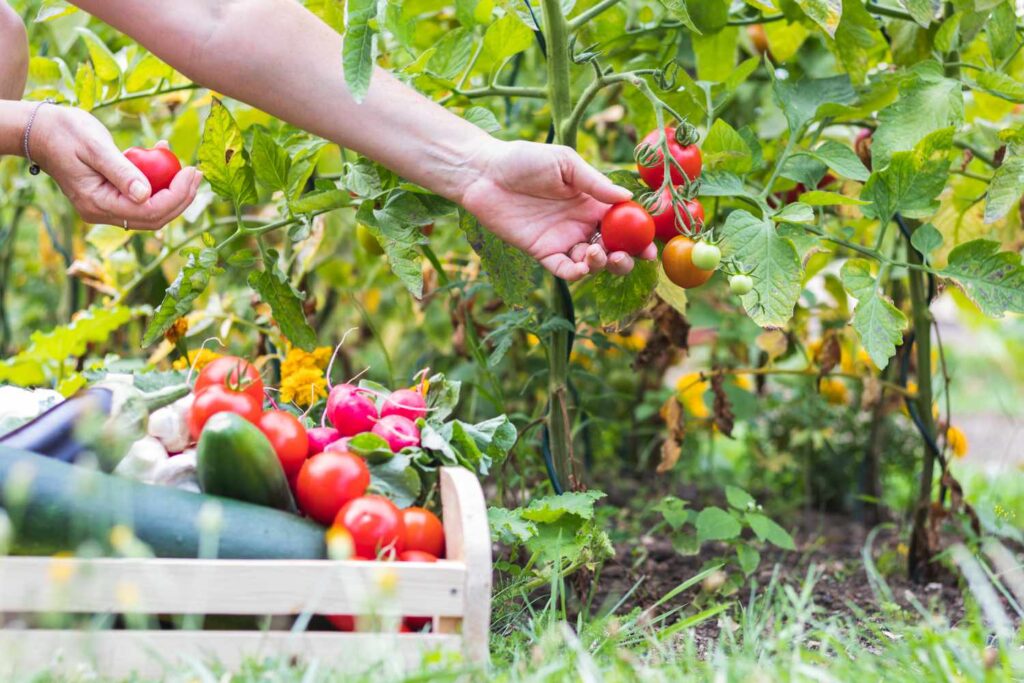
- Harvest peppers, tomatoes, and zucchini when fully colored and firm.
- Pull onions once tops dry out.
- Dig up potatoes when foliage begins to yellow.
- Pick spinach and kale regularly for continuous harvest.
Cooking Tip: Roast or sauté vegetables in olive oil with garlic and herbs for a perfectly balanced skillet. Add tofu or chickpeas for plant-based protein, and top with avocado or a sprinkle of vegan cheese for richness.
7. Sample Recipe: Garden-Fresh Veggie Breakfast Skillet
Ingredients:
- 2 medium potatoes, diced
- 1 bell pepper, chopped
- 1 small onion, sliced
- 1 zucchini, chopped
- 1 cup cherry tomatoes, halved
- 2 cups spinach or kale
- 2 tbsp olive oil
- Fresh herbs (thyme, parsley, or basil)
- Salt, pepper, and paprika to taste
Instructions:
- Heat olive oil in a skillet.
- Add diced potatoes and cook until golden brown.
- Add onions and peppers; sauté until softened.
- Toss in zucchini and tomatoes; cook for another 5 minutes.
- Add greens and herbs, stirring until wilted.
- Season well and serve hot.
This garden-fresh skillet offers a satisfying mix of crispy, juicy, and earthy flavors — a true celebration of your homegrown produce.
8. Conclusion: From Soil to Skillet
Growing your own vegetables for a breakfast skillet connects you to your food in the most rewarding way. Every seed you plant becomes a building block for wholesome, energizing meals that start your day right.
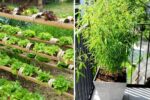
From the creamy bite of garden potatoes to the sweet tang of sun-warmed tomatoes, every ingredient tells a story of care, patience, and freshness. With a bit of planning and a small backyard (or even container garden), you can cultivate everything you need for vibrant, plant-based breakfasts — straight from your garden to your plate.
So grab your gardening gloves, plant your seeds, and prepare for mornings filled with homegrown flavor. Your perfect veggie breakfast skillet begins in your own soil.