There’s nothing quite like the taste of a fresh sandwich or wrap filled with crisp, colorful vegetables and aromatic herbs—especially when all those ingredients come from your own backyard. Backyard gardening brings freshness to your plate, turns your meals into seasonal celebrations, and connects you to the natural rhythm of food. For vegetarians or anyone aiming to eat cleaner, growing your own ingredients for wraps and sandwiches is both rewarding and practical.
Imagine harvesting juicy tomatoes, crunchy lettuce, fragrant basil, and tender cucumbers minutes before lunch. With the right mix of crops, you can create gourmet-level sandwiches and wraps straight from your garden—bursting with flavor, nutrients, and homegrown pride.
This guide explores how to grow, harvest, and cook from your backyard garden to make delicious veggie wraps and sandwiches year-round.
1. Why Grow Your Own Veggie Wrap and Sandwich Ingredients?
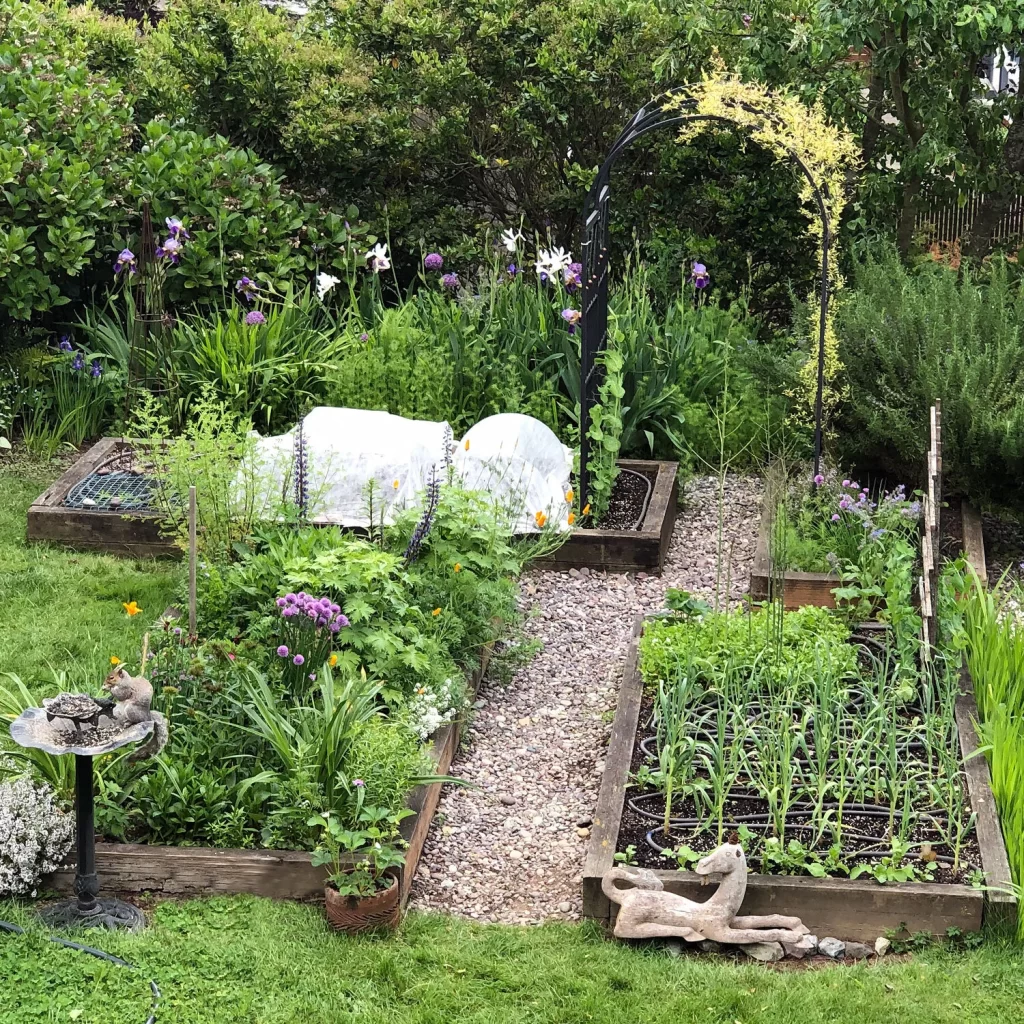
Before digging into the soil, it’s worth understanding why backyard gardening is the secret to better meals:
A. Unmatched Freshness and Flavor
Store-bought produce often travels hundreds of miles before reaching your kitchen. When you grow your own, you pick vegetables at their peak ripeness—meaning sweeter tomatoes, crisper lettuce, and herbs that actually taste like herbs.
B. Nutrition at Its Best
Nutrients start to degrade soon after harvest. Homegrown veggies go straight from soil to sandwich, locking in vitamins, minerals, and antioxidants.
C. Sustainable and Cost-Effective
A single packet of seeds can provide months of produce. You reduce packaging waste, food miles, and grocery bills while living more sustainably.

D. Creativity and Control
Growing your own means you can experiment—purple basil for color, heirloom tomatoes for richness, or spicy arugula for a gourmet touch. You control the soil, the water, and the growing methods.
2. Planning Your Sandwich Garden: What to Grow
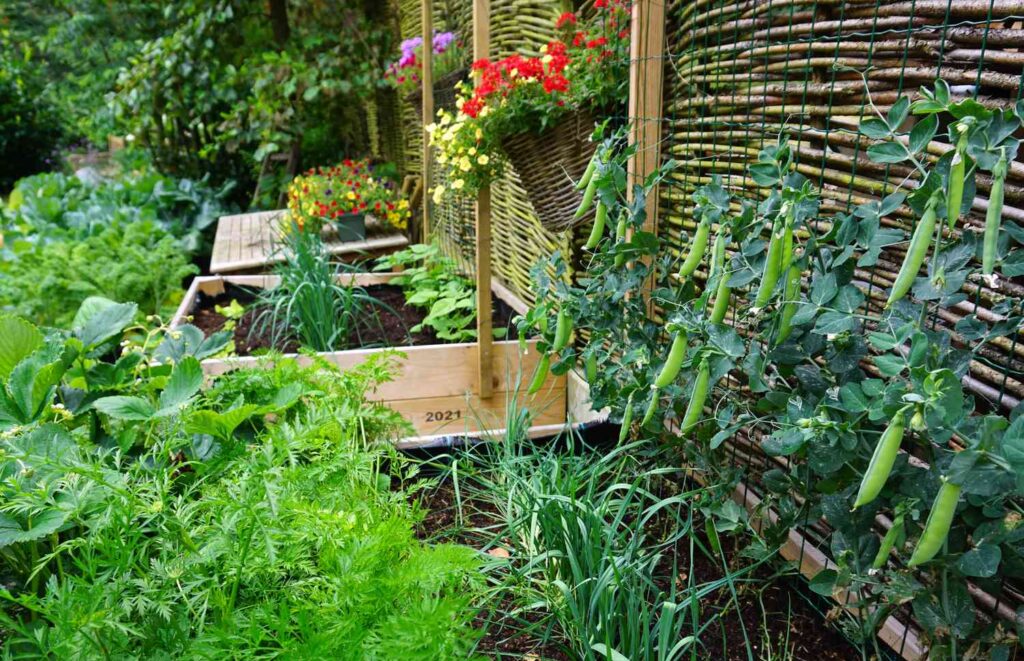
A great wrap or sandwich balances texture, flavor, and color. Here’s what to plant in your backyard to cover every element.
A. Leafy Greens: The Base Layers
These greens form the crisp, refreshing foundation of most sandwiches and wraps.
- Lettuce (Romaine, Butterhead, or Leaf): Tender and crunchy, ideal for layering.
- Spinach: Adds a mild, slightly sweet taste, perfect for wraps.
- Arugula: Peppery and bold—great for Mediterranean-inspired sandwiches.
- Kale: Hearty and full of nutrients; works well when massaged or lightly blanched.
🪴 Tip: Grow greens in partial shade with rich, well-drained soil. Harvest the outer leaves to keep plants producing for weeks.
B. Crunchy Veggies: The Texture Heroes
These add satisfying bite and freshness.
- Cucumbers: Hydrating and crisp—choose compact bush varieties for small spaces.
- Carrots: Sweet and colorful; great shredded into wraps.
- Radishes: Spicy and bright; slice thin for extra zest.
- Bell Peppers: Sweet or slightly smoky, perfect for grilling or raw use.
🪴 Tip: Water consistently for juicier, sweeter veggies. Harvest young for the best crunch.
C. Juicy Fillers and Flavor Builders

Every good sandwich needs something juicy and flavorful.
- Tomatoes: Grow cherry or Roma tomatoes for easy slicing and fewer seeds.
- Avocados (if climate allows): Creamy and nutrient-rich.
- Zucchini: Slice thin or grill for a smoky filling.
- Beets: Roast or pickle for earthy sweetness and color.
🪴 Tip: Stake tomato plants and prune regularly for better airflow and bigger yields.
D. Aromatic Herbs: The Secret to Signature Flavor
Fresh herbs can turn a simple sandwich into a gourmet experience.
- Basil: Classic for Caprese-style sandwiches with tomato and mozzarella.
- Cilantro: Bright and citrusy, pairs beautifully with avocado and lime.
- Mint: Adds freshness to Mediterranean wraps or yogurt-based spreads.
- Dill and Parsley: Perfect for herbed mayonnaise or dressing.
🪴 Tip: Harvest herbs in the morning for the best flavor, and pinch off flowers to keep leaves tender.
E. Bonus Crops: Garden Add-Ons for Wraps and Sandwiches

- Onions (Green or Red): Add a mild bite and sweetness.
- Sprouts: Grow alfalfa or mung bean sprouts indoors for crunch and protein.
- Microgreens: Quick-growing, nutrient-dense, and flavorful.
3. How to Grow and Maintain Your Sandwich Garden
Even a small backyard can provide a rich harvest. You don’t need acres—just a few raised beds or containers.
Step 1: Prepare Your Soil
Mix compost, coconut coir, and garden soil in equal parts. The goal is rich, well-draining earth packed with organic matter.
Step 2: Organize by Growth Needs
Group plants by their sunlight and watering requirements. Leafy greens prefer partial shade; fruiting veggies like tomatoes and peppers need full sun.
Step 3: Water Wisely
Morning watering is best to prevent fungal diseases. Use drip irrigation or watering cans at the base to avoid wetting leaves.

Step 4: Keep It Natural
Use neem oil or companion planting (e.g., marigolds near tomatoes) to deter pests naturally. Add compost tea every two weeks to nourish your plants.
Step 5: Continuous Harvesting
Pick greens and herbs regularly to encourage new growth. The more you harvest, the more your garden gives back.
4. Backyard-to-Table: Creating Wraps and Sandwiches with Homegrown Produce
Now comes the delicious part—turning your harvest into satisfying meals.
A. Fresh Garden Sandwich Ideas
1. Classic Caprese Sandwich
From the garden: Tomatoes, basil, spinach.
Layer sliced tomatoes, fresh basil, and spinach with mozzarella and a drizzle of balsamic glaze between whole-grain bread. Toast lightly for a comforting bite.
2. Garden Veggie Club
From the garden: Lettuce, cucumbers, tomatoes, sprouts, herbs.
Stack your favorite veggies with hummus or avocado spread. Add a sprinkle of herbs for brightness and flavor.
3. Roasted Beet and Arugula Sandwich
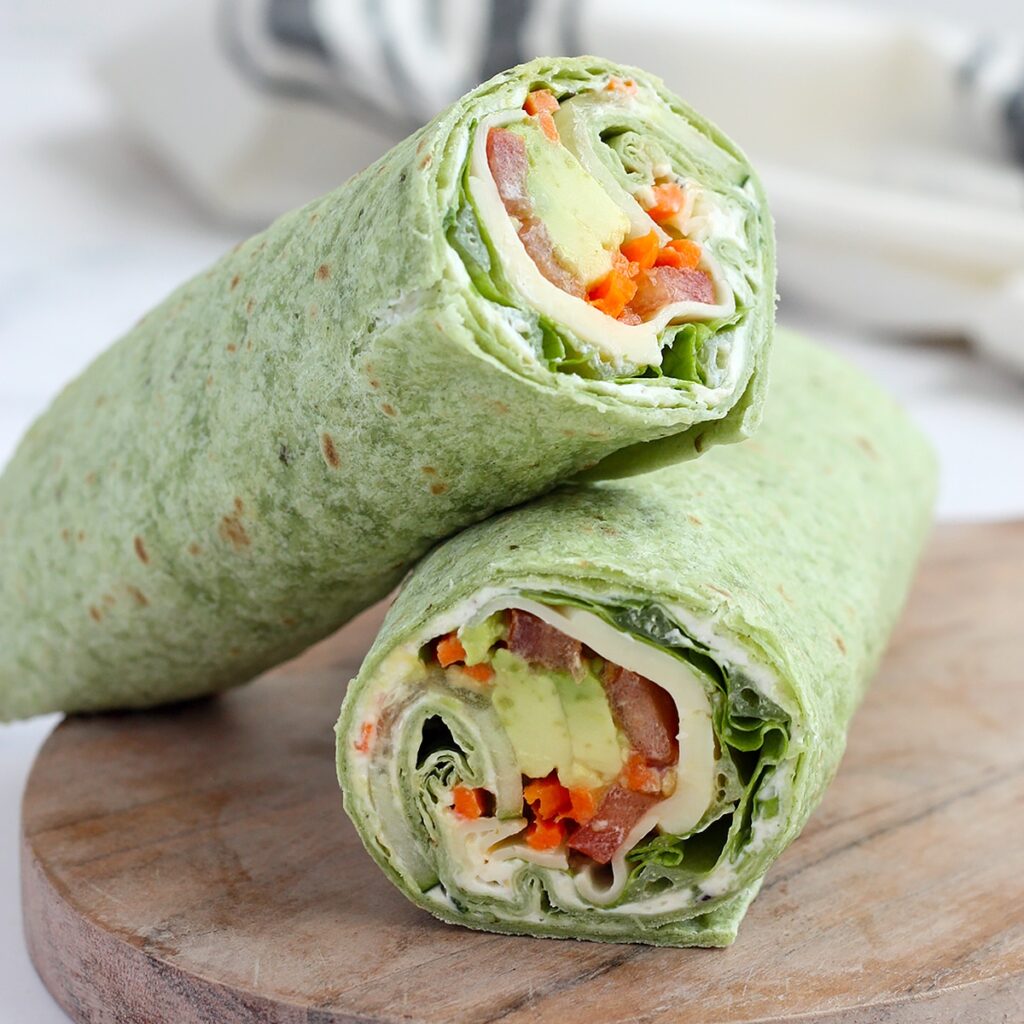
From the garden: Beets, arugula, parsley.
Roast sliced beets until caramelized, then pair them with peppery arugula and a spread of goat cheese or cashew cream.
B. Creative Veggie Wraps
1. Mediterranean Veggie Wrap
From the garden: Kale, cucumbers, tomatoes, mint, parsley.
Fill a whole wheat tortilla with chopped greens, diced veggies, hummus, and a squeeze of lemon. Roll and enjoy a refreshing, protein-packed meal.
2. Spicy Veggie Burrito Wrap
From the garden: Bell peppers, onions, cilantro.
Sauté peppers and onions, then wrap with beans, rice, and fresh cilantro. Serve with a homemade garden salsa.
3. Garden Rainbow Wrap
From the garden: Carrots, beets, lettuce, basil, sprouts.
Layer shredded carrots and beets over lettuce leaves with herbs and tahini dressing. A wrap full of color, crunch, and nutrients.
5. DIY Garden Condiments and Spreads
Elevate your wraps and sandwiches with homemade spreads made from your own herbs and veggies.
- Herbed Yogurt Sauce: Mix Greek yogurt with minced mint, dill, and garlic.
- Basil Pesto: Blend basil, garlic, olive oil, and nuts for a versatile spread.
- Cilantro-Lime Dressing: Great for adding tang to wraps.
- Roasted Pepper Spread: Puree roasted bell peppers with olive oil and lemon juice.
These small touches add freshness and depth—without relying on store-bought sauces.
6. Extending the Harvest: Grow Year-Round
With planning, your backyard sandwich garden can keep producing almost all year.
Spring: Leafy greens, herbs, radishes, carrots.
Summer: Tomatoes, cucumbers, basil, peppers.
Autumn: Beets, kale, arugula, spinach.
Winter (mild climates or indoors): Microgreens, lettuce, and herbs in pots.
Use cold frames or indoor grow lights to continue harvesting even during cooler months.
7. Sustainable Sandwich Gardening Tips
To make your gardening and cooking practices eco-friendly:
- Compost scraps: Turn trimmings into garden fertilizer.
- Reuse water: Collect rainwater for irrigation.
- Save seeds: Keep seeds from your healthiest plants for next season.
- Avoid chemicals: Stick to organic fertilizers and pest control methods.
This cycle of growth, harvest, and reuse keeps your garden—and your lifestyle—sustainable.
8. The Joy of Eating What You Grow
There’s a deep satisfaction in eating food you’ve nurtured from seed to sandwich. You taste the difference, appreciate the effort, and become more connected to what’s on your plate.
Your backyard becomes more than a patch of soil—it’s a living pantry, a creative space, and a reminder that good food doesn’t need to come from far away. Whether it’s a quick wrap for lunch or a hearty veggie sandwich for dinner, every bite becomes a celebration of freshness and care.
Conclusion: From Garden Bed to Bread
“Backyard Gardening for Veggie Wraps and Sandwiches” isn’t just about growing plants—it’s about cultivating flavor, sustainability, and self-sufficiency. By planting a mix of greens, herbs, and vibrant vegetables, you’ll never look at a sandwich the same way again.
Each layer of lettuce, each slice of tomato, and each fragrant leaf of basil tells a story of sunlight, soil, and dedication. The act of growing transforms eating into something deeper—a mindful, nourishing experience.
So, grab your gardening gloves and a packet of seeds. Within a few weeks, your backyard will be brimming with the ingredients for endless, delicious veggie wraps and sandwiches. Simple, fresh, and entirely your own. 🌿🥬🥪