There’s something deeply satisfying about cooking a vibrant vegan stir-fry using ingredients you grew with your own hands. Each vegetable, herb, and garnish carries a story of care—from the seed you planted to the sizzling aroma rising from your pan. A tofu stir-fry is one of the most versatile and flavorful plant-based meals, and when made with homegrown produce, it becomes a true celebration of freshness, color, and sustainability.
Growing your own ingredients for a vegan tofu stir-fry doesn’t require a massive garden or years of experience. With some thoughtful planning and basic gardening skills, you can cultivate everything you need—from crisp bell peppers and crunchy broccoli to fragrant herbs and spicy aromatics. Let’s explore how to design, plant, and harvest your garden for the perfect homemade stir-fry experience.
1. Why Grow Your Own Stir-Fry Ingredients?
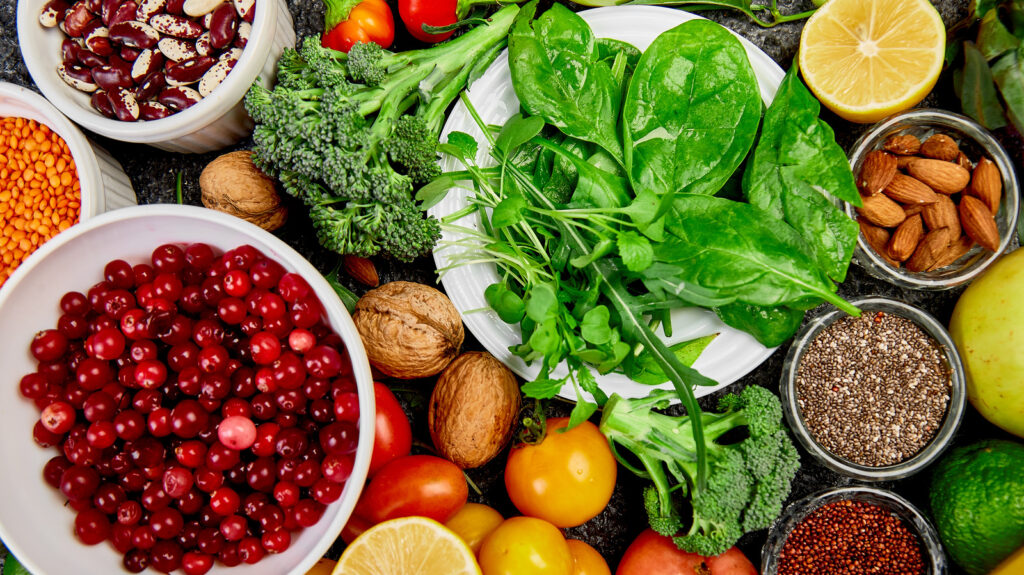
Before diving into what to plant, it’s worth understanding why homegrown produce makes all the difference:
A. Freshness You Can Taste
Vegetables lose flavor and nutrients the longer they sit after harvest. When you pick your broccoli or snap peas just before cooking, they retain maximum sweetness, crunch, and color—giving your stir-fry unmatched taste and texture.
B. Chemical-Free and Nutrient-Rich
You control what goes into your soil, ensuring pesticide-free, organic ingredients packed with vitamins and antioxidants.
C. Cost-Effective and Sustainable
A small investment in seeds and compost can yield months of produce. Plus, you reduce packaging waste and your carbon footprint.
D. Creative Freedom
Want purple carrots or Thai basil? When you grow your own, you can explore exciting varieties that aren’t available at the store.
2. The Essential Stir-Fry Garden: What to Grow
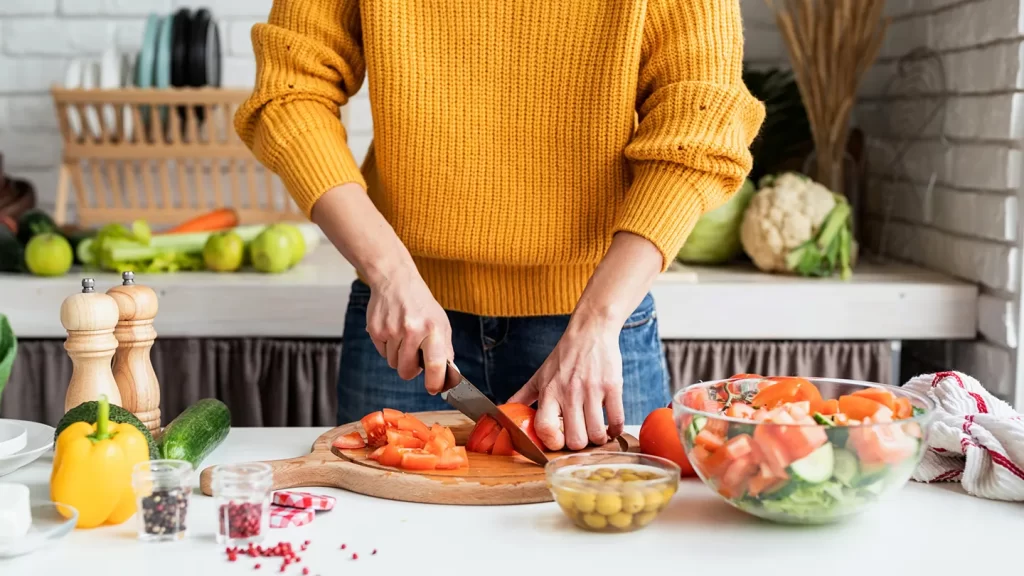
A tofu stir-fry balances crunch, color, and flavor. The best garden for it includes leafy greens, colorful vegetables, aromatic herbs, and stir-fry staples.
Here’s how to organize your backyard or container garden to provide the perfect mix.
A. Leafy Greens for Color and Nutrition
These add vibrancy, texture, and nutrients to your dish.
- Bok Choy: The classic stir-fry green! Mild, crisp stems and tender leaves that cook quickly.
- Kale: Adds hearty texture and deep green color. Choose tender baby kale for faster cooking.
- Spinach: Wilts beautifully into tofu stir-fries, adding an iron-rich boost.
- Mustard Greens: Provide a slightly peppery flavor that complements tofu.
🪴 Growing Tip:
Greens thrive in cooler weather (spring and fall). Plant in loose, compost-rich soil and harvest outer leaves regularly to encourage continuous growth.
B. Colorful Vegetables for Crunch and Sweetness
These veggies create the visual and flavor balance that makes stir-fries irresistible.
- Bell Peppers (Red, Yellow, Green): Sweet and crunchy, perfect for color contrast.
- Broccoli: Adds texture and soaks up sauces beautifully.
- Snap Peas: Sweet, crisp, and delicious when lightly sautéed.
- Carrots: Bring sweetness and color. Grow rainbow varieties for added appeal.
- Zucchini: Tender and quick-cooking, it adds mild flavor and volume.
🪴 Growing Tip:
These crops love sun—plant them in the brightest part of your garden. Keep soil moist but well-drained, and add organic fertilizer every two weeks for strong yields.
C. Aromatic Alliums and Herbs for Flavor
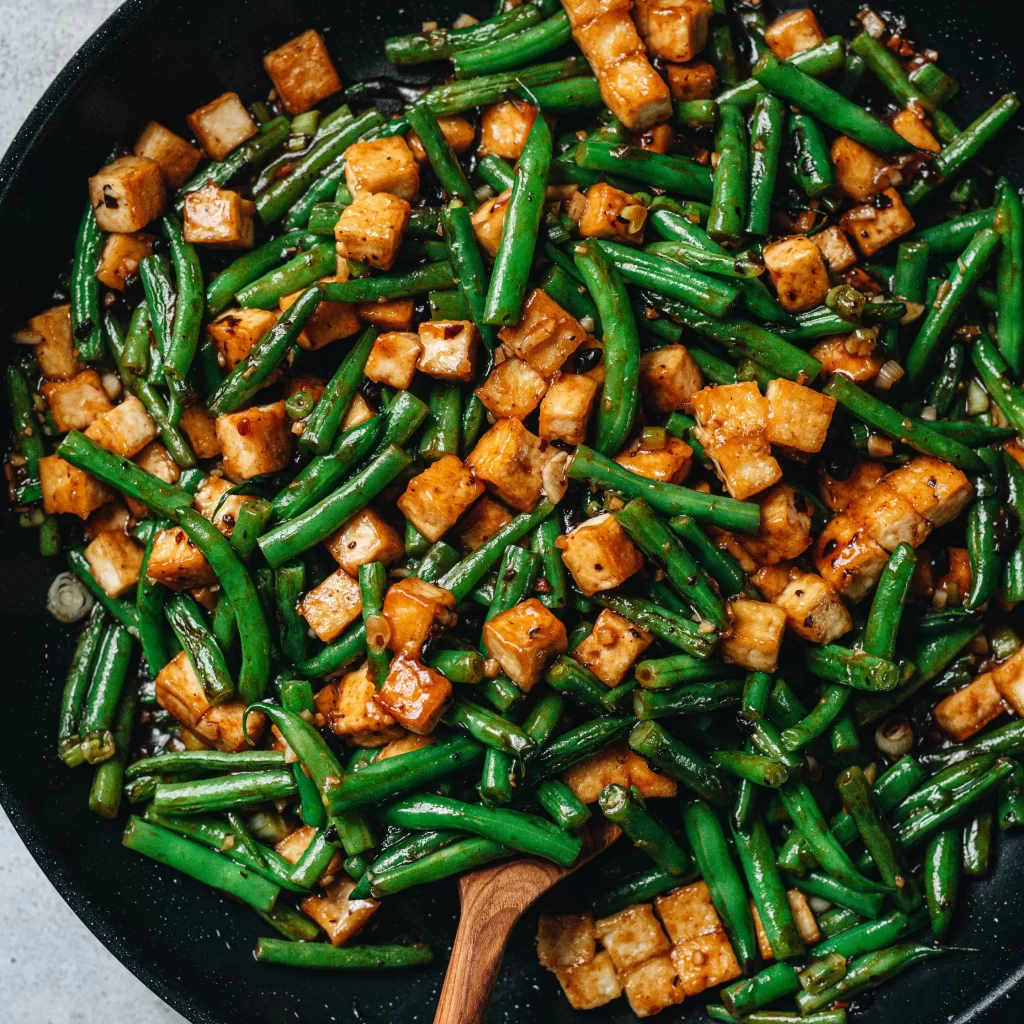
The key to any great stir-fry lies in its base flavors—the aromatics that make the kitchen smell divine.
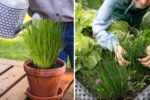
- Garlic: Essential for depth and aroma. Plant cloves in well-drained soil; harvest when leaves yellow.
- Green Onions (Scallions): Provide mild onion flavor and make beautiful garnishes.
- Ginger: Adds warmth and zing. Grows well in pots with partial shade and rich, moist soil.
- Basil (Thai or Sweet): Brings a fragrant, slightly spicy note.
- Cilantro: Fresh and bright—perfect for finishing a stir-fry with tofu.
🪴 Growing Tip:
Keep herbs trimmed regularly to encourage bushy growth. For ginger, plant pieces with visible buds (“eyes”) and keep the soil consistently damp.
D. Optional Additions for Extra Variety
If you have space or want to elevate your stir-fry game:
- Hot Peppers: Add heat and complexity.
- Snow Peas: Tender and fast-growing.
- Baby Corn: A fun, crunchy addition for authentic Asian-style stir-fries.
- Lemongrass: Grows tall and fragrant—use the stalks for aromatic sauces.
3. Designing Your Tofu Stir-Fry Garden
Even a small backyard can produce a big harvest with the right layout.
Option 1: Raised Bed Layout
Use a 4×4 ft bed divided into sections:
- One corner for leafy greens
- One for fruiting vegetables (peppers, peas, carrots)
- One for herbs and aromatics
- One for root veggies
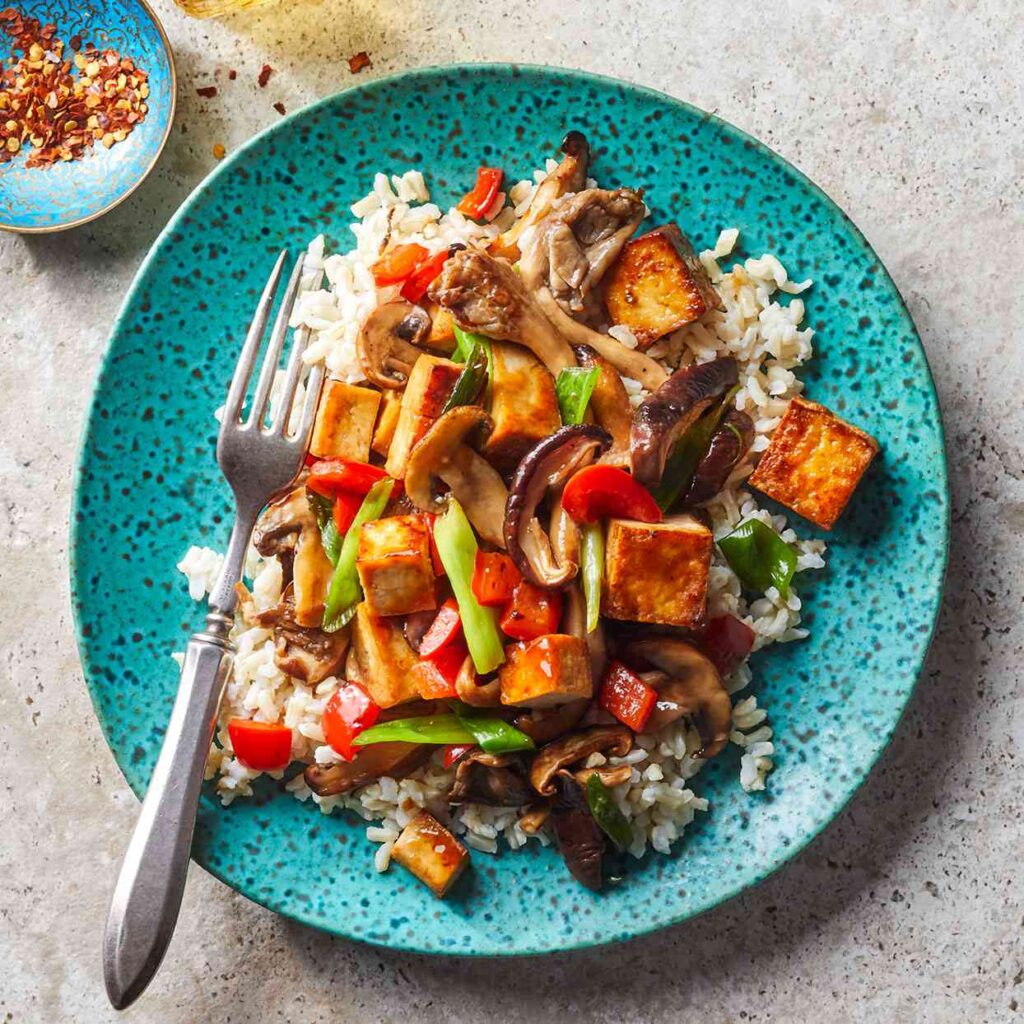
Option 2: Container Garden
If space is limited, grow in pots:
- Peppers, herbs, and greens thrive in 12–16-inch containers.
- Ginger and lemongrass love deep pots with moist soil.
- Peas and beans can climb trellises on balconies.
Option 3: Companion Planting
Mix plants that benefit each other:
- Basil boosts tomato and pepper growth.
- Marigolds repel pests near leafy greens.
- Garlic deters aphids and insects naturally.
🪴 Pro Tip: Rotate crops seasonally to keep soil healthy and prevent disease.

4. How to Grow and Maintain for Peak Flavor
To grow flavorful, nutrient-dense vegetables for your stir-fry:
A. Soil Preparation
Use a mix of garden soil, compost, and coco peat (in equal parts). The compost provides nutrients, while coco peat retains moisture.
B. Watering
Stir-fry vegetables need consistent watering—especially leafy greens and peppers. Water early in the morning or late evening to prevent evaporation.
C. Fertilization
Feed your plants every two weeks with organic compost tea, worm castings, or seaweed extract. This keeps leaves tender and fruits flavorful.
D. Pest Control
Avoid chemicals—use neem oil, soap sprays, or companion plants like basil and marigold to ward off insects.
E. Harvest Timing
Pick greens when they’re young and tender. Harvest peppers when fully colored. For continuous production, harvest herbs regularly to stimulate new growth.
5. From Garden to Wok: Creating the Perfect Vegan Tofu Stir-Fry

Once your garden is thriving, it’s time to turn your harvest into a wholesome, flavorful meal.

A. Preparing the Ingredients
From the garden:
- 1 cup chopped bok choy
- 1 bell pepper, sliced
- 1 carrot, julienned
- ½ cup broccoli florets
- ½ cup snap peas
- 2 garlic cloves, minced
- 1 tsp grated ginger
- Handful of basil or cilantro leaves
From the pantry:
- 200g firm tofu, cubed
- 2 tbsp soy sauce
- 1 tbsp sesame oil
- 1 tbsp rice vinegar or lime juice
- 1 tsp cornstarch (optional, for thick sauce)
B. Step-by-Step Stir-Fry Method
- Press and Prep the Tofu:
Wrap tofu in a towel and press for 15 minutes to remove moisture. Cut into cubes and lightly pan-fry until golden brown. - Prepare the Sauce:
Mix soy sauce, sesame oil, rice vinegar, and a pinch of sugar or maple syrup. Set aside. - Sauté Aromatics:
In a wok or skillet, heat a bit of oil. Add minced garlic and grated ginger—stir until fragrant. - Add Veggies:
Start with the densest ones like carrots and broccoli, then add peppers, peas, and bok choy. Stir-fry quickly over high heat to retain crispness. - Combine:
Add tofu back into the wok, pour the sauce, and toss everything for a minute until coated and glossy. - Finish with Herbs:
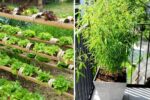
Turn off the heat, add basil or cilantro, and toss gently. Serve hot over rice or noodles.
🥢 Result: A bright, colorful vegan stir-fry bursting with freshness and flavor—completely homegrown.
6. Year-Round Growing Tips
To keep your stir-fry garden productive all year:
- Spring: Plant spinach, peas, carrots, and herbs.
- Summer: Grow peppers, tomatoes, zucchini, and basil.
- Autumn: Sow kale, bok choy, and broccoli.
- Winter (or Indoors): Keep herbs and microgreens growing in containers near sunny windows.
Use crop rotation and composting to enrich soil and prepare for the next season’s planting.
7. Sustainable Gardening Practices
Growing your own stir-fry ingredients is already eco-friendly, but you can take it further:
- Compost kitchen scraps: Turn veggie peels and tofu trimmings into soil nutrients.
- Collect rainwater: Use it for irrigation during dry spells.
- Save seeds: Replant your favorite varieties each year.
- Avoid synthetic fertilizers: Rely on compost and natural soil boosters.
Every sustainable choice you make in the garden contributes to a healthier planet—and more flavorful meals.
8. The Joy of Growing and Cooking Your Own Food
There’s a unique sense of accomplishment that comes from cooking a meal where every ingredient (except maybe tofu and soy sauce) grew in your own garden. It’s a lifestyle of mindfulness, sustainability, and gratitude.
Your garden becomes your pantry. Your wok becomes your canvas. And each dish becomes a reflection of your connection to the earth.
Conclusion: From Seed to Stir-Fry
“How to Grow Ingredients for a Vegan Tofu Stir-Fry” isn’t just a gardening guide—it’s an invitation to live more sustainably and eat more vibrantly. By cultivating your own greens, herbs, and vegetables, you transform a simple stir-fry into a homegrown masterpiece.
From crisp bok choy to fragrant basil, each element adds not only flavor but also a story of care and patience. Gardening and cooking merge into one harmonious cycle—grow, harvest, cook, and nourish.
So grab a packet of seeds, prepare your soil, and let your backyard become your kitchen’s best friend. With every stir of the wok, you’ll taste the freshness of your own garden, one colorful, delicious bite at a time. 🌱🥢🥦