There’s a special kind of satisfaction in preparing a meal with ingredients you’ve grown yourself. From the joy of planting to the excitement of harvest, home gardening brings you closer to your food—and few crops offer as much reward as the humble potato. Easy to grow, versatile in the kitchen, and rich in nutrients, potatoes can completely transform your vegetarian cooking.
This article, “Grow Potatoes at Home and Transform Your Veggie Menu,” explores how to cultivate potatoes right in your backyard, balcony, or pots—and how your harvest can inspire a variety of healthy, creative, and satisfying vegetarian dishes. Whether you’re a beginner gardener or a seasoned plant enthusiast, growing your own potatoes will enrich your plate and your lifestyle.
1. Why Grow Potatoes at Home?
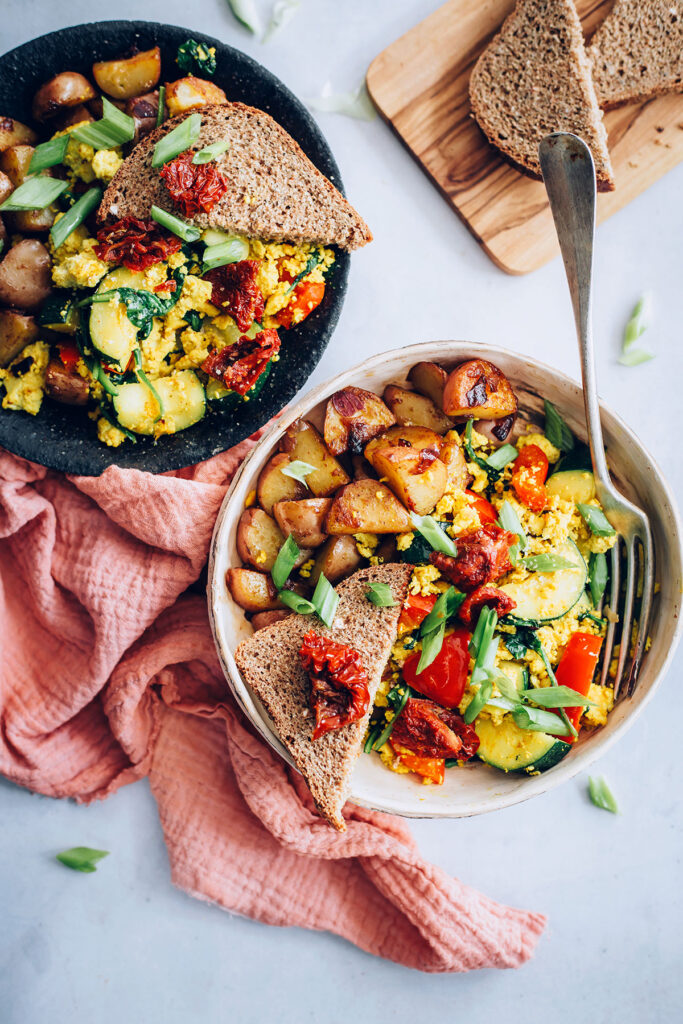
Potatoes are one of the most popular and dependable vegetables worldwide—and for good reason. They’re adaptable, nutritious, and perfect for countless plant-based recipes. Growing them at home offers far more than just a fresh supply; it’s a step toward self-sufficiency and mindful living.
Key Benefits of Homegrown Potatoes:
- Superior Taste and Freshness: Freshly dug potatoes have a natural sweetness and rich, earthy flavor that store-bought ones can’t match.
- Nutritional Value: Potatoes are high in fiber, vitamin C, potassium, and antioxidants—ideal for vegetarian diets.
- Cost-Effective: A few seed potatoes can yield several kilograms of produce.
- Sustainability: Growing your own reduces packaging waste and food miles.
- Creative Cooking: Different potato varieties let you explore new vegetarian recipes and cuisines.
When grown organically, potatoes also help you avoid pesticides and chemical fertilizers, ensuring you enjoy truly wholesome, clean food.
2. Choosing the Right Potato Varieties for Home Gardening

Before you start planting, it’s important to pick the right potato variety for your garden and cooking preferences. Potatoes are classified as early, midseason, or late varieties, depending on their growing time and yield.
| Variety | Type | Ideal For |
|---|---|---|
| Yukon Gold | Midseason | Creamy mashed potatoes, soups, roasting |
| Red Pontiac | Early | Curries, stews, and salads |
| Kennebec | Late | Baking, frying, and casseroles |
| Fingerling | Specialty | Roasting and gourmet dishes |
| Russet Burbank | Maincrop | French fries, baked potatoes |
Tip: Always purchase certified seed potatoes from a nursery or garden center. Avoid supermarket potatoes, as they’re often treated with anti-sprouting chemicals that prevent proper growth.
3. Preparing the Perfect Soil and Location
Potatoes thrive in loose, well-drained, and nutrient-rich soil. They need room to expand underground, so aeration is key.
Ideal Growing Conditions:
- Sunlight: 6–8 hours of direct sun per day.
- Soil pH: Slightly acidic (5.0–6.5).
- Temperature: 15°C–25°C is optimal.
Steps for Soil Preparation:
- Loosen the soil to about 25–30 cm deep using a garden fork.
- Mix in organic compost or aged manure to enrich nutrients.
- Ensure good drainage—waterlogged soil can cause tuber rot.
- Avoid planting potatoes where tomatoes, peppers, or eggplants grew recently to prevent disease buildup.
If space is limited, don’t worry—potatoes grow beautifully in containers, grow bags, or even buckets. Just ensure they have drainage holes and at least 30–40 cm of depth for tuber development.
4. Step-by-Step Guide to Planting Potatoes

Step 1: Prepare Seed Potatoes
Cut large seed potatoes into chunks, each with one or two “eyes” (the small buds that sprout). Let them dry for 1–2 days before planting to prevent rotting.
Step 2: Planting
- Dig trenches about 10–12 cm deep.
- Place seed pieces eyes-up, about 30 cm apart, with 60 cm between rows.
- Cover them lightly with soil and water well.
For containers: Add 10 cm of soil, place seed potatoes, and cover with 10 cm more. Add soil as plants grow taller.
Step 3: Watering and Maintenance
- Keep soil consistently moist but not soggy.
- Water deeply once or twice weekly.
- Apply mulch or straw to conserve moisture and reduce weeds.
Step 4: Hilling Up
As potato plants grow 15–20 cm tall, pile extra soil or compost around the base, covering the lower stems. This “hilling” process helps develop more tubers and protects them from sunlight exposure (which turns them green and toxic). Repeat every 2–3 weeks.
5. Organic Pest and Disease Management
Homegrown potatoes are usually hardy, but some common pests and diseases may appear. Organic solutions can easily manage them without resorting to chemicals.
Common Issues and Remedies:
| Problem | Cause | Solution |
|---|---|---|
| Aphids | Suck sap from leaves | Spray neem oil or soapy water |
| Potato Beetles | Chew leaves | Handpick or use organic insecticidal soap |
| Blight | Fungal infection | Ensure good air circulation, avoid overhead watering |
| Wireworms | Soil pests damaging tubers | Add beneficial nematodes, rotate crops |
Rotating crops each year and maintaining healthy soil ensures your plants remain resilient and disease-free.
6. Harvesting Your Homegrown Potatoes
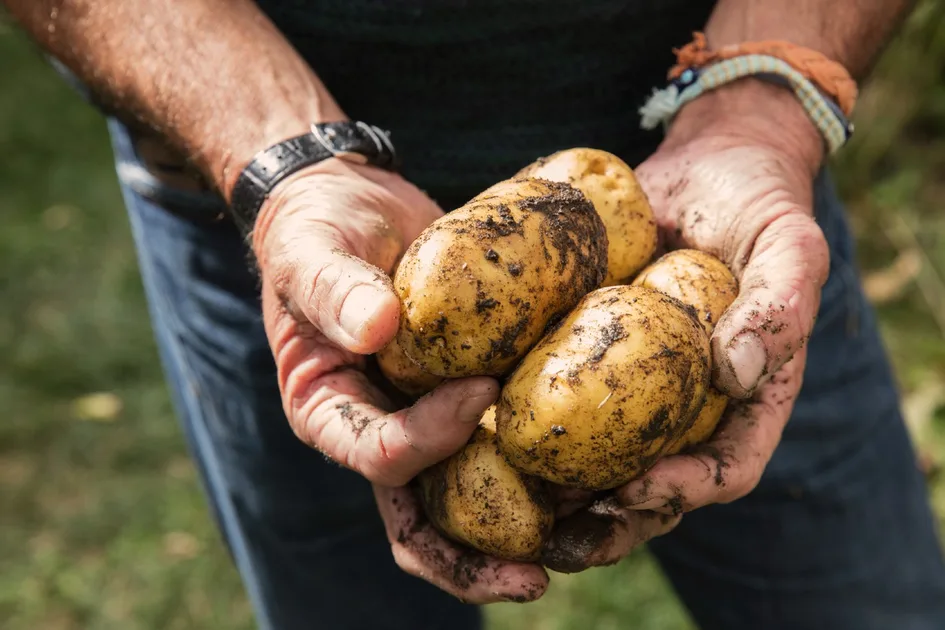
Harvest time is one of the most exciting parts of potato growing—it’s like uncovering buried treasure in your garden!
Early (New) Potatoes:
- Ready in 8–10 weeks when plants begin flowering.
- Harvest gently with your hands for tender, small potatoes perfect for salads.
Maincrop (Mature) Potatoes:
- Ready in 12–16 weeks, once leaves yellow and die back.
- Use a garden fork to dig carefully and lift tubers.
After Harvest:
- Let potatoes dry for a few hours in a shaded, well-ventilated area.
- Store in a cool, dark place (10–12°C) in breathable bags or baskets.
- Avoid exposure to sunlight to prevent greening.
Properly stored, your potatoes can last several months—ready for your vegetarian kitchen any time.
7. Transforming Your Veggie Menu with Homegrown Potatoes
Once you’ve harvested your crop, it’s time to enjoy the fruits of your labor—or in this case, the tubers! Potatoes are incredibly versatile, fitting seamlessly into a wide range of vegetarian cuisines.
Wholesome and Delicious Vegetarian Dishes:
- Garden-Fresh Potato Salad
- Boil new potatoes, toss with olive oil, lemon juice, herbs, and diced veggies for a refreshing, nutrient-packed side.
- Vegan Potato-Leek Soup
- Blend boiled potatoes with leeks, garlic, and plant-based milk for a creamy, comforting bowl.
- Aloo Gobi (Potato-Cauliflower Curry)
- A classic Indian dish combining homegrown potatoes, cauliflower, tomatoes, and spices—healthy, hearty, and vegan-friendly.
- Stuffed Baked Potatoes
- Bake large potatoes, scoop out the center, and mix with sautéed spinach, corn, and vegan cheese. Refill and bake again for a filling dinner.
- Roasted Herb Potatoes
- Toss cubed potatoes in olive oil, rosemary, and garlic. Roast until golden and crisp for a perfect side dish or snack.
- Potato and Chickpea Patties
- Mash boiled potatoes with chickpeas, herbs, and spices. Pan-sear for protein-rich, flavorful veggie burgers.
These dishes show that with homegrown potatoes, you can refresh your vegetarian menu—from comforting stews to crisp salads—without relying on store-bought ingredients.
8. Sustainable Gardening Practices for Future Harvests
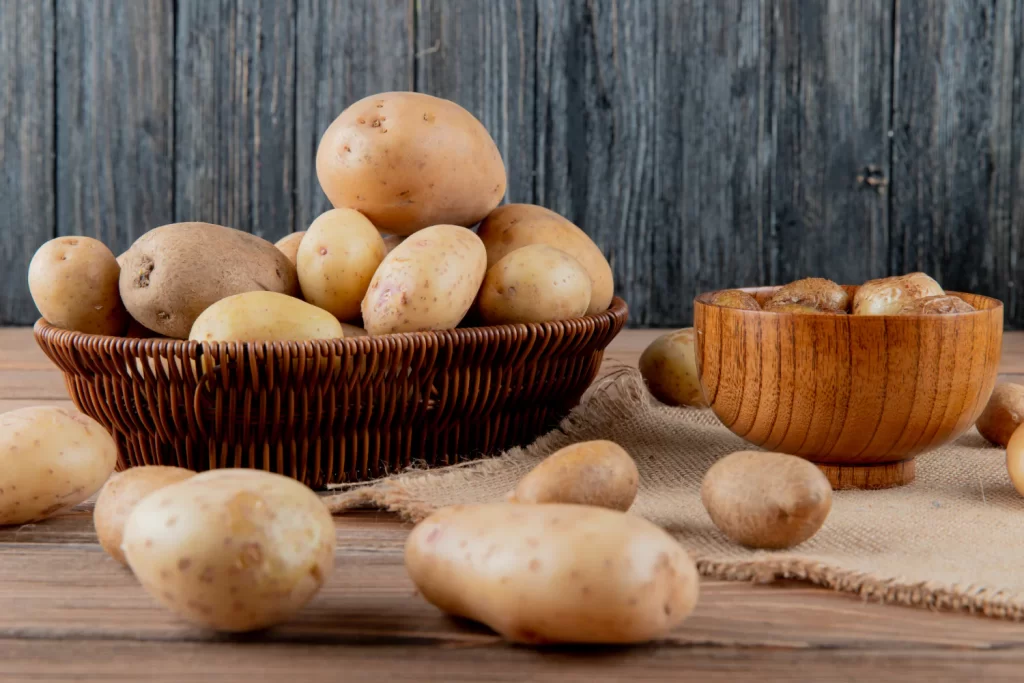
Growing potatoes at home also supports a greener, more sustainable way of living.
Eco-Friendly Gardening Tips:
- Compost Kitchen Waste: Potato peels and vegetable scraps enrich your soil naturally.
- Crop Rotation: Rotate potatoes with legumes or leafy greens to restore soil nutrients.
- Use Rainwater: Collect and reuse water for irrigation.
- Save Seed Potatoes: Keep some of your healthiest tubers for the next planting season.
By following these practices, you create a continuous cycle of growth that benefits both your garden and the environment.
9. Troubleshooting Common Growing Issues
Even the best gardeners face challenges, but most problems are easy to prevent or fix.
| Issue | Possible Cause | Solution |
|---|---|---|
| Small Potatoes | Poor soil or lack of hilling | Add compost and hill more often |
| Yellowing Leaves | Nutrient deficiency | Apply compost tea or organic fertilizer |
| Green Tubers | Sunlight exposure | Add mulch or more soil to cover |
| Rotting Tubers | Overwatering | Ensure proper drainage and moderate watering |
Regular observation and care go a long way in keeping your potato plants healthy and productive.
10. The Reward: From Soil to Supper
Growing your own potatoes is more than a gardening activity—it’s a lifestyle choice that blends wellness, sustainability, and creativity. When you dig up your first homegrown potatoes, you’ll experience a deep sense of fulfillment that no grocery store purchase can match.
Cooking with those freshly harvested tubers brings the process full circle: from soil to supper, from effort to enjoyment. Your homegrown potatoes can transform ordinary vegetarian meals into vibrant, nourishing dishes full of flavor and meaning.
Conclusion
“Grow Potatoes at Home and Transform Your Veggie Menu” is both an invitation and an inspiration. Potatoes are not only easy to cultivate but also an essential ingredient for healthy, plant-based cooking. By growing them at home, you connect more deeply with the food you eat and the environment that sustains you.
From preparing nutrient-rich soil and tending to your plants to harvesting golden tubers and cooking hearty vegetarian meals, every step is an act of self-care and sustainability. Your garden doesn’t need to be large—just filled with passion and patience. With every meal you create from your backyard harvest, you’ll be reminded that good food doesn’t start in the store—it starts in the soil beneath your feet. 🥔🌿