In an age when people are rediscovering the value of fresh, homegrown food, few crops embody simplicity, versatility, and nourishment quite like the potato. This humble vegetable—once considered a staple for survival—has now become a symbol of creativity in vegetarian kitchens. Growing your own potatoes offers more than just the satisfaction of harvesting your own food; it’s a gateway to a world of inventive, healthy, and flavorful plant-based dishes.
Whether you’re a seasoned gardener or a beginner, cultivating potatoes at home is surprisingly easy—and the culinary possibilities they bring are endless. Let’s explore how homegrown potatoes can transform your vegetarian cooking from simple meals to inspired creations straight from the garden.
1. The Joy of Growing Potatoes at Home
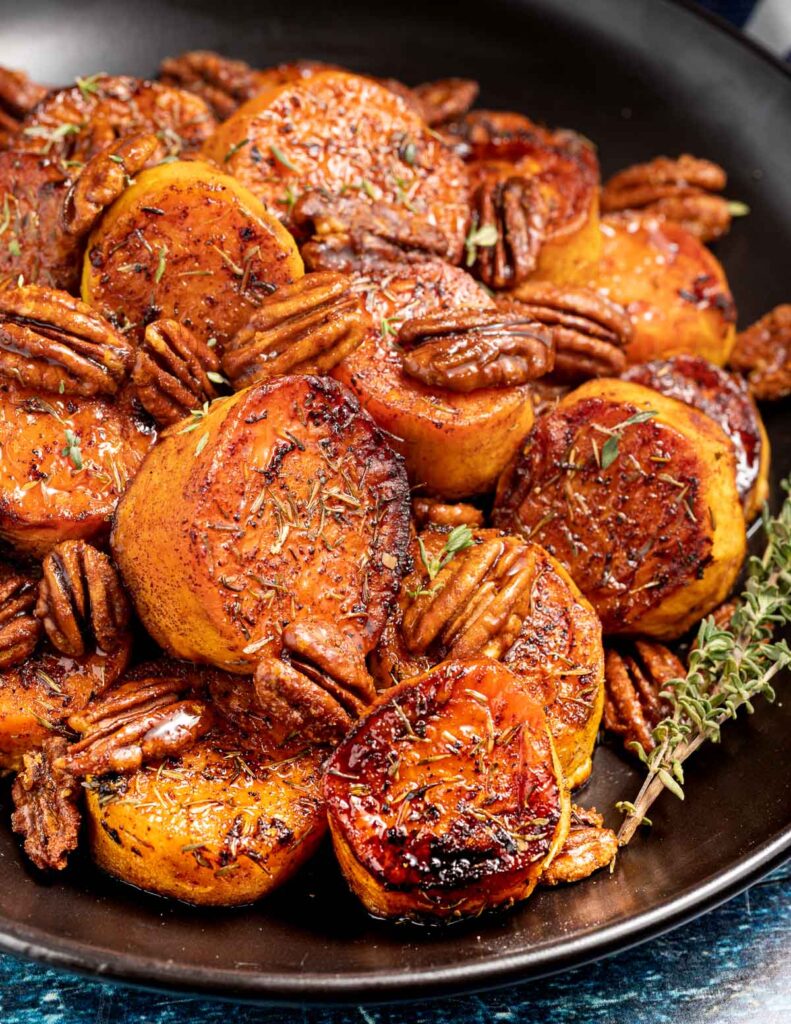
Potatoes are a gardener’s dream. They’re resilient, productive, and thrive in a variety of climates. Even if you only have a small garden bed or a few containers on your balcony, you can grow enough potatoes to feed your family and stock your pantry.
What makes them special is their incredible yield—each potato seed can produce up to 10 times its weight in harvest. They don’t demand much space or complicated care, yet reward you with baskets of beautiful tubers in just a few months.
But beyond practicality, there’s something emotionally fulfilling about growing your own potatoes. You see the transformation from small seed pieces buried in the soil to green leafy plants, and finally, to plump golden treasures unearthed from the earth. It’s nature’s perfect metaphor for patience and reward.
2. Picking the Perfect Potato Varieties
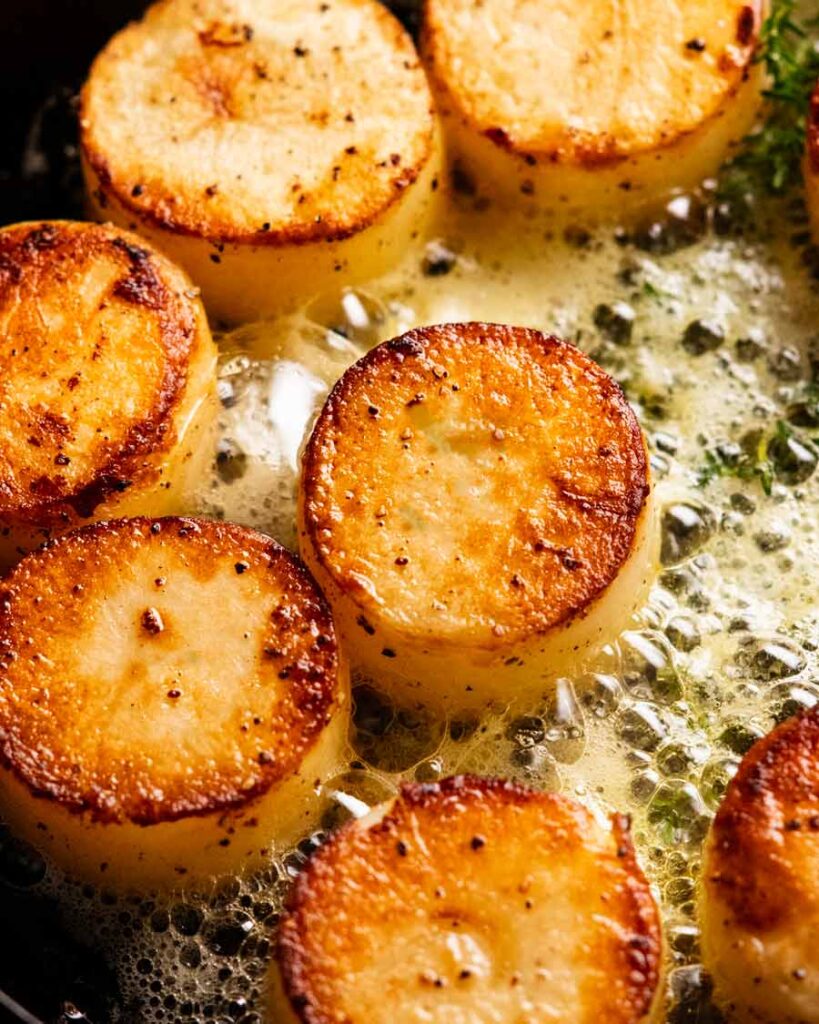
Your cooking style can guide which potato varieties to grow. Each type has a unique texture and flavor that suits different vegetarian dishes. Here are some popular options for creative cooks:
- Yukon Gold: Creamy, buttery flavor—ideal for mashing, curries, and casseroles.
- Red Pontiac: Firm and smooth—perfect for salads or soups.
- Russet Burbank: Fluffy and light—excellent for baking or air-frying.
- Fingerling Potatoes: Small, nutty, and elegant—best for roasting or gourmet plating.
- Purple Majesty: Vibrant color with earthy taste—adds a visual punch to veggie bowls or stir-fries.
Mixing a few varieties in your garden not only adds beauty but also ensures you have the perfect potato for every cooking occasion.
3. Getting Started: Planting and Caring for Potatoes

Growing potatoes is simple, but a few smart techniques can ensure an abundant harvest.
A. Preparing the Soil
Potatoes love loose, well-drained, nutrient-rich soil. Start by tilling the area about 10 inches deep. Mix in compost or aged manure to improve texture and nutrition. Avoid soggy areas, as too much water can rot the tubers.
B. Choosing Seed Potatoes
Use certified seed potatoes rather than supermarket ones, as they’re disease-free and designed for planting. Cut large seed potatoes into chunks with at least one “eye” each and let them dry for a day before planting.
C. Planting
- Dig trenches 6–8 inches deep.
- Place potato pieces about 12 inches apart, eyes facing upward.
- Cover with 3–4 inches of soil.
- As plants grow, gradually “hill up” more soil around the stems to protect developing potatoes from sunlight and promote more tuber growth.
If you’re short on space, try grow bags, containers, or vertical towers. Potatoes adapt easily to confined environments, making them ideal for small urban gardens.
4. Caring for Healthy Potato Plants
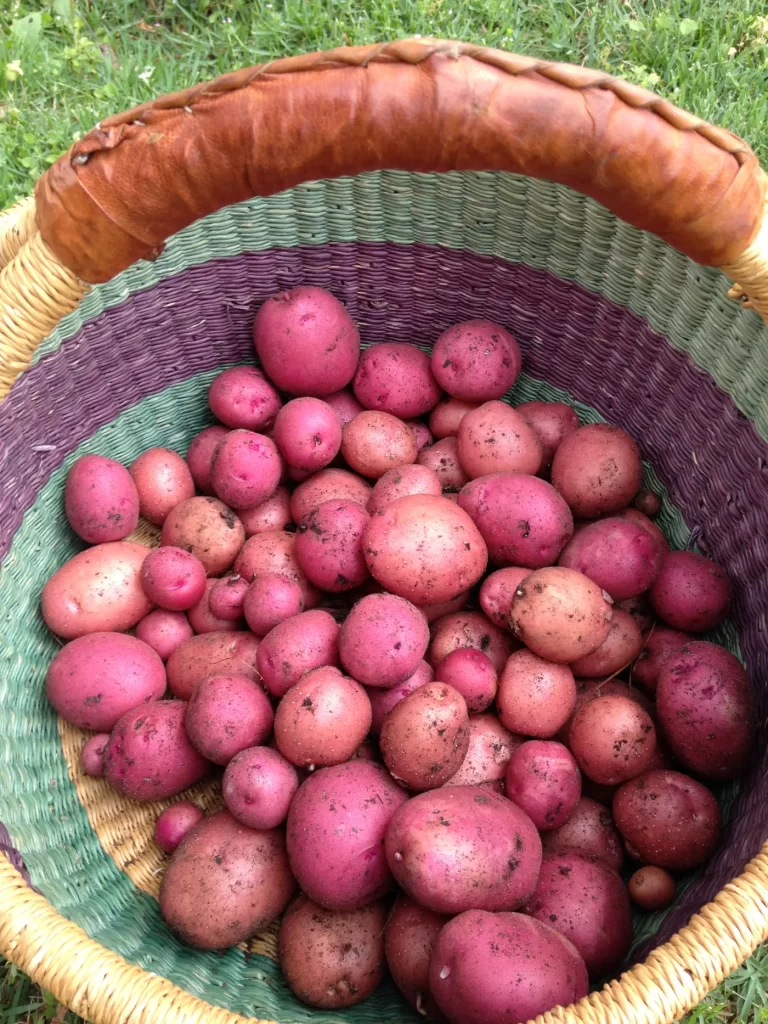
Potatoes need consistent watering, especially during tuber formation. Aim for about 1–2 inches of water per week. Always water at the base to keep leaves dry and prevent fungal diseases.
Mulching with straw or dried leaves helps retain moisture, suppress weeds, and protect the soil from temperature fluctuations.
For natural pest control, rotate crops yearly, use companion plants like marigolds to deter beetles, and inspect leaves regularly. A little attention goes a long way toward keeping your plants healthy and thriving.
5. Harvesting and Storing Your Potatoes
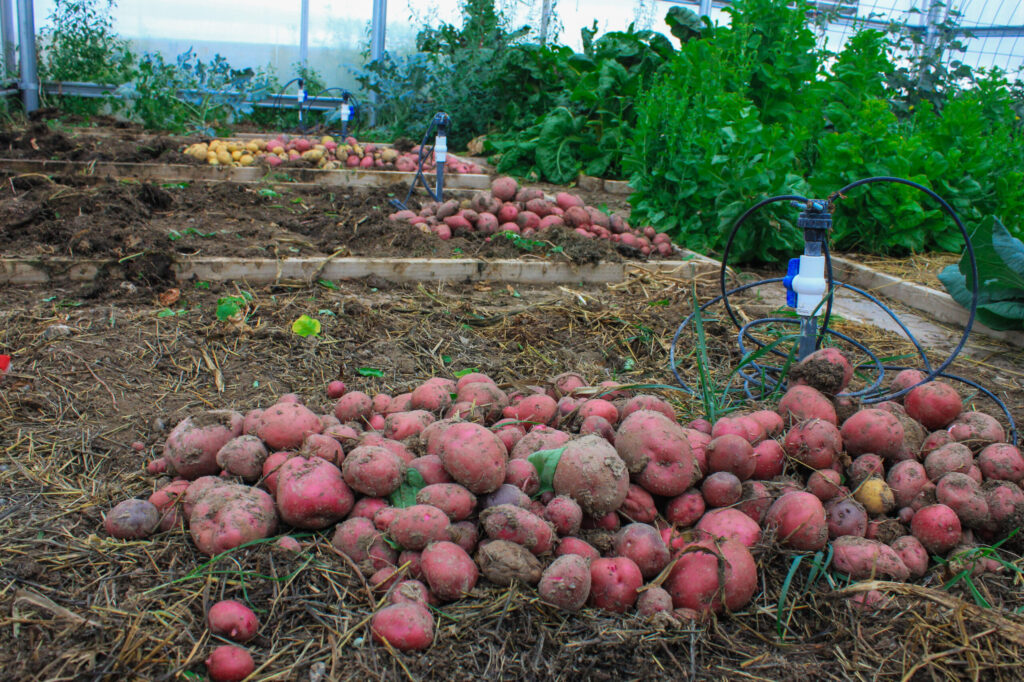
You’ll know it’s time to harvest when the leaves start turning yellow and die back. For new potatoes, you can dig gently around the plants a few weeks after flowering. For mature ones, wait until the foliage completely withers.
Use a garden fork or your hands to lift the tubers carefully—bruised potatoes don’t store well. Once harvested, let them cure in a cool, dark place for about two weeks. This toughens their skin and enhances their flavor.
After curing, store your potatoes in breathable bags or baskets in a cool, dark, and dry area. Avoid sunlight, which can cause greening and bitterness. With proper storage, your homegrown potatoes will last for several months—ready for your next creative vegetarian dish.
6. The Creative Side of Vegetarian Potato Cooking
Now comes the fun part—turning your fresh harvest into mouthwatering vegetarian dishes. Potatoes are the ultimate blank canvas; they absorb flavors beautifully and pair with almost any ingredient. Here are some inspiring ideas for creative vegetarian cooking:

A. Global-Inspired Potato Dishes
- Indian Aloo Curry: Combine diced potatoes with peas, onions, tomatoes, and spices like turmeric, cumin, and coriander for a comforting curry.
- Spanish Patatas Bravas: Roast bite-sized potatoes and serve with smoky tomato sauce and garlic aioli for a tapas-style treat.
- Japanese Potato Croquettes (Korokke): Mash potatoes with carrots and onions, shape into patties, coat with breadcrumbs, and pan-fry to golden perfection.
Each dish shows how the same vegetable can travel the world through diverse flavors.
B. Wholesome Veggie Bowls
Create a balanced bowl with roasted potatoes as the base. Add sautéed spinach, chickpeas, avocado, and a lemon-tahini drizzle. The result? A vibrant, nutrient-packed meal bursting with color and texture.
C. Rustic Comfort Classics
- Herbed Mashed Potatoes: Add roasted garlic, olive oil, and chopped herbs for a creamy, dairy-free side.
- Potato and Leek Soup: Blend cooked potatoes, leeks, and vegetable broth for a silky, satisfying soup perfect for cool evenings.
- Vegetarian Shepherd’s Pie: Layer mashed potatoes over lentils and vegetables, then bake until golden.
These hearty dishes turn humble potatoes into stars of the vegetarian table.
D. Light and Refreshing Options
Not all potato dishes need to be heavy! Try these fresh takes:
- Warm Potato Salad with Mustard Vinaigrette: Toss boiled red potatoes with green beans, parsley, and a tangy dressing.
- Grilled Potato Skewers: Thread fingerling potatoes with zucchini and bell peppers, brush with olive oil and herbs, and grill for a smoky summer dish.
7. Nutritional Benefits of Potatoes in a Vegetarian Diet
Potatoes are often misunderstood as “fattening,” but when prepared healthily, they’re a nutrient powerhouse.
They’re naturally low in fat and high in complex carbohydrates, providing long-lasting energy—ideal for vegetarians who rely on plant-based proteins. A medium potato offers:

- Vitamin C – Boosts immunity and collagen production.
- Potassium – Helps regulate blood pressure.
- Vitamin B6 – Supports metabolism and brain function.
- Fiber (especially in the skin) – Promotes digestion and fullness.
When you grow them organically and cook them creatively—boiled, baked, roasted, or steamed—they become one of the healthiest staples in a vegetarian kitchen.
8. How Growing Potatoes Encourages Mindful Eating
One of the hidden benefits of growing your own food is how it transforms your relationship with what you eat. You become more connected to the rhythms of nature, more aware of food waste, and more appreciative of every ingredient on your plate.
When you harvest potatoes from your backyard and turn them into a meal, you’re engaging in mindful eating—a deeper understanding of where your food comes from and the care it requires. This connection makes meals not just nourishing but meaningful.
9. Sustainable Cooking: Zero Waste from Garden to Kitchen
Potatoes fit beautifully into a zero-waste cooking philosophy. Every part of the process, from peel to plate, can be utilized:
- Potato peels can be baked into crispy snacks.
- Leftover mash can form the base for veggie patties or gnocchi.
- Cooking water from boiling potatoes adds starch and nutrients to soups or bread dough.
By growing and cooking thoughtfully, you reduce your environmental impact while maximizing flavor and nutrition.
10. Conclusion: Creativity Begins in the Garden
Homegrown potatoes are more than a crop—they’re a canvas for creativity, a symbol of self-sufficiency, and a link between soil and supper. When you plant potatoes in your backyard or balcony pots, you’re not just growing vegetables—you’re growing inspiration for your vegetarian kitchen.
From creamy soups to vibrant salads, from spicy global curries to cozy casseroles, the humble potato adapts to every flavor and season. The difference between store-bought and homegrown isn’t just taste—it’s the pride and mindfulness that come from cultivating your own ingredients.
So this season, dig your hands into the soil, plant a few seed potatoes, and watch as your garden transforms into a source of both nourishment and creativity. When harvest time arrives, your kitchen will come alive with the warmth of homemade, plant-based dishes—each one flavored with freshness, sustainability, and a little bit of your own heart.
Because when you grow it yourself, even the simplest potato tastes extraordinary.