There’s something magical about digging your hands into the soil, pulling out fresh potatoes, and then cooking them into a wholesome meal that fills your kitchen with comfort and aroma. Potatoes are among the easiest and most rewarding vegetables to grow—and when you cultivate them yourself, you unlock a fresher, healthier, and more flavorful way to enjoy your favorite vegetarian dinners.
This guide walks you through the full journey: from planting and caring for your potato crop to turning your homegrown harvest into nourishing, delicious veggie meals. Whether you’re a beginner gardener or simply looking to eat better, you’ll discover just how satisfying it is to grow your own food—and taste the difference it makes.
1. Why Potatoes Deserve a Spot in Your Garden
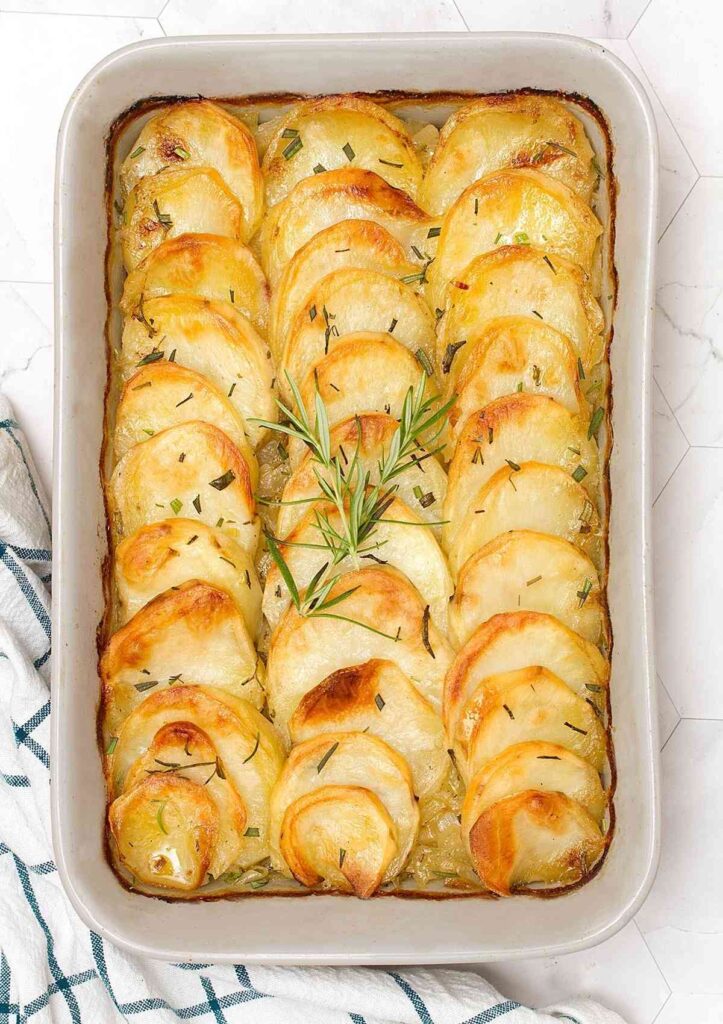
Potatoes are one of the most versatile crops you can grow. They’re easy to plant, require little maintenance, and produce generous yields even in small spaces. But beyond convenience, there are many reasons to grow them yourself:
- Freshness equals flavor: Homegrown potatoes taste richer and creamier than store-bought ones.
- Nutrition you can trust: When you control how they’re grown, you ensure they’re free from pesticides and chemical fertilizers.
- Self-sufficiency: A single potato plant can yield several pounds of food, making it perfect for sustainable living.
- Culinary versatility: Potatoes form the base of countless vegetarian dishes—from curries to soups, stews, and grain bowls.
Growing your own potatoes is more than just gardening—it’s about cultivating the foundation of countless healthy, plant-based meals.
2. Choosing the Right Potato Varieties for Veggie Dinners
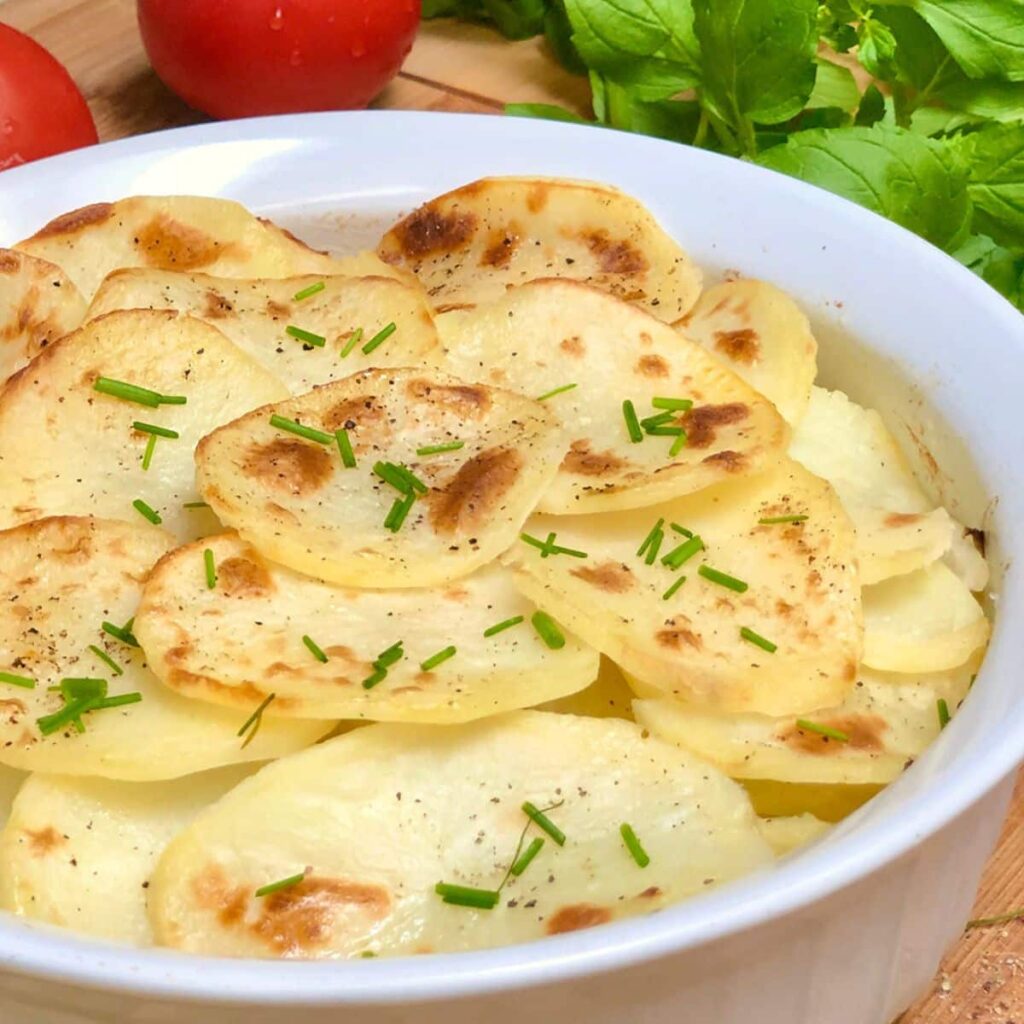
Each type of potato brings its own flavor, texture, and ideal cooking use. Choosing the right variety can help you tailor your harvest to your favorite vegetarian recipes.
Here’s a quick guide to popular choices:
- Yukon Gold: Creamy and buttery; perfect for mashing, roasting, and skillet dishes.
- Red Pontiac: Moist and smooth; ideal for salads and soups.
- Russet Burbank: Starchy and fluffy; great for baking or making crispy fries.
- Fingerling Potatoes: Small, firm, and flavorful; roast beautifully with herbs.
- Purple Majesty: Striking color, rich in antioxidants, and great for adding variety to your plate.
For the best results, plant two or three varieties—you’ll have more diversity in both flavor and texture for your meals.
3. Preparing Your Garden for Potato Planting
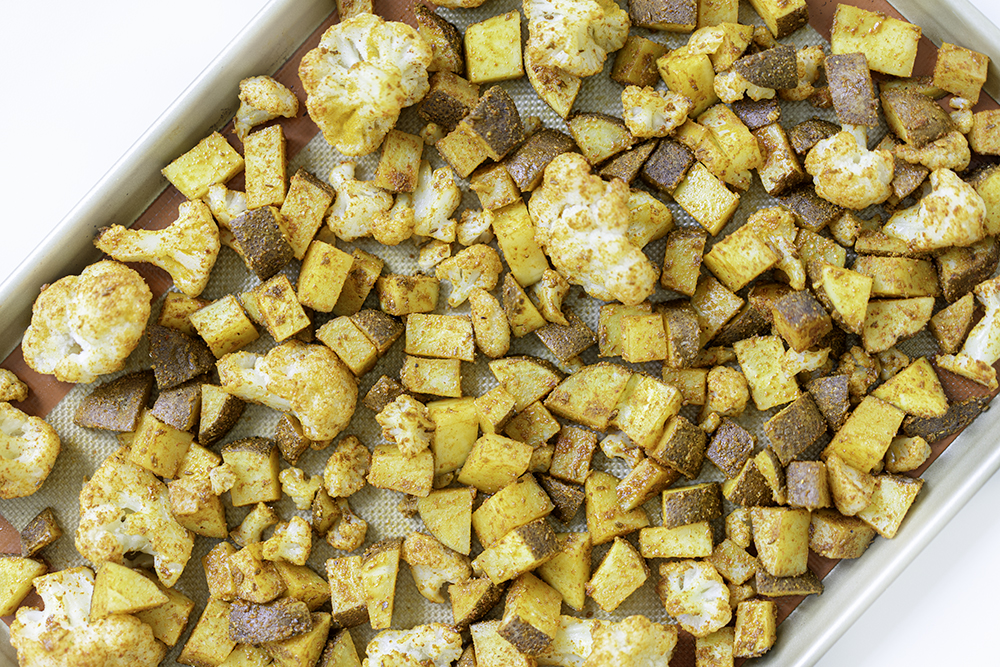
Potatoes aren’t picky, but they thrive best in the right soil and setting.
A. Location
Choose a sunny spot with at least 6–8 hours of direct sunlight daily. Potatoes prefer cool weather, so aim to plant them 2–4 weeks before the last frost in your area.
B. Soil Preparation
Potatoes love loose, well-drained, slightly acidic soil (pH 5.5–6.5).
Here’s how to prep it:
- Loosen the soil 10–12 inches deep.
- Mix in organic compost or aged manure for nutrients.
- Avoid compacted or soggy soil, which can lead to rot.
If space is limited, don’t worry—potatoes grow beautifully in raised beds, large pots, or grow bags. They’re one of the most flexible crops for urban gardeners.
4. Starting with Healthy Seed Potatoes
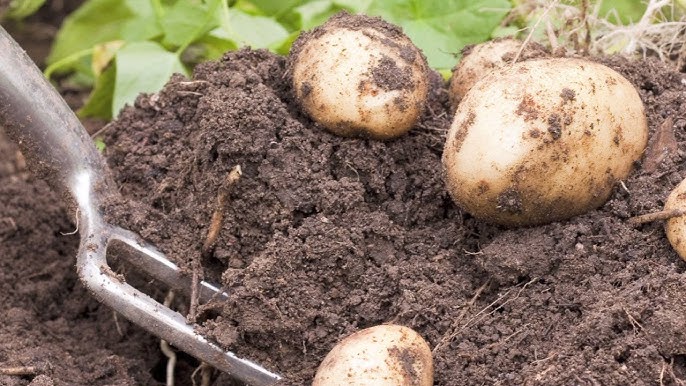
Always use certified seed potatoes instead of supermarket ones. Store-bought potatoes are often treated to prevent sprouting and may carry diseases.
Before planting:
- Cut large seed potatoes into pieces, each with one or two eyes (the small buds).
- Let them dry for a day or two to form a protective skin.
- Optionally, “chit” or pre-sprout them by placing them in a cool, bright area for 1–2 weeks until small green shoots appear.
This small preparation step encourages faster, stronger growth once planted.
5. Easy Ways to Plant Potatoes

A. Traditional In-Ground Planting
- Dig trenches about 6–8 inches deep and 2–3 feet apart.
- Place seed potatoes 12 inches apart, eyes facing upward.
- Cover them with 3–4 inches of soil.
- As the plants grow, hill soil around the base every couple of weeks to protect tubers from sunlight and encourage growth.
B. Container or Grow Bag Planting
For small spaces, this method works perfectly:
- Fill a large bag or pot with 6 inches of soil.
- Place seed potatoes on top and cover lightly.
- As the plants grow, keep adding soil until the container is full.
This approach keeps your potatoes clean, easy to harvest, and free from weeds.
6. Caring for Your Potato Plants
Potatoes are fairly low-maintenance, but consistent care makes a big difference in yield and quality.
Watering
- Water deeply once or twice a week, giving about 1–2 inches total.
- Keep the soil evenly moist but never waterlogged.
- Water in the morning to prevent leaf diseases.
Feeding
Feed potatoes with organic compost or vegetable fertilizer at planting time and again mid-season.
Avoid too much nitrogen—it makes lush leaves but small tubers. Instead, choose fertilizers rich in phosphorus and potassium to encourage root development.
Mulching
Add a layer of straw, dried leaves, or grass clippings around plants to:
- Retain moisture
- Suppress weeds
- Keep tubers cool and dark
- Enrich the soil as mulch decomposes
Mulching is one of the easiest ways to ensure a healthy, abundant crop.
7. Protecting Your Potato Patch Naturally
While potatoes are hardy, pests and diseases can occasionally strike. Here’s how to keep your crop safe naturally:
- Crop rotation: Don’t grow potatoes in the same area every year—wait at least three years before replanting in the same spot.
- Pests: Hand-pick Colorado potato beetles or use neem oil spray.
- Aphids: Rinse off with water or use organic insecticidal soap.
- Fungal blight: Water the base of plants, not the leaves, and ensure good air circulation.
Healthy soil, crop rotation, and organic pest management help maintain a thriving, chemical-free garden.
8. Harvesting Your Potatoes
Harvesting potatoes is one of the most exciting parts of gardening—it’s like uncovering buried treasure!
- For baby potatoes: Harvest about 2–3 weeks after the plants flower. These tender young potatoes are perfect for steaming or salads.
- For mature potatoes: Wait until the leaves yellow and die back. Carefully dig around the base of each plant with a fork or by hand to avoid bruising the tubers.
After harvesting, let potatoes cure for 1–2 weeks in a dark, cool, well-ventilated area. This toughens their skin and improves flavor and storage life.
9. Storing Your Harvest for Long-Term Use
Proper storage keeps your homegrown potatoes fresh for months.
- Store in a cool (40–50°F / 4–10°C), dark, and dry area.
- Use breathable containers like burlap sacks, paper bags, or wooden crates.
- Keep them away from onions—they release gases that cause sprouting.
- Avoid refrigerating potatoes, as cold temperatures turn starch into sugar, altering taste.
With good curing and storage, you’ll have fresh potatoes ready for healthy vegetarian dinners long after harvest season.
10. Cooking Up Healthy Veggie Dinners with Your Harvest
Once your potatoes are ready, it’s time to enjoy the most rewarding part—transforming them into wholesome, plant-based meals. Their versatility makes them a staple in vegetarian cooking.
Here are a few delicious ways to use your homegrown potatoes:
A. Roasted Potato and Veggie Bowl
- Toss cubed potatoes with olive oil, garlic, and rosemary.
- Roast with bell peppers, carrots, and zucchini.
- Serve with a drizzle of tahini or yogurt sauce for a hearty vegetarian dinner.
B. Potato and Spinach Curry
- Sauté onions, garlic, and ginger with spices like turmeric and cumin.
- Add boiled potatoes and fresh spinach.
- Simmer in coconut milk for a rich, satisfying meal served with rice or flatbread.
C. Creamy Potato Soup
- Combine diced potatoes, leeks, and vegetable broth.
- Blend until smooth, then stir in herbs or a splash of cream (or cashew milk for vegan).
D. Stuffed Baked Potatoes
- Bake Russet potatoes until fluffy.
- Fill with sautéed veggies, beans, and melted cheese—or a vegan alternative.
E. Warm Potato Salad
- Boil Red Pontiacs, toss with olive oil, mustard, herbs, and green beans for a light, tangy side dish.
Each dish celebrates the earthy sweetness and creamy texture of your homegrown potatoes—proof that good food starts in the garden.
11. The Connection Between Gardening and Healthy Eating
Growing your own potatoes doesn’t just fill your pantry—it transforms how you think about food. You become more mindful of what you eat, waste less, and appreciate every meal more deeply.
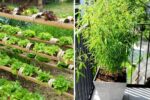
Gardening encourages a balanced diet by making fresh vegetables more accessible. When you grow your own, you naturally cook with fewer processed ingredients and more whole foods—an effortless path to healthier eating.
And the satisfaction of cooking dinner with ingredients you grew yourself? That’s nourishment for both the body and the soul.
12. Conclusion: From Soil to Supper
Growing your own potatoes is one of the simplest and most rewarding ways to embrace a healthier, plant-based lifestyle. With just a small patch of soil—or even a container on your balcony—you can produce pounds of nutritious, chemical-free food.
From the first sprout to the final meal, the journey connects you to nature, sustainability, and the joy of homegrown flavor. Your harvest becomes the heart of healthy veggie dinners that are fresher, tastier, and better for you than anything store-bought.
So grab a few seed potatoes, plant them in rich soil, and let your garden grow. Because when you grow your own potatoes, you’re not just cultivating food—you’re cultivating wellness, creativity, and a deeper connection to what you eat.