Imagine stepping into your backyard, brushing aside soft garden soil, and uncovering a treasure trove of golden potatoes—fresh, earthy, and bursting with flavor. With a few simple steps, what starts as a handful of seed potatoes can transform into a kitchen full of hearty, wholesome meals. Growing your own potatoes is more than just gardening—it’s a cycle of life, nourishment, and creativity.
In this article, we’ll explore how to turn soil into supper by growing potatoes that elevate every vegetarian dish. From planting and harvesting to cooking and savoring, discover how this humble crop can enrich your veggie kitchen with both nutrition and inspiration.
1. The Magic of Growing Your Own Food

There’s something profoundly satisfying about producing your own ingredients. Potatoes, in particular, are a perfect crop for beginners—they’re forgiving, productive, and incredibly versatile in the kitchen.
When you grow potatoes yourself, you gain more than just food. You gain:
- Freshness: Homegrown potatoes taste richer and creamier.
- Sustainability: Growing your own reduces packaging waste and carbon footprint.
- Control: You decide how they’re grown—no chemicals, no additives.
- Connection: Gardening connects you to nature and to what you eat.
From soil to supper, every potato you harvest becomes a reminder that healthy, delicious meals can start right in your backyard.
2. Why Potatoes Are a Vegetarian Kitchen Essential
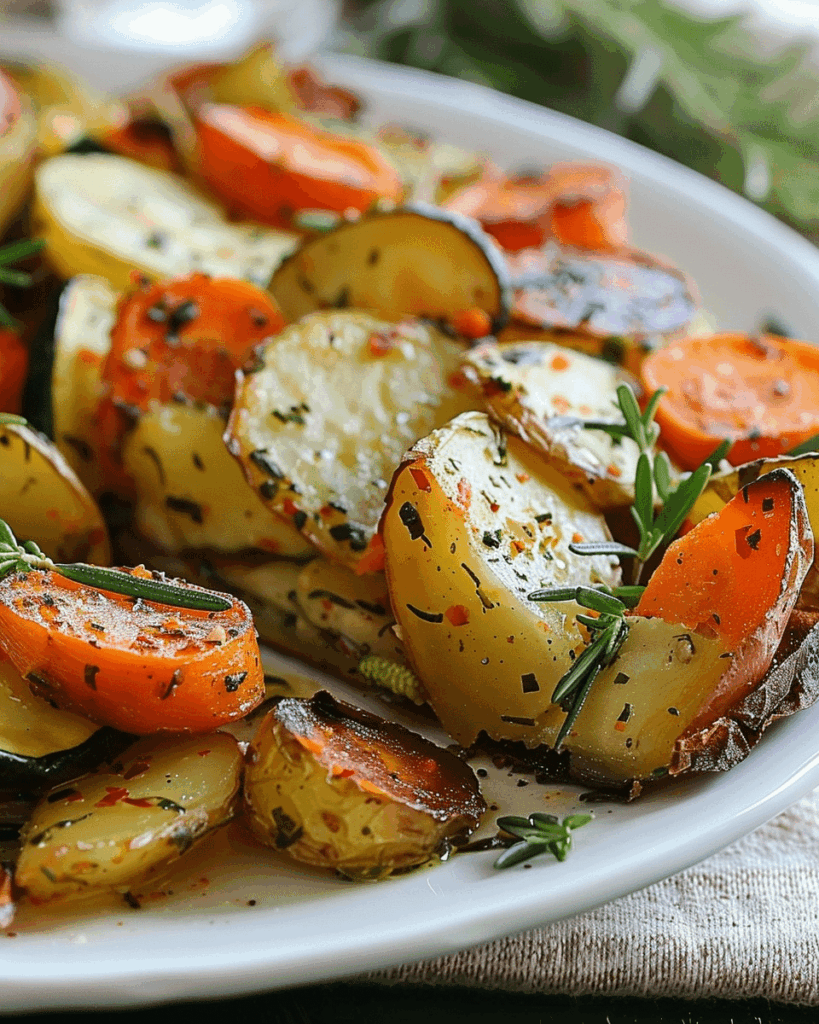
Potatoes are one of the world’s most loved vegetables—and for good reason. They’re nutritious, filling, and incredibly adaptable. For a vegetarian kitchen, they’re indispensable.
- Nutritionally Balanced: Potatoes are rich in vitamin C, B6, potassium, and fiber, making them an excellent energy source.
- Culinary Versatility: You can mash, roast, grill, fry, or steam them.
- Pairing Power: Potatoes complement nearly every vegetable, legume, or grain.
They serve as both comfort food and culinary canvas—simple enough for everyday meals yet elegant enough for creative vegetarian dishes.
3. Choosing the Best Potato Varieties for the Veggie Kitchen
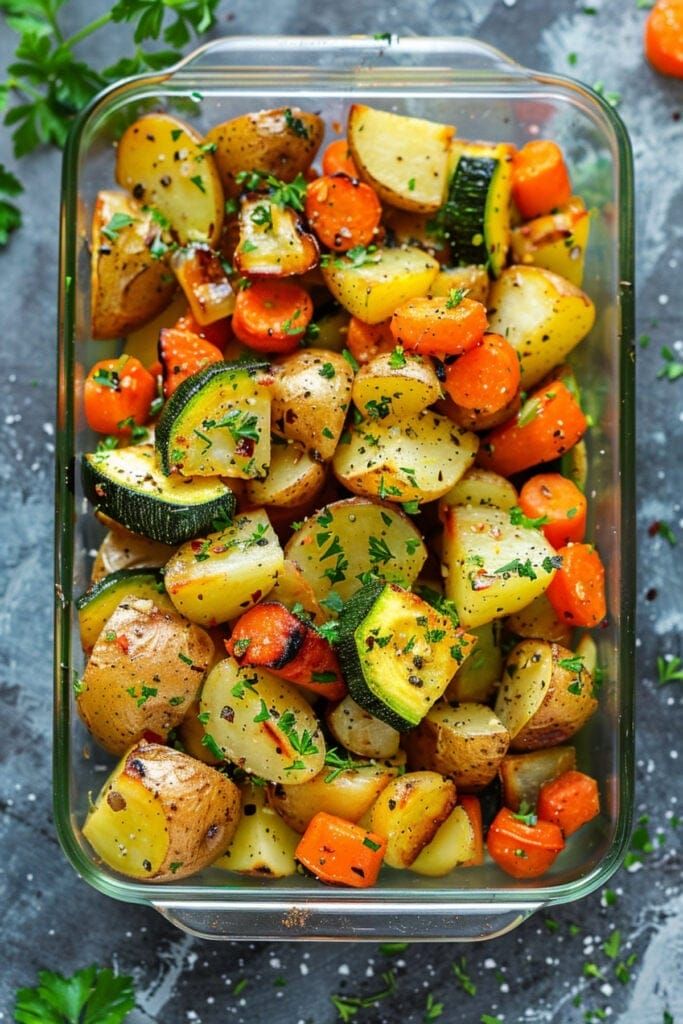
Different potato types have unique textures and flavors. Choosing the right ones ensures you get the perfect result in your cooking.
| Type | Texture | Best For |
|---|---|---|
| Yukon Gold | Creamy and buttery | Mashing, roasting, and soups |
| Red Pontiac | Moist and firm | Salads, stews, and curries |
| Russet Burbank | Light and fluffy | Baking or crispy fries |
| Fingerling Potatoes | Firm and nutty | Gourmet roasting or grilling |
| Purple Majesty | Earthy and colorful | Stir-fries, bowls, or chips |
Planting multiple varieties ensures a diverse harvest that supports every style of vegetarian cooking—from creamy curries to crisp oven fries.
4. Preparing Your Soil for a Successful Harvest
Turning soil into supper begins with healthy, fertile ground. Potatoes thrive in loose, well-drained soil rich in organic matter.
Here’s how to prepare your garden:
- Choose a sunny spot that receives at least 6–8 hours of sunlight.
- Loosen the soil 10–12 inches deep using a fork or tiller.
- Add compost or aged manure to enrich nutrients.
- Ensure the soil pH is slightly acidic (around 5.5–6.5).
If you have limited space, you can still grow potatoes in grow bags, containers, or raised beds. They adapt easily and yield well in compact spaces.
5. Planting Potatoes the Simple Way
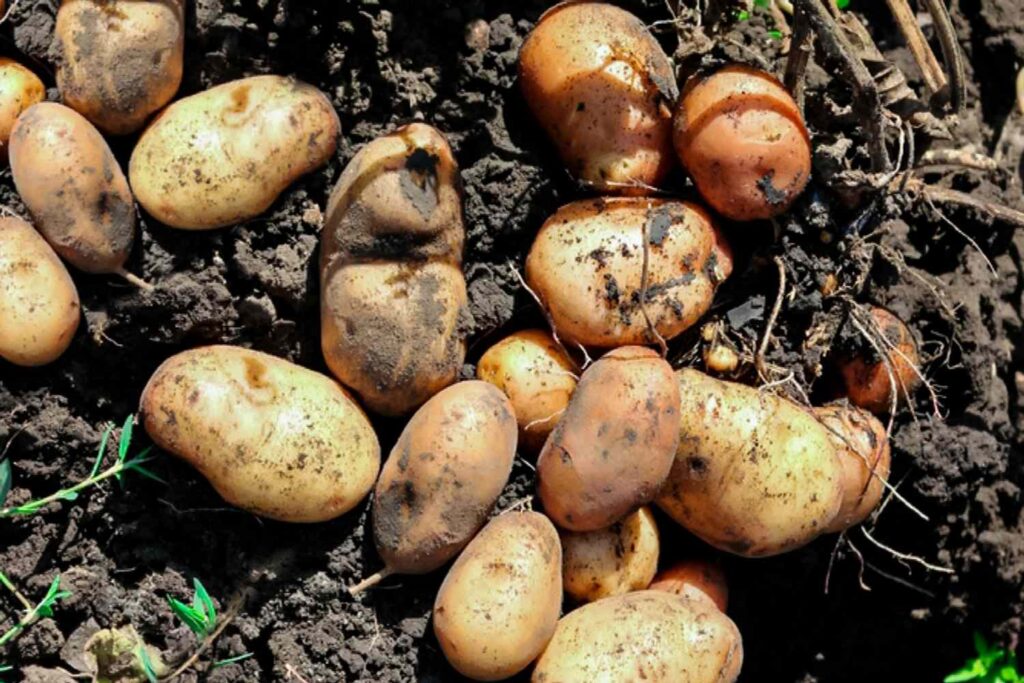
A. Select Seed Potatoes
Use certified disease-free seed potatoes from a nursery, not grocery store ones (which may be treated to prevent sprouting).
B. Prepare for Planting
Cut large seed potatoes into chunks, each with at least one or two “eyes” (small buds). Let them air-dry for a day or two before planting.
C. Planting Process
- Dig trenches about 6–8 inches deep and 2–3 feet apart.
- Place seed pieces 12 inches apart, eyes facing upward.
- Cover with about 3–4 inches of soil.
- As plants grow, hill up soil around the stems to protect developing tubers and encourage higher yield.
In containers, start with 6 inches of soil, then keep adding soil as the plant grows until the container is full.
6. Caring for Your Potato Plants

Potatoes are resilient, but they appreciate consistent care for the best results.
Watering
Keep soil moist but not waterlogged. Water 1–2 times a week, focusing at the base rather than the leaves to prevent disease.
Mulching
Add straw, dried leaves, or grass clippings around the plants to:

- Retain moisture
- Control weeds
- Keep tubers cool and shaded
Fertilizing
Feed your plants with compost or balanced vegetable fertilizer early in the season and again before flowering. Avoid excessive nitrogen—too much promotes leaves over tubers.
Pest Protection
Use organic methods like neem oil spray, companion planting (with marigolds or basil), and regular inspections to keep pests away.
With minimal effort, your potato patch will thrive and reward you with an abundant, chemical-free harvest.
7. Harvesting: Unearthing Your Supper
Harvesting potatoes is one of gardening’s most exciting moments—it’s like digging for buried treasure.
- For baby potatoes, harvest 2–3 weeks after flowering.
- For mature potatoes, wait until the foliage turns yellow and dies back.
Use a garden fork or your hands to carefully lift the tubers from the soil. Allow them to dry before brushing off dirt.
Cure them in a cool, dark place for 1–2 weeks to toughen their skin and enhance storage life. Properly cured potatoes can last for several months—long enough to supply your veggie kitchen all season.
8. Cooking with Homegrown Potatoes: Turning Harvest into Art
Now comes the most satisfying part—transforming your homegrown harvest into delicious vegetarian creations. Potatoes’ versatility means they can shine in any dish, from hearty comfort foods to light, fresh salads.
A. Warm Comfort Creations
- Garlic Mashed Potatoes with Olive Oil: Creamy, smooth, and perfect with roasted vegetables or lentil loaves.
- Potato and Spinach Curry: Tender cubes of potatoes simmered in coconut milk and fragrant spices—rich, satisfying, and purely plant-based.
- Vegetarian Shepherd’s Pie: A savory lentil filling topped with golden mashed potatoes—a classic comfort meal reimagined for vegetarians.
B. Light and Fresh Meals
- Lemon Herb Potato Salad: Toss boiled baby potatoes with parsley, mustard, and olive oil for a zesty twist.
- Roasted Veggie Bowl: Combine roasted potatoes with zucchini, chickpeas, and tahini sauce for a protein-packed bowl.
- Stuffed Baked Potatoes: Fill baked potatoes with sautéed veggies, beans, and cheese—or a vegan cashew cream—for a creative weeknight dinner.
C. Global Inspirations
- Spanish Patatas Bravas: Crispy potatoes topped with spicy tomato sauce and vegan aioli.
- Japanese Potato Croquettes: Lightly breaded and pan-fried for a crunchy, satisfying bite.
- Mexican Potato Tacos: Spiced mashed potatoes wrapped in corn tortillas with avocado and salsa.
With your homegrown potatoes, you’ll rediscover the joy of cooking creatively, using ingredients that taste better because they come straight from your soil.
9. The Health and Sustainability Benefits
Growing and cooking with your own potatoes isn’t just about flavor—it’s about fostering health and sustainability.
Health Perks
- Low in fat, high in fiber, and packed with vitamins and minerals.
- Help maintain energy and blood sugar balance when cooked healthfully (boiled, baked, or roasted).
- Encourage more plant-based, wholesome eating habits.
Sustainability
- Reduces food miles and packaging waste.
- Encourages composting and organic soil enrichment.
- Teaches self-reliance and appreciation for local food cycles.
Every potato you grow supports not only your own health but also the health of the planet.
10. From Soil to Supper: A Lifestyle of Wholesome Creativity
Turning soil into supper isn’t just an act—it’s a philosophy. It’s about slowing down, reconnecting with the land, and finding creativity in the everyday act of cooking.
When you plant a potato, you plant possibility. You nurture growth with your hands, harvest with patience, and cook with heart. Each meal becomes a celebration of simplicity and sustainability—a full-circle experience from garden to plate.
And perhaps that’s the true magic of the humble potato: it reminds us that nourishment doesn’t need to be complicated. It can begin in your backyard, with a handful of soil and a bit of care, transforming into countless delicious vegetarian meals that bring joy, comfort, and meaning to your kitchen.
11. Conclusion: The Earth’s Gift to the Veggie Kitchen
Growing potatoes is one of the simplest yet most rewarding steps toward a sustainable, healthy lifestyle. From the first sprout breaking through the soil to the moment you lift a forkful of creamy mashed potatoes, you experience the full cycle of nature’s generosity.
Your veggie kitchen becomes a living reflection of your garden—a space where every meal tells a story of effort, growth, and gratitude. Potatoes, once pulled from the earth, turn into soups that soothe, salads that refresh, and dinners that comfort.
So grab your seed potatoes, roll up your sleeves, and let the soil work its quiet magic. Because when you grow your own food, you don’t just eat better—you live better. And every potato you dig up is proof that with a little soil, sunlight, and care, you can truly turn soil into supper.