There’s a quiet magic in growing your own food — the feeling of tending to something with care and watching it thrive, only to later enjoy it as a meal made by your own hands. Among the easiest and most rewarding crops to grow at home is the potato — a humble tuber that transforms into countless delicious vegetarian dishes.
The thesis “Grow Potatoes at Home to Cook Better Veggie Meals” captures a timeless idea: that gardening and cooking are deeply connected arts. By cultivating potatoes in your own backyard, balcony, or terrace, you gain fresher, tastier ingredients, a more sustainable lifestyle, and a stronger bond with the food you eat. Let’s explore how growing your own potatoes can elevate your cooking, nourish your body, and enrich your daily life.
1. Why Homegrown Potatoes Make Better Meals
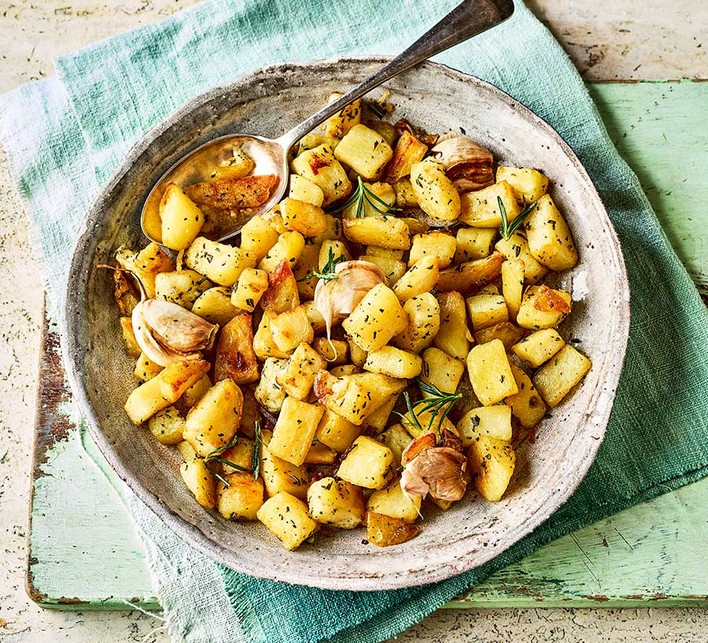
The difference between store-bought and homegrown potatoes is striking. When freshly harvested, potatoes are firmer, more flavorful, and naturally sweeter. The earthy aroma and dense texture of garden-fresh potatoes make every bite more satisfying — whether in a simple mash or a gourmet vegetarian casserole.
Homegrown potatoes help you cook better because they:
- Retain More Nutrients: Freshly harvested potatoes are rich in vitamin C, potassium, and fiber that degrade over time in storage.
- Offer Superior Texture: They absorb flavors better and hold their shape when cooked.
- Come Without Chemicals: You control what goes into your soil — no pesticides, no synthetic fertilizers.
- Encourage Creativity: When you’ve grown your own food, you naturally want to make something special from it.
And best of all, they’re incredibly easy to grow — no large garden needed, just a little soil, sunlight, and care.
2. Selecting the Right Potato Variety
Before you start planting, choose the right variety for your favorite vegetarian recipes. Potatoes come in three main categories:
- Starchy Varieties: Light and fluffy, perfect for mashing, baking, and fries.
Examples: Russet Burbank, King Edward, Maris Piper. - Waxy Varieties: Firm and moist, ideal for salads, curries, and roasting.
Examples: Red Pontiac, Charlotte, Yukon Gold. - All-Purpose Varieties: Versatile for both soft and firm dishes.
Examples: Desiree, Kennebec, Gold Rush.
If you love making vegetarian soups or stews, opt for creamy varieties like Yukon Gold. For crispy snacks and patties, go with starchy types like Russet. Growing a mix of varieties lets you cook a wider range of dishes straight from your garden.
3. Preparing the Soil: The Secret to Flavorful Potatoes
Healthy potatoes start with healthy soil. Potatoes thrive in loose, well-draining, slightly acidic soil (pH 5.5–6.5).
Steps to Prepare Your Soil:
- Choose a Sunny Spot: Potatoes need at least 6–8 hours of sunlight daily.
- Loosen the Ground: Dig or till about 25–30 cm deep to help tubers spread easily.
- Add Organic Matter: Mix in compost, old manure, or kitchen compost to enrich the soil.
- Ensure Drainage: Raised beds or grow bags are perfect if your soil retains too much water.
- Avoid Fresh Fertilizer: Fresh manure can cause scab — always use well-rotted compost.
Good soil produces flavorful, firm potatoes that are perfect for vegetarian cooking.
4. Planting: Turning a Seed Potato into a Feast

Once your soil is ready, it’s time to plant your seed potatoes — the foundation of your home harvest.
How to Plant Potatoes:
- Chit the Seed Potatoes: Place them in a cool, bright area for 2–3 weeks to encourage short, sturdy sprouts.
- Dig Trenches: About 10–15 cm deep, spaced 60 cm apart.
- Plant the Tubers: Space them 30 cm apart, sprouts facing upward.
- Cover with Soil: Lightly cover the potatoes and water well.
- Earth Up Regularly: As the plants grow, mound soil around their base every few weeks to protect developing tubers from sunlight.
If you’re short on space, don’t worry — potatoes thrive in containers, grow bags, or even large buckets. Just ensure good drainage and sunlight.
5. Caring for Your Potato Plants
Potatoes are easy to care for, but a few simple habits make a big difference:
- Water Consistently: Keep the soil evenly moist, especially during flowering (when tubers form). Avoid overwatering.
- Mulch the Soil: Add straw or leaves around plants to retain moisture and prevent weeds.
- Feed Naturally: Use compost tea or organic fertilizer every 3–4 weeks to boost growth.
- Protect from Pests:
- Rotate crops each season.
- Use neem oil or garlic spray as natural pest deterrents.
- Plant companion crops like beans or marigolds to repel insects.
Healthy plants lead to abundant harvests — and healthier meals on your table.
6. Harvesting: The Reward of Home Gardening
The most exciting moment in potato gardening is harvest day.
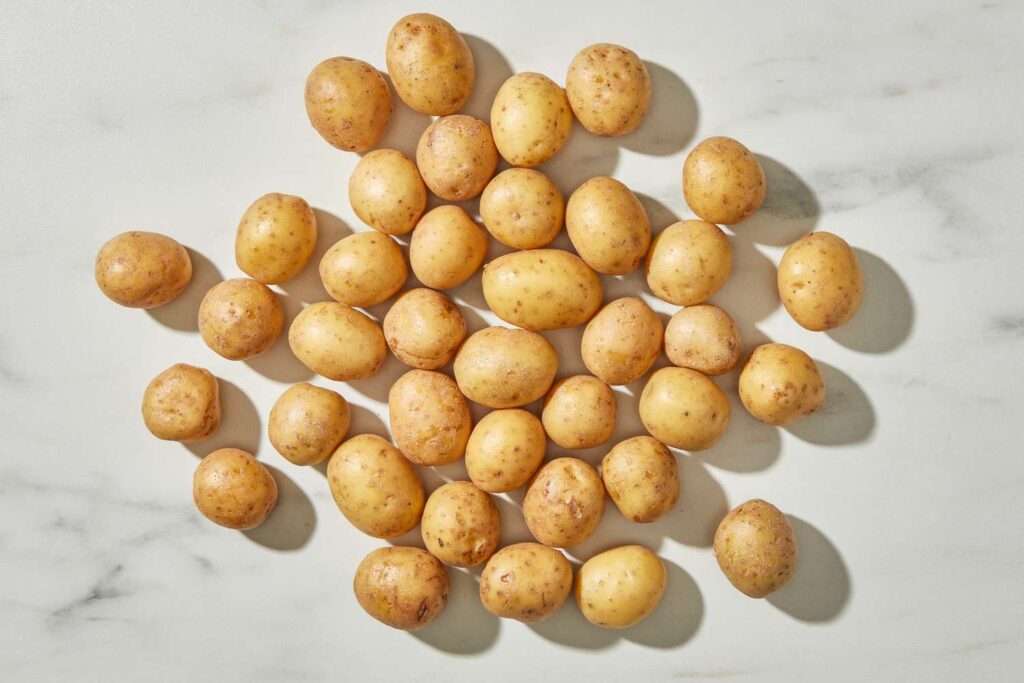
- Early Potatoes: Harvest after 8–10 weeks, once plants flower. These are small, tender, and great for salads or stir-fries.
- Maincrop Potatoes: Wait 15–20 weeks until the leaves yellow and die back.
Use a fork or your hands to gently lift the plants and collect the tubers. Let them dry for a few hours in the shade, then cure them for 10 days in a cool, dark area. This helps toughen the skin for longer storage.
Store in burlap sacks, paper bags, or crates — never in plastic, which traps moisture.
7. Cooking with Homegrown Potatoes: Elevating Vegetarian Meals
Now comes the delicious part — turning your homegrown potatoes into flavorful vegetarian creations. Their fresh texture and natural sweetness enhance every dish.
A. Potato and Lentil Soup
Simmer diced potatoes, red lentils, onions, and carrots in vegetable broth. Add cumin, pepper, and a splash of lemon for brightness.

B. Herb-Roasted Potatoes
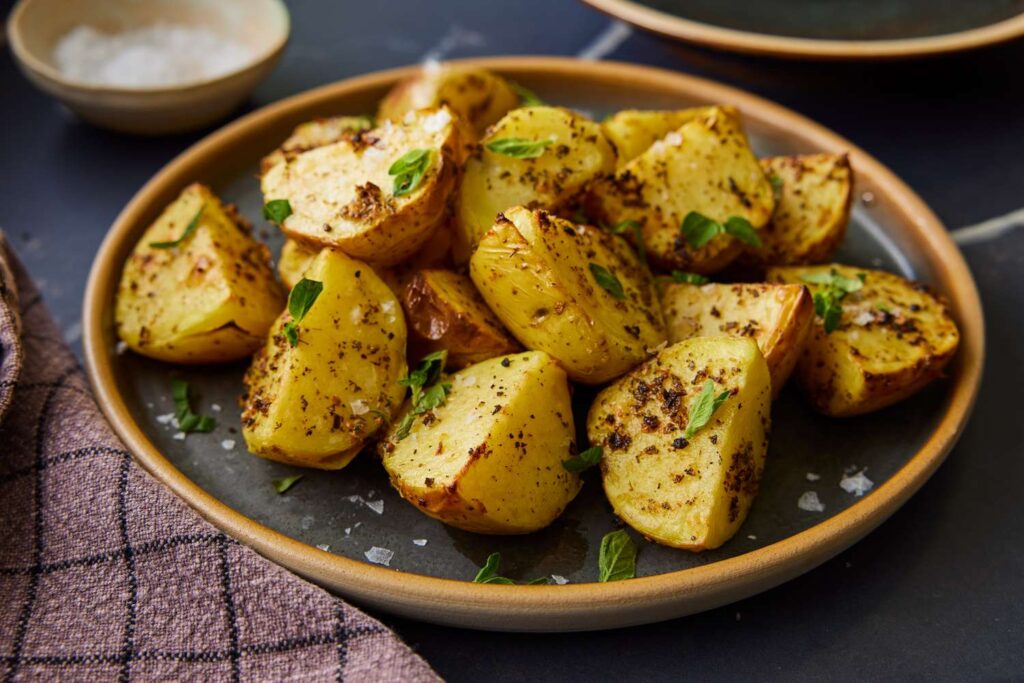
Cut into wedges, toss with olive oil, rosemary, and sea salt, then roast until golden and crisp. A perfect side dish for any veggie meal.
C. Potato and Spinach Curry
Cook potatoes with garlic, tomatoes, and spinach, flavored with turmeric and garam masala. Serve with basmati rice or naan for a hearty vegan dinner.
D. Baked Potato Stuffed with Veggies
Bake whole potatoes until soft, scoop out the centers, and fill with sautéed mushrooms, bell peppers, and cheese or chickpeas.
E. Mashed Potato Cakes
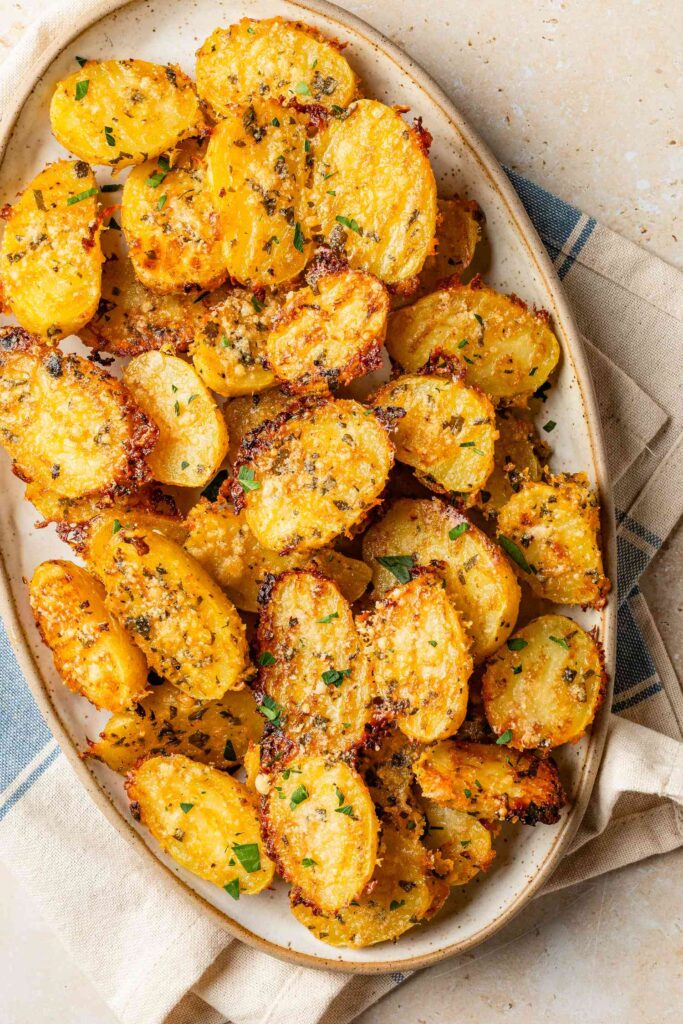
Mix leftover mashed potatoes with herbs and breadcrumbs, then pan-fry into crispy patties — a simple yet elegant vegetarian snack.
Each of these recipes celebrates the true flavor of fresh potatoes — pure, earthy, and comforting.
8. The Sustainability Advantage
Growing your own potatoes isn’t just about taste — it’s a step toward a greener, more self-sufficient lifestyle.
- Zero Food Miles: No transport, no packaging, no emissions.
- Organic Control: You decide what goes into your soil — no chemicals, no waste.
- Compost-Friendly: Potato peels and garden scraps return to the earth as compost.
- Seed Saving: Save small, healthy potatoes from your harvest to plant next season.
Every homegrown harvest reduces your carbon footprint and strengthens your connection to the environment. It’s a small act with big impact — for your health and the planet’s.
9. The Joy of Farm-to-Fork Living
When you grow potatoes at home, cooking becomes an act of gratitude. You’ll find that meals feel richer, more personal, and more meaningful when they come from your own garden.
Each step — planting, watering, harvesting, and cooking — brings a sense of fulfillment that no supermarket purchase can replicate. The process teaches patience, mindfulness, and respect for food.
It also makes you a more intuitive cook. You’ll begin to understand flavors differently, experiment more, and find joy in simple ingredients. The homegrown potato becomes not just food but inspiration — the centerpiece of your vegetarian kitchen.
10. Conclusion: From Soil to Supper
“Grow Potatoes at Home to Cook Better Veggie Meals” is more than a gardening project; it’s a lifestyle philosophy. It’s about realizing that the best meals come from the freshest, most natural ingredients — and that you can grow them yourself with a little effort and care.
When you pull your first potatoes from the soil, you’ll understand the deeper meaning of food — that it’s not just something we consume but something we create. The satisfaction of turning your harvest into a warm, nourishing meal is unmatched.
By growing potatoes at home, you make your vegetarian dishes not only tastier but also more sustainable, wholesome, and soulful. It’s a journey from soil to supper, from simplicity to flavor, and from the garden to the heart of your kitchen.
So roll up your sleeves, plant those seed potatoes, and start growing your own culinary inspiration. Your next great vegetarian meal is already waiting — just beneath the soil. 🥔🌿🍽️