Few vegetables bring as much comfort to the table as the humble potato. Creamy, hearty, and endlessly versatile, potatoes have been a staple ingredient in comfort food for generations. But what if your next cozy veggie comfort bowl came not from the grocery store—but from your own backyard? Growing your own potatoes adds a deeper satisfaction to every bite. It’s not just about the flavor (though garden-fresh potatoes are unbeatable)—it’s about the pride of nurturing something from soil to supper.
This guide will show you how to grow potatoes successfully and use your harvest to create nourishing, plant-based comfort bowls that are perfect for any season.
1. Why Potatoes Are the Heart of Comfort Food
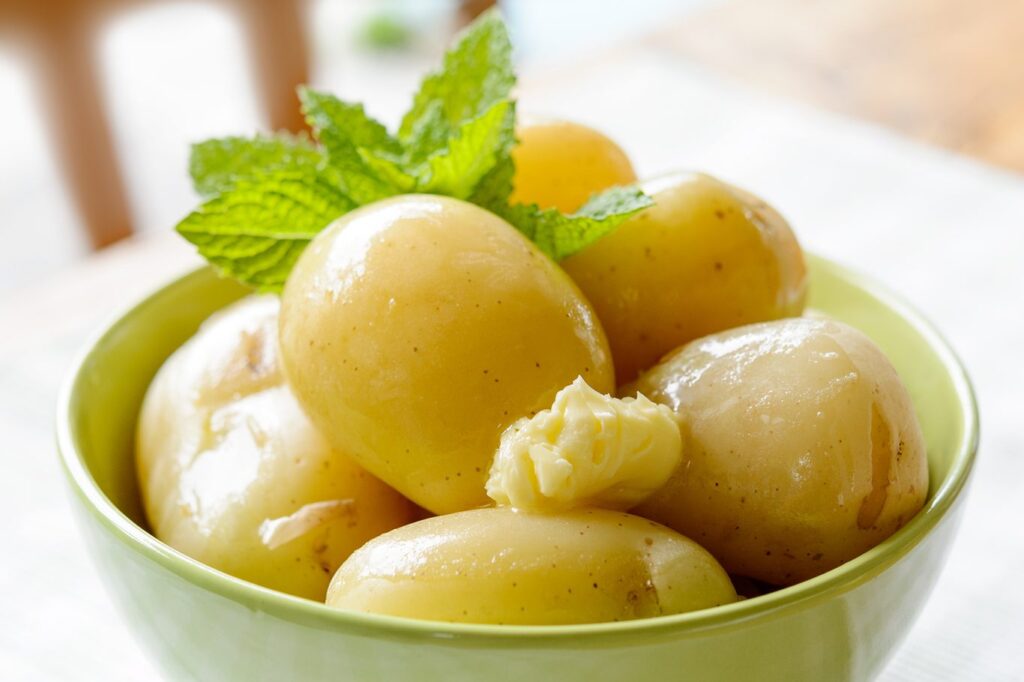
Potatoes are the ultimate comfort ingredient because of their rich texture and versatility. They can be mashed, roasted, baked, fried, or stewed, taking on the flavors of herbs, spices, and other veggies beautifully. In a plant-based comfort bowl, potatoes serve as both the foundation and the star—absorbing sauces, adding creaminess, and providing substance.
Nutritionally, they’re packed with potassium, vitamin C, and fiber—especially when you eat them with the skin on. Unlike many processed comfort foods, a bowl made with fresh, homegrown potatoes offers warmth and nourishment without guilt.
When you grow your own, you also get to experience the full range of potato flavors—from buttery Yukon Golds to nutty Fingerlings and starchy Russets, each variety contributes a different character to your meals.


2. Choosing the Best Potato Varieties for Your Garden
Before you plant, it’s essential to select the right types of potatoes for your growing conditions and culinary goals.
a. Early Potatoes
These mature quickly (in about 70–90 days) and are perfect if you want a faster harvest.
- Best Varieties: ‘Red Norland,’ ‘Yukon Gold,’ ‘Irish Cobbler’
- Best For: Roasted veggie bowls, potato salads, or skillet dishes.
b. Maincrop Potatoes
These take longer to mature (100–120 days) but yield large, storage-friendly tubers.
- Best Varieties: ‘Russet Burbank,’ ‘Kennebec,’ ‘Maris Piper’
- Best For: Mashed potatoes, baked potato bowls, or creamy soups.
c. Specialty Potatoes
These include colorful or unique varieties that add visual appeal and flavor.
- Best Varieties: ‘Purple Majesty,’ ‘French Fingerling,’ ‘All Blue’
- Best For: Vibrant mixed-veggie bowls and gourmet-style comfort dishes.
If space is limited, choose compact varieties like Red Pontiac or Yukon Gem, which grow well in containers.
3. How to Grow Potatoes: Step-by-Step Guide
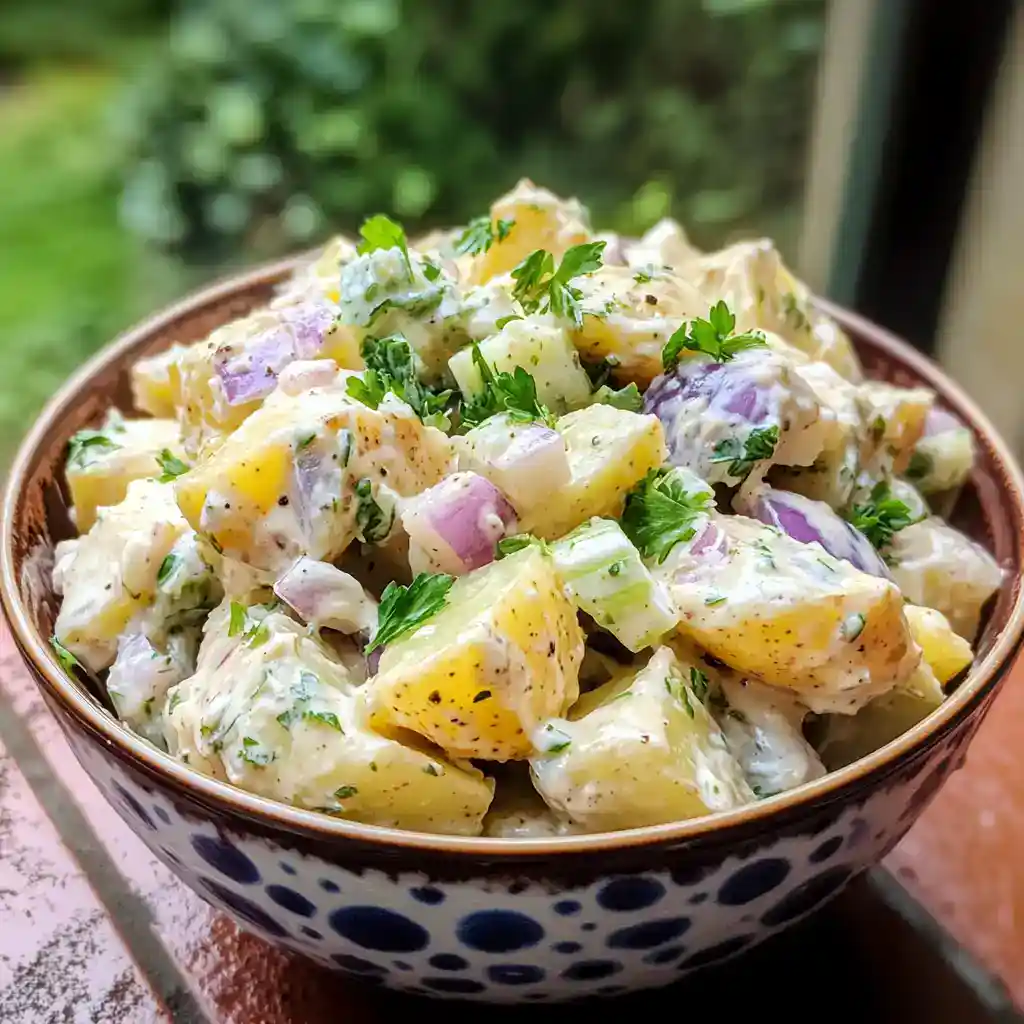
Step 1: Prepare Your Seed Potatoes
Buy certified disease-free seed potatoes from a trusted nursery. A few weeks before planting, place them in a bright but cool spot to encourage sprouting—this process is called chitting. Once the sprouts are about 1 inch long, they’re ready to plant.
Step 2: Choose the Right Planting Spot
Potatoes need full sun (6–8 hours daily) and loose, well-draining soil. Avoid planting them in areas where tomatoes, peppers, or eggplants grew recently, as they share similar pests and diseases.
If your soil is heavy, plant in raised beds or large containers filled with compost-rich soil.
Step 3: Planting
- When to Plant: In most climates, plant in early spring once the soil temperature reaches about 45°F (7°C).
- How to Plant:
- Dig trenches 6–8 inches deep and about 2 feet apart.
- Place each seed potato (cut into chunks with at least two “eyes”) about 12 inches apart.
- Cover with 3–4 inches of soil initially. As the plants grow, mound more soil around the stems (this is called hilling) to protect developing tubers from sunlight and pests.
Step 4: Watering and Care
Potatoes need consistent moisture, especially during flowering (when tubers are forming). Water deeply once or twice a week, keeping the soil evenly moist but not waterlogged.
Mulch with straw or compost to retain moisture and suppress weeds.

Step 5: Pest and Disease Management
Watch for common issues like Colorado potato beetles, aphids, and blight. Handpick beetles and rotate crops yearly to prevent disease. Neem oil or insecticidal soap can be used for organic pest control.
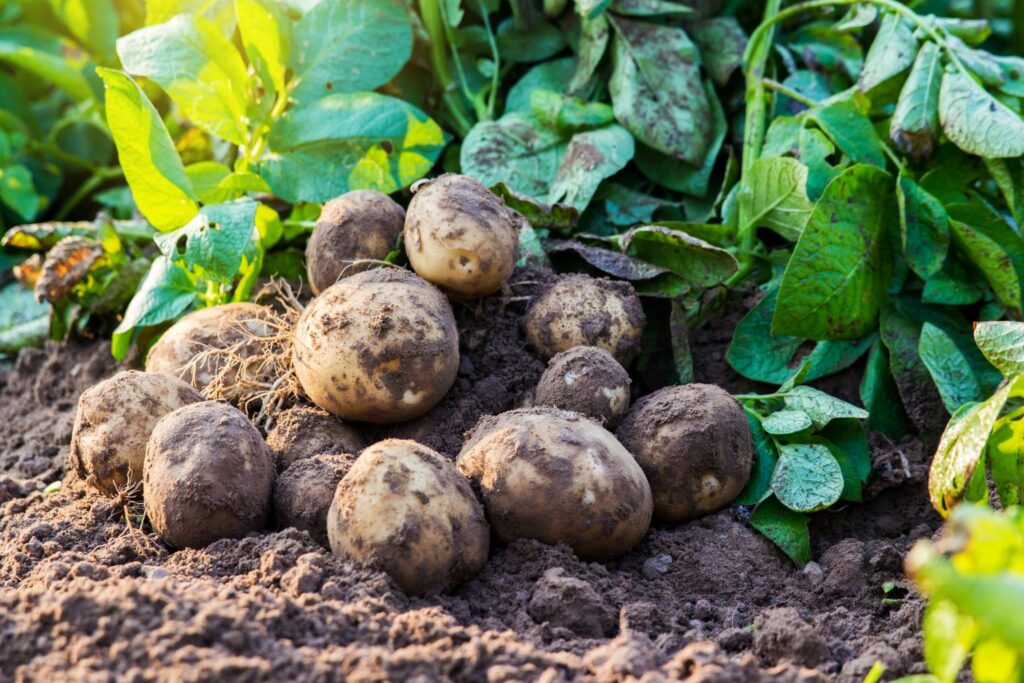
Step 6: Harvesting
- Early potatoes: Harvest when plants start flowering for small, tender “new potatoes.”
- Maincrop potatoes: Wait until the plants yellow and die back. Gently dig around the base to unearth your harvest.
Cure your potatoes in a cool, dark, dry place for a week before storing. This toughens their skin for long-term keeping.
4. Building the Perfect Veggie Comfort Bowl

Now that you’ve grown your potatoes, it’s time to turn them into a comforting masterpiece. A veggie comfort bowl is a complete meal in one dish, combining carbs, protein, and fresh produce. The beauty lies in the layering of textures and flavors.
Here’s how to create one step by step:
Step 1: The Base – Potatoes
Start with roasted, mashed, or sautéed potatoes. Each style sets a different mood:
- Roasted: Toss bite-sized chunks in olive oil, garlic, rosemary, and bake until golden.
- Mashed: Whip with plant-based butter and oat milk for a creamy base.
- Sautéed: Slice thin and pan-fry with onions for a rustic skillet-style bowl.
Step 2: Add Veggies
Pick from what’s in season or what’s fresh in your garden:

- Summer: Zucchini, bell peppers, cherry tomatoes, corn.
- Fall: Carrots, kale, broccoli, sweet potatoes.
- Winter: Cabbage, spinach, leeks, root vegetables.
Roast or steam your veggies lightly to preserve texture and nutrients.
Step 3: Include a Protein
Balance your comfort bowl with plant-based protein:
- Chickpeas or Lentils: Add texture and heartiness.
- Tofu or Tempeh: Marinate and bake or pan-sear for extra flavor.
- Beans: Black beans or kidney beans pair beautifully with potatoes in chili-style bowls.
Step 4: Dress It Up
Drizzle with a flavorful sauce or dressing to tie everything together. Some great options include:
- Herb Tahini Sauce: Blended with parsley, garlic, and lemon juice.
- Smoky Paprika Cream: Made from cashews, paprika, and a hint of lime.
- Classic Veggie Gravy: Perfect for mashed potato-based bowls.
Step 5: Top and Garnish
Add crunch and freshness with chopped green onions, herbs, roasted seeds, or avocado slices.
5. Creative Veggie Comfort Bowl Ideas
- Rustic Potato and Lentil Bowl:
Combine roasted red potatoes, sautéed mushrooms, garlic, lentils, and thyme. Drizzle with balsamic glaze. - Creamy Mashed Potato Bowl:
Layer fluffy mashed potatoes with kale, caramelized onions, and smoky chickpeas. Top with mushroom gravy. - Southwest Potato Bowl:
Mix roasted potatoes, black beans, corn, peppers, and avocado. Finish with a lime-cilantro dressing. - Autumn Harvest Bowl:
Pair potatoes with roasted carrots, Brussels sprouts, and kale. Serve with a warm maple-Dijon dressing. - Asian-Inspired Comfort Bowl:
Toss crispy potato cubes with stir-fried tofu, broccoli, and soy-ginger sauce for a unique twist.
6. Tips for Year-Round Potato Enjoyment
- Store Properly: Keep cured potatoes in a cool, dark place (45–50°F) to extend shelf life.
- Save for Next Season: Store a few of your best potatoes as “seed potatoes” for next year’s planting.
- Rotate Recipes: Experiment with soups, stews, casseroles, and baked bowls using different herbs and seasonal vegetables.
7. Bringing It All Together
Growing your own potatoes transforms a simple meal into an experience—one that connects you with the earth and your food in the most meaningful way. Each time you dig into a warm veggie comfort bowl, you’ll taste more than flavor—you’ll taste the story of patience, nurturing, and growth.

Potatoes are humble but mighty; they anchor meals that soothe the soul. Whether mashed into creamy perfection, roasted for crispness, or simmered in a hearty stew, they bring comfort in every form.
So, grab your gardening gloves, plant your seed potatoes, and let your backyard become the source of your next cozy, satisfying meal. Because when you grow your own, every comfort bowl becomes a celebration of homegrown goodness—fresh, flavorful, and full of heart.