In the world of simple yet flavorful cooking, few things beat a hearty one-pot vegetarian dinner made with fresh, homegrown ingredients. Imagine stepping into your backyard, snipping fresh herbs, plucking crisp vegetables, and transforming your harvest into a steaming, aromatic meal—all in a single pot. This is the beauty of gardening for the kitchen: it nourishes both your body and your creativity. Growing your own produce doesn’t just make meals fresher and healthier—it turns cooking into a full-circle experience, from seed to supper.
In this article, we’ll explore how to plan a garden designed specifically for one-pot vegetarian dishes. You’ll learn which vegetables and herbs to grow, how to care for them, and how to combine them into easy, delicious meals like stews, curries, risottos, and soups.
1. Why Grow Your Own Ingredients for One-Pot Dinners?
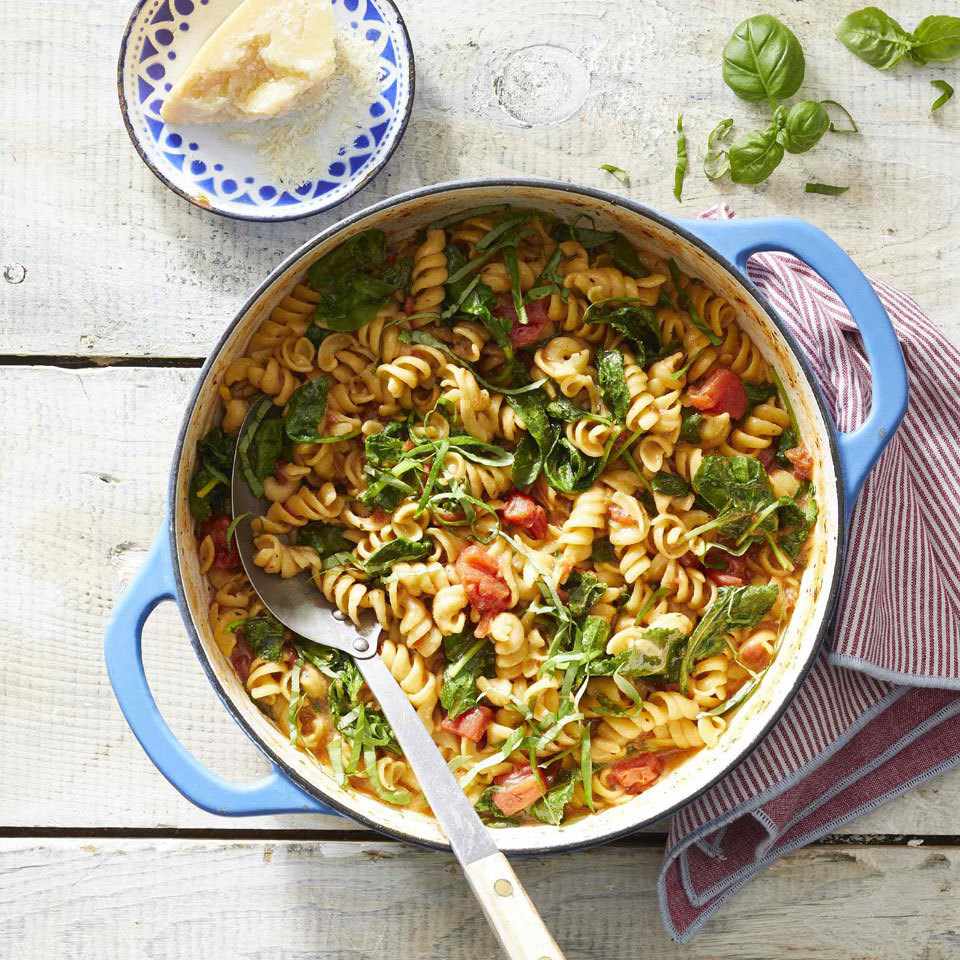
Growing your own vegetables gives you control over what goes into your meals—no pesticides, no long transport, just nutrient-rich produce straight from your garden to your pot. It’s economical, sustainable, and immensely satisfying.
One-pot dinners often rely on simple, fresh ingredients that complement each other—think zucchini, tomatoes, peppers, onions, and herbs. When harvested at their peak, these garden-fresh veggies deliver unbeatable flavor. Plus, many one-pot recipes are forgiving—you can mix and match what’s available in your garden and still end up with something delicious.
Beyond nutrition and taste, gardening connects you with the rhythm of the seasons. You’ll come to appreciate the earthy smell of fresh soil, the joy of watching seedlings sprout, and the rewarding act of cooking what you’ve grown with your own hands.
2. Planning Your Garden for One-Pot Meals

Before planting, think about what types of one-pot meals you love most. Are you drawn to Mediterranean-style stews, Asian stir-fries, hearty vegetable soups, or creamy risottos? Your preferences will determine what to plant.
a. Choose the Right Location
Your garden should get 6–8 hours of sunlight per day—most vegetables thrive in full sun. Good drainage and fertile soil enriched with compost are key.
b. Prioritize Versatile Crops
Choose vegetables that feature in multiple recipes and can be harvested over a long period. Some plants, like kale or spinach, keep producing after you pick them, giving you a steady supply for your meals.
c. Companion Planting for Balance
Group plants that support each other’s growth. For instance:
- Tomatoes and basil thrive together—basil repels pests and enhances tomato flavor.
- Carrots and onions deter each other’s pests.
- Peppers and spinach grow well side by side, making for an excellent garden pairing for stir-fries or soups.
3. The Essential Garden-Fresh Ingredients
Here are some top picks for growing your own one-pot dinner ingredients:
1. Tomatoes
The heart of many vegetarian dishes, from pasta to curries. Choose varieties like Roma for sauces or cherry tomatoes for quick sautés.
- Growing Tips: Plant in warm soil with full sun and support with stakes or cages.
- Harvest: When firm and deeply colored.
2. Zucchini and Summer Squash
Perfect for stews, casseroles, and creamy one-pot pasta dishes.
- Growing Tips: Provide plenty of space, water regularly, and harvest when small for best flavor.
3. Bell Peppers
Sweet, colorful, and versatile, peppers add vibrancy to any dish.
- Growing Tips: Start seeds indoors before transplanting outside; they love warmth.
4. Leafy Greens (Spinach, Kale, Chard)
Add nutrition and texture to soups, risottos, or curries.
- Growing Tips: Plant in cool seasons; harvest leaves continuously for multiple yields.
5. Onions and Garlic
The aromatic base of almost every one-pot dish.
- Growing Tips: Onions prefer well-drained soil and full sun. Garlic can be planted in fall for summer harvest.
6. Herbs (Basil, Thyme, Parsley, Cilantro)
Fresh herbs elevate any meal’s flavor instantly.
- Growing Tips: Grow in pots or garden beds; trim regularly to encourage growth.
7. Root Vegetables (Carrots, Potatoes, Sweet Potatoes)
Ideal for thick stews and creamy casseroles.
- Growing Tips: Ensure loose, deep soil for roots to expand. Harvest when roots reach full size.
4. From Garden to Pot: Cooking Ideas
Once your garden starts producing, you can mix and match your harvest into satisfying, one-pot meals. Here are a few ideas:
a. Garden Vegetable Stew
Combine tomatoes, zucchini, carrots, onions, garlic, and bell peppers with olive oil, herbs, and vegetable broth. Simmer until tender for a hearty, comforting meal.
b. Spinach and Tomato Risotto
Use fresh spinach, cherry tomatoes, garlic, and herbs. The natural sweetness of the tomatoes complements the creaminess of arborio rice beautifully.
c. One-Pot Veggie Curry
Add potatoes, sweet potatoes, peppers, and greens to coconut milk and curry spices. Finish with cilantro and a squeeze of lime.
d. Mediterranean Chickpea Casserole
Mix chickpeas with garden-fresh tomatoes, zucchini, onions, and herbs like oregano and thyme for a protein-packed dinner.
e. Creamy Corn and Kale Soup
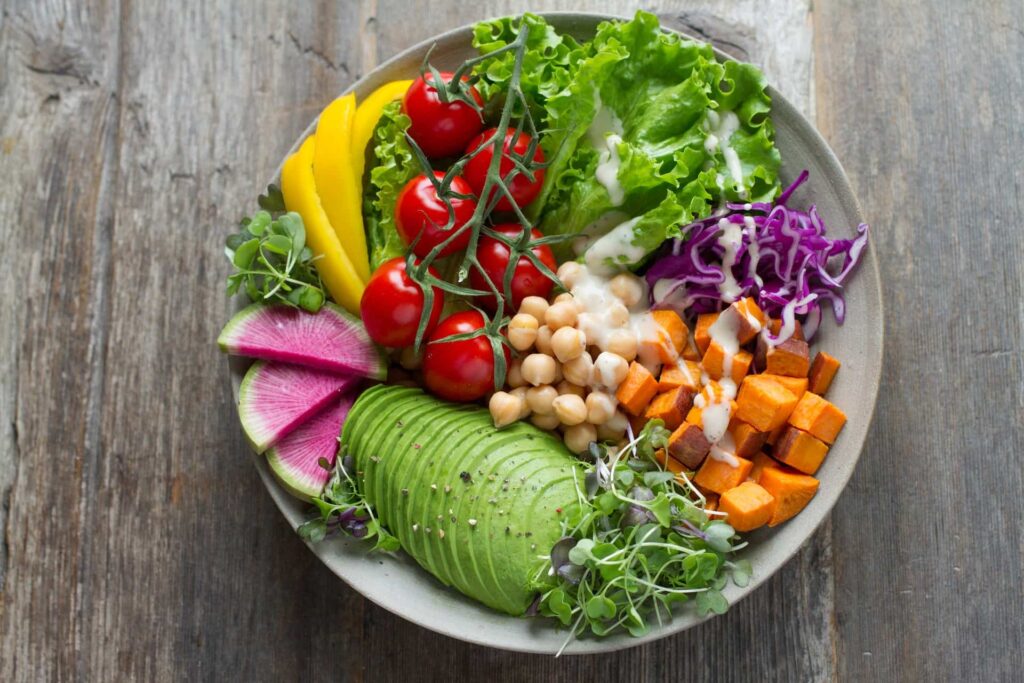
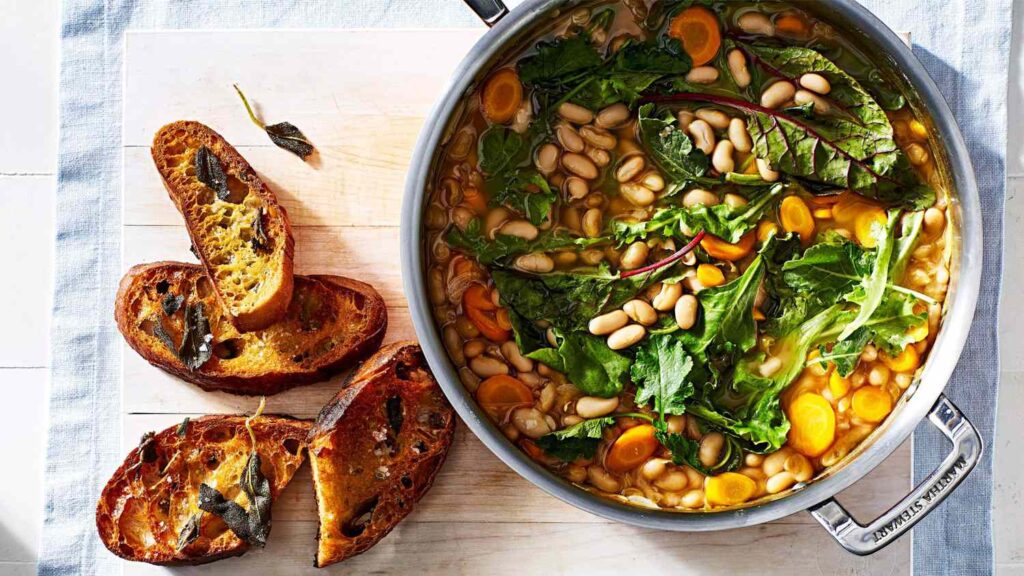
Use sweet corn, kale, and onions simmered in a light broth with herbs. Serve with crusty bread for a complete meal.
The best part about one-pot dishes is their flexibility—you can substitute ingredients depending on what’s ripe in your garden.
5. Tips for a Thriving Kitchen Garden
- Rotate Crops: Don’t plant the same family of vegetables in the same spot every season. It prevents soil depletion and pest buildup.
- Compost Regularly: Use kitchen scraps and garden waste to enrich your soil naturally.
- Harvest Often: The more you pick, the more your plants produce.
- Mulch Your Beds: Retain soil moisture and suppress weeds by adding straw or compost mulch.
- Use Organic Pest Control: Companion planting, neem oil, and ladybugs help maintain balance without chemicals.
6. The Joy of Seasonal Cooking

Growing your own ingredients encourages you to cook seasonally. In spring, your garden gives you tender greens and herbs for light soups. Summer brings tomatoes, peppers, and zucchini for colorful one-pot meals. Autumn yields root vegetables perfect for stews, and winter herbs add flavor to hearty broths.
Cooking with what’s in season doesn’t just taste better—it’s better for your body and the planet. It also encourages creativity in the kitchen, as you learn to adapt your recipes to what’s fresh and available.
7. Bringing It All Together
Building a garden around your favorite vegetarian one-pot dishes is about more than growing food—it’s about creating a lifestyle. Each time you harvest a tomato or slice into a garden-grown onion, you’re part of a beautiful cycle of sustainability and nourishment.
Whether you’re cooking a bubbling pot of vegetable stew or a fragrant curry, your homegrown ingredients will always elevate your dish beyond anything store-bought could offer. The flavors are brighter, the nutrients richer, and the satisfaction unmatched.
So grab your trowel, plant your seeds, and let your garden become your pantry. With a bit of care and patience, you’ll soon be savoring fresh, wholesome, one-pot vegetarian dinners made from the bounty of your very own backyard.