Every Monday offers a fresh start — and what better way to begin your week than with wholesome, meatless meals made from your own garden? The Meatless Monday movement has inspired millions to embrace one day a week of plant-based eating to improve personal health and help the planet. But imagine taking it one step further — instead of buying your ingredients from the store, you grow them right outside your kitchen door.
A kitchen garden tailored for Meatless Monday makes plant-based cooking simple, sustainable, and satisfying. From vibrant tomatoes and leafy greens to fragrant herbs and crunchy root vegetables, your backyard (or even balcony) can become a source of endless inspiration for nutritious, delicious, and eco-friendly meals.
This detailed guide will show you how to plan, plant, and harvest a kitchen garden designed especially for creating mouthwatering Meatless Monday dishes.
🌱 What Is a Kitchen Garden — and Why It’s Perfect for Meatless Mondays
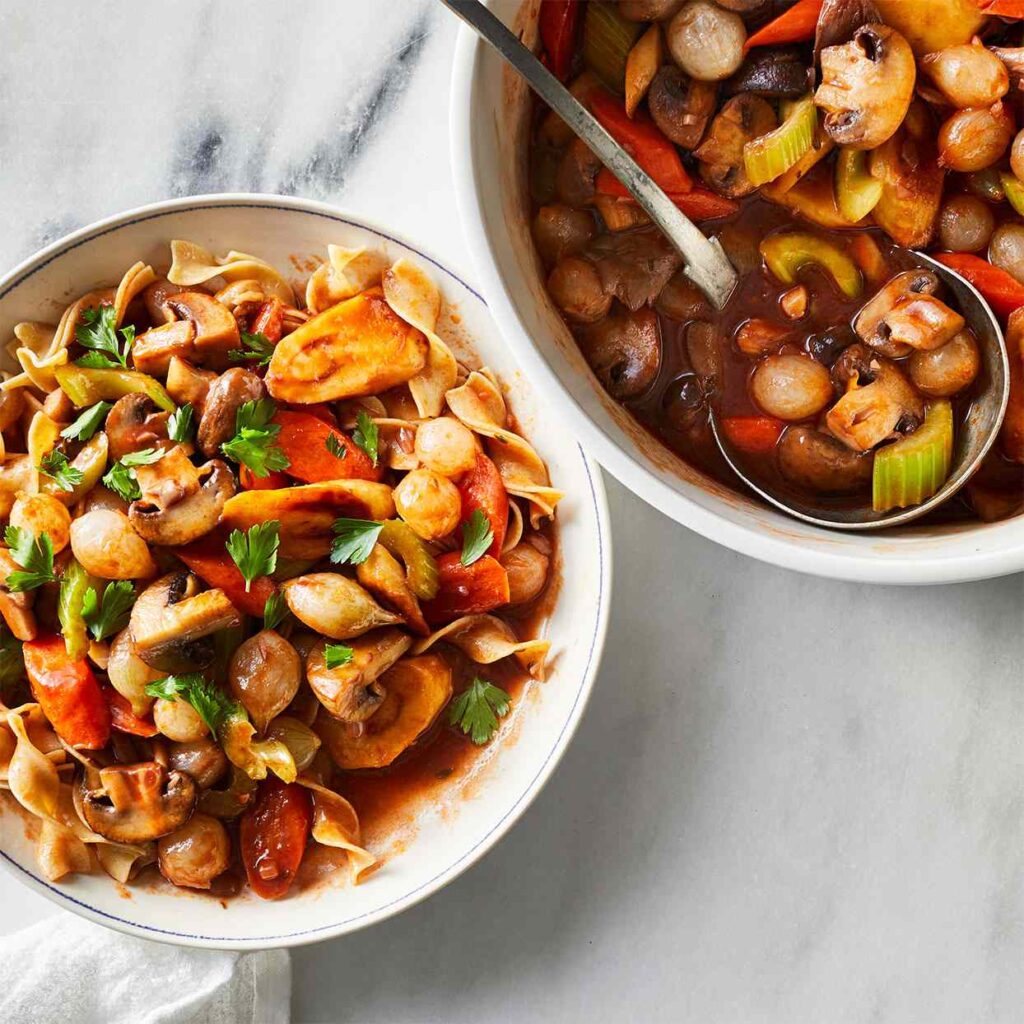
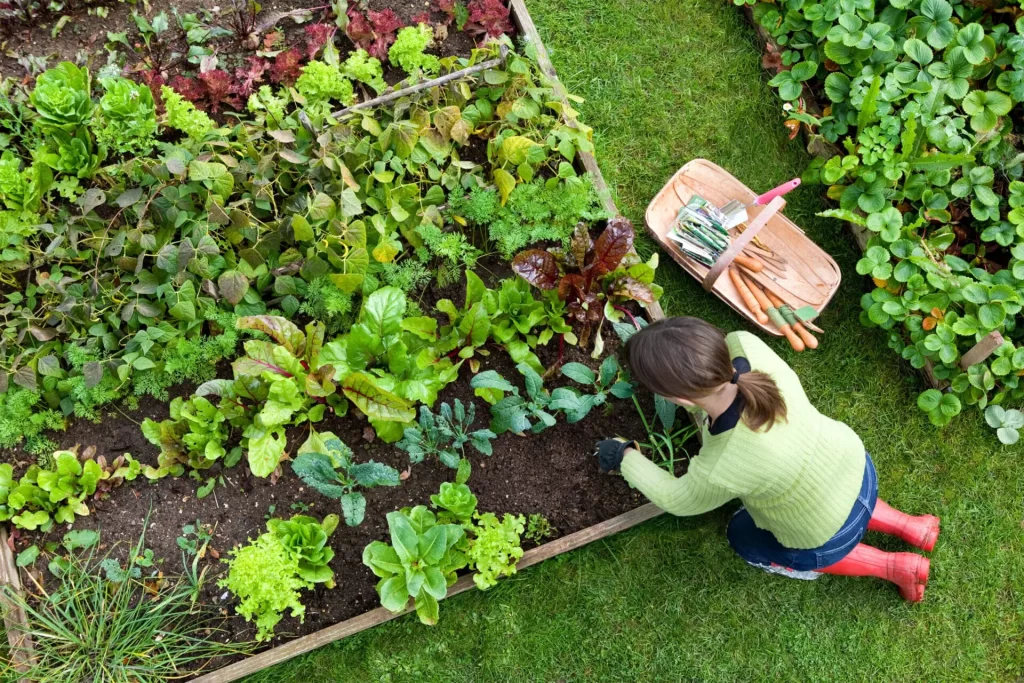
A kitchen garden is a small, organized space near your home where you grow vegetables, herbs, and fruits for everyday cooking. Unlike a large farm plot, it’s manageable, personal, and focused on your favorite ingredients.
When combined with Meatless Monday — a global movement encouraging people to skip meat once a week — your kitchen garden becomes a tool for healthier living and sustainable eating.
Benefits of Growing for Meatless Mondays:
- Healthier meals: Freshly picked produce is rich in vitamins, fiber, and antioxidants.
- Eco-friendly living: Reducing meat consumption and growing your own food both lower your carbon footprint.
- Budget-friendly: A few packets of seeds can yield weeks of ingredients.
- Flavorful cooking: Fresh herbs and veggies bring out natural taste without needing heavy sauces or meat substitutes.
- Therapeutic and rewarding: Gardening relieves stress and gives you a tangible connection to your food.
In short — your kitchen garden fuels your Meatless Monday recipes with freshness, creativity, and intention.
🌿 Step 1: Planning Your Kitchen Garden
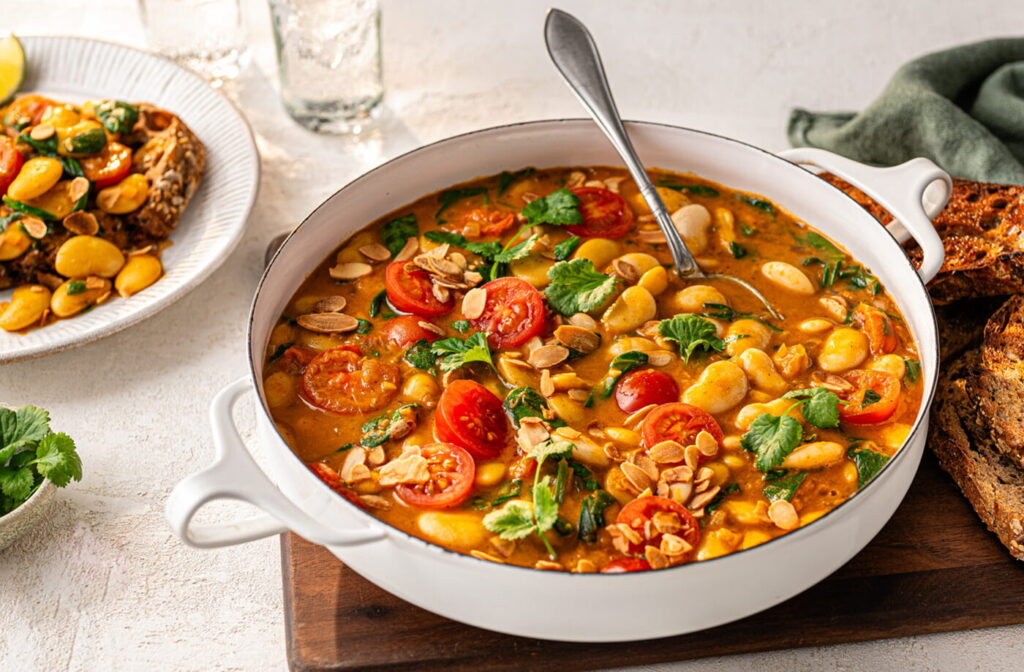
Start by asking: What kind of meatless meals do I enjoy?
Whether you love hearty pastas, grain bowls, veggie tacos, or colorful stir-fries, your preferences will shape what you plant.
🍽️ Essential Crops for Meatless Monday Meals:
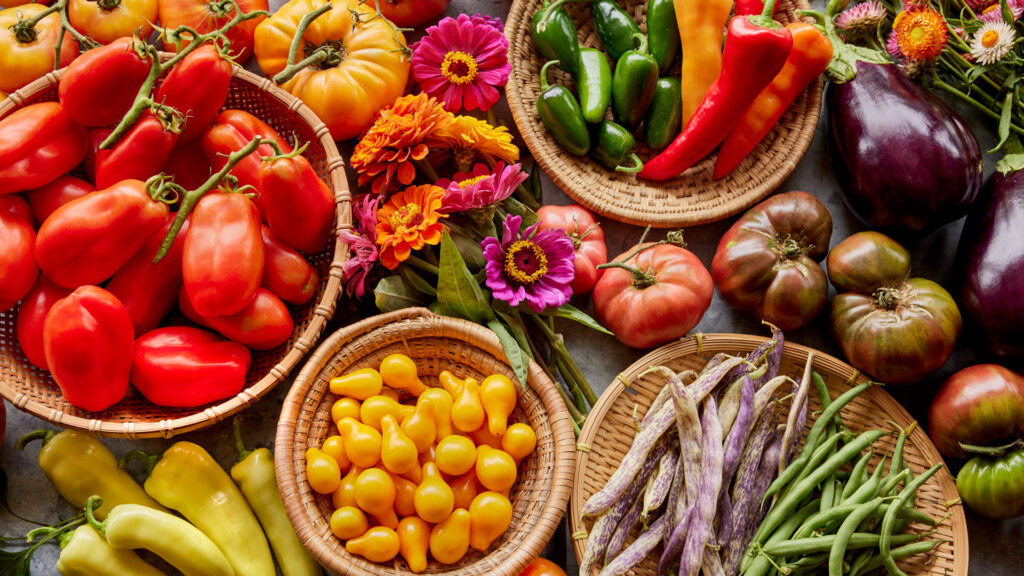
- Tomatoes – A foundation for sauces, soups, and salsas.
- Spinach and Kale – Perfect for smoothies, wraps, and salads.
- Bell Peppers – Add crunch and color to fajitas and stir-fries.
- Zucchini – Great for pasta alternatives or veggie fritters.
- Carrots and Beets – Sweet, earthy roots that elevate any dish.
- Onions and Garlic – The aromatic backbone of countless recipes.
- Herbs (Basil, Cilantro, Parsley, Thyme) – Essential for seasoning and garnishing.
- Lettuce and Arugula – Quick-growing greens for wraps and salads.
- Chilies – Add heat and excitement to global-inspired meatless meals.
Each of these vegetables can thrive in small spaces — even containers or raised beds — making them ideal for kitchen gardening.
🌞 Step 2: Choosing the Perfect Spot
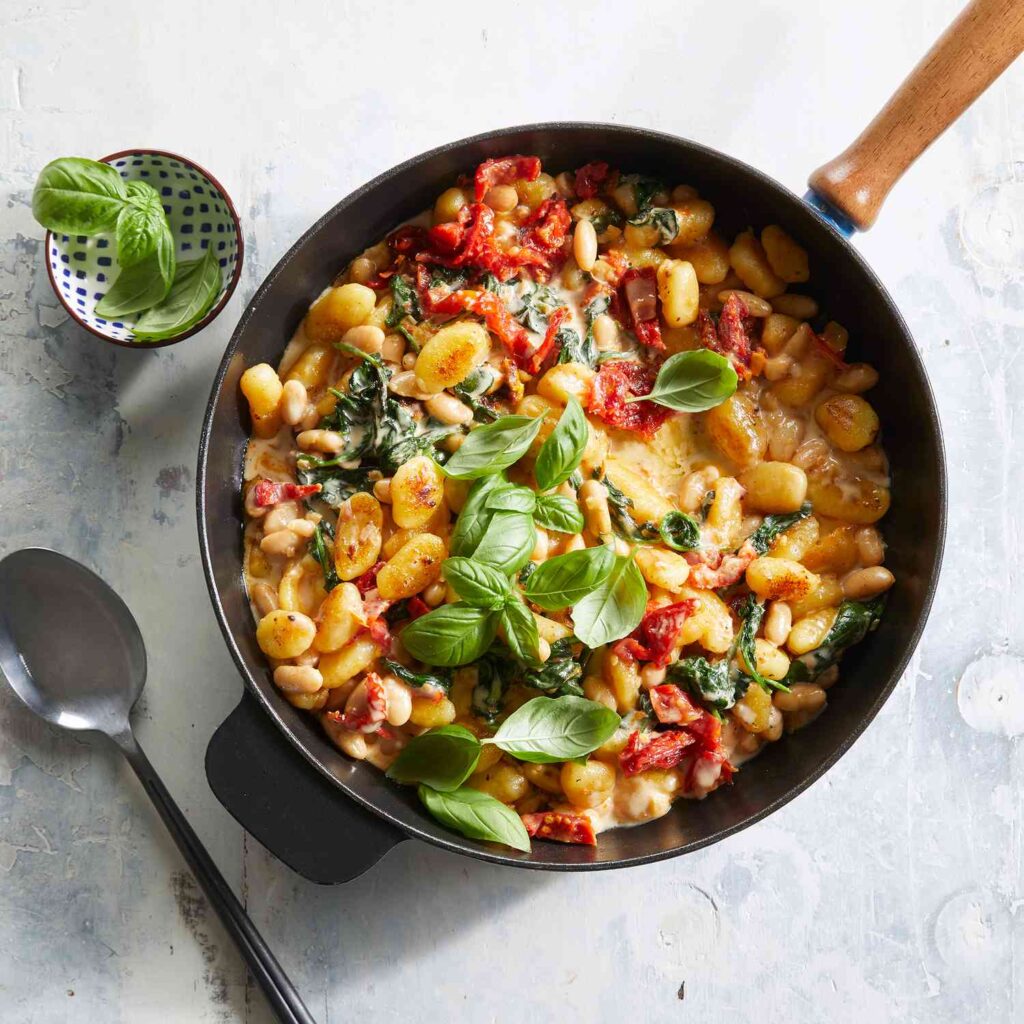
A successful kitchen garden depends on sunlight and accessibility.
- Sunlight: Choose a location that gets at least 6–8 hours of direct sunlight daily. Most vegetables thrive in bright conditions.
- Convenience: Place it near your kitchen or patio for easy harvesting while cooking.
- Drainage: Ensure soil or containers have proper drainage to prevent root rot.
- Compact layouts: Use vertical gardening for vines (like tomatoes or beans) and hanging pots for herbs if space is tight.
Tip: If you live in an apartment, grow herbs and greens on windowsills or balconies — small spaces can still yield big flavor!
🌾 Step 3: Preparing the Soil and Containers
Healthy soil equals healthy plants — and better-tasting vegetables.
To prepare your soil:
- Mix organic compost or aged manure to boost nutrients.
- Aim for a pH of 6.0–7.0, ideal for most vegetables.
- Add mulch or straw around plants to retain moisture and prevent weeds.
- If using containers, choose potting mix enriched with compost for lightweight, well-aerated soil.
Good soil structure ensures your crops absorb water and nutrients efficiently, resulting in lush, flavorful growth.
🌻 Step 4: Planting and Growing Your Meatless Monday Garden
Let’s look at how to grow some of the best crops for your weekly plant-based meals.
🍅 Tomatoes
- Planting: Start seeds indoors, then transplant seedlings to sunny spots.
- Watering: Deep, consistent watering; avoid wetting leaves.
- Harvest: When fully red and slightly soft.
Use them for: homemade pasta sauce, veggie soups, or tomato-basil bruschetta.
🥬 Spinach & Kale
- Planting: Directly sow seeds; prefer cooler weather.
- Harvest: Pick outer leaves first to allow continuous growth.
Use them for: green smoothies, sautéed side dishes, or salad bases.
🫑 Bell Peppers
- Planting: Start from seedlings after frost.
- Support: Stake or cage taller varieties.
- Harvest: When firm and glossy.
Use them for: fajitas, roasted veggie bowls, or stuffed peppers.
🥕 Carrots
- Planting: Sow seeds directly; thin seedlings for proper spacing.
- Soil: Loose and well-drained for straight roots.
- Harvest: When tops are bright and firm.
Use them for: soups, stir-fries, or as roasted sides.
🧄 Garlic & Onions
- Planting: Garlic in fall, onions in spring.
- Soil: Rich and loose for bulb development.
- Harvest: When tops turn yellow.
Use them for: flavor bases, sautés, and broths.
🌿 Herbs
- Planting: Grow basil, parsley, thyme, and cilantro in small pots.
- Watering: Keep soil moist but not soggy.
Use them for: sauces, garnishes, or seasoning your meatless dishes.
With careful planning and consistent care, you can harvest a steady supply of fresh produce all year long.
💧 Step 5: Caring for Your Kitchen Garden
- Water deeply but infrequently — about 1 inch per week.
- Fertilize organically using compost tea or worm castings.
- Rotate crops each season to maintain soil health.
- Use natural pest control: Neem oil, garlic spray, or companion plants (like marigolds) keep pests at bay.
- Harvest regularly: Picking vegetables encourages new growth and prevents overripening.
These small routines make your kitchen garden thrive — and your Meatless Monday menu stay exciting.
🥗 Step 6: Cooking What You Grow — Meatless Monday Recipes
Once your garden is bursting with produce, the fun begins — transforming your harvest into delicious plant-based dishes. Here are a few ideas to inspire your Meatless Mondays:
1. Garden Fresh Veggie Stir-Fry
Sauté your own peppers, carrots, onions, and zucchini with soy sauce, garlic, and sesame oil. Serve over brown rice or noodles for a quick, satisfying meal.
2. Tomato Basil Pasta
Cook down homegrown tomatoes with garlic and olive oil, then toss with basil and pasta. Simple, fresh, and full of garden flavor.
3. Spinach and Kale Smoothie
Blend spinach, kale, banana, and almond milk for a nutrient-packed breakfast. Add a spoon of peanut butter for protein.
4. Stuffed Bell Peppers
Fill bell peppers with quinoa, beans, corn, and herbs. Bake until tender — a colorful, protein-rich dinner.
5. Zucchini Fritters
Grate zucchini, mix with flour and herbs, and pan-fry until golden. Serve with yogurt dip for a crispy, guilt-free snack.
6. Garden Veggie Soup
Simmer tomatoes, carrots, onions, and herbs in vegetable broth for a hearty, comforting soup.
Each of these recipes highlights the power of your garden: fresh, seasonal produce transformed into easy, healthy meals.
🪴 Step 7: Preserve and Reuse
Even small gardens can yield more than you expect. Preserve your surplus to keep enjoying Meatless Mondays year-round:
- Freeze: Blanch and freeze vegetables for later.
- Dry: Dehydrate herbs for seasoning.
- Pickle: Use extra carrots, onions, or peppers for tangy sides.
- Compost: Turn kitchen scraps into nutrient-rich fertilizer for next season.
Sustainability starts right in your backyard — nothing goes to waste in a well-planned kitchen garden.
🌻 Bonus: Weekly Meatless Meal Planner
Here’s how to structure a simple Meatless Monday menu using garden ingredients:
- Breakfast: Spinach smoothie or veggie omelet with herbs
- Lunch: Roasted veggie wrap with hummus
- Dinner: Tomato-basil pasta with garden salad
- Snack: Fresh cucumber slices with mint yogurt dip
Your garden will provide everything you need to make plant-based eating effortless, delicious, and creative.
🌎 The Joy of Growing and Cooking Sustainably
A kitchen garden is more than a patch of plants — it’s a living pantry that connects you to nature, health, and creativity. By growing your own ingredients for Meatless Monday, you become part of a global movement that celebrates both wellness and sustainability.
Every tomato you pick, every basil leaf you tear, and every salad you toss from your backyard helps you make mindful, flavorful choices for yourself and the planet.
🌿 Conclusion: From Garden to Table, One Day at a Time
“Meatless Monday” isn’t just about skipping meat — it’s about embracing what nature provides. Your kitchen garden empowers you to live this philosophy year-round, one harvest at a time.
By nurturing your plants, you nurture yourself — with vibrant meals bursting with color, nutrients, and life. So, dig your hands into the soil, plant those seeds, and watch your Meatless Monday meals grow from the ground up.
Your garden will soon become your favorite grocery store — fresh, sustainable, and right outside your kitchen window.