In today’s fast-paced world, meal prepping has become the key to eating healthy, saving time, and reducing food waste. But what if your meal prep could start not in the grocery store—but in your own backyard? Imagine opening your bento box at lunchtime to reveal a rainbow of homegrown veggies, perfectly seasoned and packed with freshness, all grown just a few steps from your kitchen.
“From Backyard to Bento Box: Veggie Meal Prep Ideas” is more than a guide—it’s a lifestyle approach that connects gardening and cooking. By growing your own vegetables, you ensure your meals are organic, nutrient-rich, and bursting with flavor. And when you pair that with thoughtful meal prep inspired by the Japanese bento tradition—balanced, colorful, and portioned—you create meals that are as nourishing as they are beautiful.
Let’s explore how to grow, plan, and prepare your garden-to-bento meals for a week of delicious, plant-based eating.
1. Why Combine Gardening with Meal Prep?
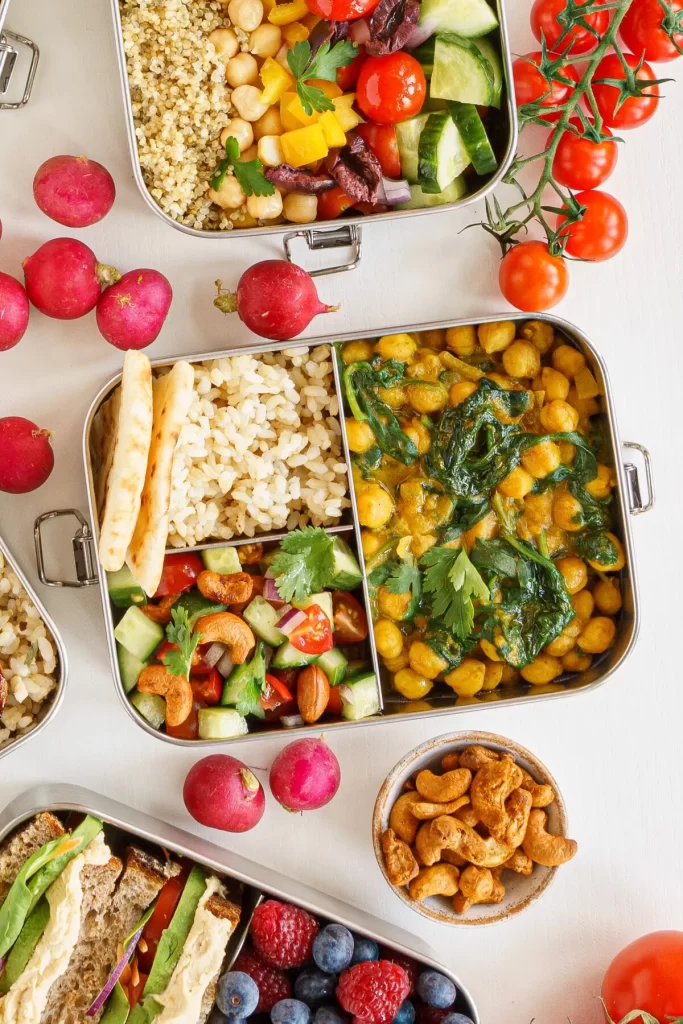
The magic happens when your gardening hobby meets your kitchen routine. Here’s why homegrown veggies are a meal prepper’s dream:
A. Freshness That Lasts
Homegrown vegetables stay fresh longer because they haven’t traveled miles or sat in storage. When picked right before prepping, they retain their nutrients and crispness all week.
B. Built-In Variety
Your backyard can produce an incredible assortment of vegetables and herbs—from crunchy cucumbers to vibrant bell peppers and leafy greens—ensuring every bento box feels new.
C. Cost-Effective & Sustainable
Growing your own ingredients reduces grocery bills and packaging waste while supporting a greener lifestyle.
D. Creative Freedom
You control your menu—experiment with unusual crops like purple carrots, Thai basil, or rainbow chard to make your bento boxes pop with color and flavor.
2. Planning Your Backyard “Bento Garden”
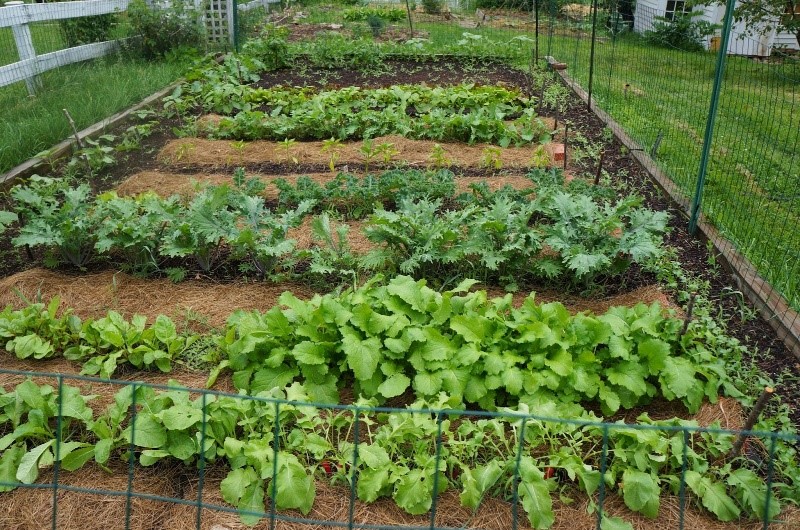
To create the perfect bento prep garden, focus on diversity, seasonality, and balance—just like a bento box itself.
A classic bento has five elements:
- Main (protein or hearty base)
- Veggies (lightly cooked or fresh)
- Carbs (rice, noodles, or grains)
- Pickles or sides (tangy, fermented, or crunchy additions)
- Garnishes (herbs, seeds, or sauces)
Your garden can reflect these same components.
A. Grow Your Mains: Protein-Packed Plants
While tofu or tempeh might come from the store, your garden can supply plenty of natural protein boosters:
- Edamame (young soybeans): A perfect bento staple, high in protein and fiber.
- Peas and beans: Grow bush beans or snap peas for crunchy sides or salads.
- Lentils (if space allows): Add texture and nutrition to grain-based meals.
🪴 Tip: These legumes love full sun and well-drained soil. Sow directly into the ground after the last frost and harvest young for tender pods.
B. Grow the Veggie Stars
These are the heart of your bento box—fresh, colorful, and full of flavor.
- Bell Peppers: Sweet and crisp, great raw or roasted.
- Carrots: Slice thinly for pickles or eat fresh with dips.
- Cucumbers: Essential for refreshing sides or sushi rolls.
- Cherry Tomatoes: Bite-sized and juicy—perfect for bento aesthetics.
- Broccoli and Cauliflower: Great for steaming, roasting, or dipping.
- Zucchini: Use in stir-fries or grilled bento portions.
🪴 Tip:
Mix fast-growers (like lettuce and radishes) with longer crops (like peppers and tomatoes) for continuous harvest.
C. Grow Leafy Greens for Balance
Greens are the foundation of every healthy meal prep.
- Spinach: For salads, wraps, or quick sautés.
- Kale: Holds up well in storage and adds texture.
- Lettuce: Crisp and refreshing, perfect for wraps or rice bowls.
- Swiss Chard: Colorful and full of vitamins.
🪴 Tip: Harvest outer leaves regularly to keep plants productive. Grow in partial shade during hot months to avoid bitterness.
D. Grow Flavor Enhancers: Herbs and Garnishes
No bento is complete without a burst of aroma and color.
- Basil: Perfect for pasta or tofu dishes.
- Cilantro: Pairs beautifully with Asian-inspired bento bowls.
- Mint: Refreshes salads and wraps.
- Parsley and Chives: Ideal for garnishing.
🪴 Tip: Herbs thrive in containers—keep them near your kitchen for easy access.
E. Grow Pickling and Side Veggies
Fermented and tangy sides add contrast to every bento box.
- Radishes: Fast-growing and crunchy, great for pickling.
- Beets: Add color and earthy sweetness.
- Cabbage: The base for homemade kimchi or slaw.
🪴 Tip: Plant radishes and cabbage together—radishes grow quickly and help loosen soil for slower-growing cabbage roots.
3. Designing Your Backyard Layout
Even a small space can yield enough produce for weekly meal prep.
A. Raised Bed Layout (4×4 ft)
- Corner 1: Leafy greens (spinach, lettuce, kale)
- Corner 2: Root crops (carrots, radishes, beets)
- Corner 3: Fruiting veggies (peppers, cucumbers, tomatoes)
- Corner 4: Herbs and pickling veggies (basil, mint, cabbage)
B. Container Garden Setup
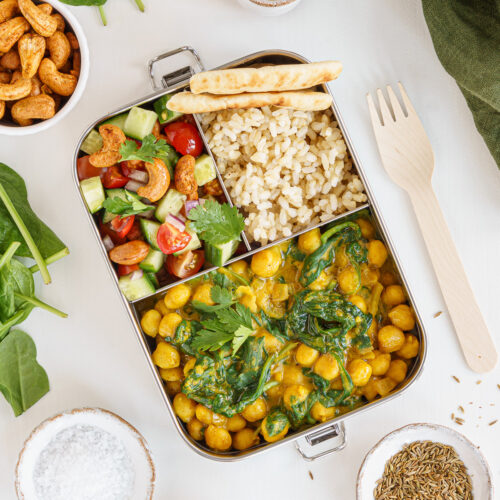
Perfect for patios or balconies.
- Tomatoes and peppers in large pots (12–16 inches deep)
- Lettuce and spinach in shallow planters
- Herbs in small terracotta pots
- Cucumbers climbing on a trellis
🌱 Pro Tip: Rotate crops every season to maintain soil health.
4. From Garden to Kitchen: Harvesting and Prepping
A. Harvesting for Freshness
- Pick veggies early in the morning for maximum crispness.
- Use clean scissors to avoid damaging leaves.
- Store harvested produce in damp cloths or reusable bags in the fridge.
B. Quick Prepping for the Week
Set aside one or two days per week for washing, chopping, and prepping your produce.
- Wash everything gently and air-dry.
- Chop or slice according to how you’ll use them.
- Store in airtight glass containers or reusable meal prep boxes.
For bento boxes, variety and color are key—think bright orange carrots, deep green spinach, ruby tomatoes, and golden peppers.
5. Bento Meal Prep Ideas with Homegrown Produce
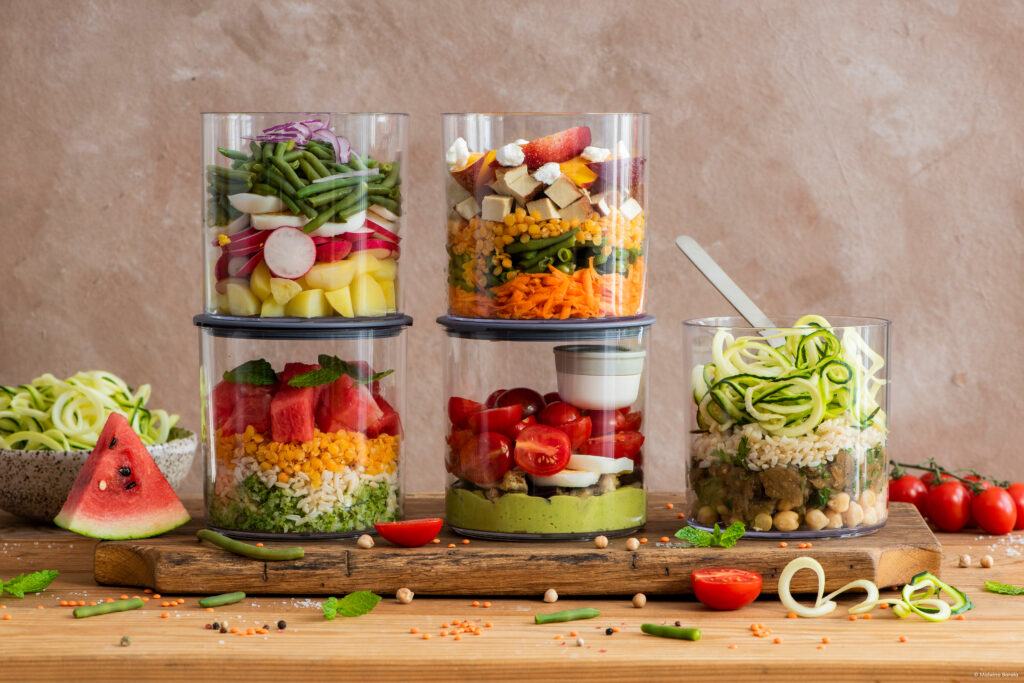
Here are some fresh, vegetarian bento ideas that make the most of your garden harvest:
A. Mediterranean Veggie Bento
Ingredients: Cherry tomatoes, cucumber ribbons, roasted peppers, olives, quinoa, and hummus.
Flavor Tip: Add fresh parsley and a drizzle of olive oil with lemon.
B. Asian Garden Bento
Ingredients: Stir-fried bok choy, edamame, brown rice, pickled radishes, and tofu.
Flavor Tip: Garnish with sesame seeds and cilantro for authentic flair.
C. Rainbow Wrap Bento
Ingredients: Swiss chard or collard leaves filled with carrots, bell peppers, and avocado.
Flavor Tip: Serve with a peanut or tahini dipping sauce.
D. Fresh Salad Bento
Ingredients: Mixed greens, cherry tomatoes, shredded beets, and chickpeas.
Flavor Tip: Pack a small container of vinaigrette separately to keep greens crisp.
E. Garden Grain Bowl Bento
Ingredients: Roasted zucchini, kale, quinoa, and roasted chickpeas.
Flavor Tip: Top with basil and a spoonful of homemade pesto.
Each box provides balance—protein, fiber, vitamins, and texture—all from your backyard bounty.
6. Storage and Longevity Tips
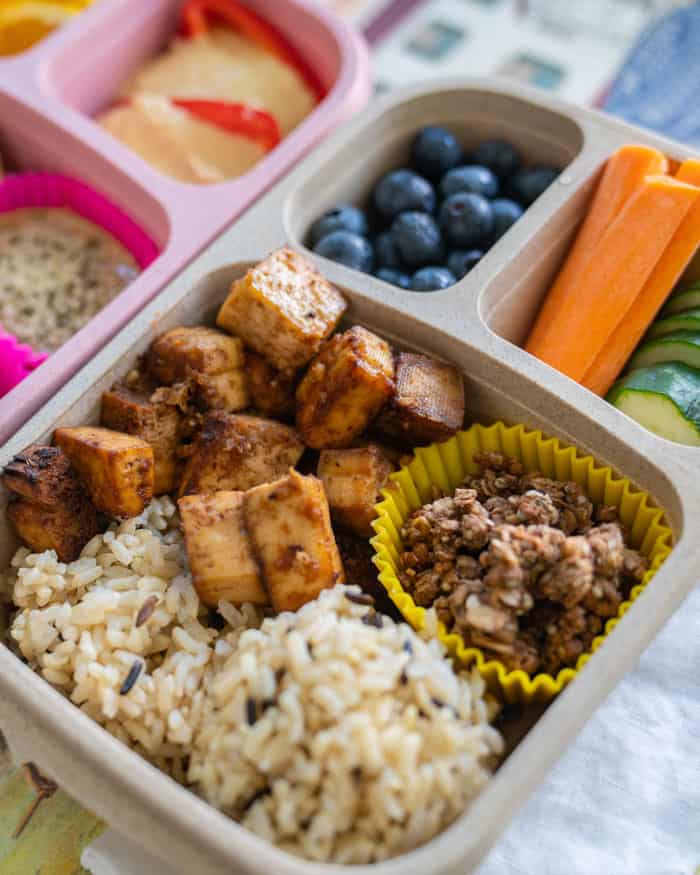
Keep your garden-fresh bento ingredients crisp all week with these methods:
- Store greens with paper towels or cloth wraps to absorb moisture.
- Blanch veggies like broccoli or beans before freezing for later use.
- Pickle radishes or carrots to extend their shelf life and add tanginess.
- Batch-cook grains like rice or quinoa on weekends and mix with fresh veggies daily.
🌿 Pro Tip: Use beeswax wraps instead of plastic film to keep food fresh sustainably.
7. Seasonal Planting Guide for Bento Gardeners
Keep your garden productive all year long by rotating crops:
- Spring: Lettuce, spinach, radishes, peas
- Summer: Tomatoes, cucumbers, basil, peppers
- Autumn: Kale, Swiss chard, beets, carrots
- Winter (Indoor): Microgreens, herbs, and leafy greens under grow lights
By planning ahead, you can enjoy a year-round harvest for continuous meal prep.
8. Sustainable Gardening and Meal Prep Practices
To make your “backyard-to-bento” journey truly eco-friendly:
- Compost kitchen scraps to nourish your soil naturally.
- Collect rainwater for irrigation.
- Reuse containers and jars for storage and pickling.
- Grow pollinator-friendly flowers near your veggies to boost yields naturally.
These small actions close the loop between garden and kitchen, creating a truly sustainable lifestyle.
9. The Joy of Eating What You Grow
There’s nothing like the sense of accomplishment that comes from eating food you cultivated with your own hands. Each bite connects you to the rhythm of nature—the seed you planted, the rain that fell, the sunlight that ripened your harvest.
When you pack your bento box with fresh greens, vibrant veggies, and herbs from your backyard, you’re not just preparing a meal—you’re celebrating your connection to the earth.
Conclusion: The Art of the Homegrown Bento
“From Backyard to Bento Box: Veggie Meal Prep Ideas” is a reminder that nourishment doesn’t start in the kitchen—it begins in the soil. With a little planning and care, your backyard can become your pantry, your garden your inspiration.
By growing and prepping your own food, you create meals that are colorful, balanced, and deeply personal. Each bento becomes a reflection of your garden’s rhythm and your creativity—proof that healthy eating can be beautiful, sustainable, and joyful.
So grab your trowel, plant a few seeds, and start imagining your next week of homegrown, garden-fresh bento boxes. Every harvest, every meal, and every bite will remind you: the best food comes from your own hands. 🌿🍱