Adopting a plant-based diet is one of the most rewarding lifestyle choices you can make—for your health, the environment, and your sense of connection to food. But the experience becomes even more meaningful when you grow the ingredients yourself. A home vegetable garden doesn’t just reduce your grocery bill; it empowers you to cultivate the freshest, most flavorful produce right at your doorstep.
Whether you’re a seasoned gardener or just starting out, growing your own vegetables for a plant-based diet means aligning your eating habits with the seasons, reducing food waste, and ensuring that every meal is both nourishing and sustainable. This guide will walk you through how to plan, grow, and harvest a thriving backyard (or balcony) garden to support a delicious, nutrient-rich, plant-based lifestyle.
1. The Connection Between Gardening and a Plant-Based Lifestyle
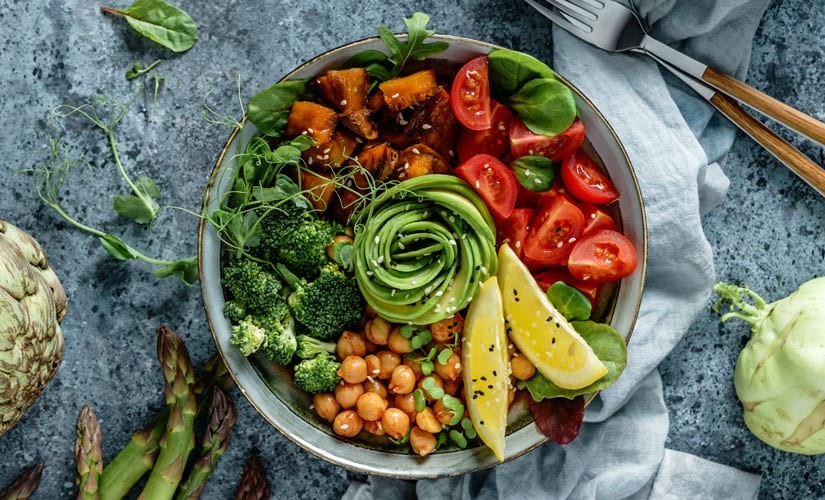
A plant-based diet focuses on whole, unprocessed foods—vegetables, fruits, grains, legumes, nuts, and seeds. Growing your own vegetables naturally complements this philosophy. Instead of relying on produce that has traveled thousands of miles or lost nutrients in transit, you harvest food at its peak freshness and flavor.
Beyond health benefits, backyard gardening fosters mindfulness. When you tend to your plants daily, you witness the effort and time it takes for food to grow. That awareness often leads to more intentional eating habits—less waste, more gratitude, and a deeper appreciation for each meal.
Additionally, gardening can reduce your environmental footprint by cutting down on packaging, transportation, and water-intensive commercial agriculture. Every tomato, leaf of kale, or bunch of herbs you grow at home is a small step toward a more sustainable food system.
2. Planning Your Garden for a Plant-Based Diet

Before you start planting, it’s helpful to design your garden around your eating habits. Ask yourself: What do I eat most often? Which veggies form the base of my meals? A well-planned plant-based garden should provide a balance of leafy greens, root vegetables, legumes, and seasonal produce for variety and nutrition.
Key categories to include:
- Leafy Greens: Spinach, kale, lettuce, arugula, Swiss chard, bok choy
- Root Vegetables: Carrots, beets, radishes, turnips, sweet potatoes
- Fruiting Vegetables: Tomatoes, bell peppers, cucumbers, zucchini, eggplant
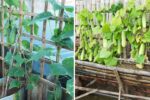
- Legumes: Peas, green beans, and edamame (soybeans)
- Herbs: Basil, cilantro, parsley, mint, thyme, dill
- Alliums: Onions, garlic, leeks, and scallions
Plan for staggered planting so you always have something fresh to harvest. For example, quick growers like lettuce and radishes can be planted every few weeks for a continuous yield, while longer growers like tomatoes or peppers will provide steady harvests through summer.
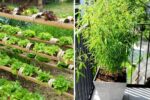
If you live in an apartment or have limited space, container gardening or vertical gardening are excellent options. Herbs, salad greens, and cherry tomatoes thrive in pots or hanging planters on sunny balconies.
3. Preparing the Soil and Setting Up Your Garden
Healthy soil is the foundation of a thriving garden. It provides plants with nutrients, moisture, and aeration for strong root growth.
Steps to prepare your soil:
- Choose a sunny location. Most vegetables need at least 6–8 hours of sunlight daily.
- Test your soil. A simple home test kit will tell you the pH and nutrient balance. Most vegetables prefer slightly acidic to neutral soil (pH 6–7).
- Add organic matter. Mix compost or well-rotted manure into your garden bed to enrich the soil.
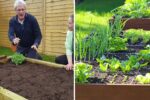
- Plan raised beds or rows. Raised beds improve drainage, reduce compaction, and make it easier to manage weeds.
If you’re using containers, select pots with good drainage holes and fill them with a nutrient-rich organic potting mix.
Water regularly—deeply but infrequently—to encourage deep root growth. Early morning watering is ideal, as it minimizes evaporation and gives plants a chance to absorb moisture before the day’s heat.
4. Growing Essential Vegetables for a Plant-Based Diet
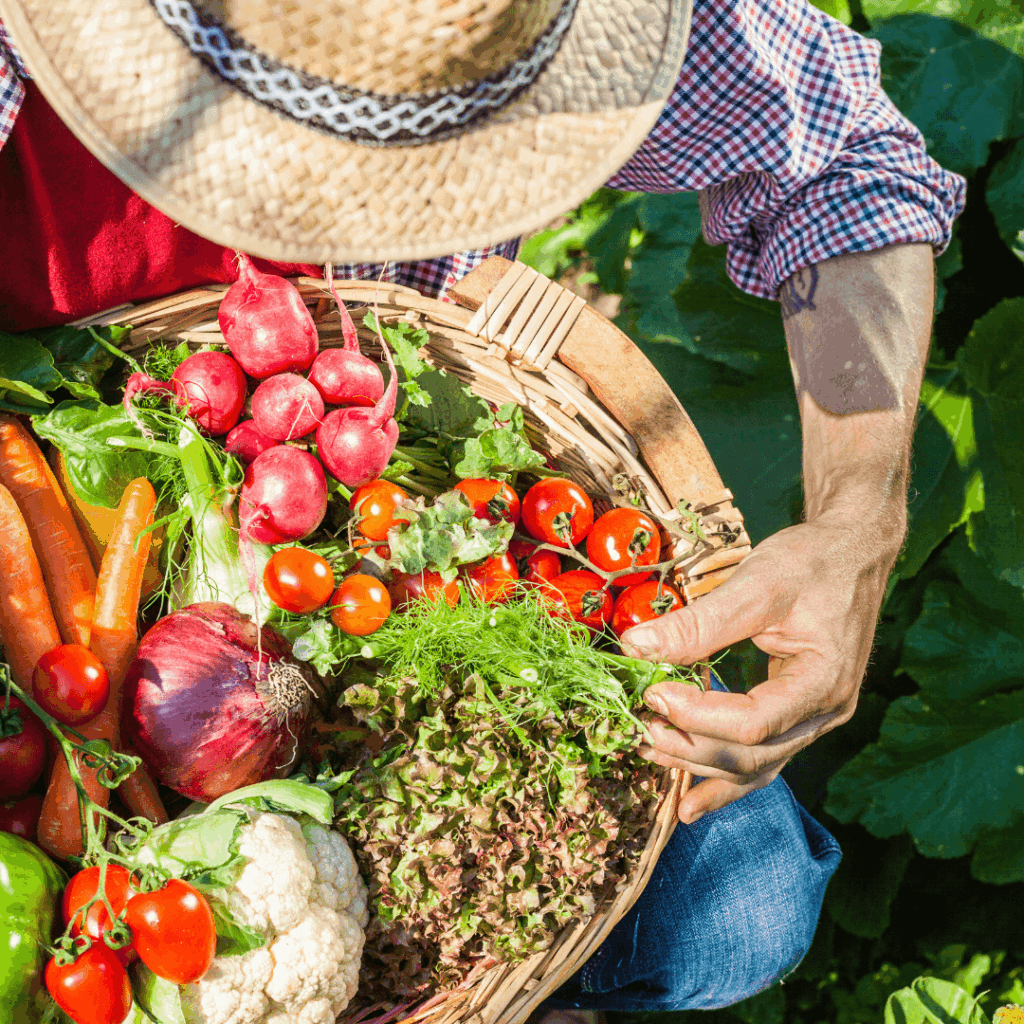
Let’s look at how to grow some of the most nutritious and versatile vegetables that support plant-based meals year-round.
Leafy Greens:
These grow quickly and can be harvested multiple times. Sow seeds directly in the soil and keep them moist. Harvest outer leaves regularly to promote continuous growth. Use greens in salads, smoothies, wraps, and sautés.
Tomatoes and Peppers:
Start these from seedlings in early spring. They need full sun and consistent watering. Tomatoes thrive when staked or trellised. Once ripe, they’re perfect for sauces, sandwiches, or roasted dishes.
Root Vegetables:
Carrots, radishes, and beets prefer loose, sandy soil. Sow seeds directly into the garden and thin seedlings once they sprout to allow roots to grow properly. Harvest when firm and flavorful for soups, roasts, or grain bowls.
Beans and Peas:
These legumes enrich the soil by fixing nitrogen. Sow seeds in warm soil and provide trellises for climbing varieties. Once harvested, they’re excellent sources of plant protein for stir-fries, curries, or salads.
Herbs:
Herbs add freshness and depth to plant-based dishes. Most herbs prefer well-drained soil and full sun. Snip leaves regularly to encourage bushy growth. Dry excess herbs or freeze them for later use.
5. Harvesting, Storing, and Using Your Produce
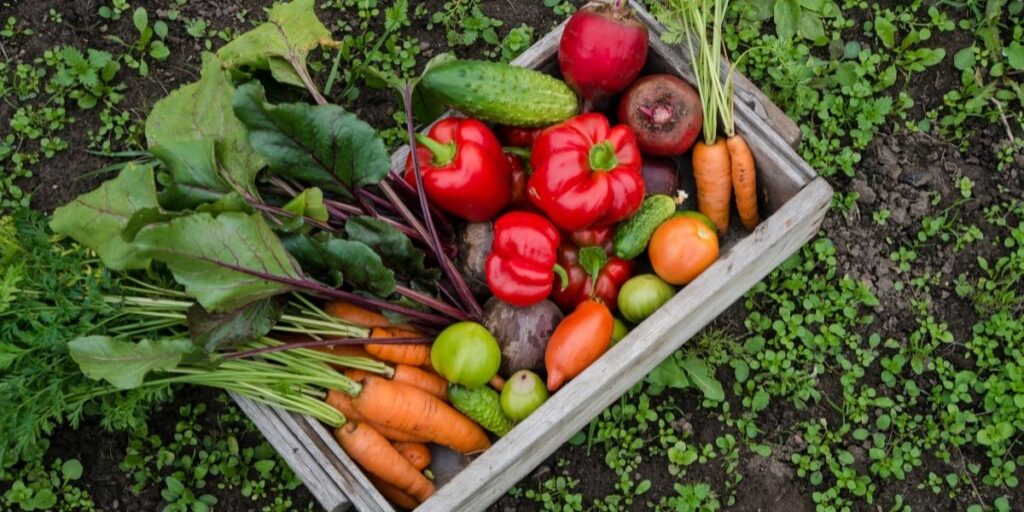
Harvesting your vegetables at the right time ensures maximum flavor and nutrition. Most leafy greens taste best when young and tender, while root vegetables should be firm and brightly colored. Use sharp scissors or shears to avoid damaging plants.
For longer storage:
- Root crops can be stored in a cool, dark place.
- Greens keep best when washed, dried, and wrapped in a damp towel in the refrigerator.
- Herbs can be hung upside down to dry or frozen in olive oil cubes for easy use later.
Once your garden is producing, meal prep becomes easier and more exciting. You can harvest ingredients for fresh salads, soups, stir-fries, and grain bowls directly from your backyard—reducing waste and ensuring that every bite is truly farm-to-table.
6. Easy Plant-Based Recipes from Your Garden
Here are a few simple, nourishing meal ideas you can make using your homegrown vegetables:
Garden Stir-Fry:
Sauté chopped bell peppers, broccoli, and snap peas with garlic and ginger. Add tofu or tempeh for protein, and finish with soy sauce and sesame seeds.
Roasted Veggie Bowl:
Roast carrots, sweet potatoes, and zucchini with olive oil and herbs. Serve over quinoa or brown rice and drizzle with tahini dressing.
Fresh Salad Mix:
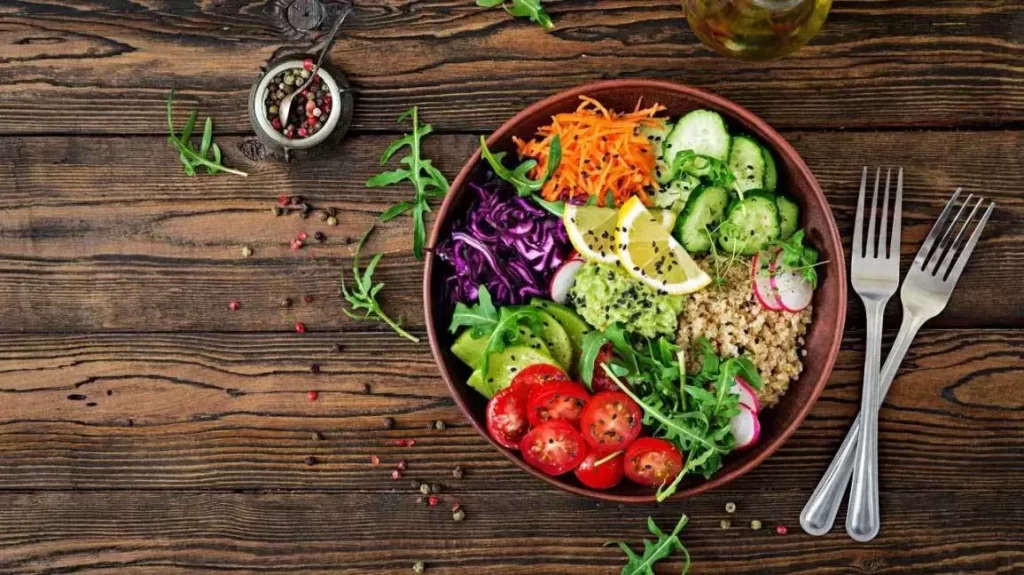
Combine spinach, lettuce, and arugula with sliced cucumbers, cherry tomatoes, and herbs. Toss with lemon vinaigrette for a refreshing side or light meal.
Hearty Lentil Soup:
Simmer lentils with diced tomatoes, carrots, and kale for a rich, comforting soup packed with fiber and flavor.
7. Sustainable Gardening Tips
Sustainability is central to both plant-based living and home gardening. Here are some eco-friendly practices to follow:
- Compost kitchen scraps to create natural fertilizer.
- Collect rainwater for irrigation.
- Use companion planting (like basil with tomatoes or carrots with onions) to deter pests naturally.
- Avoid chemical pesticides—instead, rely on neem oil or insecticidal soap.
These habits not only make your garden more self-sufficient but also keep your produce chemical-free and environmentally friendly.
8. The Reward of Growing Your Own Food
Growing your own vegetables for a plant-based diet is more than just a hobby—it’s a form of nourishment that goes beyond the plate. Each seed you plant becomes a symbol of sustainability, wellness, and care. The garden becomes your personal grocery store, your wellness coach, and your creative kitchen partner all in one.
It’s deeply rewarding to step outside, pick your own produce, and prepare a meal that’s entirely your creation—from soil to spoon. Whether you live in a house with space for raised beds or an apartment with sunlit containers, your garden can support your journey toward a healthier, more sustainable plant-based life.
In essence, growing your own vegetables is about reconnecting with the source of your food. It’s about cultivating not just plants, but a lifestyle rooted in mindfulness, health, and respect for the planet. With a bit of patience and care, your backyard—or balcony—can become the heart of your plant-based kitchen, where every harvest tells the story of growth, gratitude, and green living. 🌱