In recent years, the movement toward plant-based living has gained enormous popularity, not only for its health benefits but also for its positive impact on the environment. Imagine being able to step outside your door, snip a handful of fresh basil, pluck ripe tomatoes from the vine, or harvest crisp lettuce for a salad—all grown by you. A DIY kitchen garden makes that dream possible.
Whether you live in a spacious home with a backyard or a small apartment with a balcony, you can create a thriving garden that supplies fresh, organic ingredients for your plant-based meals. In this article, we’ll explore how to design, grow, and maintain your own kitchen garden, and how it connects directly to delicious homemade plant-based cooking.
1. Why a DIY Kitchen Garden Complements Plant-Based Cooking
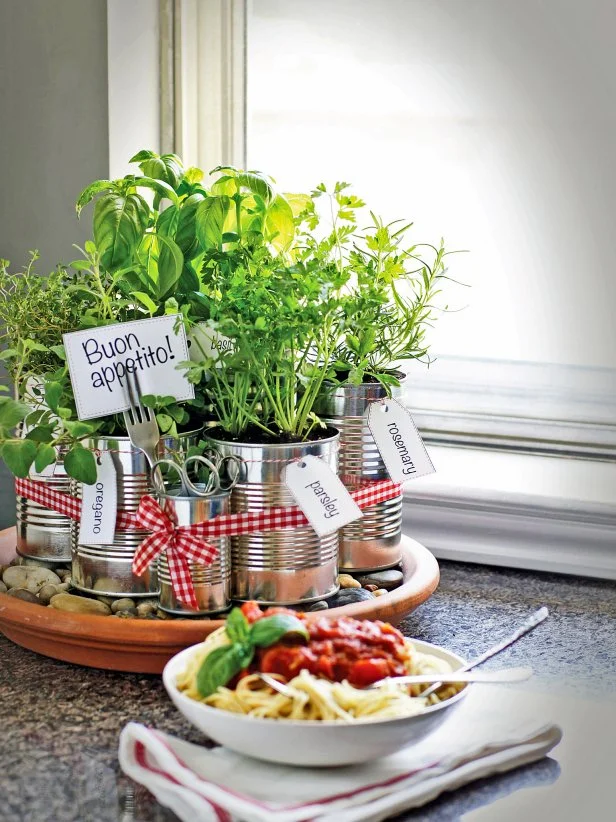
A kitchen garden isn’t just a source of fresh produce—it’s a lifestyle choice that nurtures health, sustainability, and creativity in the kitchen.
Freshness at Your Fingertips
When you grow your own vegetables, herbs, and greens, you eliminate the delay between harvest and plate. Store-bought vegetables often travel hundreds of miles, losing nutrients and flavor along the way. Homegrown produce, on the other hand, is rich in vitamins, antioxidants, and freshness that enhance every plant-based dish.
Sustainable and Eco-Friendly
Plant-based diets already reduce your environmental footprint. Pairing that with home gardening amplifies the effect—fewer packaged goods, no synthetic pesticides, and reduced carbon emissions from food transport. Composting kitchen waste closes the sustainability loop by returning nutrients to the soil.
Cost-Effective and Rewarding
Seeds are inexpensive, and many plants regenerate easily from kitchen scraps. Over time, your garden pays for itself—saving you money while offering the satisfaction of self-sufficiency.
2. Planning Your DIY Kitchen Garden
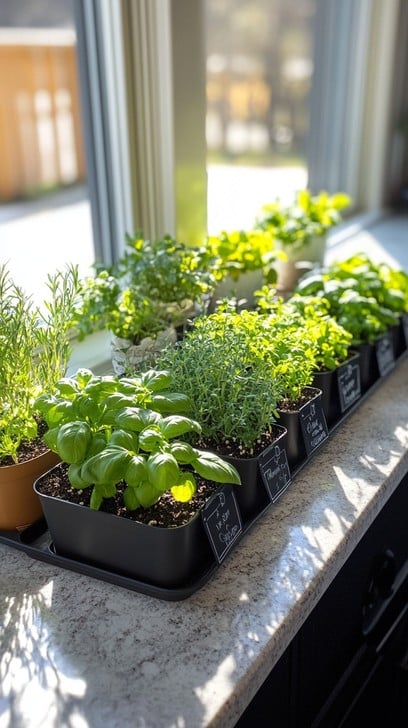
Before planting your first seed, planning is key. A well-thought-out kitchen garden makes the most of available space and suits your cooking style.
Assess Your Space
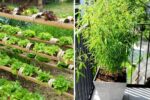
You don’t need a big yard. Even small spaces can yield impressive harvests:
- Windowsill gardens: Perfect for herbs like basil, parsley, and mint.
- Balcony gardens: Ideal for container vegetables—tomatoes, peppers, spinach.
- Backyard beds or raised planters: Best for root crops, leafy greens, and larger plants.
Ensure the area receives at least 6 hours of sunlight daily and has good air circulation.
Choose the Right Containers and Soil
For containers, use recycled pots, buckets, or grow bags with drainage holes. Fill them with a mix of organic compost, garden soil, and coco peat for proper aeration and moisture retention.
Healthy soil is the foundation of a thriving garden. Compost kitchen scraps—fruit peels, eggshells, coffee grounds—to create your own organic fertilizer.
Select Plants That Match Your Diet
Think about your favorite plant-based recipes and grow accordingly. For example:
- For salads: Lettuce, spinach, arugula, cherry tomatoes, cucumbers.
- For curries and soups: Tomatoes, chilies, beans, eggplants, coriander.
- For smoothies: Kale, mint, parsley, and microgreens.
- For seasoning: Basil, rosemary, thyme, and oregano.
Start with 4–6 easy-to-grow plants, then expand as you gain confidence.
3. Setting Up Your Garden: Step-by-Step
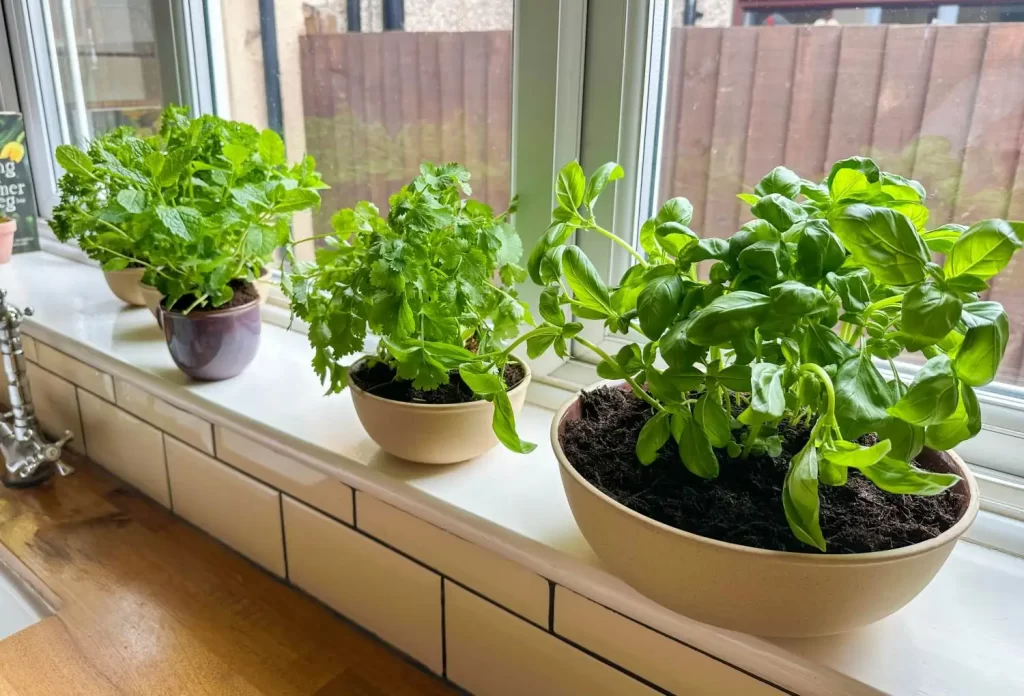
Creating your DIY kitchen garden is easier than it looks. Here’s a step-by-step guide to help you get started.
Step 1: Gather Supplies
You’ll need:
- Containers or pots
- Organic potting mix
- Seeds or seedlings
- Watering can or spray bottle
- Gardening tools (optional but helpful)
Step 2: Prepare the Soil
Mix compost, garden soil, and coco peat in equal parts. This blend ensures the right balance of nutrients, moisture, and drainage.
Step 3: Plant Your Seeds
Read each seed packet’s instructions for depth and spacing. Water gently after planting. Label your pots so you can identify plants as they grow.
Step 4: Water and Sunlight
Water your plants regularly, but don’t overdo it—too much water can rot roots. Early morning or late evening watering is ideal. Rotate containers weekly to ensure even sunlight exposure.
Step 5: Maintenance
Keep an eye on pests. Use organic remedies like neem oil spray or soap water instead of chemicals. Prune regularly to encourage growth and prevent overcrowding.
4. Sustainable Gardening Practices for a Greener Kitchen
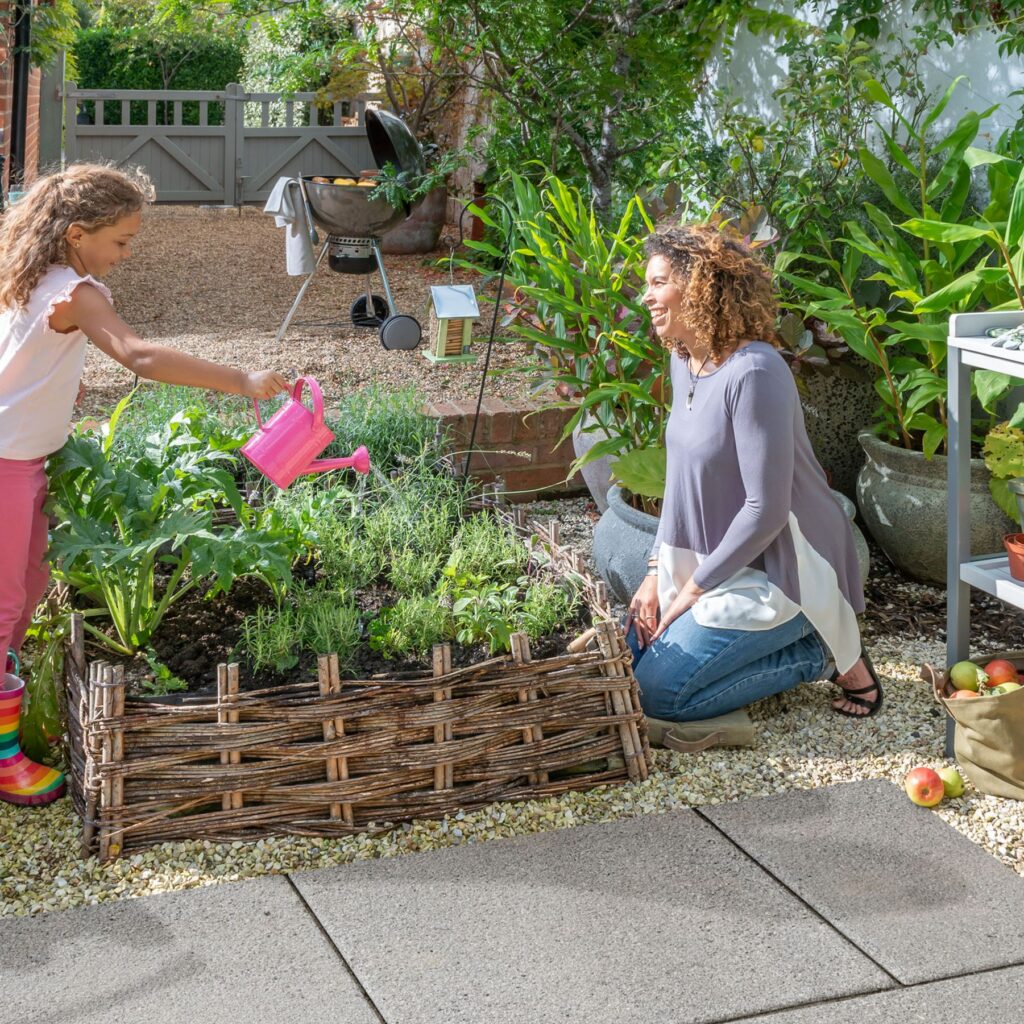
A DIY kitchen garden goes hand-in-hand with eco-friendly habits. Every part of your gardening process can contribute to waste reduction and sustainability.
Compost Kitchen Scraps
Composting transforms vegetable peels, coffee grounds, and fruit scraps into nutrient-rich soil food. It reduces landfill waste while replenishing your garden naturally.
Use Greywater
Reuse water from washing vegetables to water your plants. This small step conserves precious freshwater resources.
Grow from Scraps
Many vegetables can regrow from leftovers:
- Spring onions, celery, and lettuce regrow when placed in water.
- Garlic and ginger sprout easily from small pieces.
- Potatoes and carrots can regenerate from cuttings.
These methods save money and reduce kitchen waste.
Practice Companion Planting
Some plants thrive when grown together:
- Tomatoes and basil boost each other’s growth and flavor.
- Marigolds repel pests naturally.
- Beans fix nitrogen in the soil, nourishing leafy greens nearby.
This natural teamwork enhances your garden’s productivity and biodiversity.
5. Harvesting and Cooking from Your Garden

One of the most rewarding parts of having a kitchen garden is harvesting your own ingredients and transforming them into vibrant, plant-based meals.
Harvesting Tips
- Pick vegetables at their peak ripeness for the best flavor.
- Harvest leafy greens by cutting the outer leaves, allowing the plant to keep growing.
- Handle herbs gently—snip just before using for maximum aroma.
Harvest early in the morning when leaves are fresh and crisp.
Transforming Garden Freshness into Meals
Now that your garden is thriving, it’s time to bring that freshness into your kitchen. Here are a few delicious ideas:
1. Garden-Fresh Salad Bowl
Combine lettuce, cherry tomatoes, cucumber, and herbs from your garden. Toss with olive oil, lemon juice, and salt for a refreshing meal full of crunch and vitamins.
2. Homemade Tomato-Basil Pasta
Use your garden’s tomatoes, basil, and garlic to create a simple yet flavorful sauce. Serve with whole-grain pasta for a satisfying plant-based dinner.
3. Spinach and Chickpea Curry
Blend homegrown spinach with spices and chickpeas for a protein-packed, nutrient-dense dish that pairs perfectly with rice or flatbread.
4. Green Smoothie Delight
Blend kale, mint, and parsley from your garden with banana and plant-based milk for an energizing morning drink.
5. Herb-Infused Soups
Use fresh herbs like rosemary, oregano, and thyme to enhance the aroma and nutrition of homemade soups.
Preserve the Excess
If you grow more than you can eat, preserve your harvest:
- Dry herbs for later use.
- Freeze chopped greens or peppers for future meals.
- Make sauces, pickles, or chutneys from surplus produce.
Nothing should go to waste—every harvest can be stored, shared, or repurposed.
6. Health and Environmental Benefits
A DIY kitchen garden nourishes both your body and the planet.
For Your Health
Homegrown vegetables are pesticide-free, fresher, and richer in nutrients. Gardening itself provides gentle exercise, reduces stress, and improves mental well-being. It’s therapy for both the mind and body.
For the Environment
By growing your own produce, you:
- Reduce plastic packaging waste.
- Cut carbon emissions from food transport.
- Support biodiversity through organic cultivation.
- Return nutrients to the earth via composting.
Every garden, no matter how small, contributes to a healthier planet.
7. Troubleshooting and Continuous Growth
Even the best gardens face challenges—but they’re all part of the learning process.
Common Issues
- Yellowing leaves: Often a sign of overwatering or poor drainage.
- Pests: Use neem oil or companion planting for natural pest control.
- Slow growth: Check for sunlight and nutrient levels. Add compost if needed.
Keep Learning
Gardening is about experimentation. Keep notes on what works, rotate crops seasonally, and try new varieties each year. The more you grow, the more confident you’ll become.
8. From Garden to Lifestyle: The Joy of Plant-Based Living
A DIY kitchen garden isn’t just about growing vegetables—it’s about cultivating a mindful, sustainable lifestyle. You’ll notice your cooking evolve as you start using what’s available in your garden. Your meals will become more colorful, diverse, and creative.
Cooking plant-based food from your own harvest also deepens your connection to what you eat. You begin to value every ingredient, understanding the time, care, and earth’s effort that went into growing it.
It’s not just food—it’s a story of patience, nurture, and gratitude.
9. Conclusion: Grow Green, Eat Clean
Creating a DIY kitchen garden for homemade plant-based cooking is one of the most fulfilling ways to live sustainably and eat healthily. It transforms your home into a self-sustaining ecosystem—where kitchen waste feeds the soil, the soil grows your food, and your meals nourish you naturally.
Every pot of herbs, every patch of spinach, and every ripe tomato is a step toward a greener, healthier lifestyle. You don’t need a large space or expert skills—just curiosity, consistency, and care.
So, start small. Plant a few seeds, water them, and watch them grow. Soon, your kitchen will overflow with the colors, aromas, and flavors of your own garden—a living pantry for wholesome, plant-based meals straight from nature’s hand to your plate.