In a world where food waste and environmental damage are growing concerns, one of the most powerful actions individuals can take is remarkably simple—grow and cook their own vegetables. Every year, millions of tons of perfectly edible food end up in landfills, contributing to greenhouse gas emissions and depleting natural resources. But when you cultivate a home vegetable garden and prepare meals from your own harvest, you can significantly reduce waste, save money, and live a more sustainable, mindful life.
This article explores how growing and cooking your own vegetables helps minimize waste at every stage—from seed to plate—and how you can adopt practical, eco-friendly habits that turn your kitchen and garden into a zero-waste ecosystem.
1. The Food Waste Problem—and Why It Matters
According to the United Nations Environment Programme, roughly one-third of all food produced globally is wasted. This doesn’t just waste the food itself—it also wastes the land, water, energy, and labor used to produce it. When food decomposes in landfills, it releases methane, a greenhouse gas 28 times more potent than carbon dioxide.
Most of this waste happens at home—expired vegetables, unused leftovers, or overbuying at the store. But by growing your own vegetables, you take back control. You harvest only what you need, preserve the rest, and reconnect with food as something valuable, not disposable.
A personal veggie garden turns you into both producer and consumer, closing the loop between growing, harvesting, cooking, and composting.
2. Growing Your Own Veggies: The First Step Toward Waste Reduction
A vegetable garden is more than a source of food—it’s a cycle of sustainability. Every leaf, seed, and scrap has a purpose, and every bit of waste can feed back into the soil.
Plan with Purpose
Reducing waste starts with planning. Grow what you actually eat. If you love salads, plant lettuce, tomatoes, cucumbers, and herbs. If you cook stews and curries, choose carrots, beans, onions, and spinach. This way, nothing goes uneaten.
Create a planting schedule that ensures a steady, manageable harvest instead of overwhelming quantities all at once. Succession planting—sowing small batches every few weeks—keeps your supply consistent and prevents surplus waste.
Use What You Have
You don’t need expensive equipment to start a sustainable garden. Repurpose containers like buckets, wooden crates, or even old cans. Compost your kitchen scraps to create natural fertilizer, and collect rainwater for irrigation. Each small choice contributes to a low-waste lifestyle.
Grow Versatile, High-Yield Crops
Some vegetables are particularly rewarding for waste-conscious gardeners because they grow abundantly and are useful in many recipes:
- Tomatoes: Ideal for sauces, soups, salads, and even sun-dried snacks.
- Zucchini: Can be grilled, baked, spiralized, or blended into soups.
- Leafy greens: Harvest continuously by cutting outer leaves rather than uprooting the plant.
- Herbs: Freshen any dish, dry easily, and reduce the need for store-bought seasoning packets.
- Root vegetables (carrots, radishes, beets): Long shelf life and minimal waste.
Compost Everything You Can
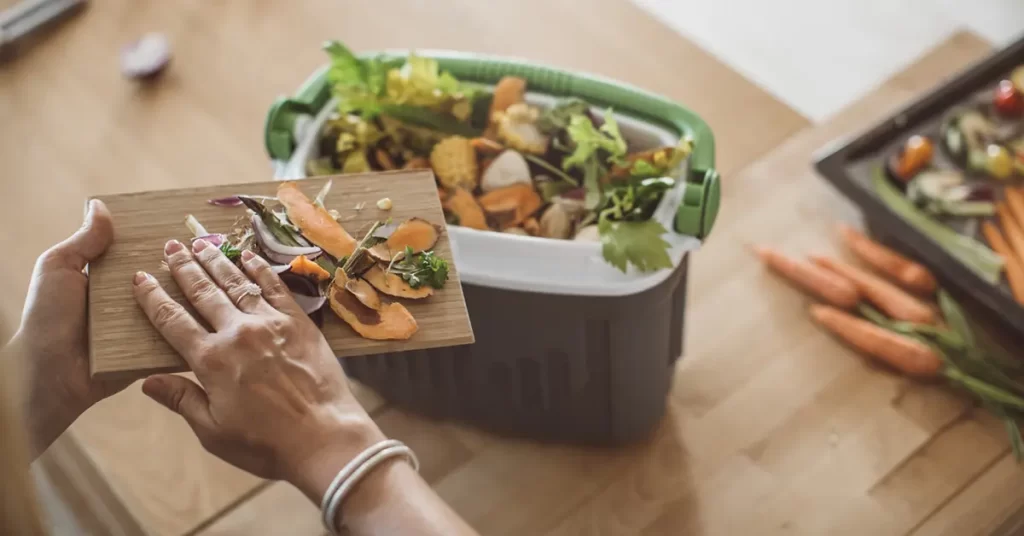
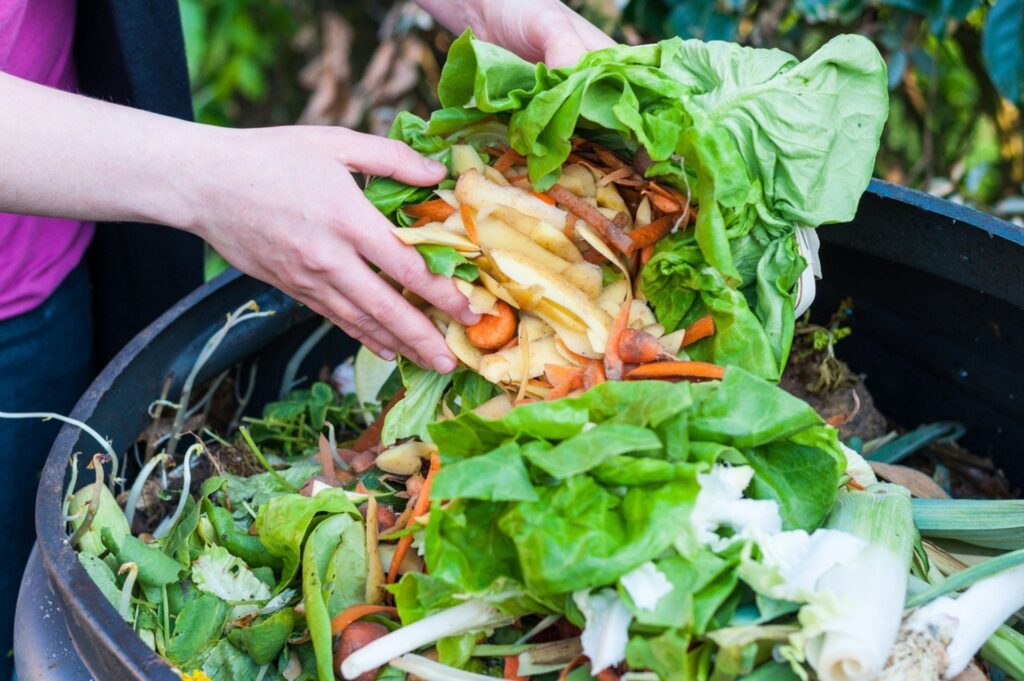
Instead of throwing away vegetable peels, wilted leaves, or coffee grounds, compost them. Composting turns organic waste into nutrient-rich soil for your next crop. It’s nature’s recycling system—and it keeps waste out of landfills.
Even small-scale gardeners can compost using a bin, pile, or vermicompost (worm composting) setup.
3. Smart Gardening Techniques for a Zero-Waste Harvest
A greener garden means less waste and more efficiency. By following a few sustainable gardening methods, you can make the most of every seed and drop of water.
1. Use the Whole Plant
Many vegetables have edible parts we often overlook:
- Carrot tops make delicious pesto or garnish.
- Broccoli stems can be grated for slaws or stir-fried.
- Beet greens are flavorful when sautéed like spinach.
- Radish leaves can be turned into soups or blended into sauces.
By embracing the “root-to-leaf” mindset, you minimize food waste while expanding your culinary creativity.
2. Regrow from Scraps
Several kitchen scraps can regenerate new plants:
- Place green onion or celery bases in water and watch them regrow.
- Potato eyes or garlic cloves can sprout new bulbs.
- Lettuce and bok choy cores regrow fresh leaves with sunlight and water.
These regrown veggies reduce grocery waste and extend your harvest naturally.
3. Save Seeds for Next Season
Instead of discarding seeds, save them from ripe vegetables like tomatoes, peppers, and beans. Store them in paper envelopes for planting next year. Seed saving ensures self-reliance and reduces dependence on commercial seed packaging.
4. Cooking Creatively to Eliminate Food Waste
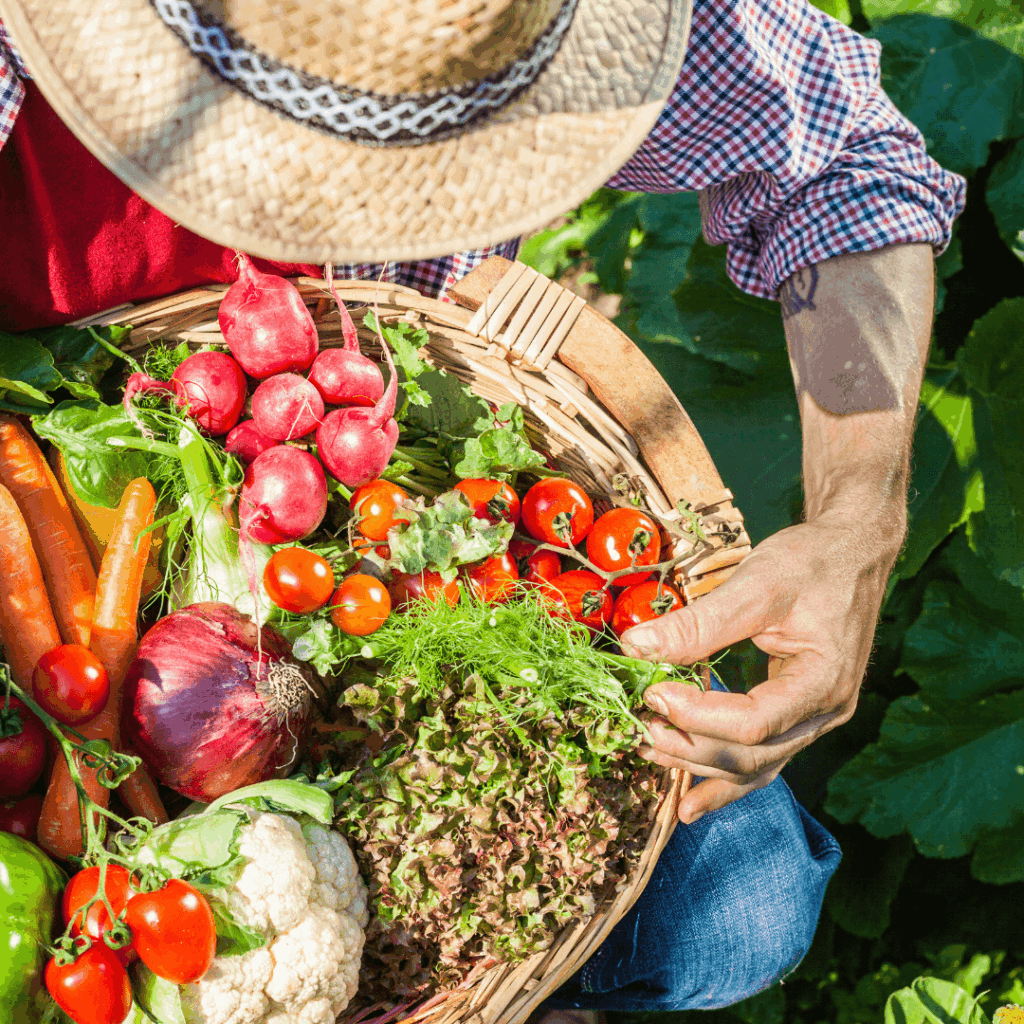
Growing your own food is half the solution—cooking wisely completes the circle. Homegrown produce inspires creativity and mindfulness in the kitchen.
Plan Your Meals Around the Garden
Design weekly menus based on what’s ready to harvest. For example, if you have an abundance of spinach and tomatoes, plan for pasta with tomato sauce, spinach soup, and a salad. This ensures you use your fresh produce before it spoils.
Store and Preserve the Right Way
Proper storage extends the life of your harvest:
- Leafy greens: Wash, dry, and store in airtight containers with paper towels to absorb moisture.
- Root vegetables: Keep in a cool, dark place—no refrigeration needed.
- Herbs: Freeze in olive oil or dry them for seasoning.
- Tomatoes and peppers: Can, freeze, or sun-dry for long-term use.
Preserving your harvest through pickling, fermenting, or dehydrating ensures that nothing goes to waste.
Turn Scraps into Flavor
Instead of discarding peels or stems, use them creatively:
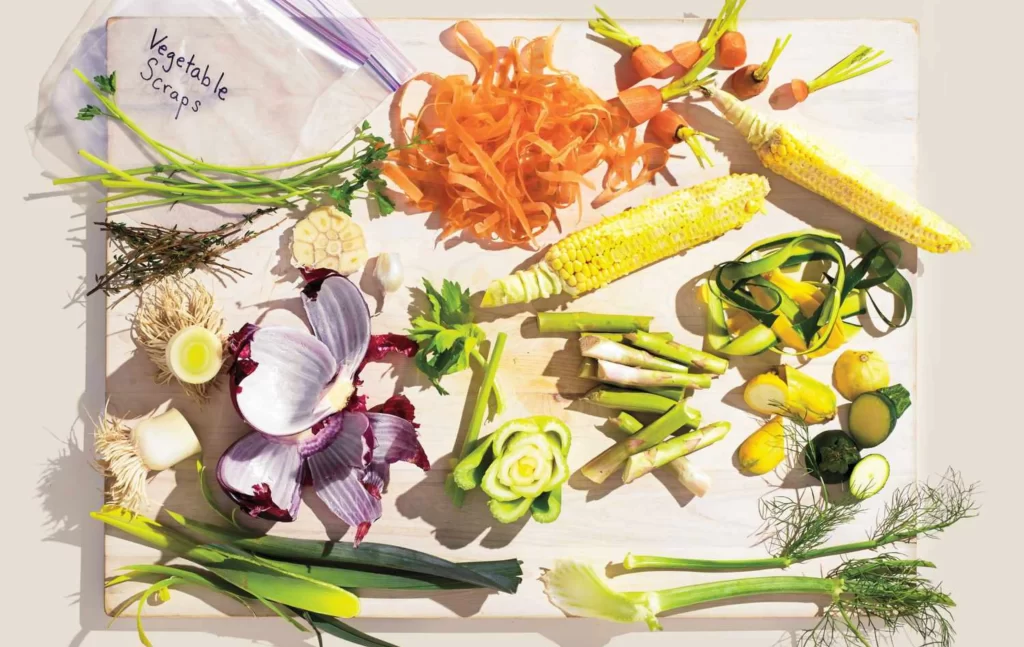
- Collect vegetable scraps (onion ends, carrot peels, herb stems) to make homemade vegetable broth.
- Use overripe tomatoes for sauces or soups.
- Turn leftover herbs into flavored oils, pestos, or chutneys.
- Blend soft fruits or vegetables into smoothies or soups instead of tossing them.
Repurpose Leftovers
If you cook more than you can eat, transform leftovers into new dishes:
- Yesterday’s roasted veggies become today’s wraps or omelets.
- Leftover rice can turn into fried rice with garden greens.
- Soups can be thickened and served as pasta sauces.
Zero-waste cooking is all about flexibility—using every ingredient to its fullest potential.
5. Composting: The Final Step in the Cycle
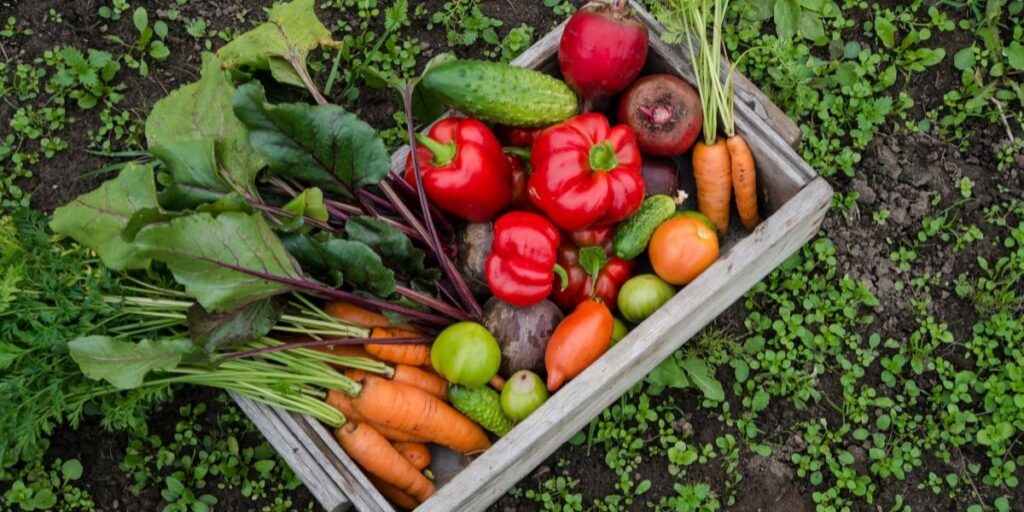
Even the best gardeners and cooks end up with some waste—corn cobs, eggshells, or spoiled bits. Composting completes the sustainability loop by returning nutrients to the soil.
To create compost:
- Combine green materials (fruit scraps, veggie peels, coffee grounds) with brown materials (dry leaves, cardboard, straw).
- Keep it slightly moist and turn it occasionally for airflow.
- In a few months, you’ll have rich, dark compost ready to nourish your next crop.
Nothing truly goes to waste in a closed-loop system—what you grow, eat, and discard ultimately feeds new growth.
6. The Bigger Picture: Environmental and Personal Benefits
By growing and cooking your own veggies, you’re making a meaningful impact beyond your backyard.
Environmental Impact
- Reduced carbon footprint: Fewer food miles and less packaging waste.
- Water conservation: Home gardens use far less water than industrial farming.
- Less landfill waste: Organic scraps stay in your compost, not in dumps.
- Soil regeneration: Composting and organic gardening enrich soil biodiversity.
Personal Benefits
- Healthier diet: Homegrown vegetables are fresher, tastier, and packed with nutrients.
- Stress relief: Gardening is therapeutic—it connects you with nature and promotes mindfulness.
- Financial savings: Seeds and compost cost less than frequent grocery trips.
- Empowerment: You become self-sufficient and aware of where your food comes from.
Growing and cooking your own veggies is not just sustainable—it’s empowering and deeply rewarding.
7. A Zero-Waste Lifestyle: Simple Daily Habits
To fully embrace waste reduction, pair gardening and cooking with mindful daily choices:
- Carry reusable bags and containers.
- Buy in bulk to minimize packaging.
- Share excess produce with neighbors or local food banks.
- Use greywater (from washing veggies) to water plants.
- Upcycle jars and bottles for storage or decoration.
Sustainability begins with small, consistent actions—and your garden can be the foundation for a greener lifestyle.
8. Conclusion: Grow, Cook, Compost—Repeat
Reducing waste by growing and cooking your own veggies isn’t just about saving leftovers—it’s about reshaping your relationship with food. From planting seeds to savoring home-cooked meals, every step of the process builds awareness, gratitude, and respect for the resources that sustain us.
When you garden, nothing goes to waste—because every scrap nourishes something new. The vegetable peel that becomes compost, the wilted greens that flavor broth, and the seeds you save for next year all form part of an endless, life-giving cycle.
So grab a handful of soil, plant your first seed, and start small. With time, your backyard and kitchen will become a living example of how sustainability begins at home—one vegetable, one meal, and one mindful choice at a time.