In an age where people are becoming more conscious about health, sustainability, and self-sufficiency, backyard gardening is making a strong comeback. A small patch of soil—or even a few raised beds—can transform into a thriving space filled with fresh vegetables, herbs, and fruits. For anyone pursuing a plant-based or veggie-forward lifestyle, creating a backyard garden is more than just a hobby—it’s a lifestyle shift toward greener living, improved well-being, and deeper connection with nature.
This article explores how to create a backyard garden that supports a greener veggie lifestyle. From designing your space and choosing the right plants to maintaining your garden and turning your harvest into delicious meals, you’ll discover how simple and rewarding it can be to grow your own food right at home.
1. Why a Backyard Garden Is the Heart of a Greener Veggie Lifestyle
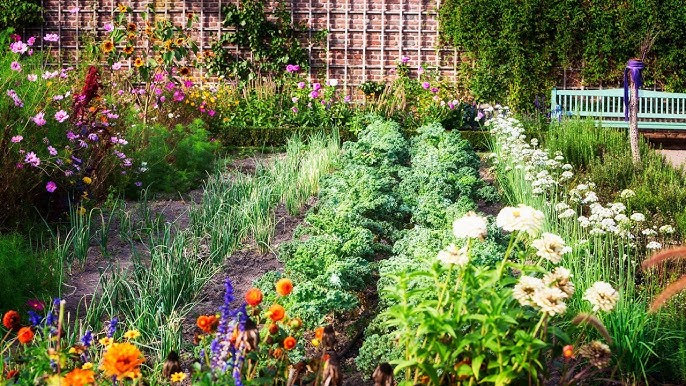
A backyard vegetable garden offers countless benefits beyond the beauty of lush greenery. It encourages sustainability, promotes healthier eating habits, and reduces environmental impact—all while saving money and providing the joy of harvesting your own food.
A Healthier You
When you grow your own food, you control what goes into it—no pesticides, no preservatives, no chemicals. Freshly picked vegetables retain more nutrients, flavor, and color than store-bought ones that travel long distances before reaching your plate. Eating garden-fresh produce supports a diet rich in vitamins, minerals, and antioxidants—key ingredients for a long, healthy life.
A Healthier Planet
Growing vegetables in your backyard means fewer packaged foods, less transportation, and reduced waste. By choosing composting, rainwater harvesting, and organic gardening methods, you help reduce greenhouse gas emissions and protect pollinators and soil health. Every tomato or lettuce leaf you grow contributes to a cleaner, greener environment.
A Healthier Wallet
Seeds and soil are inexpensive investments that yield months of fresh produce. Over time, a backyard garden can cut your grocery bills significantly while offering a continuous supply of seasonal veggies.
2. Planning Your Backyard Veggie Garden
Successful gardens start with thoughtful planning. You don’t need acres of land—just a small, sunny corner can become your personal food paradise.
Assess Your Space
Look at your backyard throughout the day to identify where sunlight falls. Most vegetables need 6–8 hours of direct sunlight. Choose a flat area with good drainage. Avoid spots where water pools after rain, as soggy roots can lead to disease.
If your yard is small, use raised beds, vertical gardens, or container setups. Raised beds warm up quickly in spring, drain well, and keep soil quality consistent. Vertical gardens, using trellises or wall planters, are perfect for vining plants like beans or cucumbers.
Design for Beauty and Function
A garden should be both productive and pleasing to the eye. Use pathways for easy access, borders of flowers to attract pollinators, and companion plants for pest control. You can blend edible plants with ornamentals—such as planting marigolds beside tomatoes or kale among flowering herbs—for a balanced, beautiful space.
Prepare the Soil
Healthy soil equals healthy plants. Begin by loosening your soil and mixing in organic compost, manure, or worm castings. Rich, dark soil filled with organic matter improves drainage, fertility, and microbial activity.
You can test your soil’s pH using a simple kit. Most vegetables prefer slightly acidic to neutral soil (pH 6.0–7.0). If your soil is too acidic, add lime; if it’s too alkaline, add organic matter like compost or peat moss.
3. Choosing the Right Vegetables for Your Garden
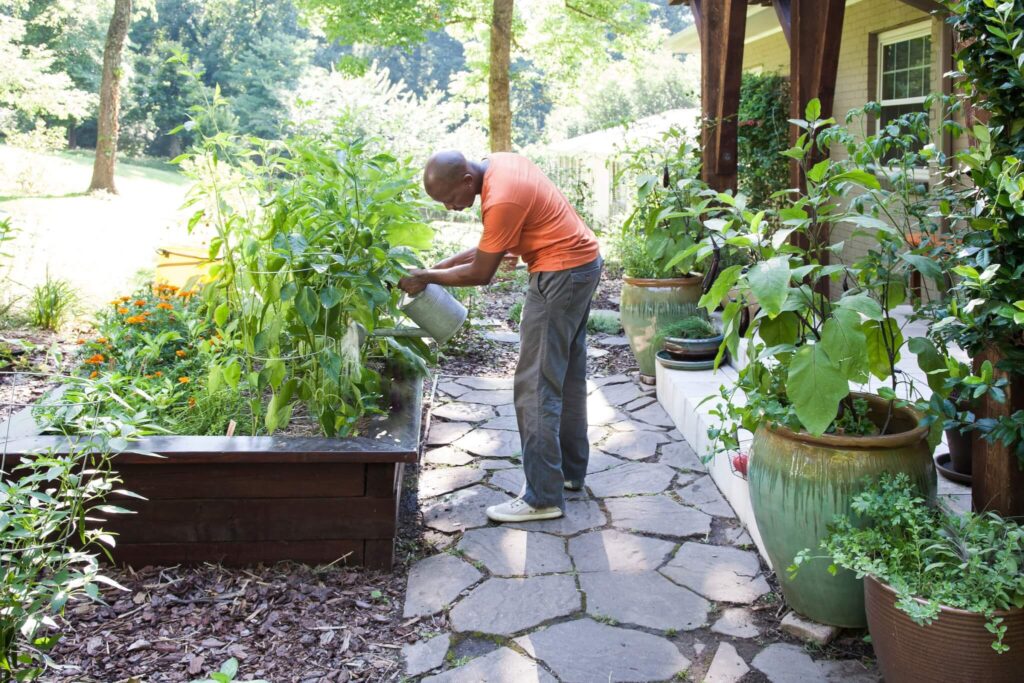
Pick vegetables that suit your climate, soil, and taste preferences. Start with easy-to-grow plants that offer abundant yields.
Beginner-Friendly Veggies
- Tomatoes: Thrive in sunlight and produce all summer. Great for sauces, salads, and salsas.
- Lettuce and Spinach: Quick-growing and perfect for continuous harvests.
- Peppers: Add color, flavor, and vitamins to your dishes.
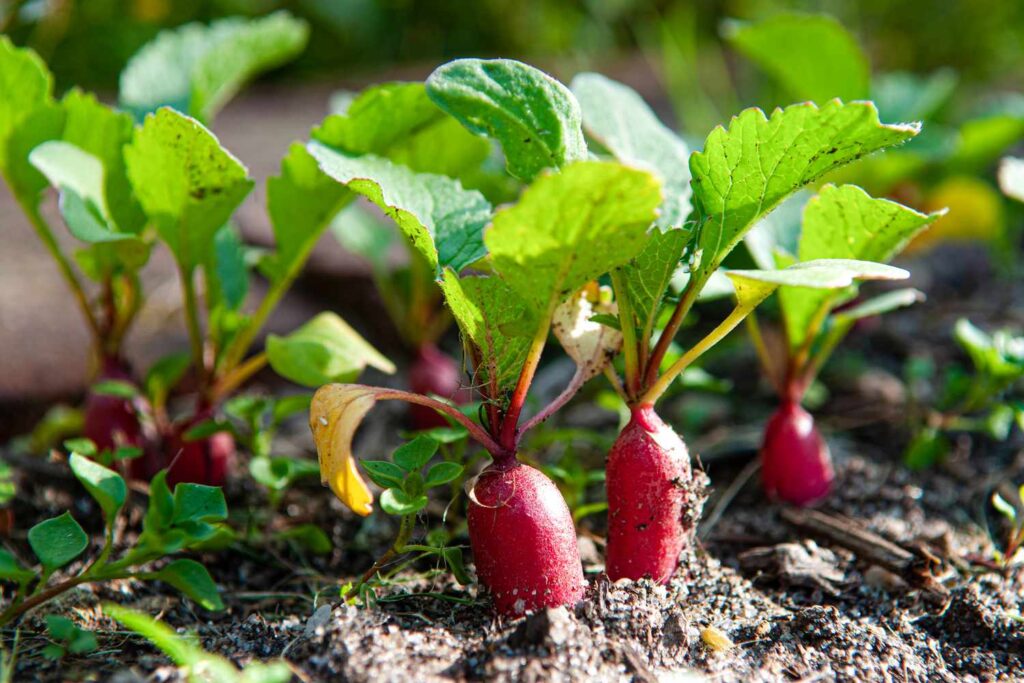
- Carrots and Radishes: Compact and easy to grow in loose soil.
- Beans: Nitrogen-fixing plants that improve soil health.
- Zucchini: Extremely productive—one or two plants yield plenty.
- Herbs (basil, mint, parsley): Great for flavoring meals and repelling pests.
If you have space, consider adding perennial plants like asparagus, strawberries, or rhubarb—they return year after year with minimal care.
Think Seasonally
Plan your garden for year-round harvests:
- Spring: Lettuce, spinach, peas, and radishes.
- Summer: Tomatoes, cucumbers, beans, and peppers.
- Fall: Kale, carrots, and broccoli.
- Winter (in mild climates): Garlic, onions, and leafy greens in cold frames.
Rotating crops each season prevents soil depletion and reduces pest buildup.
4. Sustainable Gardening Practices for a Greener Backyard
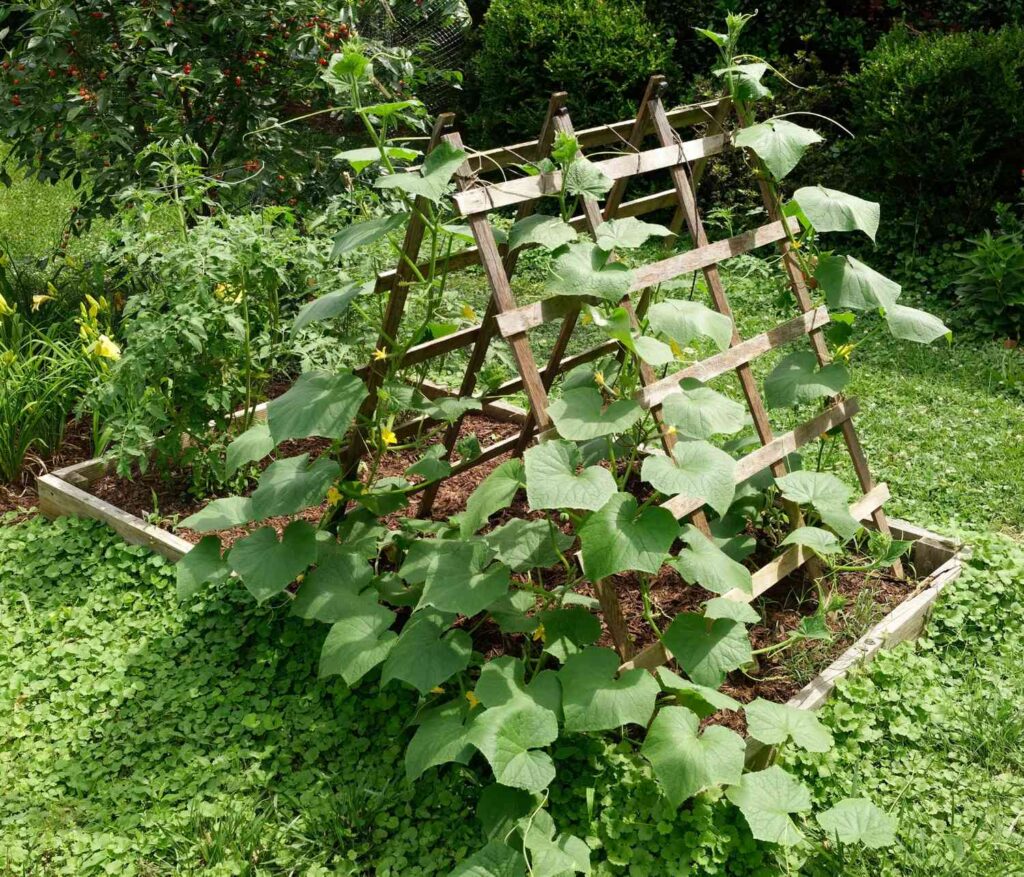
Your garden can be eco-friendly while staying productive. Adopting sustainable habits ensures that your veggie garden supports a healthy planet.
Composting
Composting is the foundation of green gardening. Collect kitchen scraps—fruit peels, coffee grounds, eggshells—and yard waste like leaves and grass clippings. Over time, they decompose into nutrient-rich compost that boosts soil fertility naturally.
Water Wisely
Install a rain barrel to collect rainwater from your roof. Use drip irrigation or soaker hoses to deliver water directly to plant roots, reducing evaporation and waste. Water early in the morning to keep soil moist throughout the day.
Pest Management—Naturally
Avoid chemical pesticides. Instead:
- Use neem oil or soap sprays for soft-bodied insects.
- Introduce beneficial insects like ladybugs and lacewings.
- Practice companion planting—for instance, marigolds repel aphids, while basil deters mosquitoes and whiteflies.
- Rotate crops annually to prevent pest buildup.
Mulching for Soil Health
Spread organic mulch—straw, shredded leaves, or wood chips—around your plants. Mulch retains soil moisture, prevents weeds, and regulates temperature, all while adding nutrients as it decomposes.
5. Maintaining Your Garden
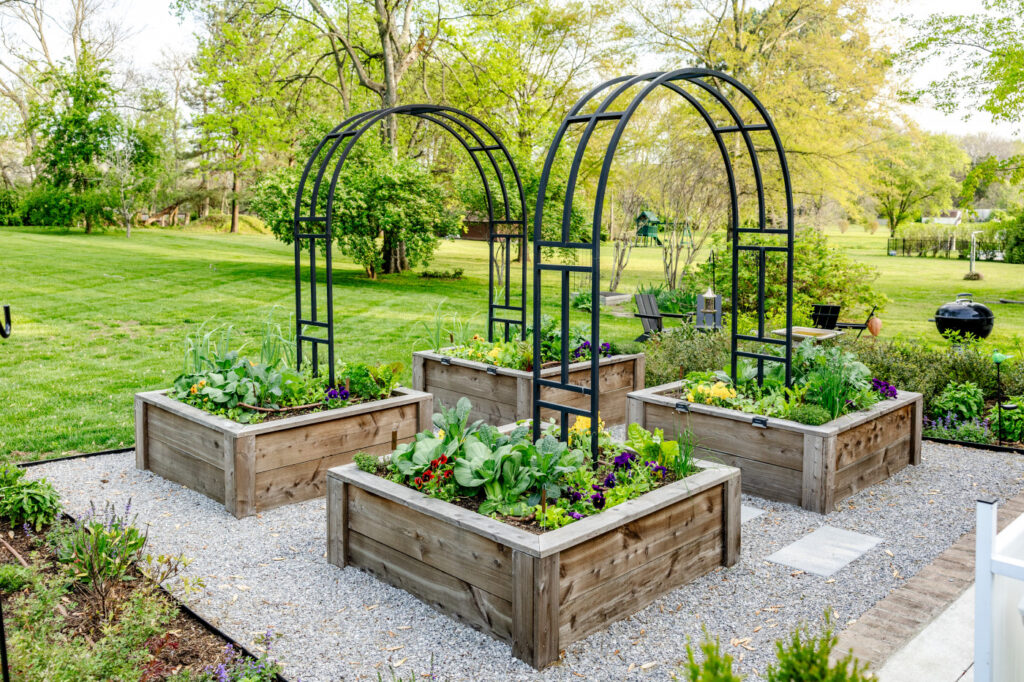
Gardening requires regular care but offers immense rewards in return.
Weeding and Pruning
Weeds compete for nutrients and water. Remove them early before they spread. Prune damaged or dead leaves to encourage airflow and new growth. Staking tall plants like tomatoes or beans prevents them from bending or breaking.
Feeding Your Plants
Feed your plants with compost tea or organic fertilizer every few weeks. Heavy feeders like tomatoes and peppers may need extra calcium and potassium during flowering and fruiting stages.
Observe and Adapt
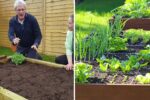
Check your garden daily. Early signs of pests, disease, or nutrient deficiency can be managed before they escalate. Gardening is about learning—every season teaches you something new.
6. From Garden to Table: Living the Veggie Lifestyle
The joy of a backyard garden peaks when you bring fresh harvests into your kitchen. A greener veggie lifestyle isn’t just about what you grow—it’s about how you eat and live.
Creative Meal Ideas
- Fresh Garden Salad: Mix homegrown lettuce, cherry tomatoes, cucumbers, and herbs with olive oil and lemon.
- Veggie Stir-Fry: Combine peppers, beans, and zucchini in a sesame-soy glaze.
- Herb Pesto: Blend basil, parsley, and garlic with nuts and olive oil for a rich, flavorful sauce.
- Roasted Veggie Bowl: Toss carrots, beets, and broccoli with herbs and roast for a hearty, colorful meal.
Cooking with freshly harvested vegetables heightens flavor and boosts your intake of plant-based nutrients.
Preserving Your Harvest
Don’t let surplus produce go to waste:
- Freezing: Great for beans, tomatoes, and peppers.
- Pickling: Ideal for cucumbers, radishes, and onions.
- Drying: Herbs and tomatoes retain their aroma and taste when dried.
- Canning: Preserve soups, sauces, and jams for off-season enjoyment.
Preservation ensures you enjoy your garden’s bounty even in winter.
7. The Emotional and Environmental Rewards
A backyard garden nurtures more than just plants—it nurtures peace, purpose, and patience. Gardening reduces stress, improves mental well-being, and fosters mindfulness. Tending to living things reconnects you with nature’s cycles of growth, rest, and renewal.
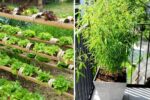
Environmentally, your garden acts as a mini ecosystem—absorbing carbon dioxide, supporting pollinators, and enriching the soil. You’re not just growing food; you’re cultivating harmony with the Earth.
8. Conclusion: Grow Green, Live Vibrant
Creating a backyard garden for a greener veggie lifestyle is one of the most rewarding decisions you can make. It turns your home into a source of nourishment, sustainability, and joy. Whether you plant a few herbs in raised beds or fill your backyard with vegetables and flowers, each leaf and root you grow brings you closer to nature and to a healthier, more conscious way of living.
A backyard garden isn’t just about growing food—it’s about growing change. With every seed planted, you’re taking a step toward a cleaner planet, a healthier diet, and a more vibrant life.
So grab your gloves, turn the soil, and start planting. Your journey toward a greener veggie lifestyle begins in your own backyard—where the Earth gives back everything you give it.