For anyone looking to make their diet more sustainable, healthier, and budget-friendly, Meatless Monday is a simple but powerful step. This global movement encourages skipping meat just one day a week—reducing carbon emissions, conserving water, and improving personal health. But what if you took it a step further and grew your own food for your Meatless Monday meals? Creating a home garden means fresh, flavorful produce at your fingertips, less dependency on store-bought vegetables, and a deeper appreciation for the food you eat.
In this detailed guide, we’ll explore everything you need to know about growing your own food for Meatless Mondays—from choosing the right crops and understanding garden layouts to harvesting, meal ideas, and sustainable gardening practices.
1. Why Grow Your Own Food for Meatless Mondays?
A Healthier, Greener Choice
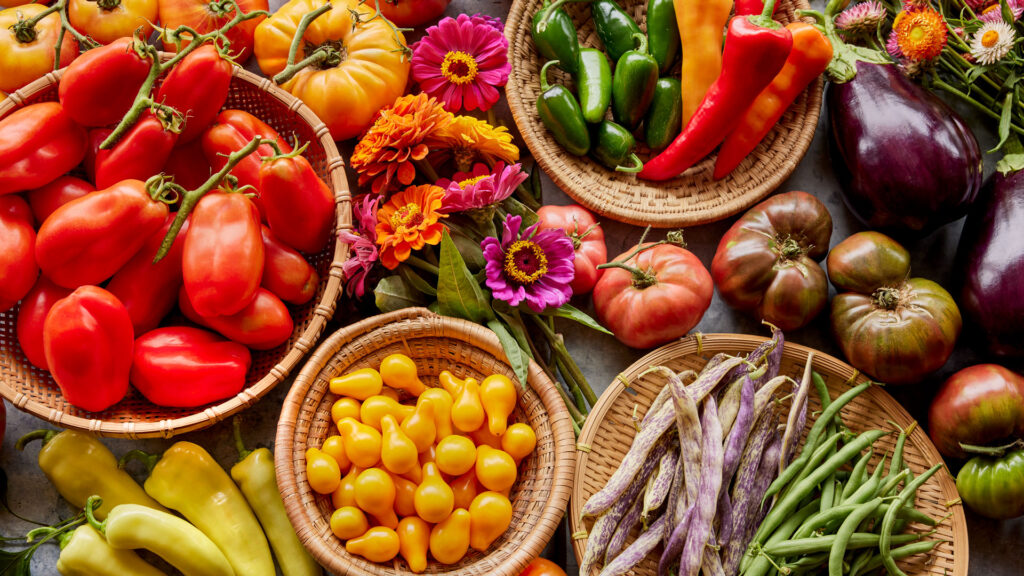
Growing your own food transforms the way you eat. When you harvest vegetables from your garden, you’re eating nutrient-rich produce picked at its peak. Homegrown food contains no preservatives, wax coatings, or long storage times that reduce freshness. Every meal becomes an act of mindfulness—you know exactly where your ingredients come from.
Moreover, Meatless Mondays aim to reduce meat consumption and its environmental toll. According to the Food and Agriculture Organization (FAO), livestock production accounts for nearly 15% of global greenhouse gas emissions. By growing your own vegetables and skipping meat one day a week, you’re reducing your carbon footprint while supporting biodiversity right in your backyard.
Budget-Friendly Nutrition
Grocery prices fluctuate, but seeds remain one of the most affordable investments. A few dollars spent on seeds can yield months’ worth of fresh greens, tomatoes, or herbs. By producing your own vegetables, you save money while improving meal quality.
2. Planning Your Meatless Monday Garden
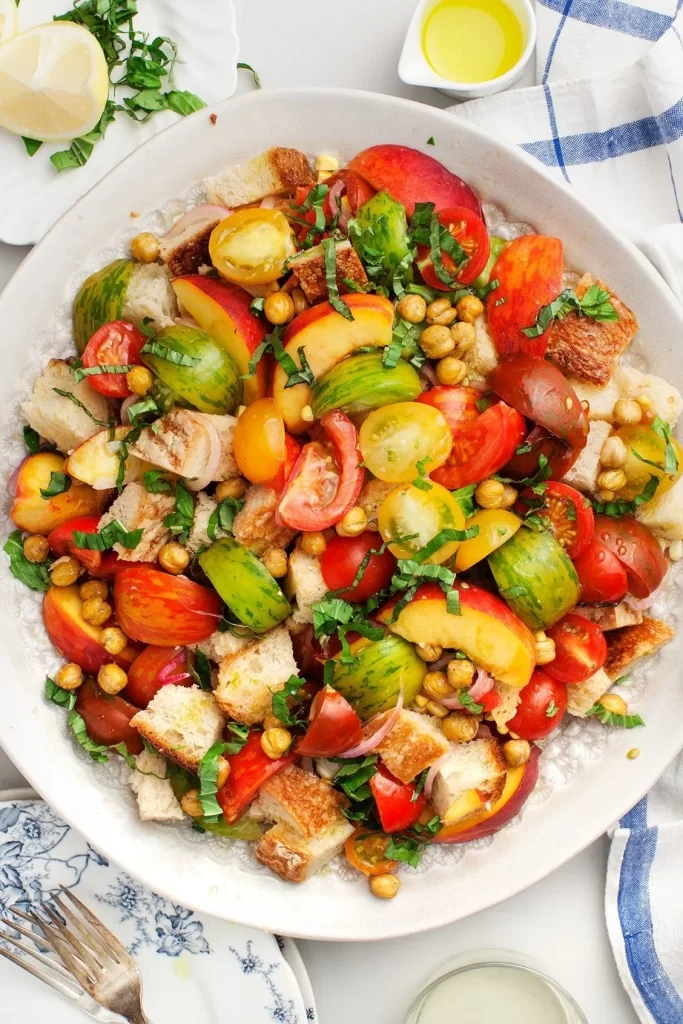
Before planting, think about what you love to eat on Meatless Mondays. Do you enjoy hearty soups, stir-fries, or salads? Tailor your garden to your favorite dishes. Even a small balcony or windowsill can yield a satisfying harvest.
Start Small, Grow Smart
If you’re new to gardening, begin with easy-to-grow crops:
- Lettuce and spinach: Quick harvest, perfect for salads and wraps.
- Tomatoes: Great for sauces, sandwiches, and pasta dishes.
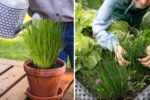
- Herbs (basil, cilantro, parsley): Add fresh flavor to vegetarian meals.
- Carrots and radishes: Compact roots that grow well in containers.
- Peppers and beans: Excellent for salsas, stir-fries, or grain bowls.
Start with a few varieties and expand once you feel confident.
Choose the Right Location
Most vegetables need 6–8 hours of sunlight per day. Choose a sunny spot, whether it’s a backyard bed, balcony container, or rooftop garden. If space is limited, vertical gardens or hanging planters can maximize growing potential.
Healthy Soil, Happy Plants
Soil quality determines your garden’s success. Mix compost into your garden bed to add nutrients and improve moisture retention. Composting kitchen scraps—like fruit peels and coffee grounds—creates a natural fertilizer that keeps your garden organic and sustainable.
3. Seasonal Planting Guide
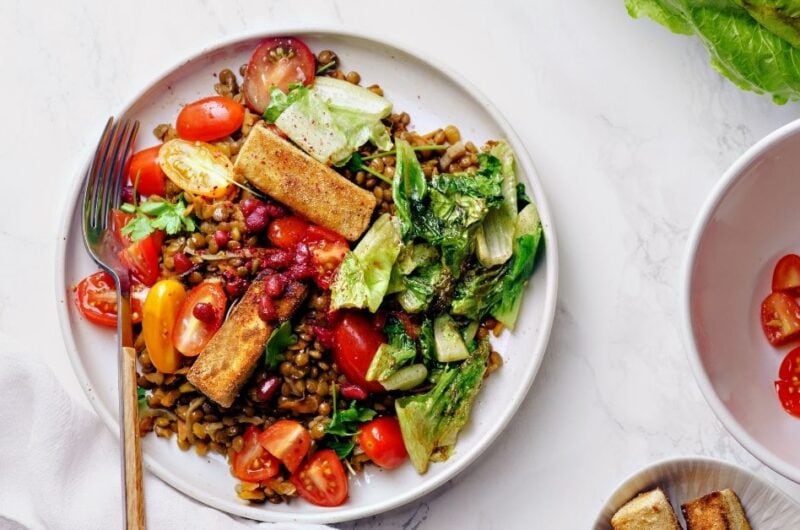
Planning your garden by season ensures a continuous supply of vegetables for your Meatless Monday meals.
Spring Planting
Ideal crops: Lettuce, peas, spinach, carrots, radishes, and herbs.
Spring is the time to start greens and root vegetables that thrive in cooler temperatures. Early harvests of spinach and lettuce are perfect for fresh salads or sandwiches.
Summer Planting
Ideal crops: Tomatoes, zucchini, peppers, eggplant, cucumbers, and beans.
Warm weather brings vibrant growth. These vegetables are staples in plant-based dishes—think tomato basil pasta, grilled veggie kebabs, or cucumber salads.
Fall Planting
Ideal crops: Kale, broccoli, beets, onions, and garlic.
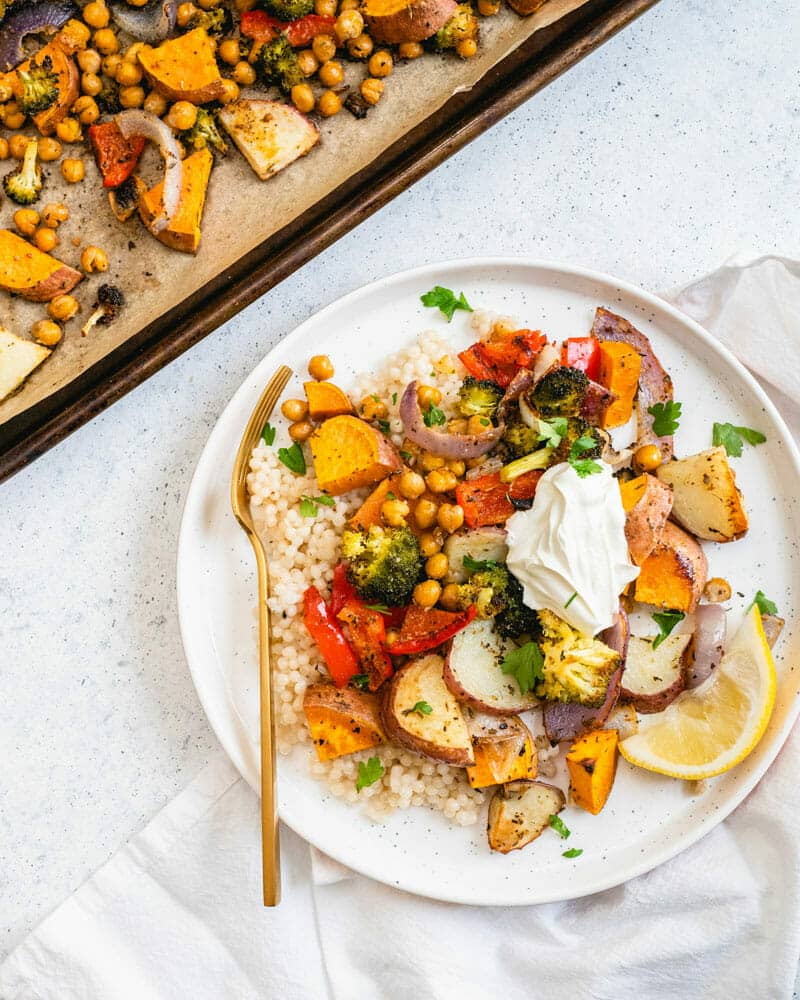
As the weather cools, hardy vegetables thrive. Roasted root veggies or kale soups are cozy, nutritious meals for fall Meatless Mondays.
Winter Gardening
If you live in a mild climate or use indoor grow lights, you can grow leafy greens like lettuce, Swiss chard, and microgreens year-round.
4. Sustainable Gardening Practices
Growing your own food for Meatless Mondays should align with sustainability values. Adopt eco-friendly gardening habits that protect the environment while producing healthy food.
Composting
Instead of discarding food scraps, compost them. Compost enriches the soil naturally, reduces waste, and lessens the need for chemical fertilizers. You can use a simple compost bin or even a worm composting system indoors.
Rainwater Harvesting
Collect rainwater in barrels to water your plants. It’s free, sustainable, and helps conserve tap water.
Companion Planting
Some plants help each other thrive. For example:
- Basil improves tomato flavor and deters pests.
- Marigolds repel insects that harm vegetables.
- Beans fix nitrogen in the soil, benefiting leafy greens.
These natural partnerships reduce the need for pesticides and fertilizers.
Organic Pest Control
Avoid harmful chemicals by using neem oil, garlic spray, or introducing beneficial insects like ladybugs. Healthy soil and proper crop rotation also prevent pest buildup.
5. Harvesting and Cooking for Meatless Mondays
Harvesting your food is one of gardening’s most rewarding moments. Pick vegetables when they’re fully ripe for the best flavor and nutrition. Early morning is the best time to harvest, as plants are hydrated and crisp.
Once harvested, you can turn your garden bounty into satisfying Meatless Monday meals. Here are some ideas:
Breakfast: Garden Fresh Smoothie Bowl
Blend homegrown spinach, bananas, and berries (if available). Top with seeds, nuts, and a drizzle of honey or maple syrup for an energizing start to the week.
Lunch: Zucchini Noodles with Fresh Tomato Sauce
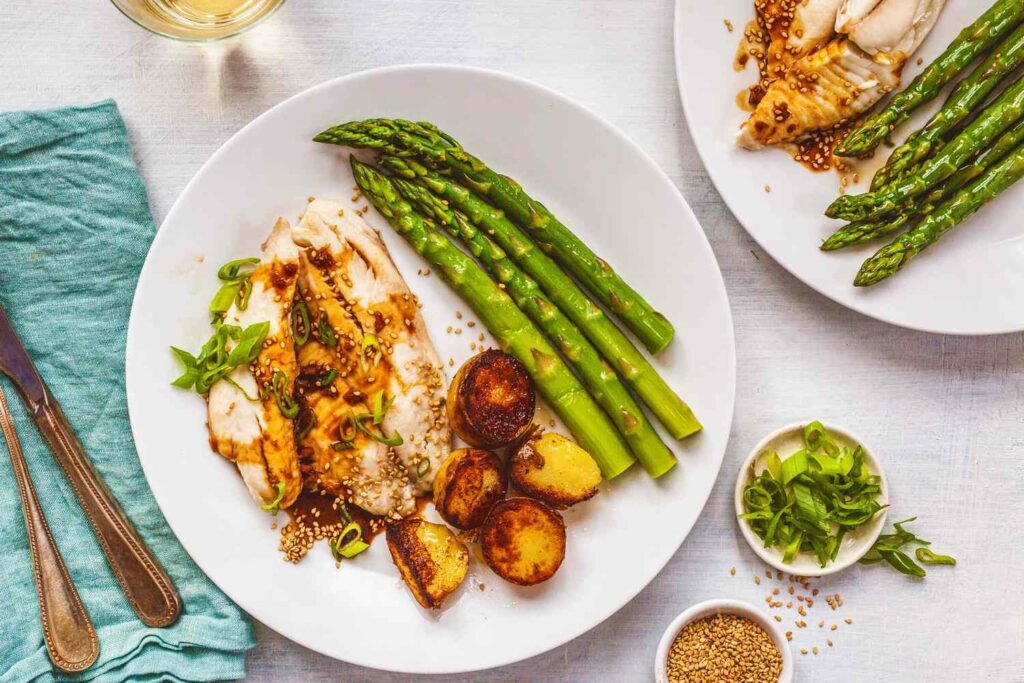
Use your homegrown zucchini to make noodles and toss them in a sauce made from your own tomatoes, garlic, and basil. Add grilled peppers or roasted chickpeas for protein.
Dinner: Veggie Stir-Fry with Rice or Noodles
Combine fresh bell peppers, beans, and broccoli in a light soy-ginger sauce. Serve over brown rice or noodles for a hearty plant-based dinner.
Snacks: Herb Hummus or Veggie Chips
Blend your garden herbs with chickpeas and lemon juice to make homemade hummus, or bake thinly sliced carrots and beets for crispy, healthy chips.
6. Extending the Harvest
You don’t have to stop eating from your garden once the growing season ends. Preserve your harvest by:
- Freezing: Tomatoes, peppers, and herbs retain flavor when frozen.
- Drying: Herbs can be air-dried or oven-dried for long-term storage.
- Pickling: Cucumbers, radishes, and beets make delicious pickles.
- Canning: Sauces and soups made from your garden produce can be stored for months.
This way, you can enjoy your homegrown ingredients for Meatless Mondays even in the off-season.
7. The Deeper Rewards of Gardening
Growing your own food isn’t just about the harvest—it’s about the process. Gardening teaches patience, responsibility, and respect for nature. It reduces stress, gets you outdoors, and connects you with the cycle of life. When you sit down to your Meatless Monday meal, you’re not just eating—you’re experiencing the result of your care and effort.
8. Final Thoughts: A Greener Plate, A Greener Planet
Committing to Meatless Mondays and growing your own food creates a ripple effect of positive change. You save money, reduce food waste, and nourish your body with the freshest ingredients possible. More importantly, you become part of a global movement towards sustainability and health.
Whether you start with a single pot of basil on your windowsill or transform your backyard into a full vegetable garden, every seed planted is a step toward a healthier future—for you and the planet.
So this Monday, skip the meat, head to your garden, and enjoy the satisfaction of a meal grown by your own hands. Fresh, flavorful, and fulfilling—your garden-to-table journey starts now.