There’s something uniquely rewarding about cooking with ingredients you’ve grown yourself. Each bite carries the freshness of the soil, the warmth of the sun, and the satisfaction of self-sufficiency. Among all the vegetables you can cultivate at home, potatoes stand out as one of the most versatile, delicious, and reliable crops — perfect for a wide range of homemade veggie dishes.
Whether mashed, roasted, baked, or simmered into hearty stews, potatoes serve as the foundation for countless comfort foods across the world. And when they come fresh from your garden, their flavor, texture, and nutrition are unmatched. Growing your own potatoes isn’t just a gardening hobby — it’s a step toward healthier eating, sustainable living, and a deeper appreciation for the food on your plate.
In this article, you’ll learn how to grow your own potatoes, harvest them at their peak, and turn them into wholesome, homemade vegetarian meals that celebrate freshness and flavor.
Why Potatoes Belong in Every Home Garden
Potatoes are one of the easiest and most rewarding crops for beginner and experienced gardeners alike. They grow well in many climates, require little maintenance, and produce a surprisingly high yield from just a few seed potatoes.
But beyond their ease of cultivation, potatoes have tremendous culinary and nutritional value:
- Nutritional Powerhouse: Rich in potassium, vitamin C, B6, and fiber, potatoes provide slow-burning energy — perfect for balanced, plant-based meals.
- Versatile in the Kitchen: Potatoes fit effortlessly into vegetarian diets — roasted with herbs, mashed with garlic, tossed in salads, or layered into casseroles.
- Sustainable and Accessible: Growing potatoes at home reduces packaging waste, transportation emissions, and your grocery bill, making it an eco-friendly choice for everyday meals.
Simply put, the humble potato can elevate your homemade veggie dishes while bringing you closer to the natural rhythm of seasonal eating.
Step 1: Choosing the Best Potato Varieties for Home Gardening

Your first step to a successful harvest is choosing the right potato variety based on taste, texture, and cooking use. Here are some of the most reliable and flavorful types to grow:
- Waxy Potatoes (like Red Pontiac, Fingerling, or New Potatoes): Hold their shape well after boiling or roasting. Perfect for potato salads, curries, and stir-fries.
- All-Purpose Potatoes (like Yukon Gold, Kennebec): Ideal for soups, stews, and casseroles thanks to their creamy texture and golden hue.
- Starchy Potatoes (like Russet or Maris Piper): Fluffy and soft, perfect for mashed potatoes, baked dishes, or gnocchi.
If you want variety in your kitchen, plant a mix of types — that way you’ll have the perfect potato for every vegetarian dish you love to cook.
Step 2: Preparing the Soil for Healthy Growth
Potatoes thrive in loose, well-drained, and nutrient-rich soil. The looser the soil, the easier it is for the tubers to expand underground. Here’s how to get started:
- Choose a Sunny Spot: Potatoes need at least six hours of direct sunlight daily.
- Loosen the Soil: Dig about 8–10 inches deep and remove stones or debris.
- Enrich the Soil: Mix in compost or aged manure to add organic matter and improve moisture retention.
- Adjust pH: Potatoes prefer slightly acidic soil (pH 5.0–6.5). If your soil is too alkaline, add peat moss or sulfur.
If you have limited space, potatoes grow beautifully in containers, bags, or raised beds — just ensure good drainage and room for soil layering.
Step 3: Planting Your Potatoes

To begin, you’ll need certified seed potatoes, which are disease-free and ideal for planting. Avoid using store-bought potatoes, which may carry growth inhibitors.
- Cut and Cure: If your seed potatoes are large, cut them into chunks with at least one “eye” each. Let the cut pieces dry for a day or two to prevent rot.
- Planting Depth: Place the pieces about 4 inches deep, with the eyes facing upward.
- Spacing: Keep 12 inches between plants and 2–3 feet between rows.
- For Containers: Use a deep pot or bag (at least 12 inches tall). Add 4 inches of soil, plant the potatoes, then cover with another few inches.
As the plants grow, continue to add soil (“hill up”) around the base every few weeks. This keeps the developing potatoes covered and encourages more tuber growth.
Step 4: Caring for Your Potato Plants
Potatoes are relatively low-maintenance, but a few regular practices will ensure a healthy, abundant harvest.
- Water Regularly: Keep the soil evenly moist, but not waterlogged. Potatoes need about 1 inch of water per week.
- Mulch for Moisture: Use straw, grass clippings, or dried leaves to help retain moisture and suppress weeds.
- Feed Organically: Midway through the growing season, apply a compost or organic fertilizer to nourish the plants.
- Control Pests: Watch for pests like potato beetles and aphids. Use neem oil or handpick pests for organic control.
- Rotate Crops: Avoid planting potatoes in the same soil year after year to prevent disease buildup.
Healthy, green plants with vibrant leaves are a good sign that your underground tubers are developing nicely.
Step 5: Harvesting at the Right Time
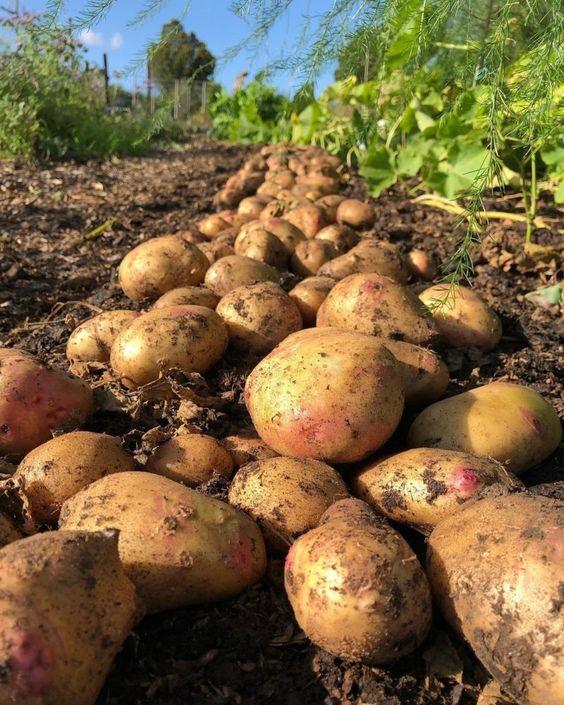
Potatoes are typically ready to harvest 10–20 weeks after planting, depending on the variety.

- New Potatoes: Harvest when the plants flower — about 8–10 weeks in. They’re small, tender, and perfect for light summer dishes and salads.
- Maincrop Potatoes: Wait until the foliage turns yellow and dies back. Gently dig around the plants with a fork or your hands to avoid damaging the tubers.
After harvesting, brush off excess soil and let the potatoes air-dry in a shaded area for a few hours. Store them in a cool, dark, well-ventilated space — they can last for several months if kept dry.
Step 6: Cooking with Your Homegrown Potatoes
Now comes the most rewarding part — transforming your fresh garden potatoes into wholesome vegetarian dishes that celebrate simplicity and freshness.
Potatoes’ mild, earthy flavor allows them to shine in countless recipes. Here are a few ways to bring out their best:
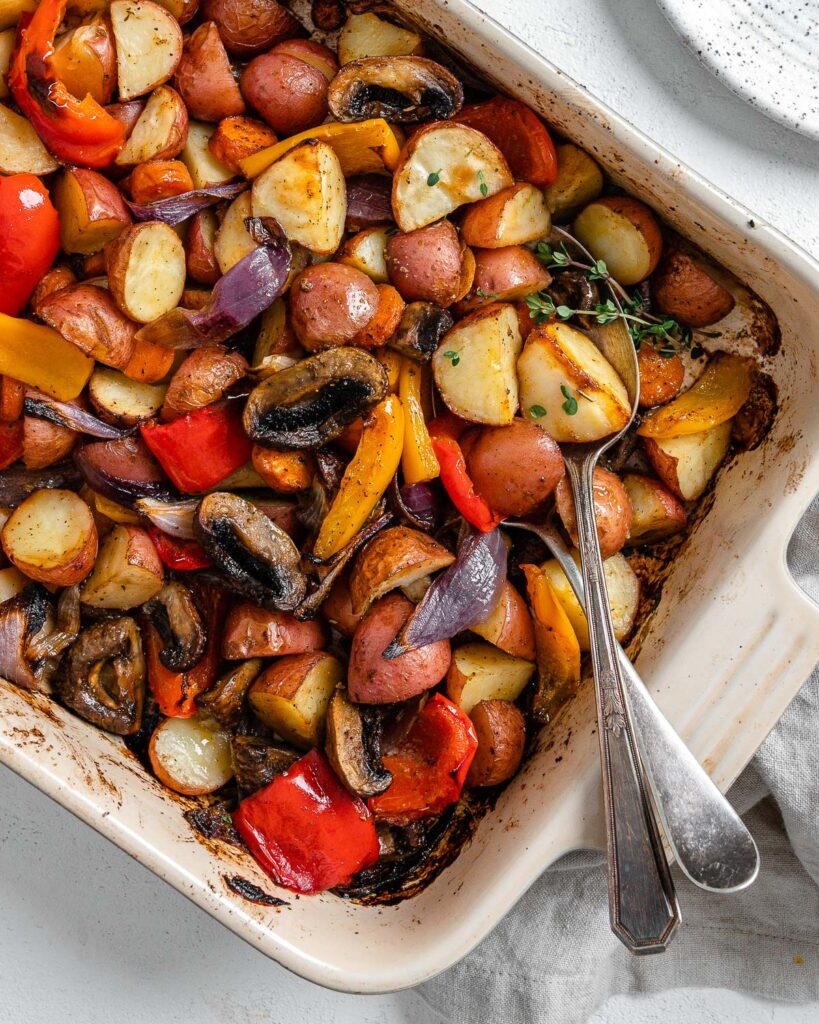
- Rustic Herb-Roasted Potatoes: Toss your homegrown potatoes with olive oil, rosemary, thyme, and garlic, then roast until golden. A perfect side dish for any veggie meal.
- Creamy Potato and Leek Soup: Blend cooked potatoes with leeks, onions, and vegetable broth for a rich, velvety soup that warms the soul.
- Potato Stir-Fry: Dice boiled potatoes and sauté with bell peppers, carrots, and cumin seeds for a flavorful, protein-packed meal.
- Vegetable Casserole: Layer thinly sliced potatoes with zucchini, spinach, and cheese (or vegan alternative) for a satisfying oven-baked dish.
- Mashed Potato Bowls: Combine creamy mashed potatoes with sautéed mushrooms, peas, and corn for a quick, comforting dinner.
When cooked soon after harvest, garden-fresh potatoes have a subtle sweetness and buttery texture that store-bought ones simply can’t match.
Step 7: Why Homegrown Potatoes Taste Better
Homegrown potatoes stand apart in both flavor and nutrition. When harvested fresh, they retain higher levels of vitamin C and antioxidants. Their natural sugars haven’t yet converted to starch, giving them a sweeter, more delicate taste.

Store-bought potatoes, on the other hand, are often stored for long periods, exposed to light, and sometimes treated with chemicals to prevent sprouting. Freshly dug potatoes from your garden are chemical-free, fresher, and bursting with authentic flavor — perfect for home-cooked vegetarian dishes.
Moreover, growing your own food deepens your connection to what you eat. Every bite of your garden’s bounty becomes a reminder of patience, care, and sustainability.
Step 8: The Sustainability Factor
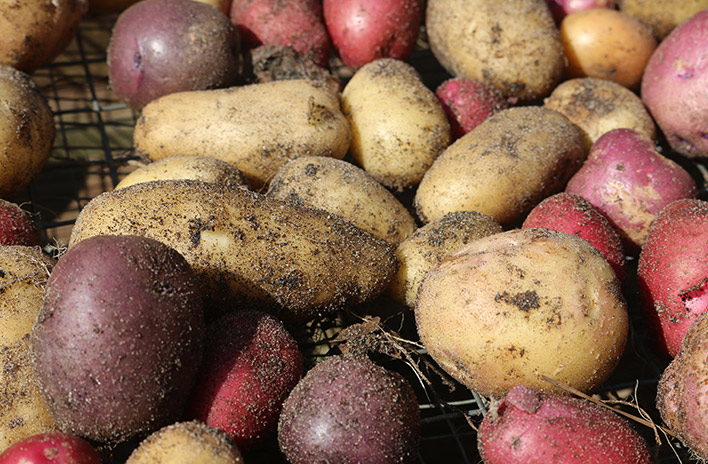
Potatoes are not only good for your kitchen — they’re great for the planet too. Compared to many other crops, they require relatively little water and fertilizer. When grown organically, they enrich the soil’s structure and reduce your dependence on industrial farming.
By cultivating your own potatoes, you’re:
- Reducing carbon emissions from food transport.
- Eliminating plastic packaging waste.
- Encouraging biodiversity in your backyard.
- Creating a circular system by composting potato peels and using them to enrich your garden soil.
Sustainable gardening is one of the simplest ways to live more harmoniously with nature — and potatoes make it deliciously easy.
Conclusion: The Taste of Homegrown Happiness
From the moment you plant your first seed potato to the day you lift your first harvest, you’ll discover a new level of appreciation for this humble tuber. Fresh from the garden, potatoes bring a wholesome energy and natural sweetness to your vegetarian table that store-bought produce can never match.
They’re easy to grow, endlessly adaptable in recipes, and a perfect ingredient for nourishing, plant-based dishes that feed both body and soul. Whether roasted for Sunday brunch, blended into creamy soups, or baked into cozy casseroles, your homegrown potatoes will remind you that the best meals are often the simplest — made with care, freshness, and a little garden magic.