When you think of meatless meals, your mind might jump to lentils, beans, or tofu. But one ingredient quietly stands at the heart of satisfying vegetarian cooking — the potato. Often underestimated, potatoes are not just a starchy side dish; they’re a nutritional powerhouse and a versatile foundation for countless plant-based recipes.
Growing your own potatoes is an incredibly rewarding experience that connects your plate directly to your patch of earth. With a little care and creativity, you can transform simple soil into a source of endless culinary inspiration. From creamy mashed potatoes and crispy roasts to hearty curries and veggie bowls, homegrown potatoes can power your meatless meals all year long.
This article explores how to grow, harvest, and cook your own potatoes — turning your garden into a self-sustaining source of wholesome, plant-based comfort food.
Why Potatoes Deserve a Place in Every Vegetarian Kitchen
Potatoes have been a staple crop across cultures for centuries, prized for their adaptability and nutrition. For those pursuing a vegetarian or plant-based lifestyle, they offer an invaluable balance of energy, versatility, and satisfaction.
- Nutritional Strength: Potatoes are rich in vitamin C, potassium, and B6, with a healthy dose of fiber when eaten with the skin. They’re naturally fat-free and low in calories while providing slow-releasing carbohydrates — ideal for sustained energy in meatless diets.
- Versatility in Cooking: Potatoes can be roasted, mashed, baked, steamed, boiled, or fried. They absorb flavors beautifully and pair with a wide range of vegetables, herbs, and spices.
- Sustainability: Homegrown potatoes have a small carbon footprint, require minimal space, and can be stored for months after harvest. They reduce food miles and packaging waste, supporting eco-friendly, low-impact living.
Simply put, growing your own potatoes is both an act of nourishment and environmental mindfulness.
Step 1: Choosing the Right Potato Varieties
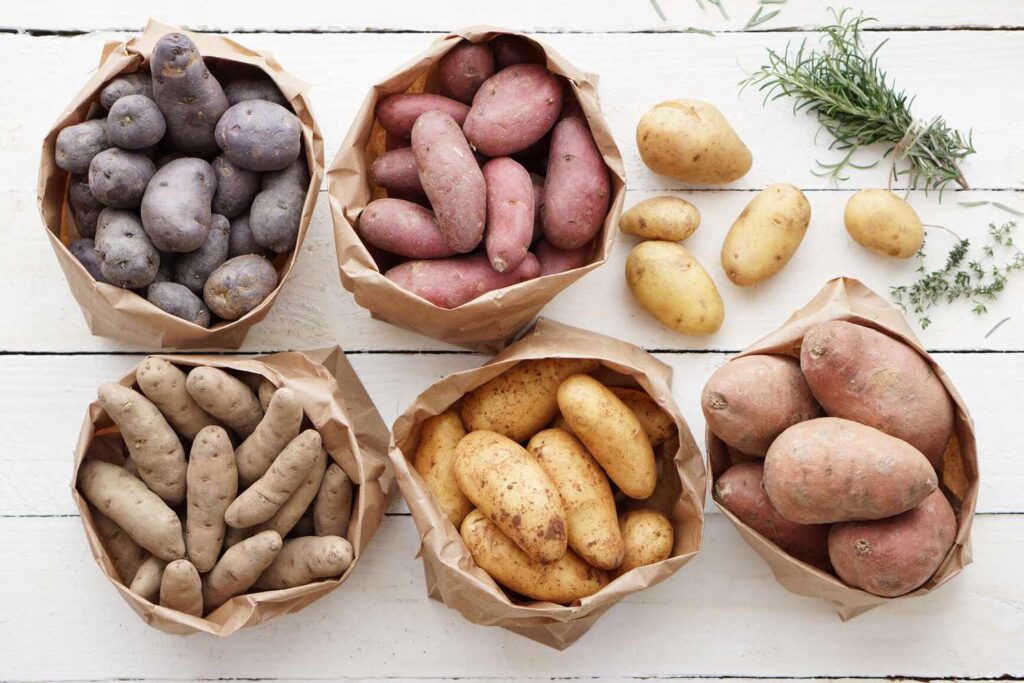
Before planting, it’s important to choose varieties that suit your growing conditions and culinary preferences. Different potatoes excel in different types of dishes — some are creamy, some are waxy, and others are fluffy.
- Waxy Varieties (like Red Pontiac, Fingerling, or New Potatoes): Best for salads, curries, and vegetable stir-fries. Their firm texture holds up well during cooking.
- All-Purpose Varieties (like Yukon Gold, Kennebec): Perfect for everything from soups to casseroles; they offer a balance of firmness and creaminess.
- Starchy Varieties (like Russet or Maris Piper): Ideal for mashed potatoes, baked dishes, or crispy fries; they break down easily to create smooth textures.
If your goal is to prepare a wide range of meatless meals — from stews to cutlets — growing a mix of varieties is the smartest approach.
Step 2: Preparing the Soil for a Healthy Crop
Potatoes love well-drained, loose, and fertile soil. Compact or waterlogged soil can lead to rot and poor yields. Here’s how to prepare your garden for success:
- Choose a Sunny Spot: Potatoes need at least 6–8 hours of sunlight daily.
- Loosen the Soil: Dig the area about 8–10 inches deep to ensure the tubers have space to develop.
- Add Organic Matter: Mix in compost or aged manure to provide nutrients and improve soil structure.
- Check the pH: Potatoes prefer slightly acidic soil (pH between 5.0 and 6.5). If your soil is alkaline, add sulfur or peat moss to adjust it.
For small spaces or urban gardeners, potatoes grow beautifully in large pots, grow bags, or barrels — just make sure there’s room for the soil to be added as the plants grow upward.
Step 3: Planting Your Potatoes
Use certified seed potatoes rather than store-bought ones, which might carry diseases or chemicals. Cut large seed potatoes into chunks, ensuring each has at least one “eye” — the small sprouting bud. Let the pieces dry for a day before planting to prevent rot.
- Planting Depth: Bury the pieces 4 inches deep.
- Spacing: Leave 12 inches between plants and 2–3 feet between rows.
- For Containers: Fill a pot with 6 inches of soil, place the seed potatoes, and cover with another few inches of soil.
As the plants grow, hill up soil around the stems every 2–3 weeks. This encourages more tuber formation and prevents greening, which makes potatoes bitter and inedible.
Step 4: Caring for Your Plants
Once planted, potatoes are fairly low-maintenance but do appreciate consistent care:
- Watering: Keep the soil moist but not waterlogged. Inconsistent watering can cause the tubers to crack.
- Mulching: Use straw, grass clippings, or dried leaves to retain moisture and suppress weeds.
- Fertilizing: Midway through growth, apply a side dressing of compost or organic fertilizer to boost yields.
- Pest Control: Keep an eye out for aphids, wireworms, or potato beetles. Handpick pests or use organic neem-based sprays.
Patience pays off here — healthy plants mean flavorful, nutrient-rich potatoes later on.
Step 5: Harvesting the Rewards
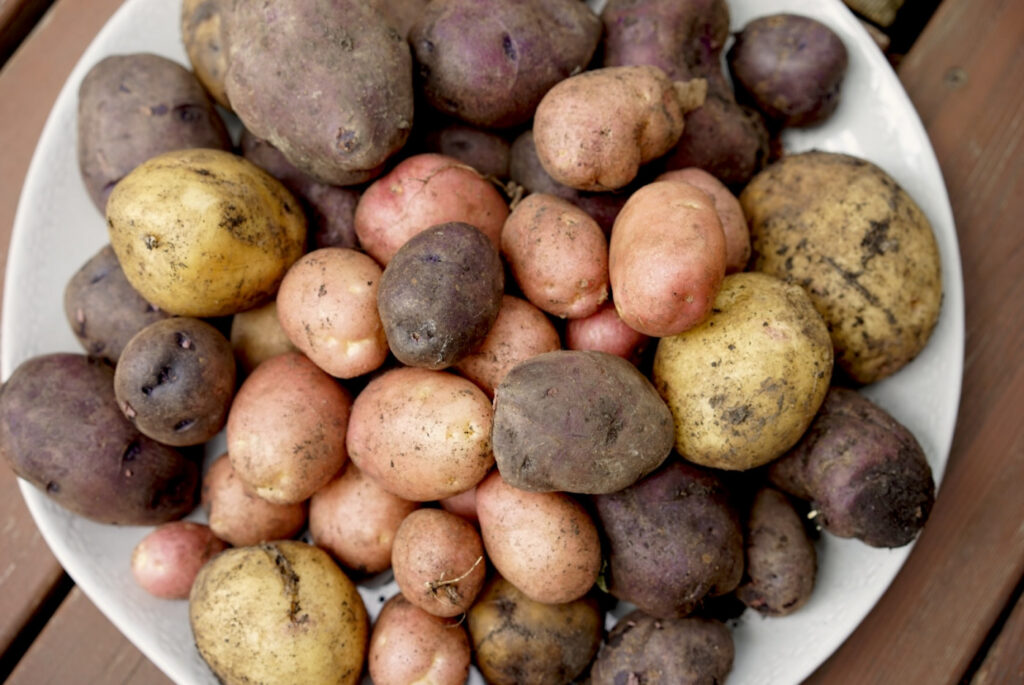
Potatoes are ready to harvest in about 8 to 20 weeks, depending on the variety.
- For New Potatoes: Harvest 8–10 weeks after planting, when the plants begin to flower. These are tender and best enjoyed fresh.
- For Mature Potatoes: Wait until the foliage starts to yellow and die back — around 15–20 weeks.
Gently lift the plants with a fork or your hands, brushing off soil carefully to avoid bruising. Let the tubers air-dry for a few hours before storing. Keep them in a cool, dark place with good ventilation — not the fridge, as that turns their starch into sugar.

Stored correctly, your homegrown potatoes can last for several months, powering your vegetarian meals well beyond harvest season.
Step 6: Bringing Your Harvest to the Table
This is where gardening meets culinary magic. Potatoes are a blank canvas for creativity in plant-based cooking — rich enough to replace meat and flexible enough to adapt to global flavors.
Here are some meatless meal ideas powered by your homegrown potatoes:
- Chunky Veggie Stew: Combine potatoes, carrots, peas, and spinach in a tomato-based broth. Their starch thickens the soup naturally.
- Spiced Potato Curry: Boil cubed potatoes and cook with onions, turmeric, cumin, and coconut milk for a fragrant Indian-style curry.
- Shepherd’s Pie (Vegetarian): Layer mashed potatoes over a lentil and vegetable base, then bake until golden.
- Potato Pancakes or Patties: Grate potatoes, mix with chickpea flour and spices, and pan-fry for crispy, protein-rich bites.
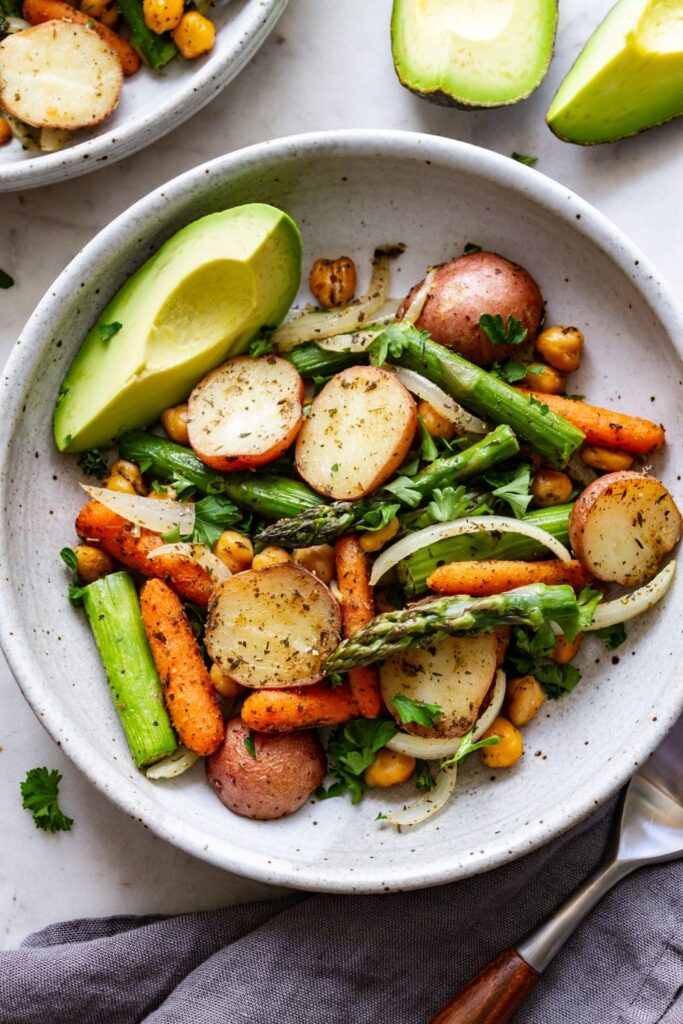
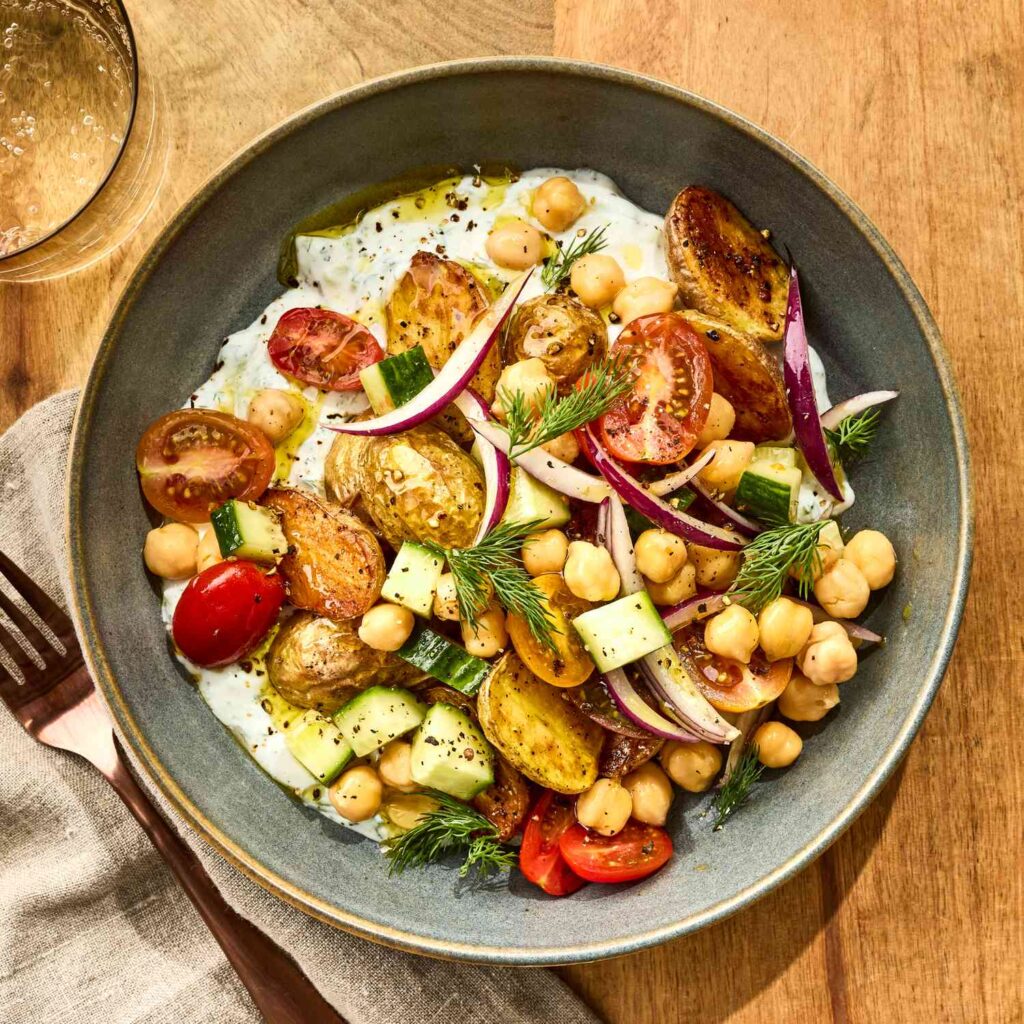
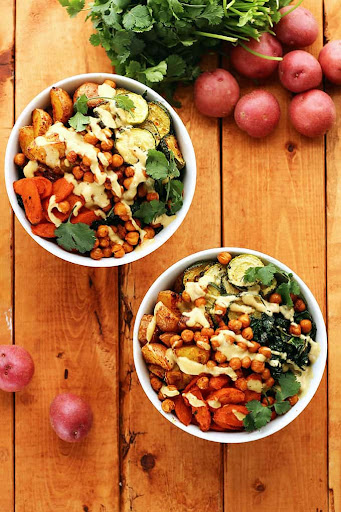
- Roasted Potato & Chickpea Bowl: Toss roasted potatoes with chickpeas, herbs, and tahini dressing for a hearty, nutrient-packed meal.
The secret to maximizing flavor lies in using fresh herbs, quality olive oil, and slow cooking — letting the natural creaminess of the potatoes shine.
Step 7: Sustainability Benefits Beyond the Kitchen
Growing your own potatoes doesn’t just enrich your diet — it strengthens your relationship with food and the environment.

- Reduced Waste: You harvest only what you need, minimizing food spoilage.
- Less Packaging: No more plastic bags or processed potato products.
- Composting Cycle: Potato peels and kitchen scraps can go back into the soil, completing a natural sustainability loop.
- Water Efficiency: Compared to many crops, potatoes require relatively little water and adapt well to climate variability.
Each harvest becomes a small act of self-sufficiency and environmental stewardship — one that feeds both your body and your conscience.
Conclusion: Grow, Eat, and Thrive
Potatoes may be humble, but they hold the power to transform your meatless meals into hearty, satisfying feasts. From the moment you plant that first seed potato to the day you enjoy a steaming bowl of stew, every step connects you to the rhythms of nature and the joy of mindful eating.
Whether you have a large backyard or just a few containers on a balcony, growing your own potatoes is simple, rewarding, and deeply nourishing. It’s not just about gardening — it’s about reclaiming the story of your food, from soil to supper.
So roll up your sleeves, dig into the earth, and let your garden become the root of your next great vegetarian meal. Because when your food comes from your own hands, every bite tastes like home.