There’s something deeply satisfying about a hearty, flavorful veggie stew simmering on your stove — especially when the key ingredient comes straight from your backyard. Potatoes, with their creamy texture and earthy flavor, form the heart of countless vegetarian comfort dishes around the world. But few things compare to the taste of homegrown potatoes, freshly dug from the soil, bursting with natural sweetness and nutrients.
Learning how to grow your own potatoes isn’t just a fun gardening project; it’s a way to bring sustainability, freshness, and flavor into your daily meals. Whether you’re an experienced gardener or just starting out, potatoes are one of the easiest and most rewarding crops to grow — especially for cooks who love to create wholesome vegetarian meals. In this article, you’ll discover how to plant, nurture, and harvest potatoes for your kitchen, with tips on transforming your yield into delicious, soul-warming veggie stews.
Why Potatoes Belong in Every Veggie Garden

Potatoes are a gardener’s delight for many reasons. They’re highly adaptable, grow well in containers or garden beds, and provide a high yield even from a small space. For vegetarians, they’re a kitchen essential — a rich source of complex carbohydrates, potassium, vitamin C, and fiber.
Homegrown potatoes also taste distinctly better than store-bought ones. The moment you dig them up, you’ll notice their delicate skins, moist texture, and subtle aroma. That freshness directly translates to richer flavors in your cooking — especially in slow-simmered dishes like vegetable stews, curries, or casseroles, where the potato’s natural creaminess ties everything together.
Growing your own also promotes sustainability. By cultivating potatoes at home, you reduce packaging waste, food miles, and reliance on commercially farmed produce. It’s a small but powerful step toward a self-sufficient, eco-friendly lifestyle.
Step 1: Choosing the Right Potato Varieties

The first step toward growing potatoes for flavorful veggie stews is picking the right variety. Potatoes come in many textures and tastes, each ideal for different culinary uses:
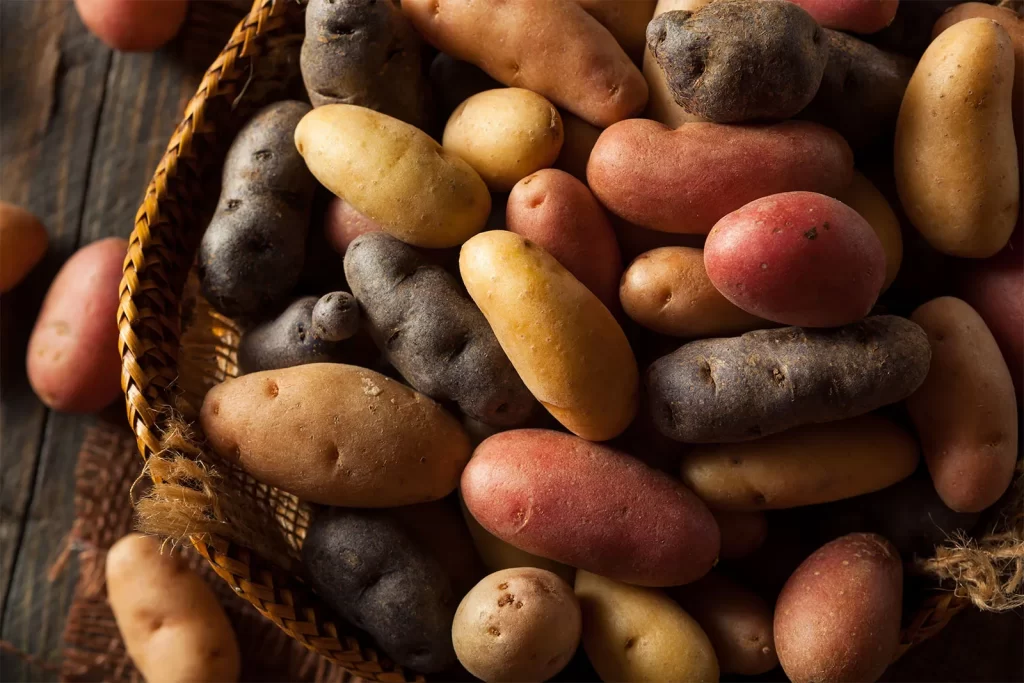
- Waxy Potatoes (Red, Fingerling, or New Potatoes): These hold their shape beautifully in soups and stews, making them perfect for slow-cooked vegetarian dishes.
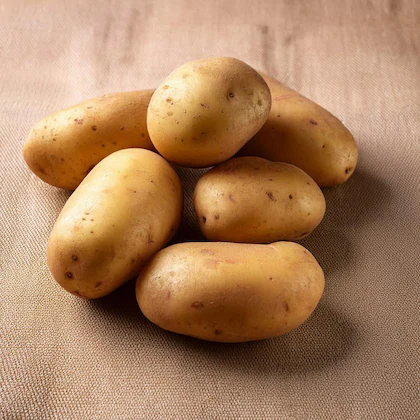
- All-Purpose Potatoes (Yukon Gold, Kennebec): With a creamy texture and buttery flavor, these are versatile and enhance the heartiness of your stew.
- Starchy Potatoes (Russet, Maris Piper): These break down more during cooking, helping thicken your stew for a rich, velvety consistency.
For the best results, plant a mix of waxy and all-purpose varieties. This balance ensures your stews have both body and texture — with some potatoes staying firm while others melt into the broth.
Step 2: Preparing the Soil
Potatoes thrive in loose, well-drained, and nutrient-rich soil. They prefer slightly acidic conditions, with a pH between 5.0 and 6.5. Before planting, loosen the soil to at least 8 inches deep, removing any rocks or debris that could hinder tuber growth.
Mix in organic compost or well-rotted manure to enrich the soil. This not only boosts fertility but also improves moisture retention — essential for even tuber development. Avoid using fresh manure right before planting, as it can cause scab disease or burn the young shoots.
If your garden soil is heavy clay, consider using raised beds or large containers. Potatoes grown in containers are easier to harvest and allow better control over soil quality and drainage.
Step 3: Planting for a Bountiful Harvest

Use seed potatoes — small tubers certified disease-free — rather than store-bought ones, which may carry infections or chemicals. Cut large seed potatoes into chunks with at least one “eye” each, and let them dry for a day or two before planting.
Plant the pieces 4 inches deep and 12 inches apart, with rows spaced about 2 to 3 feet apart. For container planting, use a pot at least 12 inches deep and start with 4–6 inches of soil.
As the shoots grow, practice “hilling up” — mounding soil around the stems every couple of weeks. This encourages more tubers to form and protects them from sunlight, which turns potatoes green and bitter.
Keep the soil consistently moist but not soggy. Potatoes need about 1 inch of water per week, more during hot, dry spells.
Step 4: Nurturing and Pest Protection
Potatoes are fairly low-maintenance, but a few precautions help ensure a healthy crop.

- Mulching: Add straw or dried leaves around plants to retain moisture, suppress weeds, and protect developing tubers.
- Pest Control: Watch for common pests like Colorado potato beetles and aphids. Handpick beetles or use organic insecticidal soap.
- Crop Rotation: Avoid planting potatoes in the same spot each year. Rotating crops helps prevent soil-borne diseases like blight and scab.
Regularly check the plants’ leaves for yellowing or disease. Early intervention keeps your plants healthy and productive.
Step 5: Harvesting at the Perfect Time
Harvesting depends on the type of potato you’ve planted:
- New Potatoes can be harvested about 8–10 weeks after planting, once the plants flower. They’re tender and perfect for light stews and soups.
- Maincrop Potatoes are ready when the foliage starts yellowing and dying back, typically 15–20 weeks after planting.
To harvest, gently dig around the base with your hands or a fork. Avoid piercing the tubers, as damaged potatoes don’t store well. Brush off excess soil and let them air-dry in a shaded, breezy spot. Store mature potatoes in a cool, dark place to prevent sprouting.
Step 6: Bringing Potatoes to the Kitchen
Now comes the most rewarding part — transforming your homegrown harvest into flavorful vegetarian dishes. Potatoes’ mild, earthy taste makes them a perfect canvas for aromatic stews loaded with seasonal vegetables and herbs.
Tips for perfect potato-based stews:

- Sauté aromatics first: Onions, garlic, and leeks build a rich flavor base.
- Add potatoes early: This allows them to soak up spices and thicken the broth naturally.
- Use vegetable stock or coconut milk: Both provide body and depth without the need for dairy.
- Finish with herbs: Fresh thyme, rosemary, or parsley add brightness and contrast to the starchy base.
Recipe Inspiration: Hearty Garden Veggie Stew
Ingredients:
- 3 cups homegrown potatoes (diced)
- 2 carrots (sliced)
- 1 cup green beans
- 1 cup diced tomatoes
- 1 onion (chopped)
- 3 cloves garlic (minced)
- 4 cups vegetable broth
- 1 tsp thyme, 1 tsp paprika, salt, and pepper to taste
- 2 tbsp olive oil
Instructions:
- In a large pot, heat olive oil and sauté onion and garlic until golden.
- Add potatoes and carrots, and cook for 5 minutes.
- Pour in vegetable broth, tomatoes, and spices. Bring to a boil.
- Lower heat and simmer for 25–30 minutes, until potatoes are tender.
- Add green beans and cook for 10 minutes more.
- Garnish with fresh herbs and serve hot with crusty bread.
This hearty stew is nutrient-packed, comforting, and showcases the natural sweetness of your homegrown potatoes.
Conclusion: From Soil to Supper
Growing your own potatoes for veggie stews isn’t just about food — it’s about connection. It connects you to the earth, to your kitchen, and to a more mindful, sustainable way of living. Each time you dig up a potato, you’re harvesting more than a vegetable; you’re reaping the rewards of patience, care, and self-sufficiency.
So this season, transform a corner of your garden or a few containers on your balcony into a potato patch. With just a bit of soil, sunlight, and love, you’ll have everything you need to craft hearty, flavorful stews straight from your backyard — nourishing both your body and your soul.