There’s something deeply satisfying about turning a humble potato into a flavorful, nourishing meal. For those embracing a plant-based lifestyle, potatoes are more than just a side dish — they’re the foundation of hearty, creative, and wholesome cooking.
But what if the secret to making your plant-based meals truly shine isn’t found in a grocery store aisle, but right in your own backyard? Growing your own potatoes connects you to the food you eat in a meaningful way — from planting the seed to plating the meal. Every step in the process enhances flavor, sustainability, and self-sufficiency.
In this guide, we’ll explore how to grow potatoes successfully at home and how these homegrown gems can transform your plant-based dishes into comfort-filled culinary experiences.
Why Potatoes Are a Plant-Based Essential

Potatoes have been a global staple for centuries, valued for their versatility, affordability, and ability to nourish. In a plant-based diet, they serve as a natural source of satisfaction, providing the creamy textures and hearty base that many plant-forward dishes need.
Here’s why they’re indispensable:
- Nutrient-Dense and Filling: Potatoes are rich in complex carbohydrates, potassium, vitamin C, and fiber — offering long-lasting energy without added fat.
- Perfect Protein Pairing: When combined with legumes or vegetables, they help create balanced plant-based proteins.
- Naturally Gluten-Free: Perfect for those seeking wholesome, allergy-friendly meals.
- Zero Waste Crop: Even the peels can be roasted into crispy snacks or composted for next season’s soil enrichment.
Growing your own potatoes means enjoying them at peak freshness, with unmatched taste and nutritional value.
Step 1: Selecting the Best Potato Varieties for Your Garden

Before you start planting, it’s essential to choose the right potato types for your cooking preferences. Potatoes come in many varieties, each suited for different dishes.
Here’s a quick guide to help you pick:
- Waxy Potatoes (Red Bliss, Fingerling, New Potatoes): Hold their shape when cooked — ideal for curries, soups, and salads.
- Starchy Potatoes (Russet, Maris Piper): Light and fluffy — perfect for mashed potatoes, fries, and baked dishes.
- All-Purpose Potatoes (Yukon Gold, Desiree): The best of both worlds — excellent for roasting, mashing, and sautéing.
If you want variety in your plant-based cooking, try growing a mix of these types. This ensures you’ll always have the right potato for every dish — whether it’s a creamy soup or a crispy hash.
Step 2: Preparing Your Soil for Healthy Growth
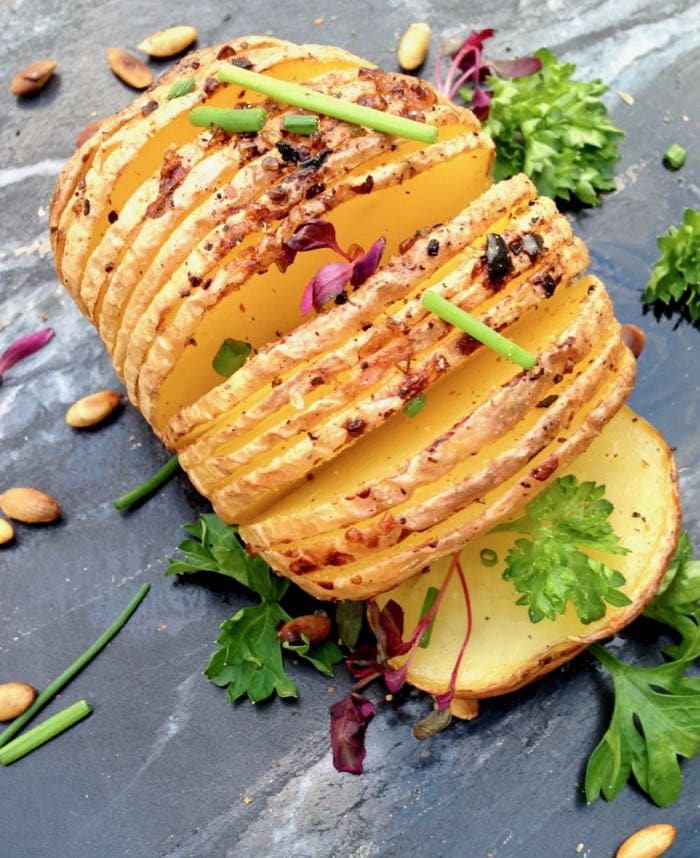
Potatoes thrive in loose, well-drained, and nutrient-rich soil. The better the soil, the bigger and healthier your harvest will be.
Follow these preparation steps:
- Pick a Sunny Spot: Potatoes love sunlight — aim for at least 6 hours a day.
- Loosen the Soil: Dig about 8–10 inches deep to allow the tubers to grow freely.
- Enrich with Compost: Mix in organic compost or decomposed manure to boost soil fertility.
- Check Drainage: Potatoes hate soggy soil. If drainage is poor, plant them in raised beds or containers.
- Balance the pH: Slightly acidic soil (pH 5.5–6.5) is ideal. You can adjust with compost or natural soil conditioners.
If space is limited, grow bags, buckets, or large containers are a great alternative. Potatoes adapt well to container gardening and often produce a surprisingly abundant yield.
Step 3: Planting Your Potatoes
When spring arrives and the soil has warmed, it’s time to plant your potatoes.
Here’s how:
- Use certified seed potatoes — these are disease-free and bred for healthy growth.
- Cut and Cure: Slice large seed potatoes into chunks, each with one or two eyes (the small buds). Let them dry for a day or two to reduce rot risk.
- Planting Depth: Place each piece 4 inches deep with eyes facing upward.
- Spacing: Space them 12 inches apart in rows 2–3 feet apart.
- In Containers: Add 6 inches of soil, plant the seeds, then cover with another 4 inches.
As your potato plants grow, “hill” the soil around the stems every couple of weeks. This prevents sunlight from greening the potatoes and encourages more tuber formation.
Step 4: Nurturing Your Potato Crop

Potatoes are fairly easy to grow, but they do need consistent care for best results.
Watering:
Keep the soil evenly moist but never waterlogged. Inconsistent watering can lead to cracked or irregularly shaped potatoes.
Mulching:
Add a layer of straw or dried leaves around the plants to retain moisture, suppress weeds, and protect the tubers.
Feeding:
Once plants are established, feed them with organic fertilizer or compost tea every few weeks. Avoid nitrogen-heavy fertilizers — they’ll encourage leafy growth instead of tubers.
Pest Management:
Watch for potato beetles and aphids. Handpick beetles or use neem oil spray for natural pest control.
Rotation Tip:
Avoid planting potatoes in the same spot more than once every three years. Crop rotation helps prevent soil-borne diseases.
By mid-summer, your garden will be full of vibrant green foliage — and beneath the soil, your potatoes will be quietly growing.
Step 5: Harvesting the Rewards
Harvesting is where your hard work pays off.
- For New Potatoes: Gently dig around the plants about 8–10 weeks after planting — usually when the plants start to flower. These are tender and delicious for light plant-based dishes.
- For Mature Potatoes: Wait until the plants turn yellow and begin to die back (about 15–20 weeks). Carefully lift the soil with a garden fork and collect your harvest.
Let the potatoes air-dry in a cool, shaded place before storing. Keep them in a dark, ventilated area — this prevents sprouting and prolongs freshness.
With the right care, your homegrown potatoes can last for months, giving you a sustainable and reliable source of fresh ingredients for your plant-based kitchen.
Step 6: Cooking Magic – Elevating Your Plant-Based Meals
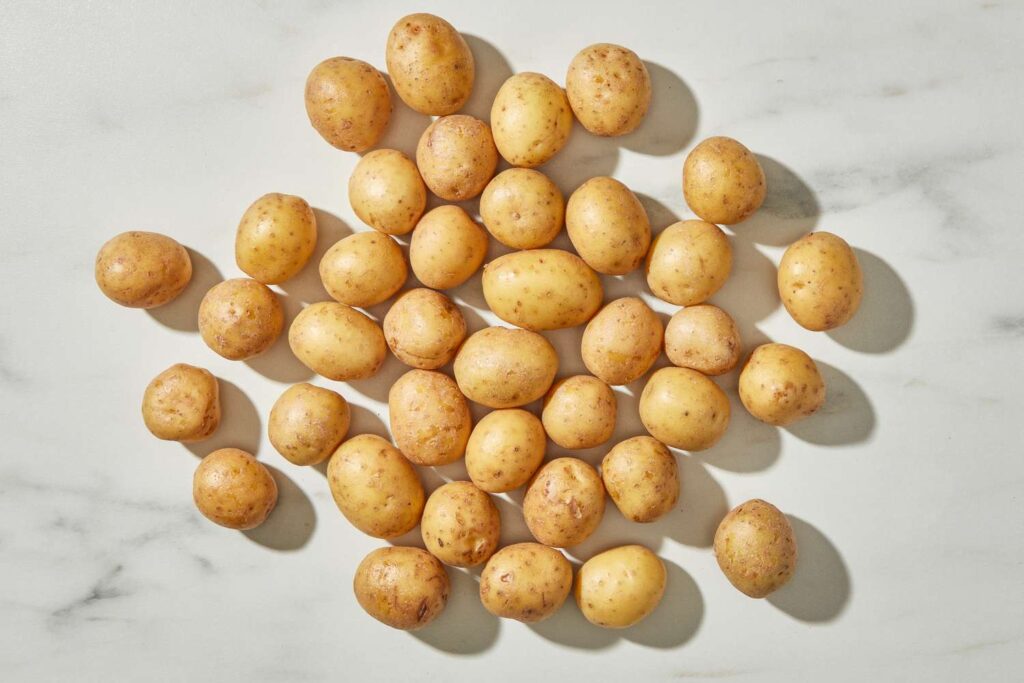
Homegrown potatoes are bursting with natural flavor and texture — a game-changer for plant-based cooking. Their creamy interiors, crisp skins, and earthy undertones make them the perfect canvas for endless culinary creativity.
Here are some delicious plant-based meal ideas that showcase your homegrown harvest:
- Golden Potato and Lentil Curry
A rich, fragrant curry that combines soft potato cubes with red lentils, tomatoes, and coconut milk. Serve with steamed rice or flatbread for the ultimate comfort meal. - Vegan Potato and Leek Soup
Creamy and soothing, this classic soup pairs sautéed leeks with boiled potatoes and vegetable stock. Blend until smooth for a luscious texture. - Crispy Baked Potato Wedges with Herb Dip
Toss wedges in olive oil, paprika, and garlic powder. Bake until golden, then serve with a tangy cashew-based dip or vegan mayo. - Potato and Chickpea Stew
Combine potatoes, chickpeas, carrots, and kale in a tomato broth seasoned with cumin and coriander. A one-pot wonder full of plant-based protein. - Mashed Potato Shepherd’s Pie
Replace meat with lentils, mushrooms, and peas for the filling, then top with fluffy mashed potatoes and bake until golden. - Potato Pancakes (Aloo Tikki)
Grate boiled potatoes, mix with herbs, and pan-fry into crispy patties. Serve with chutney or vegan yogurt sauce for a satisfying snack.
Each of these recipes celebrates the potato’s versatility — turning your homegrown harvest into meals that are vibrant, comforting, and 100% plant-based.
Step 7: Sustainability and Self-Sufficiency
Growing your own potatoes isn’t just about flavor — it’s an act of sustainability. By cultivating your own food, you reduce your carbon footprint, minimize packaging waste, and support biodiversity.
Here’s how potato gardening contributes to a greener lifestyle:
- Local Food Source: No transport or emissions — your food comes from your backyard.
- Compost Cycle: Use kitchen scraps to feed your soil naturally.
- Zero Waste Cooking: Utilize peels, skins, and even potato water in creative ways.
- Healthier Lifestyle: Fresh, organic food means fewer chemicals and more nutrients.
Each step — from planting to cooking — becomes part of a regenerative cycle that nurtures both you and the planet.
The Joy Beyond the Harvest
Beyond the practical benefits, potato gardening offers emotional rewards. There’s peace in tending to the soil, excitement in watching plants flourish, and joy in preparing a meal you grew yourself.
The act of growing your own food fosters mindfulness, patience, and gratitude — qualities that naturally extend to a healthier, more intentional lifestyle. Every bite of your homegrown potatoes carries a story of effort, care, and connection to nature.
Conclusion: The Root of Plant-Based Inspiration
Potatoes may be humble, but their potential is limitless. When grown in your own garden, they become more than ingredients — they become an expression of self-reliance, sustainability, and creativity.
By growing your own potatoes, you elevate your plant-based meals from simple to extraordinary. You’ll discover that the freshest ingredients don’t come from a store — they come from the soil beneath your feet.
So, dig in, plant a few seed potatoes, and start your journey from garden to table. With every harvest, you’ll not only nourish your body but also deepen your connection to the earth — one delicious, homegrown bite at a time.