September is a magical month for gardeners. As the intense summer heat begins to mellow and cooler temperatures settle in, the soil becomes the perfect environment for fall vegetable crops. Many gardeners assume that the growing season slows down during autumn, but in reality, September is one of the best months to plant a fresh round of cool-season vegetables. These crops thrive in mild weather, develop richer flavors, and require far less maintenance than summer plants.
If you want a productive and vibrant garden through fall—and even early winter—September planting is the key. In this guide, we’ll explore six fall vegetables you can plant in September to enjoy tender greens, crunchy roots, and nutrient-rich produce all season long.
1. Spinach — A Cold-Loving Superfood for Fall
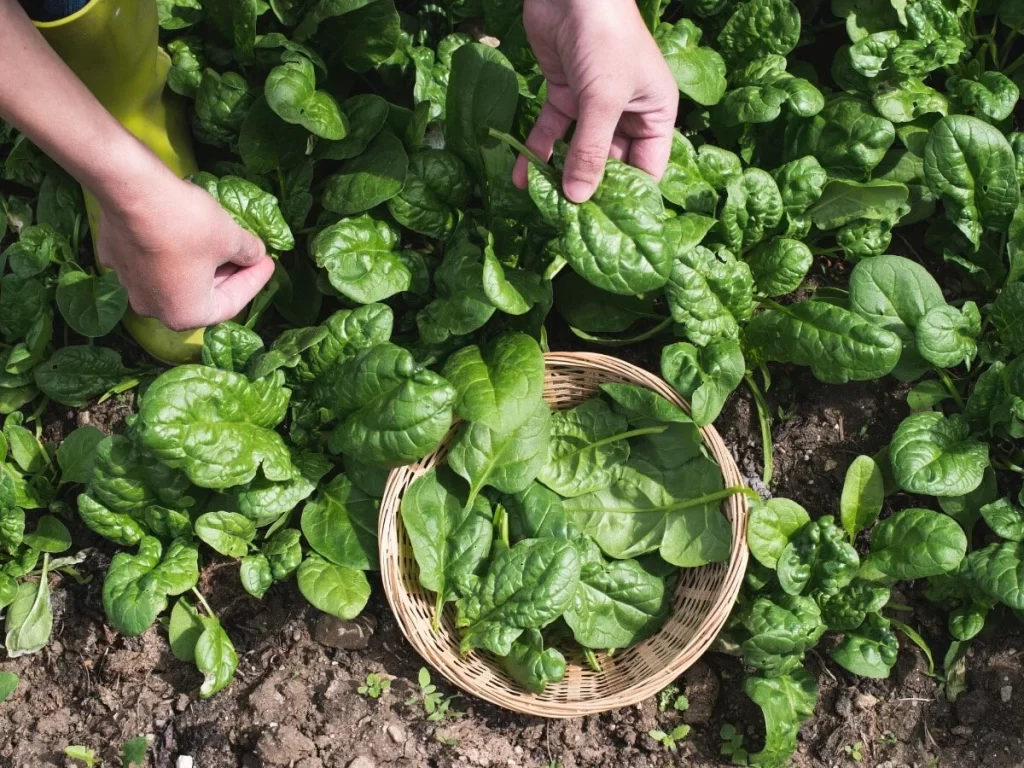
Spinach is one of the most dependable fall vegetables. It thrives in cool weather, grows fast, and produces tender, nutritious leaves perfect for salads, soups, and smoothies.
Why Spinach is Ideal for September
- Cool temperatures prevent bolting.
- Leaves grow sweeter and more tender in fall.
- Mature harvest is ready in 35–45 days.
- Can survive mild frost, providing a prolonged harvest.
How to Plant Spinach
- Choose loose, fertile soil with high organic matter.
- Sow seeds directly in the ground or containers ½ inch deep.
- Water regularly to keep soil moist but not soggy.
Care Tips
- Thin seedlings to avoid overcrowding.
- Mulch lightly to retain moisture and keep roots cool.
- Harvest outer leaves first for continuous growth.
Why You’ll Love Growing Spinach
It’s a low-maintenance leafy green that keeps giving until winter arrives. And the fall-grown spinach tastes far better than the spring harvest.
2. Carrots — Sweet, Crunchy, and Perfect in Cool Weather
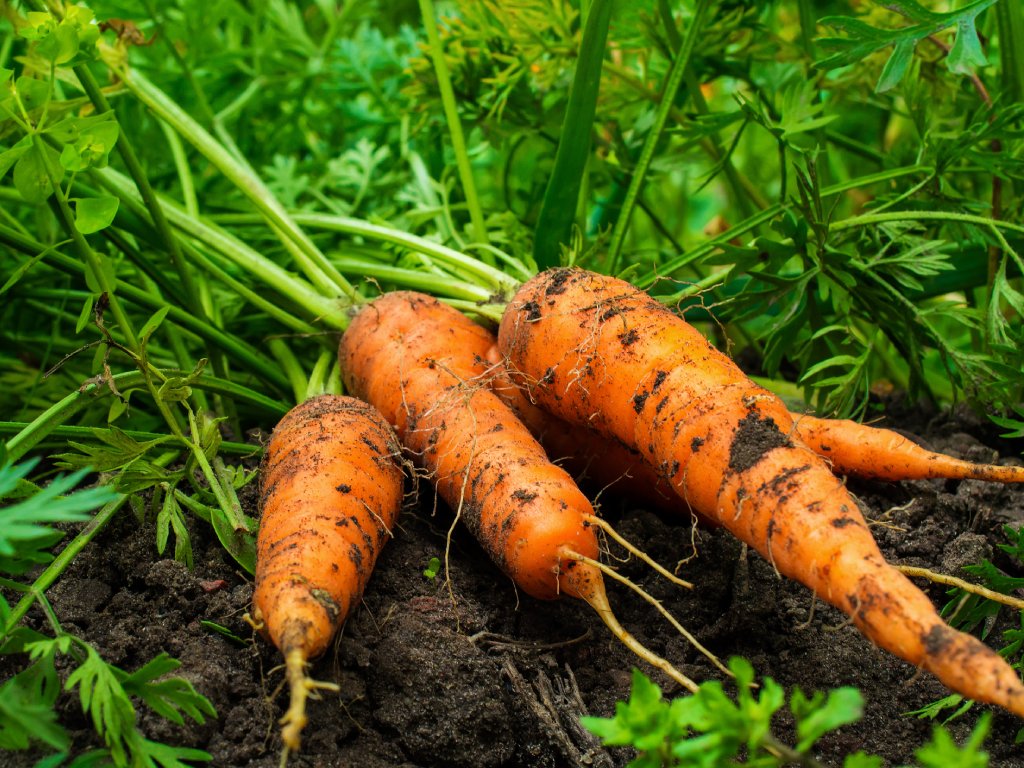
Carrots prefer cooler temperatures for root development, which makes September an excellent month for sowing them.
Why Carrots Thrive in Fall
- Cooler weather develops sweeter flavors.
- Moist soil helps seeds germinate better.
- Roots grow straight and crisp when not exposed to heat.
How to Plant Carrots
- Loosen soil at least 12 inches deep.
- Remove stones or clumps that can deform roots.
- Sow seeds shallowly (¼ inch deep) and space thinly.
Carrot Care
- Keep the soil moist at all times.
- Thin seedlings early to prevent crowded roots.
- Add compost tea occasionally to support steady growth.
When to Harvest
Depending on variety, carrots mature in 60–80 days, giving you a delicious late fall harvest.
3. Radishes — The Quickest Fall Crop
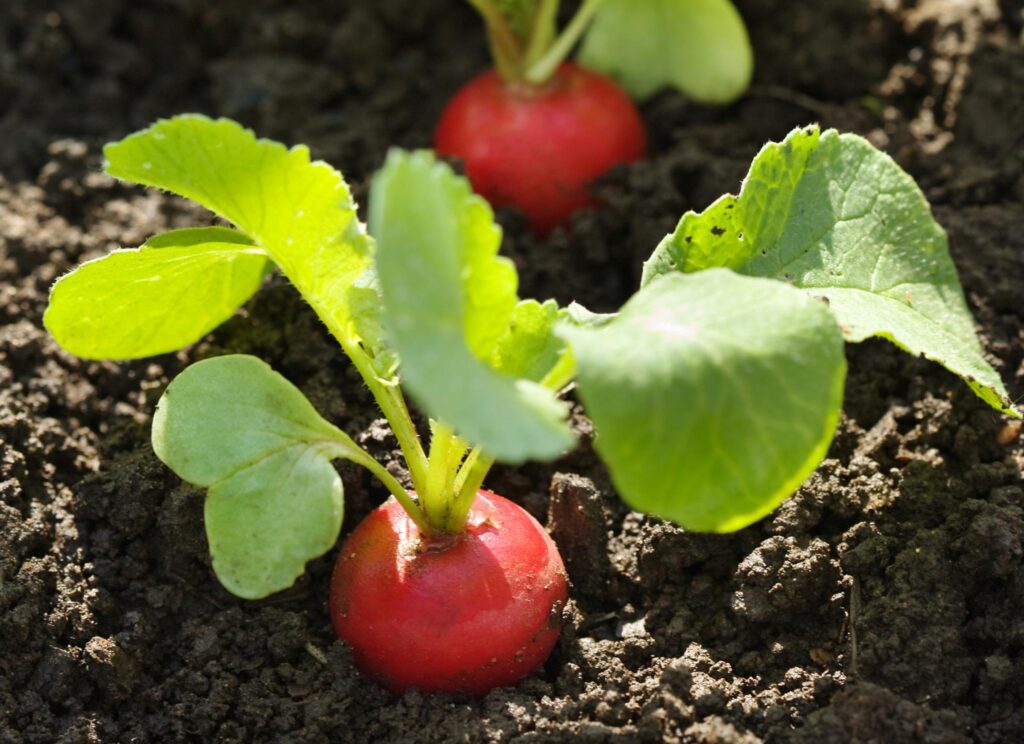
Radishes are one of the fastest-growing vegetables, maturing in as little as 25–30 days. This makes them perfect for September planting and even multiple harvest cycles.
Why Radishes Are Great for Fall
- Cool weather keeps radishes crisp and non-spicy.
- Easy to grow for beginners and children.
- Can be squeezed into tiny garden spaces.
How to Plant Radishes
- Sow seeds directly in well-drained soil.
- Plant ½ inch deep and 1 inch apart.
- Provide full sun for best root formation.
Care Tips
- Avoid over-fertilizing; radishes prefer modest soil.
- Keep soil consistently moist to prevent cracking.
- Harvest as soon as radishes mature to avoid woody texture.
Bonus
Radish greens are edible and nutritious—use them in stir-fries or pestos.
4. Kale — The Hardy Green That Loves the Cold
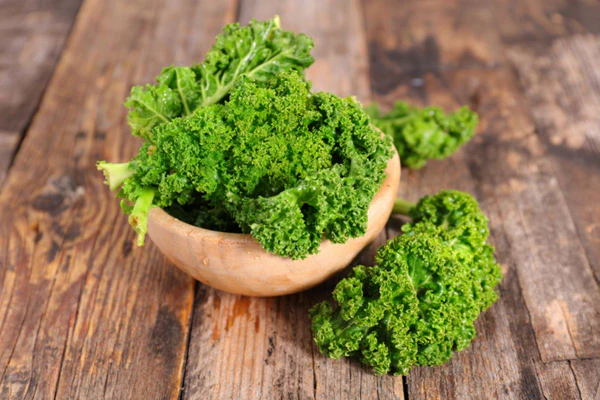
Kale is one of the toughest vegetables, thriving even as temperatures drop close to freezing. September planting ensures lush, flavorful leaves throughout fall and sometimes into early winter.
Why Kale is a Fall Garden Champion
- Cold weather improves its flavor.
- Produces continuously once established.
- Packed with vitamins A, C, K, and minerals.
- Works well in containers or raised beds.
How to Plant Kale
- Sow seeds ½ inch deep or transplant seedlings.
- Use nutrient-rich soil with compost.
- Place in full sun for the best leaf production.
Kale Care Tips
- Water regularly; do not let soil dry completely.
- Mulch around the base to regulate soil temperature.
- Remove yellowing leaves to keep the plant healthy.
Best Varieties for Fall
- Curly kale
- Lacinato (Dinosaur kale)
- Red Russian kale
These varieties handle cool temperatures exceptionally well.
5. Lettuce — Tender, Fast-Growing Fall Greens
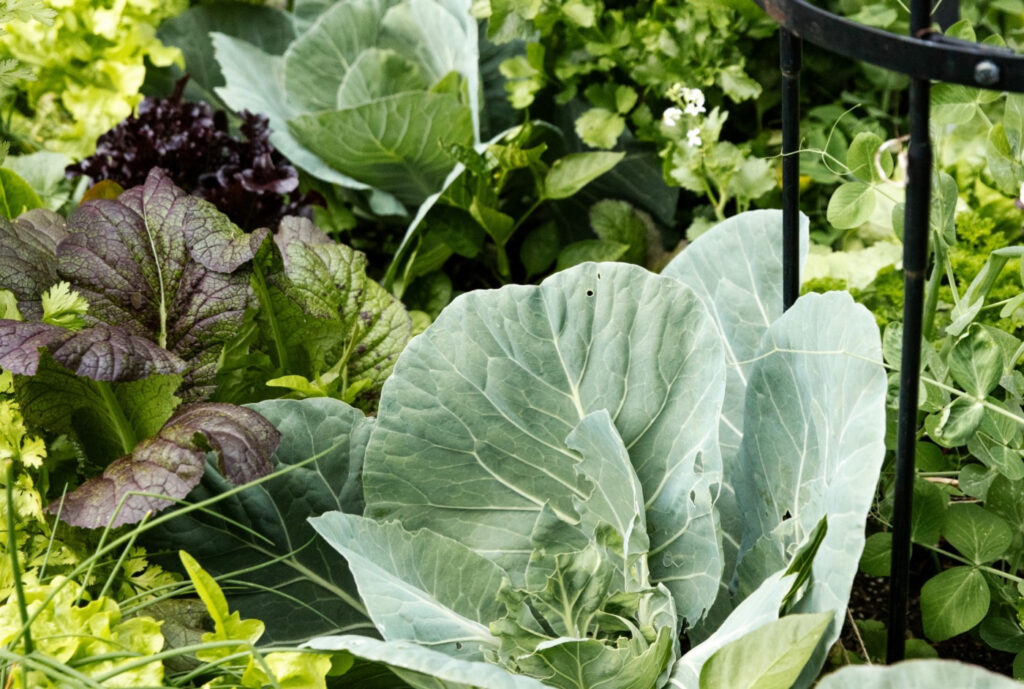
Lettuce thrives in cool weather, making September an ideal time to grow it. Heat often causes lettuce to bolt or turn bitter, but fall weather produces the most tender, flavorful leaves.
Why Lettuce Loves September
- Germinates well in cooler soil.
- Grows fast—ready to harvest in 30–45 days.
- Can be grown in pots, vertical planters, or raised beds.
- Offers a wide variety of textures and flavors.
How to Plant Lettuce
- Sow seeds shallowly (⅛–¼ inch deep).
- Keep soil moist but not waterlogged.
- Provide morning sunlight and afternoon shade.
Care Tips
- Harvest outer leaves regularly.
- Protect young seedlings from heavy rain.
- Avoid overwatering to prevent rot.
Best Varieties for Fall
- Butterhead
- Romaine
- Oakleaf
- Loose-leaf varieties
These types grow quickly and stay flavorful in cool weather.
6. Broccoli — A Nutritious Powerhouse for Fall Gardens
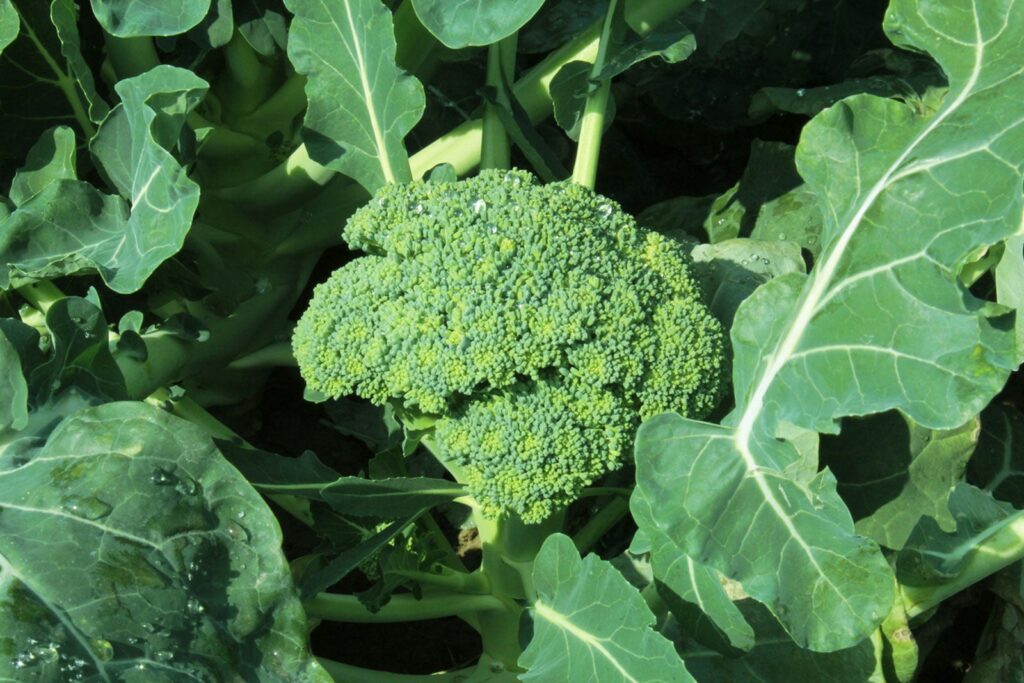
Broccoli is one of the most rewarding cool-season vegetables. When planted in September, it develops large, dense heads and produces side shoots for extended harvests.
Why Broccoli is Perfect for Fall
- Cool temperatures support tight head formation.
- Less prone to pests than in summer.
- Rich in vitamins, fiber, and antioxidants.
How to Plant Broccoli
- Start with strong seedlings for best results.
- Plant in rich soil with compost and slow-release fertilizer.
- Space plants 14–18 inches apart.
Broccoli Care Tips
- Keep soil evenly moist.
- Use mulch to suppress weeds and maintain temperature.
- Feed lightly every 3–4 weeks to encourage strong heads.
Harvesting Broccoli
- Cut the main head before it flowers.
- Allow side shoots to grow for a bonus harvest.
Additional Tips for a Productive September Garden
To get the most out of your fall vegetables, keep the following tips in mind:
1. Prepare Soil Well
- Add compost before planting.
- Remove old roots, weeds, and spent plants.
- Loosen the soil to promote healthy root growth.
2. Water Wisely
- September can still be warm—water regularly.
- Avoid overhead watering to reduce disease.
- Mulch generously to retain moisture.
3. Use Shade Cloth If Needed
Seedlings may need partial shading during early September heat spikes.
4. Protect Plants from Early Frost
- Use row covers or garden fleece.
- Container plants can be moved indoors during cold nights.
5. Succession Planting for Abundance
Plant radishes, lettuce, and spinach every two weeks for continuous harvest through fall.
Final Thoughts
September is a month full of gardening potential. By choosing vegetables that thrive in cool temperatures—like spinach, carrots, radishes, kale, lettuce, and broccoli—you can grow a lush and productive fall garden that lasts well into the colder months. These vegetables not only offer great flavors and textures but also pack essential nutrients to keep your meals healthy and vibrant.
Whether you are gardening in a large yard, a small balcony, or raised beds, these fall-friendly crops will reward you with delicious harvests. So grab your seeds, prepare your soil, and welcome autumn with a thriving vegetable garden!
Happy fall gardening!