Bees and butterflies play a vital role in our ecosystems. They pollinate flowers, fruits, and vegetables, helping plants reproduce and ensuring food availability for humans and wildlife alike. Unfortunately, urbanization, climate change, and the widespread use of chemicals have drastically reduced their populations. But here’s the good news—you can help reverse this trend.
By creating a pollinator-friendly garden, even in a small balcony or terrace, you can provide food, shelter, and safe spaces for bees and butterflies. In return, your garden will flourish with vibrant blooms, improved fruiting, and natural biodiversity.
This in-depth, 1200-word guide will show you how to grow a garden that attracts bees and butterflies, no matter how small your space is.
1. Choose the Right Flowers: Grow What Pollinators Love
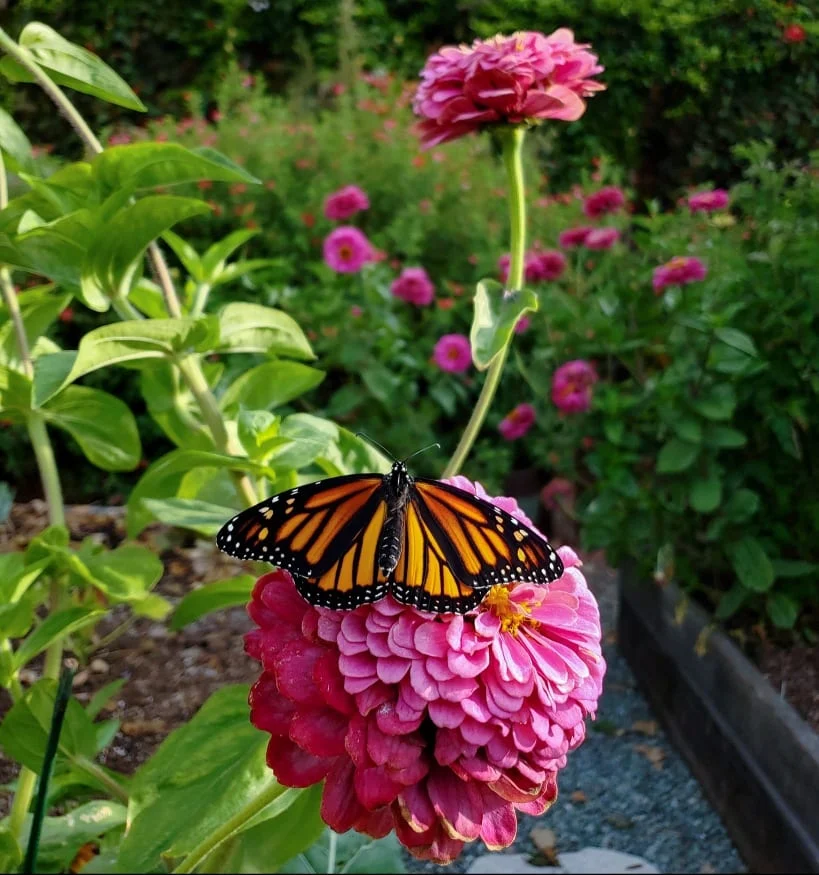
Bees and butterflies are naturally drawn to certain shapes, colors, and fragrances. By selecting the right plants, you can turn your garden into a buzzing and fluttering paradise.
● Pick Nectar-Rich Flowers
Pollinators depend on nectar for energy and pollen for Protein. Some of the best nectar-rich flowers include:
- Marigolds
- Sunflowers
- Zinnias
- Cosmos
- Hibiscus
- Pentas
- Lantana
- Lavender
These flowers bloom for long periods and provide abundant nectar sources.
● Choose Native Plants
Native plants are especially important because bees and butterflies have evolved alongside them. They require less maintenance and naturally thrive in your local climate.
Native plants in India that attract pollinators:
- Tulsi (Holy Basil)
- Jasmine
- Indian milkweed
- Butterfly pea (Shankhpushpi)
- Indian marigold
- Ixora
- Curry leaf flowers
● Offer a Variety of Flower Shapes
Different pollinators have different feeding styles. For example:
- Long-tongued bees love tubular flowers like penstemon.
- Butterflies prefer clusters of small flowers like lantana and verbena.
- Short-tongued bees feed on open-faced flowers like daisies.
Variety attracts diversity.
2. Plan for Continuous Bloom Throughout the Year
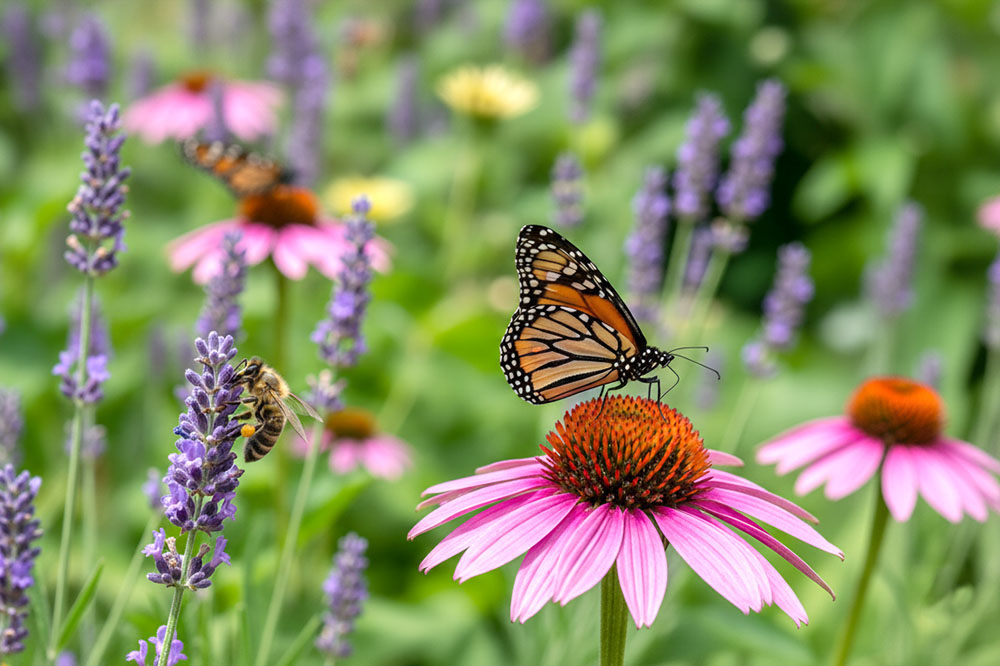
Bees and butterflies need food all year long—not just during peak flowering seasons. A garden with staggered blooming times ensures that pollinators always find nectar and pollen in your space.
● Stagger Your Planting
Choose plants that bloom in:
- Early spring
- Summer
- Autumn
- Winter
This ensures a continuous food supply.
Examples:
- Early bloomers: Marigold, alyssum, geranium
- Summer bloomers: Sunflowers, cosmos, zinnias
- Monsoon bloomers: Pentas, lantana
- Winter bloomers: Calendula, pansies, dianthus
● Grow Perennials and Annuals Together
- Perennials provide structure and long-term food.
- Annuals offer bursts of color and quick blooms throughout the year.
A mix gives the best results.
3. Create a Safe Habitat for Pollinators
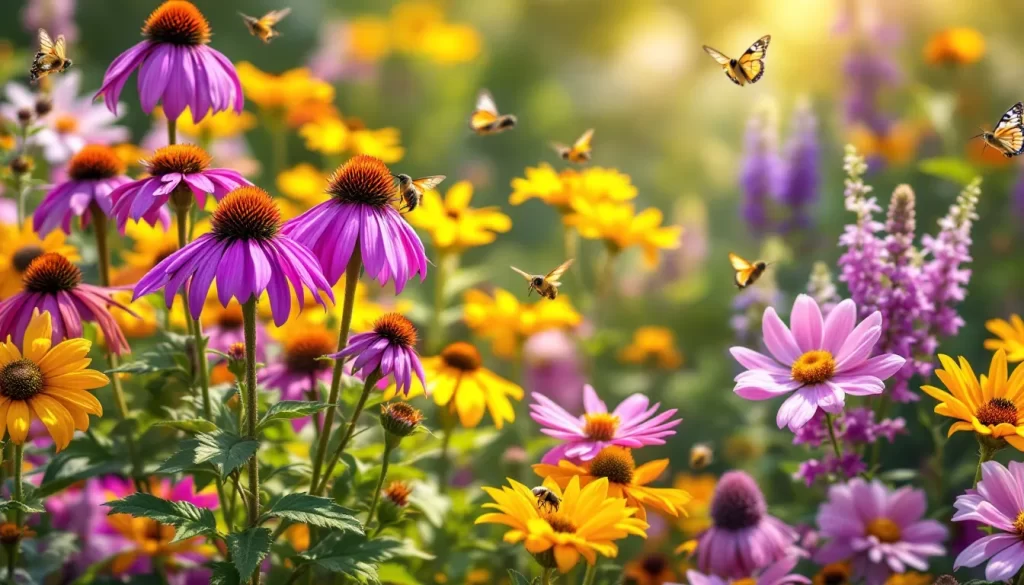
A true pollinator-friendly garden is not just about flowers—it’s about creating a safe and supportive habitat where bees and butterflies can feed, rest, reproduce, and take shelter.
● Provide Water Sources
Just like humans, pollinators need water to survive. However, bees and butterflies can drown in deep containers.
Create safe water stations by:
- Using a shallow dish
- Filling it with stones or marbles
- Adding enough water to keep the stones partially submerged
This setup allows pollinators to perch safely while drinking.
● Add Host Plants for Butterfly Caterpillars
Butterflies lay eggs on specific “host plants” that caterpillars depend on.
Examples:
- Milkweed for monarch-like butterflies
- Curry leaf plants for swallowtails
- Lemon plants for lime butterflies
- Cassia trees for sulphur butterflies
Grow host plants even if caterpillars eat their leaves—they will reward you with more butterflies!
● Provide Shelter
Pollinators need protection from heavy rain, harsh sunlight, and predators.
Create safe spaces with:
- Bushy plants
- Dense shrubs
- Small piles of twigs
- Bee hotels made from wood or bamboo
These simple shelters give pollinators places to rest and reproduce.
4. Avoid All Chemical Pesticides and Fertilizers
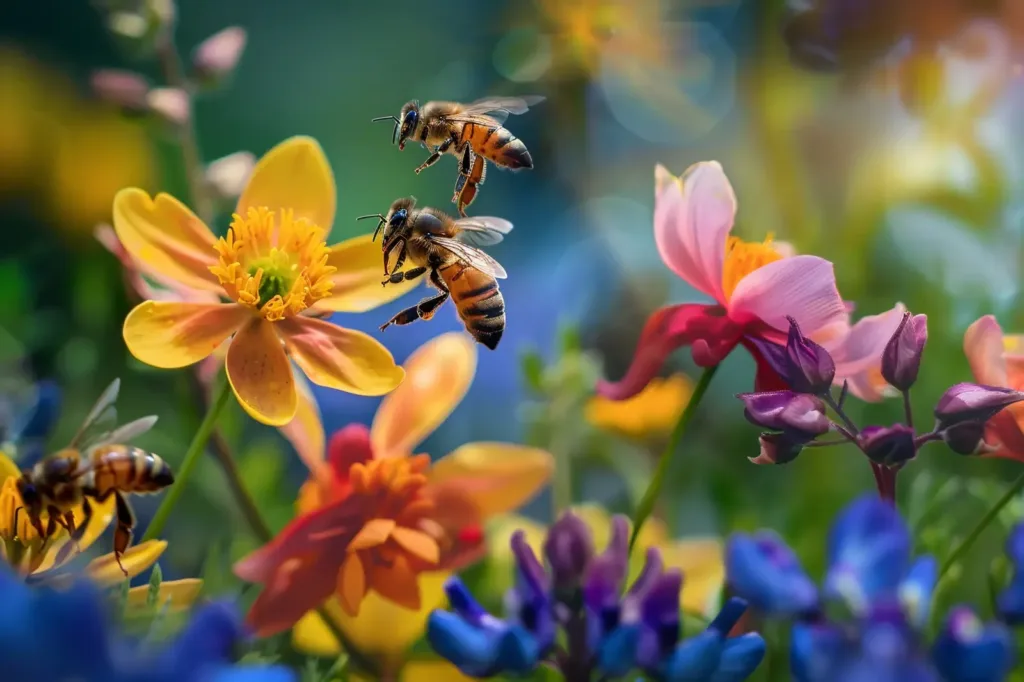
One of the biggest threats to bees and butterflies is chemical exposure. Even small doses of pesticides can disorient them, reduce their immunity, or prove fatal.
● Switch to Natural Pest Control
Natural solutions help control pests without harming beneficial insects.
Try these:
- Neem oil spray
- Soap-water spray
- Garlic-chilli solution
- Wood ash for controlling ants
- Handpicking pests from leaves
● Encourage Beneficial Insects
Ladybugs, lacewings, dragonflies, and parasitic wasps are natural predators that keep harmful insects in check.
You can attract beneficial insects by:
- Growing marigolds, dill, fennel, and coriander
- Leaving a small “wild” corner
- Providing small water zones
● Avoid Treated Plants
Nursery plants often come coated with chemical pesticides. Before buying:
- Ask for untreated plants
- Choose local gardeners
- Propagate your own from cuttings or seeds
5. Use Color, Scents, and Patterns to Attract Pollinators
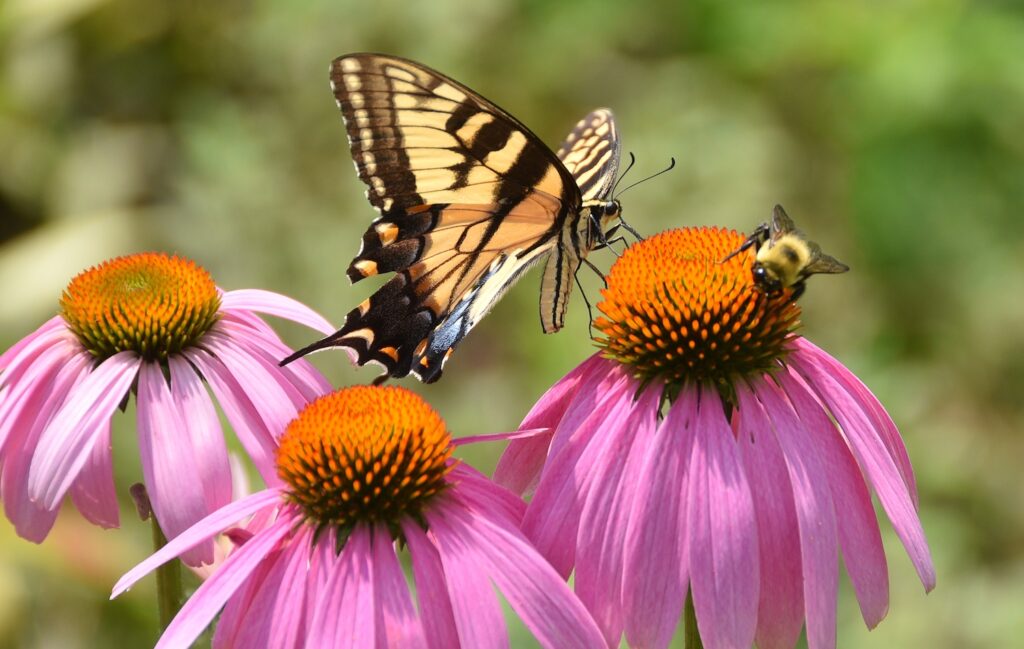
Bees and butterflies navigate their world using vibrant colors and powerful scents. Designing your garden with these cues naturally draws them in.
● Colors That Bees Love
Bees see colors differently than humans—they’re especially drawn to:
- Blue
- Purple
- Violet
- White
- Yellow
Grow plants with these hues to attract more bees.
● Colors That Butterflies Prefer
Butterflies love bright, warm colors such as:
- Red
- Orange
- Pink
- Magenta
Plant flowers like zinnias, pentas, and cosmos to encourage more visits.
● Add Fragrant Flowers
Scent plays a huge role in attracting pollinators, especially bees.
Fragrant flowers include:
- Jasmine
- Lavender
- Rose
- Gardenia
- Arabian jasmine (Mogra)
● Plant in Clusters
Pollinators find clusters of the same flower easier to locate than scattered single blooms.
Grow flowers in groups of 3–5 to maximize attraction.
6. Design Your Garden for Easy Pollinator Movement
A pollinator-friendly garden should be designed with flow and movement in mind.

● Use Layering
Create layers of height by arranging:
- Tall plants at the back
- Medium-height plants in the middle
- Ground covers in the front
This structure helps pollinators navigate comfortably.
● Provide Flight Pathways
Avoid overcrowding pots. Leave clear spaces between plants so bees and butterflies can fly freely without stress.
● Add Climbing Plants
Creepers like passionflower, Rangoon creeper, morning glory, and butterfly pea provide nectar, height, and shelter.
Vertical gardening also saves space in urban homes.
7. Grow Organic Fruits and Vegetables That Support Pollinators
Your edible plants will thrive when pollinators visit them—so make your veggie garden pollinator-friendly too.
● Best Edibles for Pollinators
- Tomato
- Brinjal (Eggplant)
- Okra
- Cucumber
- Beans
- Chillies
- Squash
- Melons
Their flowers attract bees and butterflies naturally while increasing vegetable yield.
● Herbs That Attract Pollinators
Herbs are aromatic and bloom often, making them perfect for pollinators.
Top choices:
- Mint
- Basil
- Rosemary
- Thyme
- Coriander
- Dill
Allow some herbs to flower—they become pollinator magnets!
8. Maintain Your Garden Organically and Responsibly
A pollinator garden needs gentle, thoughtful care.
● Let Some Plants Go Wild
Leave parts of your garden untrimmed to create natural habitats.
● Allow Leaf Litter
Fallen leaves offer shelter and safe spots for pollinators.
● Avoid Overcleaning
Butterflies lay eggs under leaves—avoid excessive pruning.
● Grow Seasonal Flowers
Seasonal blooms bring migrating butterflies and active bees throughout the year.
Conclusion: Create a Pollinator Haven, One Flower at a Time
Growing a garden that attracts bees and butterflies is not just good for the environment—it brings joy, color, movement, and life into your space. Every flower you plant, every chemical you avoid, and every water station you create helps support pollinators facing global decline.
No matter how big or small your garden is, you can make a positive difference. Start with a few nectar-rich plants, add a water source, and let nature do the rest.
Soon your garden will be alive with buzzing bees and fluttering butterflies—proof that even small actions can create big environmental impacts.