Gardening is often seen as an eco-friendly hobby, but did you know your gardening habits can still contribute to carbon emissions? From water usage and fertilizer choices to energy consumption and waste generation, every small action adds to your garden’s overall carbon footprint. The good news is that making your garden more sustainable doesn’t require drastic changes—just thoughtful habits that protect the planet while nurturing your plants.
In this 1200-word guide, we’ll explore five powerful and practical ways to reduce your garden’s carbon footprint. These tips are perfect for urban gardeners, balcony gardeners, and anyone who wants to grow plants responsibly and sustainably.
1. Choose Low-Carbon Gardening Tools and Materials
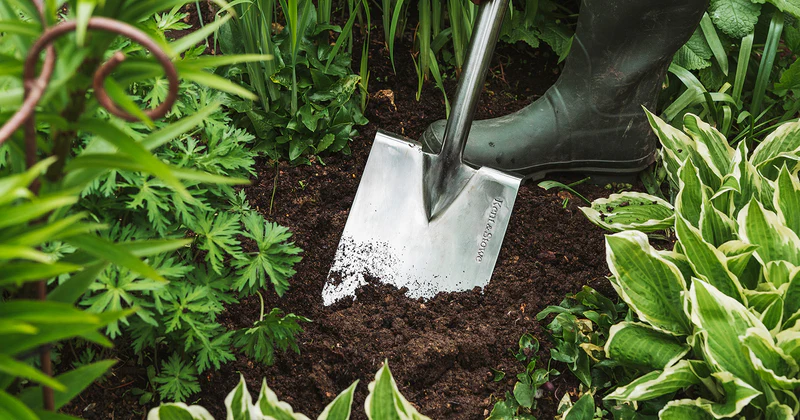
Every tool, pot, and material that enters your garden has a carbon cost—manufacturing, transportation, and disposal all contribute to emissions. By making mindful choices, you can significantly reduce this impact.
● Opt for Manual Tools Over Electric Ones
Electric trimmers, leaf blowers, and lawnmowers may be convenient, but they consume energy and often rely on fossil-fuel-generated electricity. Hand tools like pruners, shears, and manual sweepers:
- Reduce energy consumption
- Last longer
- Encourage slow, mindful gardening
Plus, hand tools are usually quieter and more affordable.
● Use Eco-Friendly Pots
Plastic pots have a high carbon footprint due to petroleum-based manufacturing. Replace them with:
- Terracotta pots
- Coconut husk planters
- Wooden boxes
- Upcycled containers (cans, bottles, crates)
These alternatives are biodegradable or recyclable, and many last for years.
● Reuse and Upcycle Materials
Instead of buying new garden materials:
- Use old buckets as planting containers
- Repurpose broken clay pots as mulch or drainage
- Turn wooden pallets into vertical gardens
Every reused item keeps waste out of landfills and reduces demand for new production.

2. Improve Soil Health Naturally
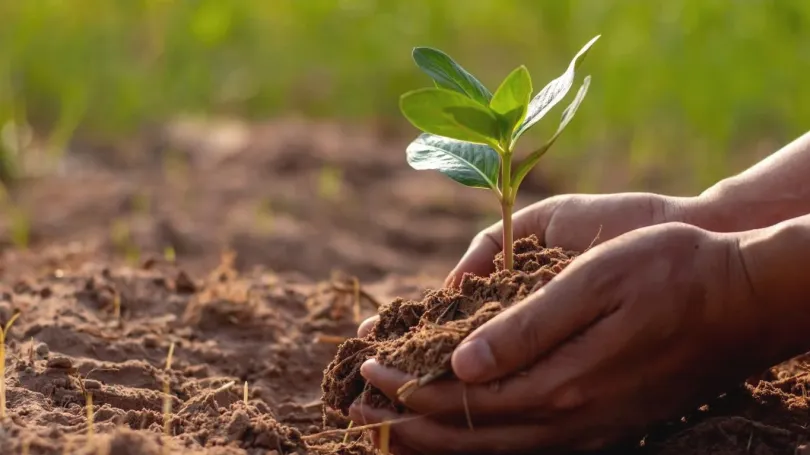
Healthy soil is a powerful carbon sink. It stores carbon within its organic matter, preventing it from entering the atmosphere. By improving soil quality naturally, you not only grow healthier plants but also help reduce global greenhouse gases.
● Compost Your Kitchen and Garden Waste
Composting is one of the most powerful ways to reduce your carbon footprint. Instead of letting organic waste rot in landfills—where it produces methane—you can turn it into nutrient-rich compost for your plants.
Compost improves soil structure, boosts microbial activity, and increases carbon storage.
● Avoid Synthetic Fertilizers
Chemical fertilizers require vast amounts of energy to manufacture and transport. They also release nitrous oxide, a potent greenhouse gas.
Replace them with:
- Homemade compost
- Vermicompost
- Cow dung manure
- Leaf mold
- Organic nutrition boosters like banana peels, eggshells, or coffee grounds
These natural fertilizers reduce emissions and nourish your plants safely.
● Mulch to Reduce Soil Degradation
Mulching with organic materials like dry leaves, wood chips, or grass clippings helps:
- Retain soil moisture
- Prevent erosion
- Reduce temperature fluctuations
- Slowly add carbon to the soil
Mulch also reduces the frequency of watering and weeding, saving energy and resources.
3. Adopt Water-Saving Gardening Habits
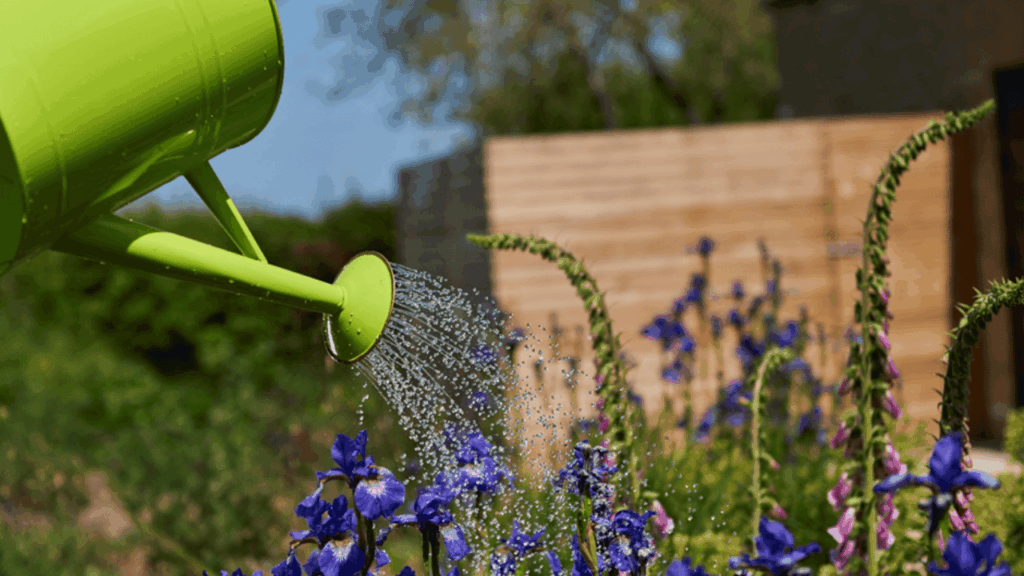
Water scarcity is a growing concern in many cities. Conserving water not only eases pressure on water supplies but also reduces the carbon footprint associated with water treatment and pumping.
● Collect and Use Rainwater
Install a rainwater bucket or barrel on your balcony or terrace. This simple setup can save hundreds of liters of municipal water annually.
Rainwater is:
- Chemical-free
- Softer
- Excellent for most plants
Even small spaces can contribute meaningfully.
● Reuse Household Water
Instead of discarding slightly used water, apply it to your garden:
- Water from washing vegetables
- Rice water (unsalted)
- Water used for boiling eggs or pasta
Avoid water containing soap or chemicals.
● Choose Efficient Watering Methods
Drip irrigation and self-watering planters deliver moisture directly to roots, reducing evaporation and runoff.
Water early in the morning to minimize water loss and ensure your plants stay hydrated throughout the day.
● Grow Drought-Tolerant Plants
Plants like succulents, jade, rosemary, lantana, and native grasses need minimal water and thrive in urban conditions.
Choosing low-water species is both sustainable and low-maintenance.

4. Grow Climate-Friendly and Native Plants

Not all plants are equal when it comes to carbon impact. Some require more water, fertilizer, and maintenance, while others are naturally adapted to your climate and soil.
● Choose Native Species
Native plants thrive in your region’s climate and require:
- Less water
- Fewer fertilizers
- No chemicals
- Minimal maintenance
They also support local pollinators, insects, and birds—creating urban biodiversity.
Examples for India:
- Hibiscus
- Jasmine varieties
- Marigolds
- Tulsi (Holy Basil)
- Curry leaf plants
Native species are hardy and need fewer resources, reducing your garden’s carbon footprint.
● Plant a Mix of Trees, Shrubs, and Groundcovers
Diverse plants absorb more carbon from the atmosphere. Trees and large shrubs store the most carbon, while groundcovers protect the soil and prevent erosion.
If you have a balcony or terrace:
- Choose dwarf fruit trees
- Grow tall plants in large containers
- Use vertical gardening for shrubs and creepers
● Grow Edibles to Reduce Food-Transport Emissions
When you grow your own herbs, vegetables, or fruits, you cut down on the carbon emissions generated from transporting produce to markets.
Grow easy, high-yield edibles like:

- Spinach
- Mint
- Tomatoes
- Lemons
- Curry leaves
- Chilli peppers
Every harvest from your home garden is a direct contribution to lowering carbon emissions.
5. Reduce Waste and Embrace Circular Gardening
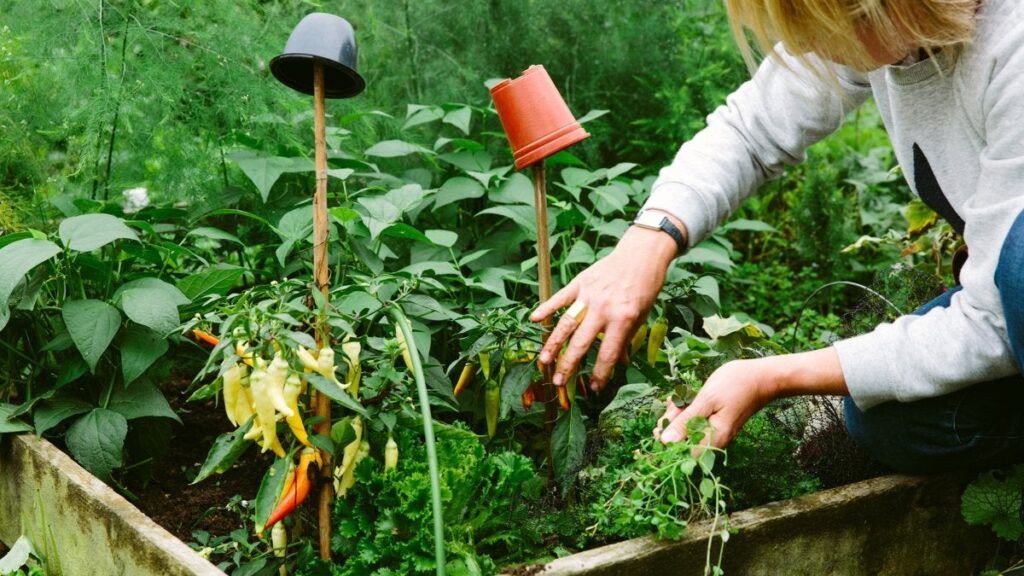
A major part of gardening’s carbon footprint comes from waste—plastic packaging, pruned branches, dead plants, and unused materials. A circular gardening approach ensures nothing goes to waste.
● Use Organic Waste as Garden Resources
Instead of disposing of organic matter:
- Turn leaves into leaf mold
- Dry and grind eggshells to add calcium
- Use banana peel water as fertilizer
- Convert tea leaves and coffee grounds into soil boosters
These small acts reduce dependence on store-bought fertilizers.
● Create a Closed-Loop System
A sustainable garden mimics nature, where nothing is wasted and everything becomes a resource.
Here’s how to do it:
- Compost all kitchen scraps
- Return plant prunings to the soil as mulch
- Reuse old potting soil after refreshing it with compost
- Repurpose broken containers
This makes your garden cost-efficient and environmentally friendly.
● Reduce Plastic Waste
Plastic takes hundreds of years to decompose and releases harmful greenhouse gases.
To cut down:

- Buy seeds instead of plant saplings sold in plastic bags
- Choose biodegradable pots
- Avoid single-use plant labels
- Store soil in reusable containers
● Share and Exchange Instead of Buying New
Gardeners often have excess seeds, cuttings, pots, and tools.
Sharing with:
- Neighbors
- Friends
- Gardening groups
…helps reduce mass production, packaging waste, and transportation emissions.
Conclusion: Small Choices, Big Environmental Impact
Reducing your garden’s carbon footprint isn’t about making dramatic changes—it’s about taking consistent, mindful steps. From choosing native plants and conserving water to composting and reducing resource consumption, each habit contributes to a healthier planet.
The more sustainable your gardening practices become, the more self-sufficient, eco-friendly, and rewarding your garden will be.
Every pot you upcycle, every drop of water you save, and every leaf you compost moves you closer to a greener, low-carbon lifestyle.
By making these five changes today, you’re not just growing plants—you’re growing a better future. 🌿🌎
If you’d like, I can also create SEO keywords, a