If you love gardening as much as you love your daily cup of tea or coffee, you’ll be happy to know that your beverage leftovers can become powerful allies for your plants. Instead of tossing used tea leaves or coffee grounds into the trash, you can repurpose them as natural fertilizers, soil enhancers, compost boosters, and more. This not only supports plant health but also reduces household waste—making your gardening routine more sustainable and eco-friendly.
In this 1200-word guide, you’ll learn everything you need to know about reusing tea leaves and coffee grounds in your garden, including benefits, application methods, precautions, and DIY ideas. Let’s brew up some garden magic!
Why Tea Leaves and Coffee Grounds Are Great for Plants
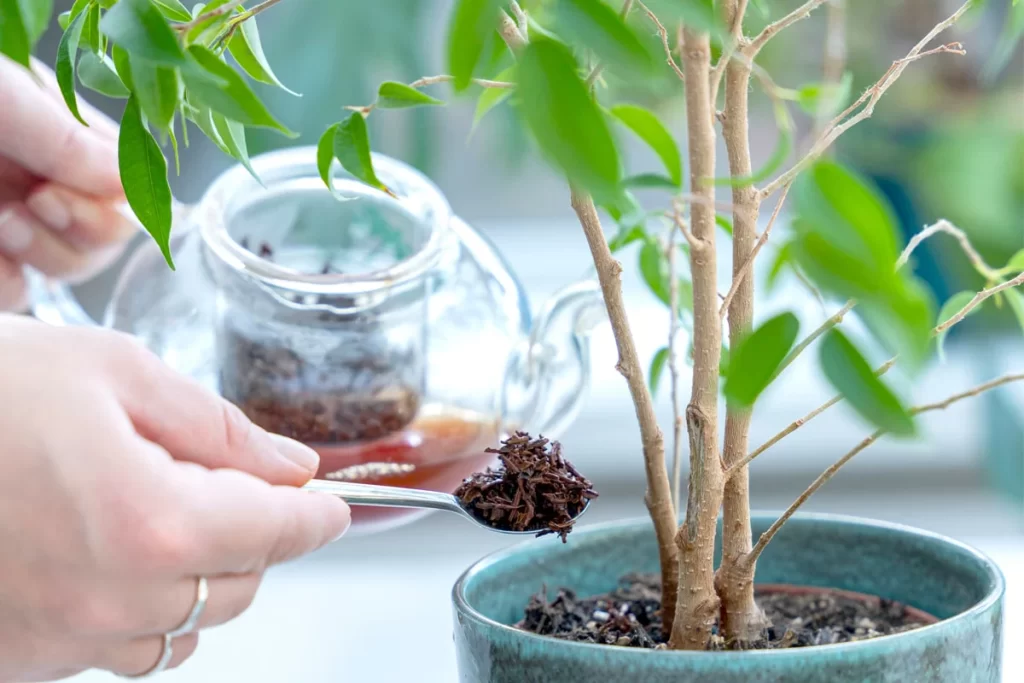
Both tea and coffee come from nutrient-rich natural sources, which means their leftovers still hold valuable organic matter.
● Nutrient Content
- Coffee grounds contain nitrogen, potassium, phosphorus, magnesium, and trace minerals—ideal for leafy growth and soil enrichment.
- Tea leaves offer small amounts of nitrogen, tannins, and micronutrients that slowly release into the soil.
● Organic Matter Boost
Used tea and coffee improve soil structure, making it lighter, more aerated, and better at retaining moisture. This benefits container gardens, particularly in urban homes.
● Eco-Friendly Gardening
Reusing them reduces waste, cuts fertilizer costs, and supports sustainable gardening practices.
1. Add Tea Leaves and Coffee Grounds Directly to the Soil
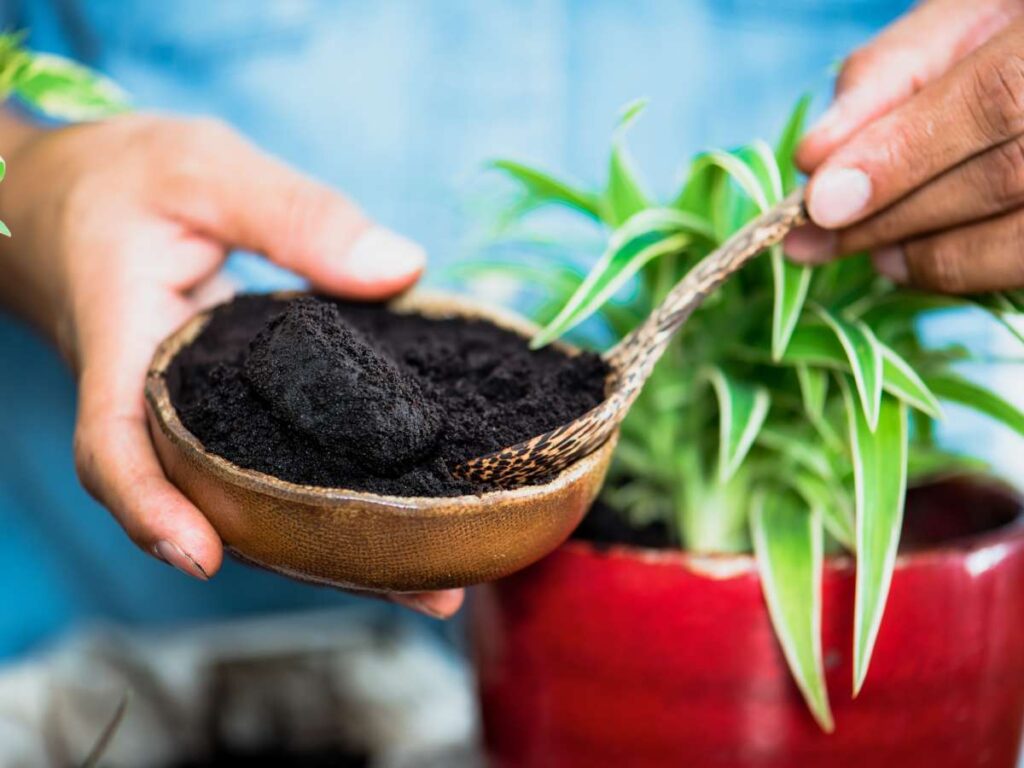
The simplest way to reuse these kitchen leftovers is by mixing them into potting soil.
● How to Use Tea Leaves
- Dry the used tea leaves in sunlight to prevent mold.
- Sprinkle 1–2 tablespoons on the soil surface.
- Lightly mix into the top layer or leave as is.
- Water gently.
This supplies nutrients gradually and improves soil texture. However, avoid using tea leaves that contain artificial flavors or milk residues.

● How to Use Coffee Grounds
Coffee grounds should also be dried before use. Fresh, wet grounds can clump together, blocking airflow.
Here’s how to apply properly:
- Add 1–2 teaspoons per small pot, once a month.
- Mix gently with the topsoil.
- Avoid piling grounds in thick layers; it may form a hydrophobic crust.
Best for: Roses, blueberries, tomatoes, hydrangeas, hibiscus, money plant, jade plant, snake plant (in moderation).
2. Create Organic Liquid Fertilizers (Tea or Coffee Water)
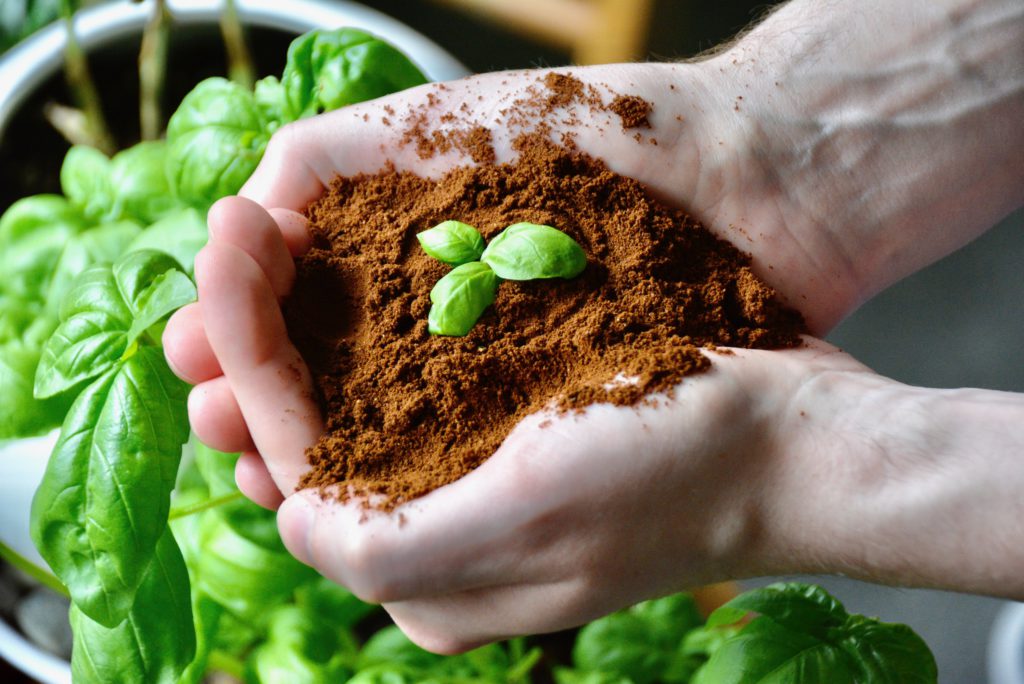
Liquid fertilizers are perfect for balcony or indoor plants because they deliver nutrients gently without overwhelming roots.
● DIY Tea Fertilizer Water
- Collect used tea leaves or tea bags.
- Soak them in 1 liter of water for 24 hours.
- Strain.
- Dilute the mixture (1 part tea water : 2 parts plain water).
- Water your plants once every 2–3 weeks.
This mild brew nourishes your soil and boosts plant vitality, especially in flowering plants.
● DIY Coffee Ground Fertilizer Water
- Add 1 tablespoon of used coffee grounds to 1 liter of water.
- Let it sit overnight.
- Strain out the grounds.
- Dilute before use (1:2 ratio).
Note: Coffee water is slightly acidic—ideal for acid-loving plants like citrus, roses, gardenias, blueberries, and ferns.
3. Boost Your Compost with Tea and Coffee Waste
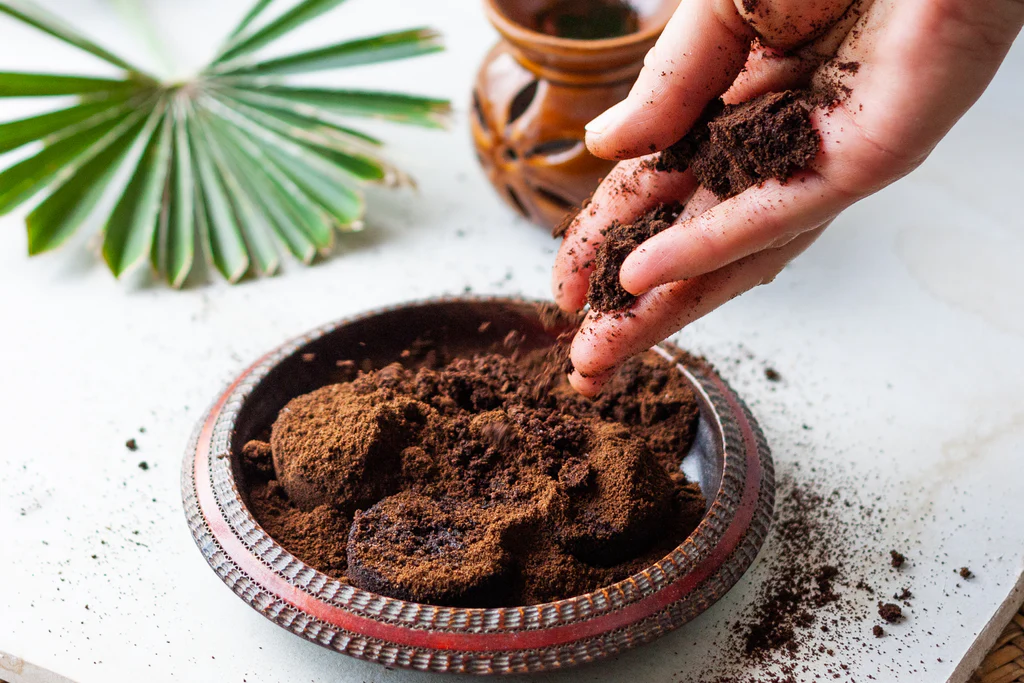
If you compost at home, tea and coffee waste should be a regular addition. They decompose quickly and enrich your compost with nitrogen.
● How Tea Leaves Help Compost
Tea leaves (without milk or sugar) break down fast and help maintain moisture. Tea bags may contain plastic, so always cut them open and compost only the leaves.
● How Coffee Grounds Improve Compost
Coffee grounds are considered a “green” compost material rich in nitrogen. Combine them with “brown” materials like dry leaves, cardboard, or cocopeat for balance.
Perfect Compost Ratio
- 1 part coffee grounds
- 2 parts tea leaves
- 3 parts dry carbon-rich waste
This combination speeds up decomposition and results in a nutrient-packed compost that improves any potting mix.
4. Use Tea and Coffee as Natural Pest Deterrents
Your kitchen waste can also help protect your plants from pests—making them a cheap, chemical-free alternative.
● Coffee Grounds as Pest Control
Coffee has a strong aroma that repels pests like:
- Ants
- Snails
- Slugs
- Cats (keeps them from digging in pots)
Sprinkle grounds around plant bases or create coffee-water spray as a gentle deterrent.
● Tea Leaves as a Mild Fungicide
Tea leaves contain tannins that help combat certain fungal issues. Sprinkle dried tea dust around plants suffering from mild fungal infections, like white mold or root rot.

5. Improve Soil pH Naturally (Especially for Acid-Loving Plants)
Both tea and coffee are mildly acidic—an advantage for plants that thrive in slightly acidic soil.
Plants That Benefit from Acidic Soil
- Azaleas
- Blueberries
- Hydrangeas
- Tomatoes
- Roses
- Ferns
- Rubber plants
- Calatheas
How to adjust pH gently:
Add 1 tablespoon of dried tea leaves or coffee grounds around these plants once every month. Avoid overuse to prevent overly acidic conditions.
6. Use Tea and Coffee in Mulching
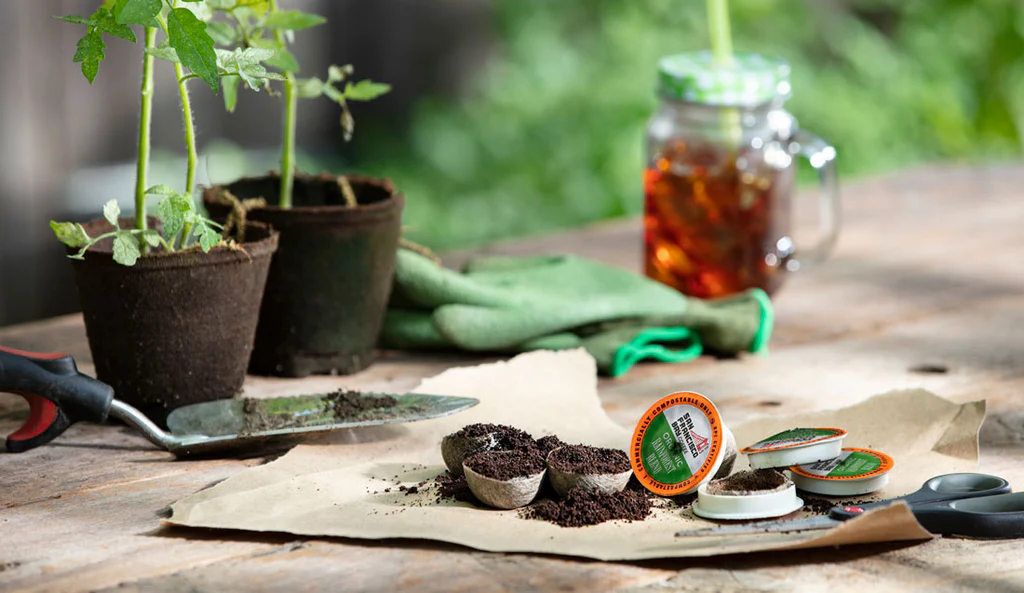
Mulching helps maintain soil moisture, reduce weeds, and regulate temperature—important for small balcony setups exposed to harsh sun.
● Tea Leaf Mulch
Sprinkle dried tea leaves around the plant base, covering the soil. It acts as a fine, moisture-retaining mulch.
● Coffee Grounds Mulch (Light Layer Only)
Use a very thin layer. Too much can compact and repel water.
For best results, mix coffee grounds with:
- Cocopeat
- Dry leaves
- Sawdust
This combination makes a lightweight, nutritious mulch perfect for container gardens.

7. Revive Compost Tea Bags as Seed Starters
Used tea bags (without plastic components) can be repurposed for starting seeds!
Here’s how:
- Squeeze out excess water.
- Cut a small slit in the bag.
- Insert seeds inside the damp tea bag.
- Place in a tray and keep moist.
- Once seedlings sprout, plant them directly into the soil.
Tea bags give seeds a soft, nutrient-rich environment to germinate.
Precautions: What to Avoid
While tea and coffee waste is beneficial, improper use can cause issues. Keep these guidelines in mind:
● Don’t Use Tea with Milk, Sugar, or Flavors
Milk causes fungal issues and pests. Flavored tea leaves often contain oils and chemicals.
● Avoid Overusing Coffee Grounds
Excess coffee can:
- Make soil too acidic
- Slow plant growth
- Block drainage
- Attract pests if used wet
Use sparingly and always dry first.
● Avoid Coffee Grounds for Seedlings
They may inhibit germination because of their high nitrogen concentration.

● Avoid Tea Bags with Plastic
Some store-bought tea bags contain microplastics—empty the leaves and discard the bag.
Conclusion: Turn Your Kitchen Waste into Garden Gold
Reusing tea leaves and coffee grounds is one of the simplest ways to make your gardening more sustainable, economical, and plant-friendly. Whether you use them as fertilizers, pest repellents, compost boosters, or soil improvers, these everyday leftovers can do wonders for your garden.
Small habits like these not only reduce waste but also make your plants grow stronger, greener, and more resilient.