Wheatgrass is widely recognized as a superfood, packed with vitamins, minerals, antioxidants, and chlorophyll. Consuming fresh wheatgrass juice or adding it to smoothies can improve immunity, boost energy, and support overall wellness. While wheatgrass is often sold in stores, growing it at home is easy, cost-effective, and ensures you have a constant supply of fresh, nutrient-rich shoots. This guide provides full information and updates on how to grow wheatgrass at home successfully.
1. Why Grow Wheatgrass at Home?
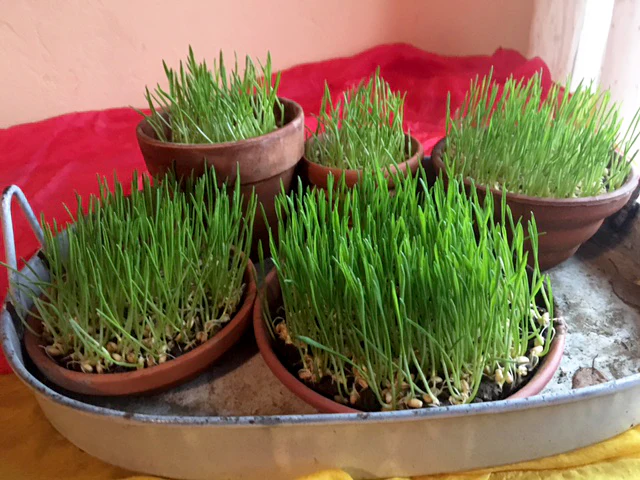
Homegrown wheatgrass offers multiple benefits:
- Freshness: Harvest and consume immediately for maximum nutrients.
- Cost-effective: Growing your own wheatgrass is cheaper than buying pre-packaged products.
- Health benefits: Rich in vitamins A, C, E, K, and B-complex, as well as minerals like iron, calcium, and magnesium.
- Easy cultivation: Requires minimal space and care.
- Sustainable: Reduce packaging waste and avoid store-bought chemical residues.
Whether you have a balcony, kitchen counter, or small indoor space, wheatgrass can be grown year-round with minimal effort.
2. Selecting the Right Wheatgrass Seeds
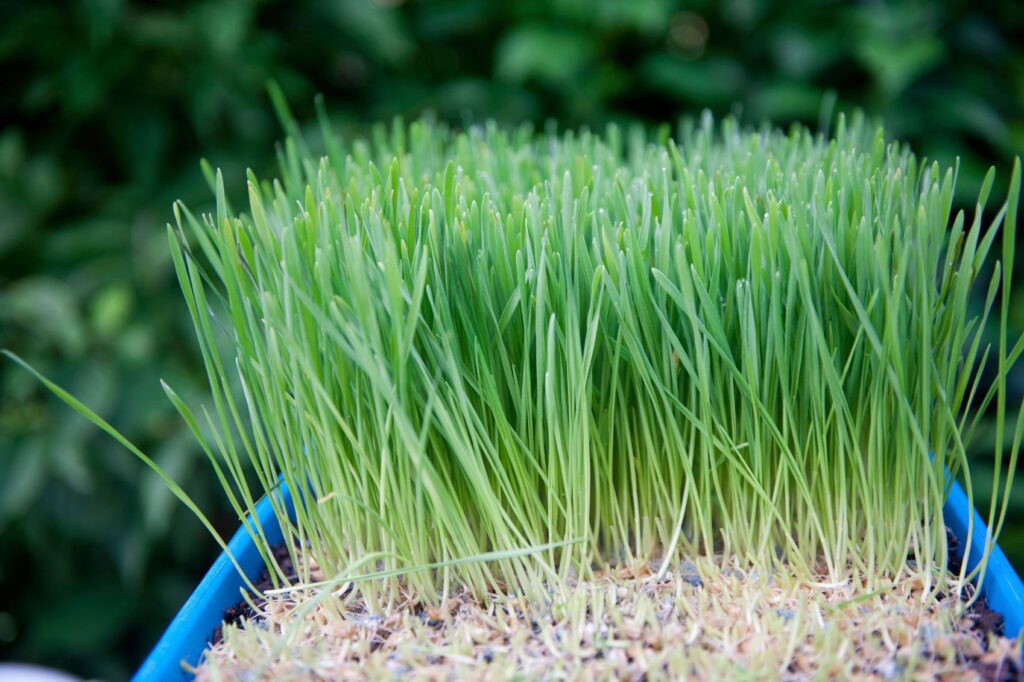
The quality of seeds affects germination, growth, and nutritional content:
- Certified organic seeds: Ensure they are free from pesticides and chemicals.
- Fresh seeds: Check the packaging date; fresh seeds germinate more reliably.
- Soft wheat (Triticum aestivum): Commonly used for wheatgrass due to fast growth and high nutrient content.
- Hard wheat: Can be used but may take slightly longer to sprout.
Choosing high-quality seeds ensures strong, healthy shoots for maximum nutrition.
3. Preparing Wheatgrass Seeds for Germination
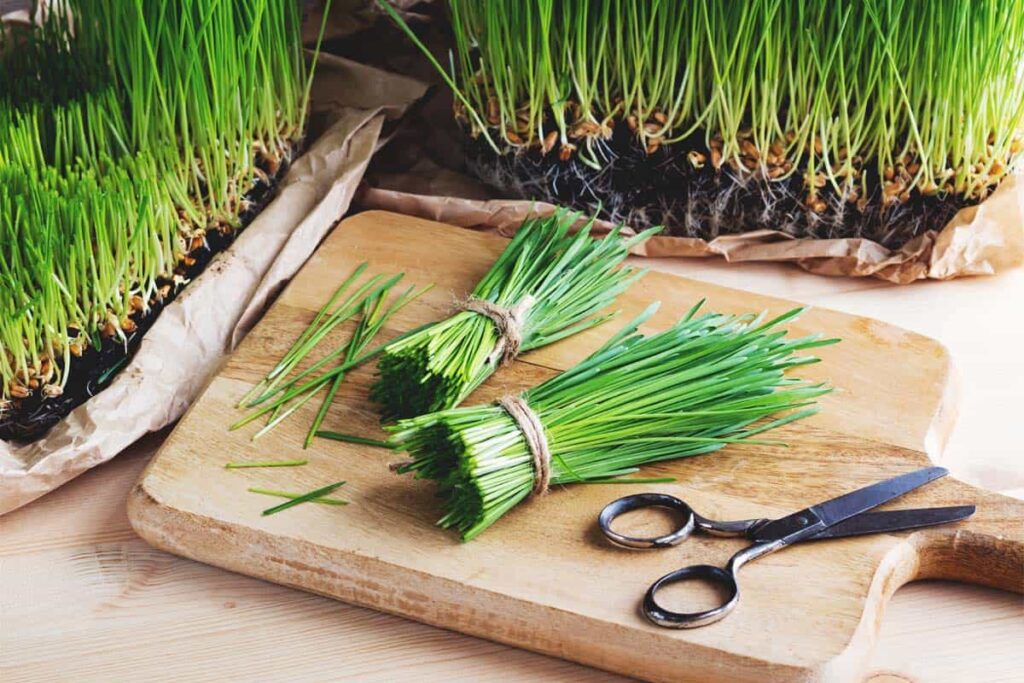
Proper seed preparation ensures fast and uniform germination:
- Soaking: Soak seeds in clean water for 8–12 hours to soften the outer shell.
- Rinsing: Drain and rinse seeds thoroughly to remove any dirt or debris.
- Sprouting: Spread seeds evenly in a jar or tray, and rinse twice daily for 1–2 days until small sprouts appear.
Pre-soaked and sprouted seeds produce healthy, fast-growing wheatgrass shoots.
4. Choosing Containers and Growing Medium
Wheatgrass grows best in shallow containers with proper drainage:
- Containers: Shallow trays, seedling trays, or even small baking dishes work well. Ensure drainage holes are present to prevent waterlogging.
- Growing medium: Use organic potting soil, coco peat, or a seed-starting mix. Avoid garden soil, which may contain pests.
- Soil depth: A depth of 1–2 inches is sufficient for wheatgrass.
The right container and medium create optimal conditions for root and shoot development.
5. Planting Wheatgrass Seeds
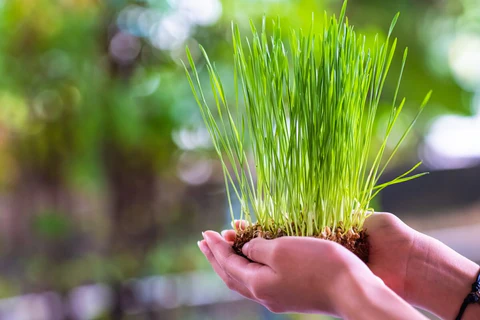
Planting correctly ensures uniform growth and healthy shoots:
- Seed spreading: Spread soaked seeds evenly across the soil surface. Overcrowding may cause mold or uneven growth.
- Soil coverage: Lightly cover seeds with ¼ inch of soil or press them gently into the medium.
- Watering: Mist the seeds lightly to moisten the soil. Avoid overwatering, which can rot seeds.
Correct planting sets the foundation for healthy, nutrient-rich wheatgrass.
6. Light and Temperature Requirements
Wheatgrass grows well under controlled light and temperature:
- Light: Place the tray near a sunny window for 4–6 hours of indirect sunlight daily. Artificial grow lights can be used indoors.
- Temperature: Ideal growth occurs at 18–24°C (65–75°F). Avoid exposing seedlings to extreme heat or frost.
- Air circulation: Maintain good airflow to prevent mold and fungal growth.
Proper light and temperature ensure strong shoots and vibrant green color.
7. Watering and Daily Care

Consistent care is key to successful wheatgrass cultivation:
- Moisture: Keep the soil consistently moist, but not waterlogged. Mist the tray daily or water gently from the bottom.
- Preventing mold: Avoid standing water and maintain good airflow. Remove any moldy shoots promptly.
- Rotation: Rotate trays daily to ensure uniform light exposure for even growth.
Routine care promotes healthy, fast-growing wheatgrass.

8. Harvesting Wheatgrass
Wheatgrass is ready to harvest within 7–10 days after planting:
- Height: Cut shoots when they reach 6–8 inches tall. Younger shoots are sweeter and more tender.
- Cutting method: Use sharp scissors or a knife to cut wheatgrass just above the soil line. Avoid pulling out the roots.
- Multiple harvests: In some cases, wheatgrass can produce a second crop from the same roots.
Regular harvesting ensures a continuous supply of fresh wheatgrass.
9. Storing and Using Wheatgrass
Freshly harvested wheatgrass is highly perishable:
- Immediate use: Juice or blend immediately for maximum nutritional benefits.
- Short-term storage: Store in an airtight container in the refrigerator for up to 2–3 days.
- Freezing: Juice can be frozen in ice cube trays for longer storage.
Using wheatgrass promptly preserves its vitamins, minerals, and antioxidants.
10. Common Problems and Solutions
Growing wheatgrass at home is simple, but minor issues can occur:

- Mold growth: Caused by overwatering or poor airflow. Solution: Mist less, improve ventilation, or sprinkle a thin layer of sand on the soil.
- Yellow shoots: May indicate insufficient light or overwatering. Solution: Move to a brighter location and adjust watering.
- Slow growth: Poor-quality seeds or low temperatures can delay growth. Solution: Use fresh seeds and maintain optimal conditions.
Addressing these issues ensures healthy, fast-growing wheatgrass.
11. Nutritional Benefits of Wheatgrass
Homegrown wheatgrass is a powerhouse of nutrients:
- Vitamins: A, C, E, K, and B-complex vitamins.
- Minerals: Iron, calcium, magnesium, and potassium.
- Antioxidants: Helps reduce oxidative stress and boost immunity.
- Chlorophyll: Supports detoxification and promotes healthy digestion.
Freshly harvested wheatgrass provides maximum health benefits when consumed regularly.
12. Tips for Beginners
- Use fresh seeds: Ensures high germination and healthy growth.
- Keep consistent moisture: Avoid drying out or overwatering.
- Provide adequate light: Even indoor setups need indirect sunlight or grow lights.
- Harvest at the right height: For tender, nutrient-rich shoots.
- Clean trays and tools: Prevents mold and contamination.
Following these tips guarantees a successful wheatgrass-growing experience.
13. Benefits of Growing Wheatgrass at Home
- Freshness: Immediate consumption for maximum nutrient retention.
- Cost-effective: Save money compared to store-bought wheatgrass.
- Year-round growth: Easily grown indoors, regardless of season.
- Easy cultivation: Minimal space and low maintenance.
- Health booster: Supports immunity, detoxification, and energy.
Homegrown wheatgrass provides an accessible, sustainable, and nutritious addition to your diet.

Conclusion
Growing wheatgrass at home is an easy, rewarding, and cost-effective way to enjoy fresh, nutrient-packed greens. By selecting high-quality seeds, preparing them properly, planting in suitable containers with well-draining soil, and providing optimal light, water, and care, beginners can achieve a continuous supply of wheatgrass in just 7–10 days.
This complete guide with full updates ensures gardeners of all experience levels can grow wheatgrass successfully, enjoy its health benefits, and add fresh, green vitality to their daily diet. Start today and watch your wheatgrass thrive from seed to harvest!