Growing flowers from seeds is one of the most rewarding experiences for any gardener. Watching tiny seeds sprout into vibrant, colorful blooms is not only satisfying but also adds beauty and life to your garden. However, many gardeners struggle with low germination rates, wasting seeds and patience. The good news is that with the right techniques, you can achieve 90–95% germination rates and grow your flower seeds quickly and successfully. This comprehensive guide will take you step by step through the process, from selecting seeds to nurturing seedlings until they are ready to bloom.
Why Start Flowers from Seeds?
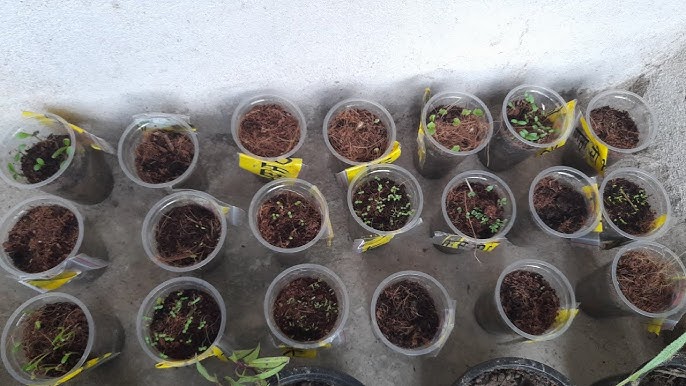
Starting flowers from seeds has several benefits:
- Cost-effective: Seeds are cheaper than mature plants.
- Variety: You can grow rare or specialty flowers not available as seedlings.
- Control: Starting from seeds gives you control over soil, water, and growth conditions.
- Satisfaction: Watching your flowers grow from seed to bloom is a rewarding journey.
- Customization: Grow your garden exactly how you envision it, with a mix of colors, heights, and bloom times.
Flowers like marigolds, cosmos, zinnias, sunflowers, portulaca, and petunias are ideal candidates for seed propagation.
Step 1: Choose High-Quality Seeds
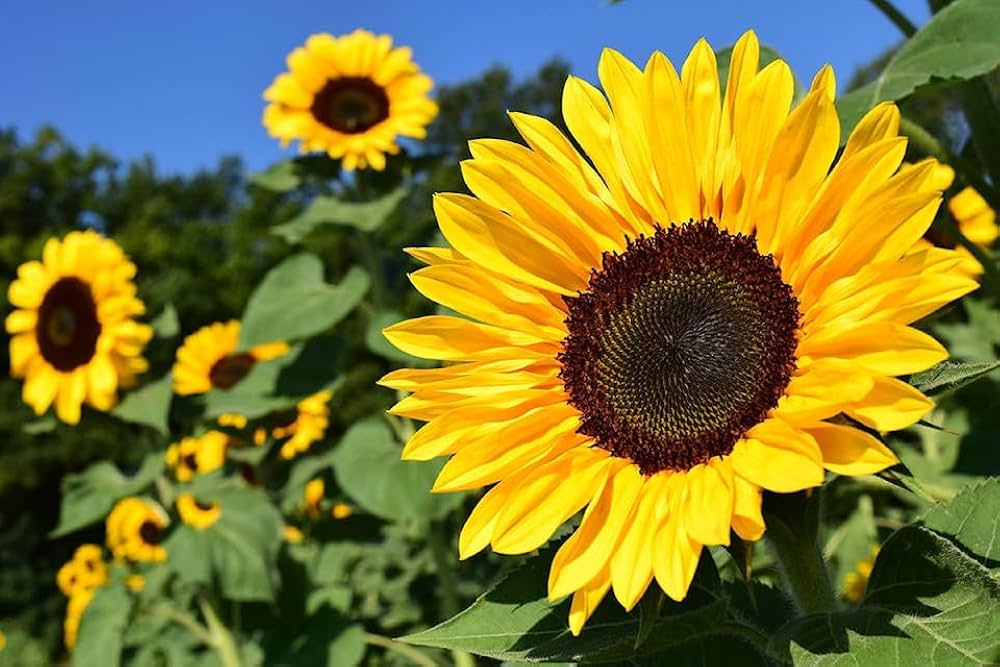
The foundation of high germination rates begins with seed selection:
- Purchase fresh seeds from reliable sources. Old seeds often have reduced germination.
- Choose seeds labeled for high germination or viability.
- Check for visible damage or deformities; discard broken or shriveled seeds.
- Consider hybrid seeds for vigorous growth, although they may not produce true-to-type plants in the next generation.
Tip: Keep seeds in a cool, dry place until you’re ready to plant.
Step 2: Prepare Your Seed-Starting Containers
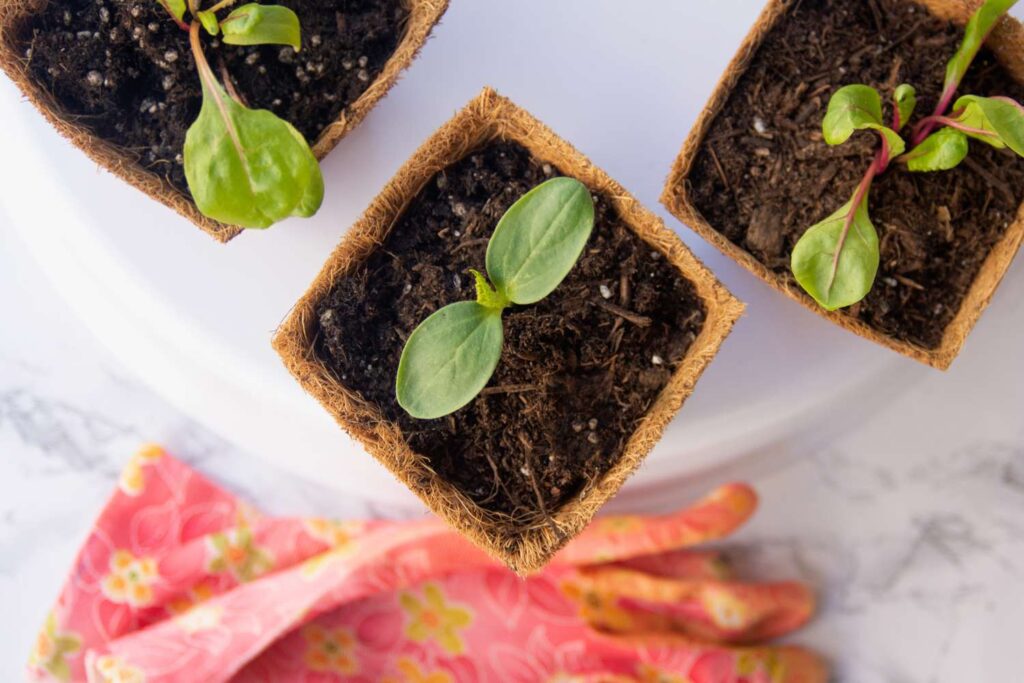
Proper containers make a big difference in germination success:
- Use seed trays, small pots, or even recycled containers with drainage holes.
- Shallow containers are preferred as they make it easier to monitor seedlings.
- Clean your containers with mild soap and water to prevent diseases.
Tip: Using trays allows you to start many seeds at once and transplant them later.
Step 3: Select the Right Soil Mix
Seedlings are delicate and require a well-draining, nutrient-rich medium:
- Use a seed-starting mix, which is lighter than garden soil.
- Avoid heavy or clay soils, which can retain too much moisture and cause seed rot.
- Optional: Add a small amount of sand or perlite to improve drainage and aeration.
Tip: Moisten the soil before planting—damp but not soggy.
Step 4: Plant Seeds at the Correct Depth
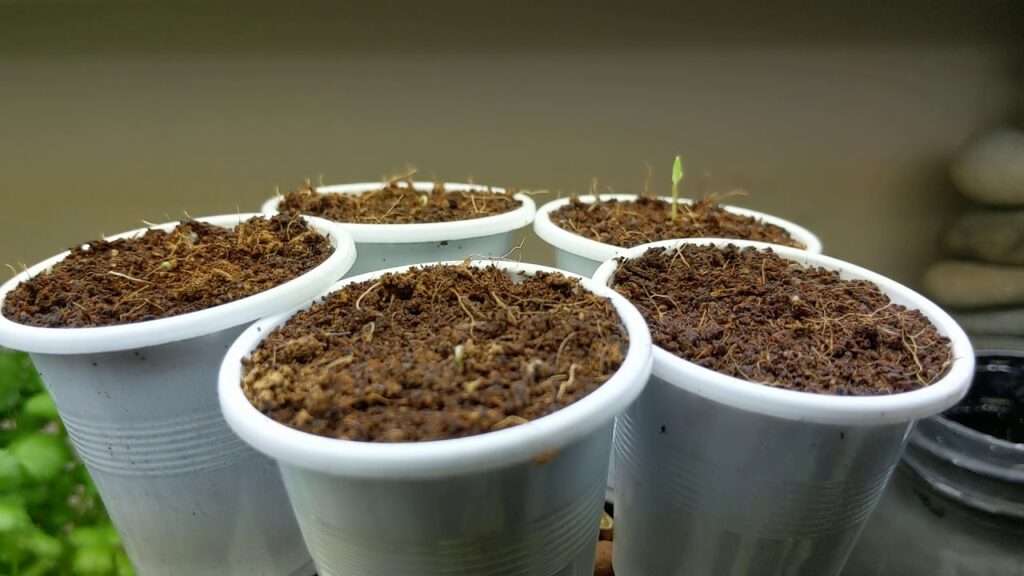
Proper sowing depth is critical for fast germination:
- Follow the seed packet instructions for depth. Small seeds usually need to be barely covered with soil.
- Large seeds like sunflowers or marigolds can be planted slightly deeper (around 0.5–1 inch).
- Lightly press seeds into the soil to ensure good soil-to-seed contact.
Tip: For very fine seeds, surface sowing and covering with a thin layer of vermiculite or soil works best.
Step 5: Provide Optimal Watering
Watering plays a huge role in seed germination:
- Keep the soil consistently moist but avoid waterlogging.
- Use a spray bottle or gentle watering can to prevent displacing seeds.
- Bottom watering can also work—place the tray in a shallow tray of water and let soil absorb moisture.
Tip: Check soil daily; it should feel damp but not soggy.
Step 6: Maintain Ideal Temperature and Light
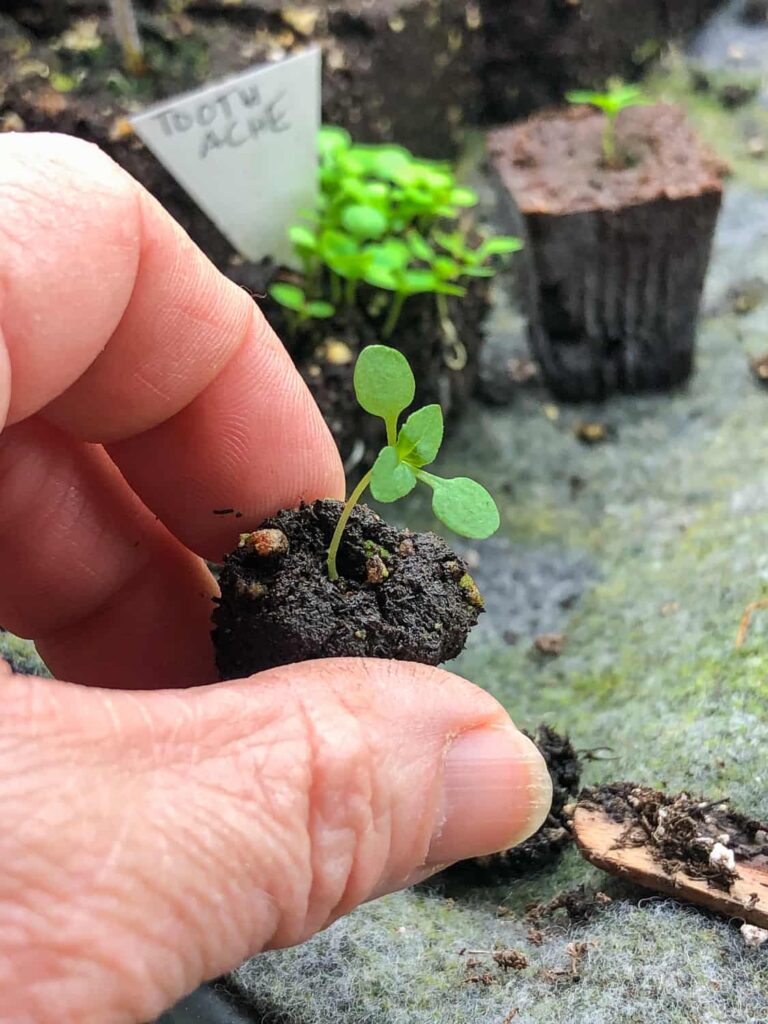
Temperature and light are key to achieving 90–95% germination:
- Most flower seeds germinate best at 20–25°C (68–77°F).
- Keep the seed tray in a warm, well-lit area.
- Avoid direct harsh sunlight on seedlings; filtered light is ideal.
- Consider using a heat mat for seeds that require consistent warmth.
Tip: Adequate light prevents seedlings from becoming leggy and weak.
Step 7: Germination Monitoring and Care
- Seeds usually sprout in 7–21 days, depending on the variety.
- Remove any mold or unhealthy seedlings promptly.
- Ensure proper ventilation to prevent fungal growth.
Tip: Patience is key—do not disturb the soil while waiting for seeds to germinate.
Step 8: Thinning Seedlings
Once seedlings have 2–3 true leaves, it’s time to thin them:
- Select the strongest seedlings and gently remove weaker ones.
- Maintain spacing recommended for the mature plant.
- Transplant thinned seedlings to larger pots if needed.
Tip: Handling seedlings by their leaves rather than stems prevents damage.
Step 9: Hardening Off
Before moving seedlings outdoors, they need to adapt to natural conditions:
- Gradually expose seedlings to sunlight, wind, and outdoor temperatures.
- Start with 1–2 hours of sunlight a day, increasing gradually over a week.
- Water carefully and protect seedlings from strong winds or heavy rain during this period.
Tip: Hardening off strengthens seedlings and reduces transplant shock.

Step 10: Transplanting to the Garden or Larger Pots
Transplant seedlings carefully to encourage strong growth:
- Dig holes slightly larger than the root ball.
- Gently remove seedlings from trays and plant at the same depth they were growing.
- Water immediately after transplanting.
- Mulch around seedlings to retain moisture and reduce weeds.
Tip: Avoid transplanting during the hottest part of the day; early morning or late afternoon is ideal.
Step 11: Fertilizing and Maintenance
Healthy seedlings need proper nutrients:
- Use a diluted liquid fertilizer every 2–3 weeks once seedlings are established.
- Avoid over-fertilizing, which can cause excessive foliage at the expense of flowers.
- Regularly monitor for pests like aphids or fungal infections and treat naturally.
Tip: Deadhead early blooms to encourage continuous flowering.
Step 12: Maximizing Flower Production
- Maintain consistent watering and sunlight exposure.
- Space plants adequately to avoid overcrowding.
- Regular pruning and pinching promote branching and more flowers.
- Rotate crops yearly to prevent soil-borne diseases.
Tip: Healthy soil and proper care can lead to a full bloom within 8–10 weeks for most flower varieties.
Bonus Gardening Hacks for Fast Germination
- Pre-soaking seeds: Soak larger seeds like marigold or sunflower in water for a few hours to soften the seed coat.
- Warm environment: Use a seed heat mat to speed up germination for slower seeds.
- Moisture control: Cover seed trays with transparent lids or plastic wrap to retain humidity. Remove as soon as seeds sprout.
- Labeling: Keep track of planting dates and seed varieties for organized gardening.
These small hacks can dramatically improve germination rates and reduce wasted seeds.
Conclusion
Growing flowers from seeds is not only economical and fun but also deeply satisfying. By following these steps—selecting quality seeds, preparing soil and containers, planting at the correct depth, providing optimal water, light, and temperature, thinning seedlings, and properly transplanting—you can achieve an impressive 90–95% germination rate.
Whether you’re planting marigolds, cosmos, petunias, or portulaca, these techniques ensure healthy seedlings that grow into vibrant, flourishing flowers. Fast germination, strong growth, and stunning blooms are now within your reach.
Start your flower seeds today, follow this guide carefully, and enjoy a garden full of color and life in no time! With consistent care and attention, your seeds will transform into a breathtaking floral display that will delight your eyes and your garden.