There’s a quiet revolution happening right outside our doors — one that begins with soil, sunlight, and a handful of seed potatoes. In a world where most of our food travels thousands of miles before reaching our plates, the idea of growing your own produce brings a refreshing sense of independence, freshness, and sustainability. And at the heart of this backyard movement lies one of the most rewarding crops of all — the potato.
Easy to grow, rich in nutrients, and endlessly versatile in the kitchen, potatoes make the perfect crop for gardeners of all skill levels. The Backyard Potato Plan isn’t just about cultivating food — it’s about creating a cycle of nourishment, connection, and self-reliance. From the first sprout breaking through the soil to the satisfying aroma of a homemade potato dish, the journey from garden to plate tells a story of care, sustainability, and joy.
Let’s explore this journey step by step — from planting to harvesting, cooking to savoring — and discover how backyard potatoes can enrich both your table and your life.
1. Why Potatoes Are Perfect for the Backyard Gardener
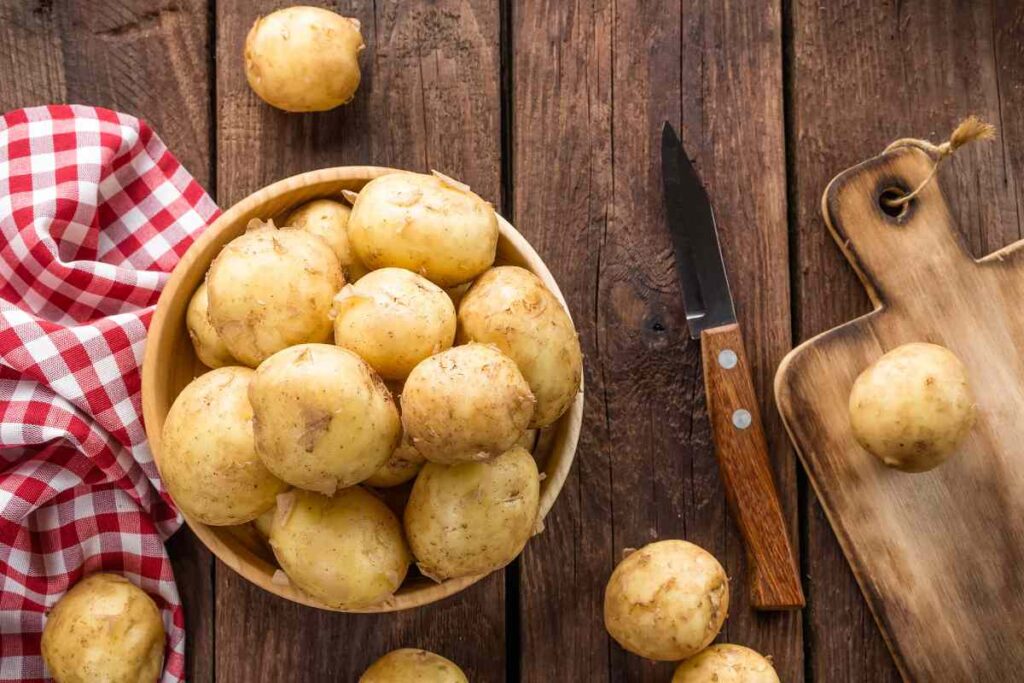
Potatoes are among the easiest and most rewarding vegetables to grow at home. They’re resilient, adaptable, and capable of thriving in containers, raised beds, or open soil. For busy families, beginners, or eco-conscious food lovers, potatoes offer both simplicity and abundance.
Key Reasons to Grow Potatoes:
- High Yield: One small patch or container can produce several kilograms of potatoes.
- Low Maintenance: With minimal care, potatoes thrive in a range of climates.
- Versatility: They can be used in dozens of recipes — mashed, baked, roasted, or fried.
- Long Storage Life: Properly stored, they provide food for months.
- Sustainability: Growing your own potatoes reduces waste and cuts down on the environmental impact of industrial farming.
Whether you have a sprawling backyard or a small patio, potatoes can fit seamlessly into your lifestyle, turning even a modest space into a source of homegrown nourishment.
2. Preparing the Soil: The Foundation of Success
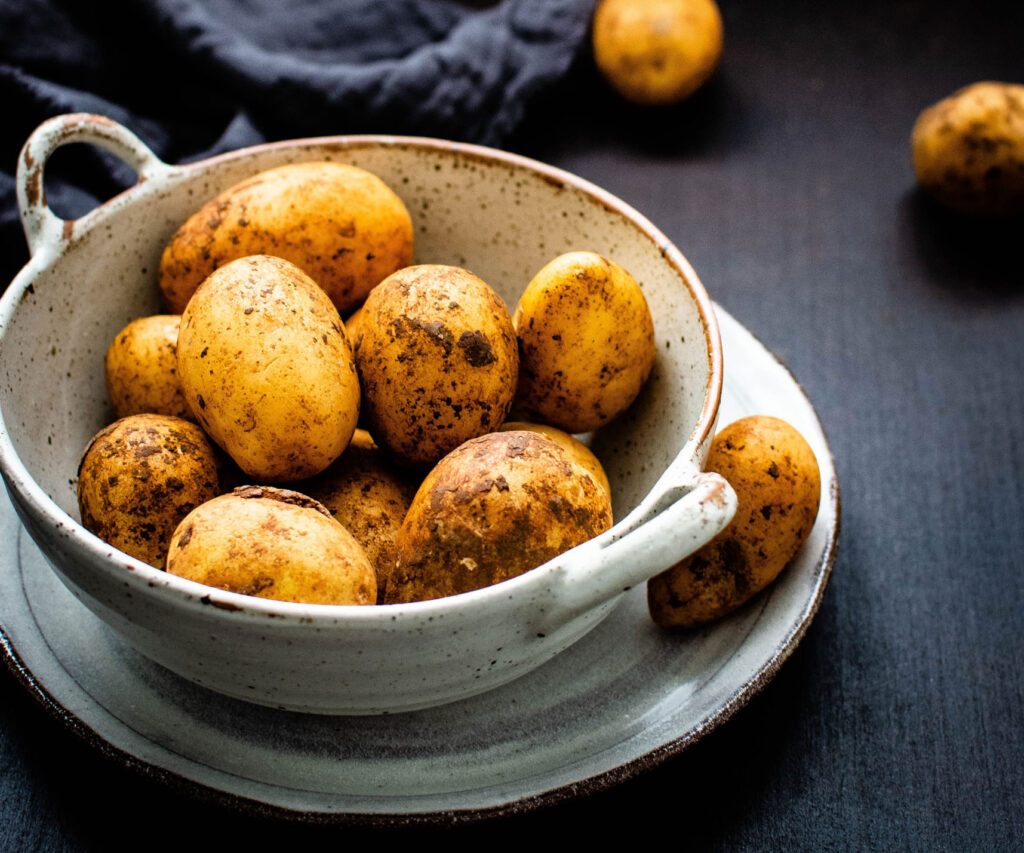
Healthy soil means healthy potatoes. Before planting, it’s important to prepare your garden bed properly to ensure your tubers have the nutrients and space they need to thrive.
a. Choose the Right Location
Select a sunny spot that receives at least 6–8 hours of sunlight daily. Potatoes love warmth and light — the more sun, the better your yield.
b. Improve the Soil
Potatoes grow best in loose, well-drained, slightly acidic soil (pH 5.0–6.0). Mix in compost or well-rotted manure to enhance fertility. Avoid using fresh manure — it can cause scab disease on the tubers.
c. Rotate Crops
Avoid planting potatoes in the same soil year after year. Rotate them with legumes or leafy greens to prevent soil depletion and reduce pest buildup.
3. Choosing and Planting Seed Potatoes
Your backyard potato journey begins with seed potatoes — small tubers specifically grown for planting. Unlike store-bought potatoes, these are disease-free and sprout readily.
a. Chitting (Sprouting)
Place your seed potatoes in a bright, cool area for 2–3 weeks until short, sturdy shoots (called “chits”) appear. This step gives your plants a head start once planted.
b. Planting Process
- Timing: Plant after the last frost, when soil temperatures reach at least 45°F (7°C).
- Spacing: Bury each seed potato (with 2–3 “eyes”) 3–4 inches deep and 12 inches apart in rows.
- Covering: Lightly cover with soil, and as plants grow, hill soil around the stems to protect new tubers from sunlight.
Hilling also encourages more potatoes to form along the buried stem — a simple technique that boosts yield.
4. Caring for Your Potato Plants
Once planted, potatoes are low-maintenance but still benefit from consistent care.
a. Watering
Keep the soil evenly moist but not waterlogged. Overwatering can cause tuber rot, while underwatering reduces yield. About 1 inch of water per week is ideal.
b. Weeding
Remove weeds regularly to prevent competition for nutrients and water. Mulching with straw or leaves helps suppress weeds and retain moisture.
c. Pest Control
Common pests include Colorado potato beetles and aphids. Try natural controls like neem oil, handpicking, or introducing beneficial insects like ladybugs.
With attentive care, your plants will flourish, covering your garden with lush green foliage and delicate white or purple flowers.
5. Harvest Time: Digging Up Gold
Harvesting potatoes is one of the most exciting moments for any gardener. The feeling of unearthing your own food is both nostalgic and fulfilling.
a. When to Harvest
- For New Potatoes: Harvest 2–3 weeks after flowering, when tubers are small and tender.
- For Mature Potatoes: Wait until the foliage turns yellow and dies back, usually 3–4 months after planting.
b. How to Harvest
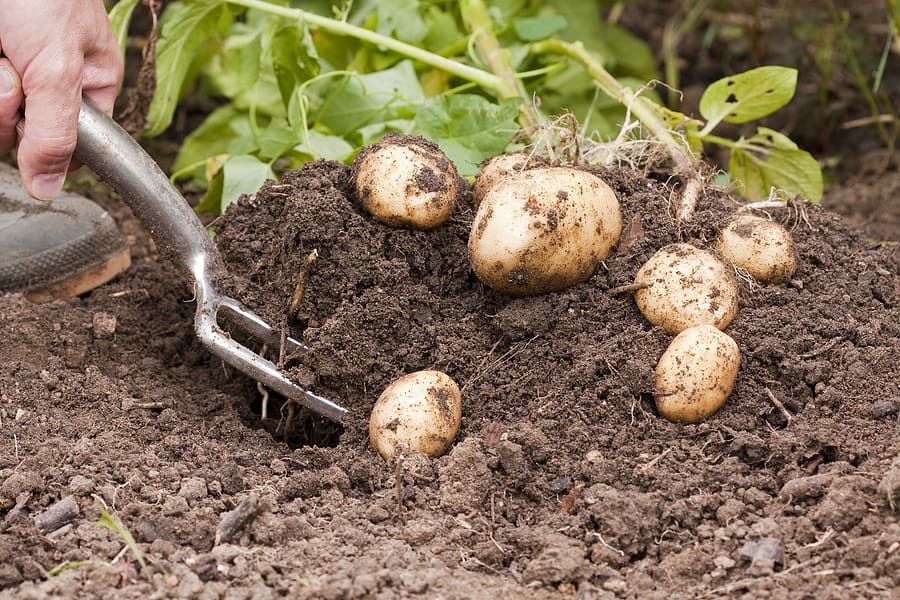
Use a garden fork to gently loosen the soil, taking care not to pierce the tubers. Shake off excess soil, and allow them to air-dry for a few hours before storage.
6. Storing Your Homegrown Harvest
To enjoy your backyard bounty long after harvest, proper storage is key.
a. Curing
Place potatoes in a dark, ventilated area (around 50–60°F) for 10–14 days. This toughens their skins, making them last longer.
b. Long-Term Storage
After curing, move them to a cool, dark, and dry location such as a cellar or pantry. Avoid refrigeration, which converts starches into sugar and alters flavor.
Stored properly, homegrown potatoes can stay fresh for up to 6 months, ready to be turned into comforting meals all year long.
7. From Garden to Plate: Cooking with Backyard Potatoes
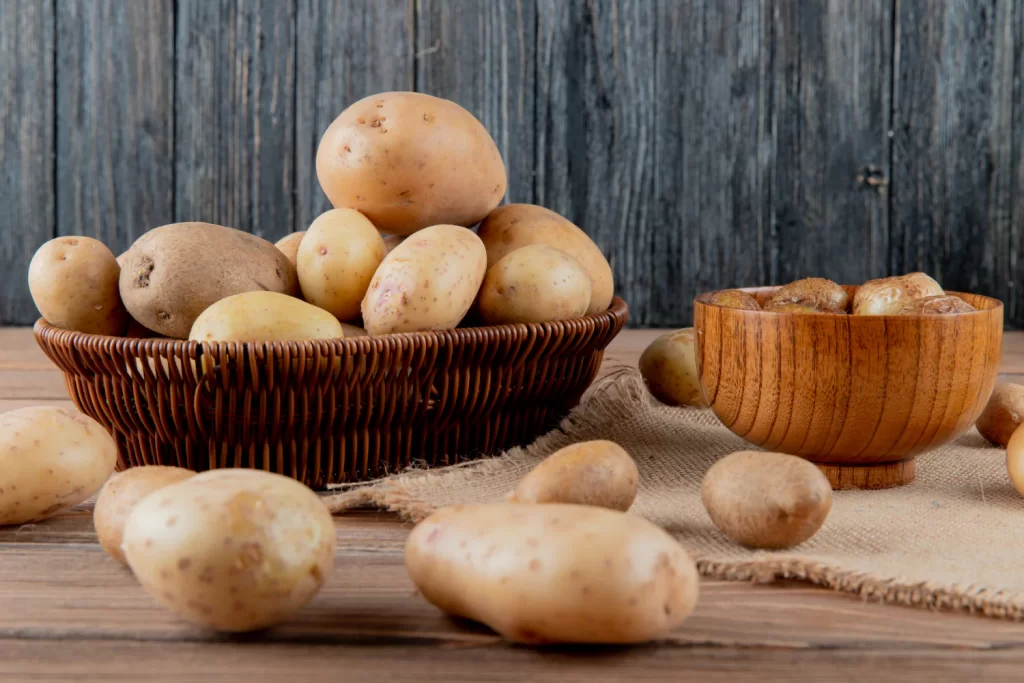
The best part of growing your own potatoes is transforming them into delicious, comforting dishes. Their earthy flavor and creamy texture make them perfect for a variety of vegetarian meals.

a. Classic Mashed Potatoes
Boil peeled potatoes until tender, then mash with warm almond milk, olive oil, and roasted garlic for a creamy, dairy-free side dish.
b. Crispy Oven-Roasted Potatoes
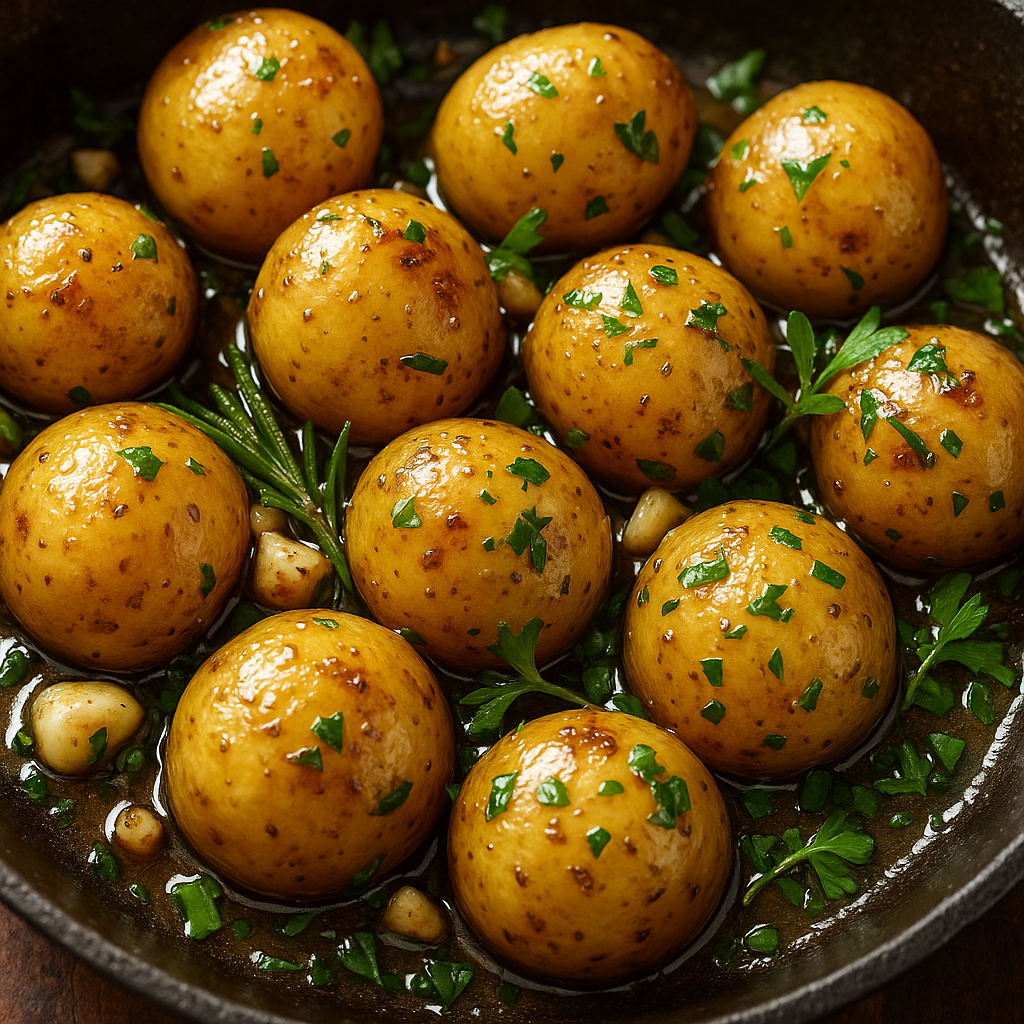
Cut potatoes into cubes, toss with olive oil, rosemary, and sea salt, and roast until golden. Perfect alongside salads or veggie burgers.
c. Potato and Lentil Stew
Combine diced potatoes with lentils, carrots, onions, and tomatoes for a hearty, protein-packed comfort meal.
d. Potato Salad with Herbs
Mix boiled potatoes with fresh parsley, mustard, lemon juice, and olive oil for a refreshing plant-based salad.
e. Vegetable Shepherd’s Pie
Layer mashed potatoes over a base of sautéed vegetables and lentils, then bake until golden. This is the ultimate “garden-to-plate” comfort classic.
Each dish embodies the true spirit of the backyard potato plan — simple, nourishing, and made with ingredients grown by your own hands.
8. Nutritional Benefits for the Whole Family
Potatoes are often misunderstood as just “carbs,” but they’re actually packed with essential nutrients that make them a healthy addition to vegetarian diets.
Health Highlights:
- Vitamin C: Strengthens immunity and aids iron absorption.
- Potassium: Helps regulate blood pressure.
- Vitamin B6: Supports brain and nerve function.
- Fiber: Promotes digestion and fullness.
- Low Fat and Gluten-Free: Ideal for balanced, family-friendly meals.
When cooked with wholesome ingredients like vegetables, beans, or olive oil, potatoes become a nutritional powerhouse — the heart of nourishing family dinners.

9. The Sustainability of Backyard Potato Growing
Every home garden is a small but powerful step toward sustainability. Growing potatoes at home contributes to environmental health in meaningful ways.
- Reduced Food Miles: Your dinner ingredients travel zero kilometers from garden to kitchen.
- No Packaging Waste: No plastic bags or cardboard boxes.
- Composting Opportunities: Potato peels and garden scraps return nutrients to the soil.
- Biodiversity: A backyard garden supports pollinators and soil organisms.
By turning your backyard into a mini-farm, you become part of a global movement toward local, eco-conscious living — one potato at a time.
10. The Emotional Reward: Growing, Cooking, and Sharing
There’s a deep satisfaction that comes from serving a meal made from your own garden. Each bite carries the effort, patience, and love poured into nurturing your plants.
When you dig up your first batch of potatoes, you’re not just harvesting food — you’re harvesting experience. When you cook them into a warm stew or crispy roast, you’re savoring the reward of self-sufficiency. And when you share that meal with your family, you’re passing on a tradition of sustainability and care.
This emotional connection — from soil to supper — is what makes backyard gardening so meaningful. It transforms cooking from a daily chore into an act of gratitude.
11. Common Mistakes and How to Avoid Them
Even with an easy crop like potatoes, a few simple errors can affect your success. Here’s how to keep your backyard plan thriving:
- Overwatering: Causes rot. Keep soil moist but not soggy.
- Skipping Hilling: Exposed tubers turn green and become inedible.
- Planting Too Early: Frost can damage sprouts — wait for warm soil.
- Using Store Potatoes: Often treated to prevent sprouting — always use seed potatoes.
- Poor Storage: Exposure to light causes greening — store in complete darkness.
Avoiding these pitfalls ensures healthy plants and a plentiful harvest.
12. Conclusion: The True Meaning of the Backyard Potato Plan
The Backyard Potato Plan is more than just a gardening project — it’s a lifestyle shift. It’s about reclaiming control over what we eat, reconnecting with nature, and finding joy in the simple act of growing our own food.
From the first sprout in the soil to the warm, savory aroma in your kitchen, potatoes remind us of the cycle of life and nourishment. They prove that comfort food doesn’t have to come from a store or factory — it can come from your own backyard, fresh and full of life.
By planting, tending, harvesting, and cooking your own potatoes, you complete a full-circle journey — from garden to plate — and rediscover the true flavor of sustainability, health, and homegrown happiness.