In today’s fast-paced world, where convenience often outweighs nutrition, growing your own food offers a refreshing path back to health, flavor, and sustainability. Among all the vegetables you can cultivate at home, potatoes hold a special place. They’re hearty, versatile, and form the foundation of countless plant-based meals — from creamy soups and crispy fries to nourishing stews and savory casseroles.
Learning how to grow potatoes for wholesome plant-based meals isn’t just about gardening; it’s about cultivating a healthier, more mindful lifestyle. When you grow your own potatoes, you control what goes into the soil, ensure chemical-free produce, and rediscover the natural richness of real food. Whether you’re a beginner gardener or a seasoned green thumb, potatoes are one of the most rewarding and forgiving crops to start with.
Let’s explore how you can turn a few seed potatoes into an abundant harvest — and transform those golden tubers into nutritious, plant-based dishes straight from your backyard.
1. Why Potatoes Are Essential for Plant-Based Living
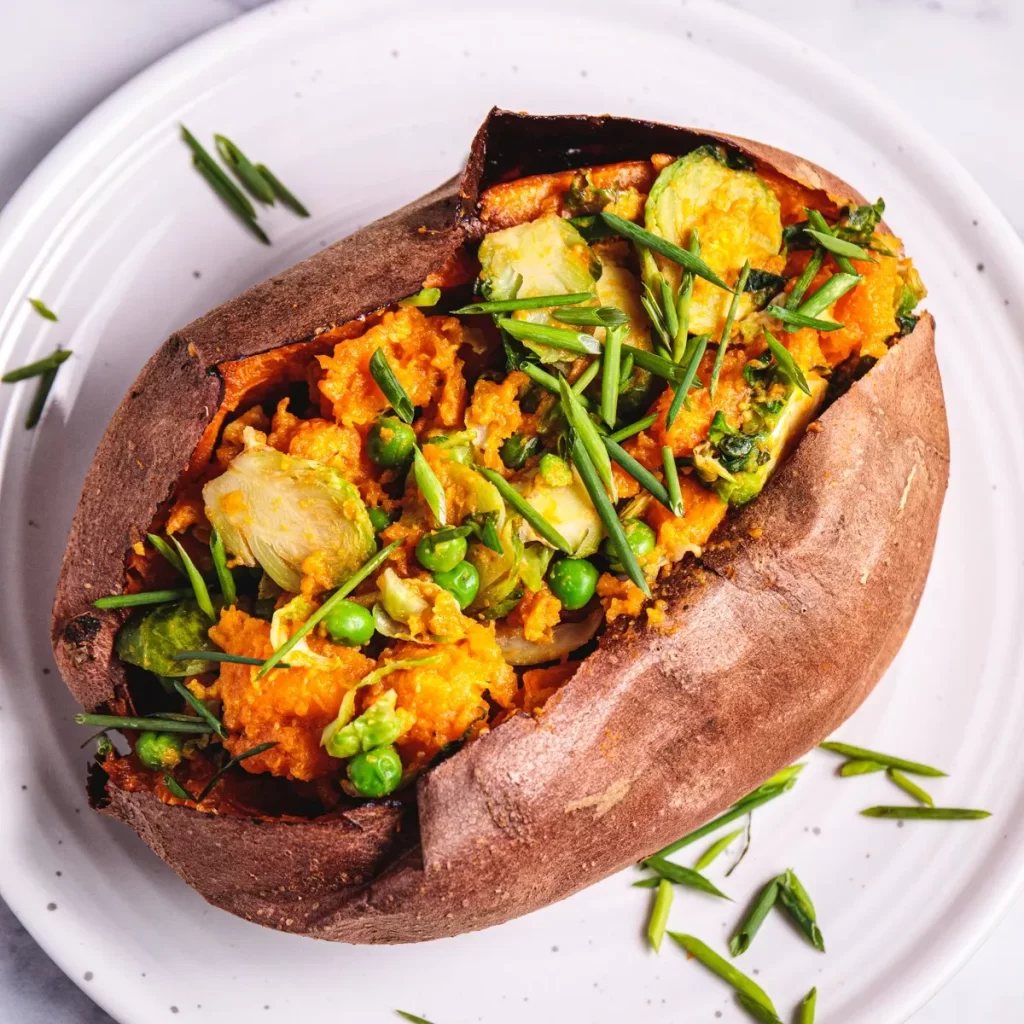
Potatoes have often been misunderstood — dismissed as a starchy filler rather than a wholesome food. In reality, they are one of the most nutrient-rich vegetables you can eat. For those following a plant-based diet, potatoes serve as both a satisfying base and a nutrient powerhouse.
Nutritional Highlights:
- Complex Carbohydrates: Provide long-lasting energy without blood sugar spikes.
- Fiber: Promotes digestive health and fullness.
- Vitamin C: Boosts immunity and supports collagen production.
- Potassium: Helps regulate blood pressure.
- B Vitamins: Support metabolism and nerve health.
- Antioxidants: Found especially in colored varieties like purple and red potatoes.
When cooked healthfully — baked, steamed, roasted, or boiled — potatoes can become the heart of a balanced, plant-powered meal. Growing them yourself makes that meal even more meaningful.
2. Choosing the Right Potato Varieties for Your Garden

Different potato varieties serve different culinary purposes. Choosing the right one depends on the kind of plant-based meals you love to make.
a. Waxy Potatoes
These hold their shape after cooking — perfect for salads and soups.
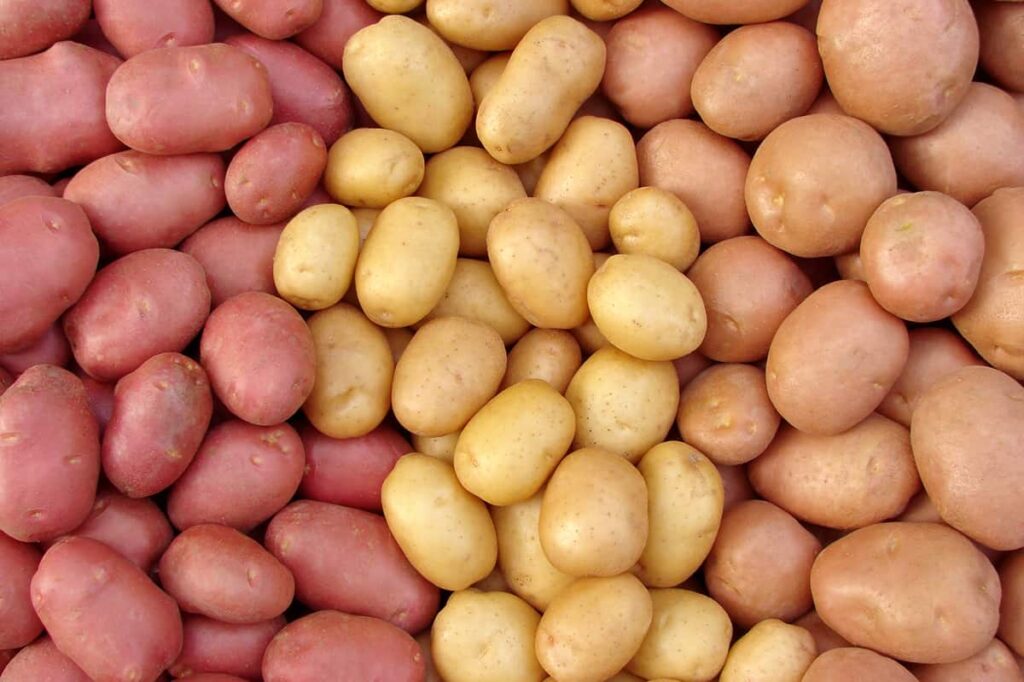
Examples: Red Norland, Fingerling, Yellow Finn
b. Starchy Potatoes
These break down easily and create a creamy texture, ideal for mashing or thickening soups.
Examples: Russet Burbank, King Edward
c. All-Purpose Potatoes
Balanced texture and moisture make them suitable for most dishes.
Examples: Yukon Gold, Kennebec
Planting a mix of varieties gives you flexibility in the kitchen and a more diverse harvest.
3. Preparing the Perfect Growing Environment

Potatoes are surprisingly resilient but thrive best in well-drained, nutrient-rich soil. Preparing the ground properly ensures strong, healthy plants and a generous yield.
Step 1: Select a Sunny Spot
Choose a location that receives at least 6–8 hours of sunlight daily. Potatoes love warmth and consistent exposure to light.
Step 2: Prepare the Soil
- Loosen the soil to a depth of about 10 inches.
- Mix in organic compost or well-rotted manure.
- Ensure the soil pH is slightly acidic (between 5.0 and 6.5).
- Avoid compacted or soggy soil, which can lead to rot.
Step 3: Plan Crop Rotation
Never plant potatoes in the same soil two years in a row. Rotate with legumes, leafy greens, or grains to prevent disease buildup and nutrient depletion.
4. Planting: The Start of Your Potato Journey
a. Preparing Seed Potatoes
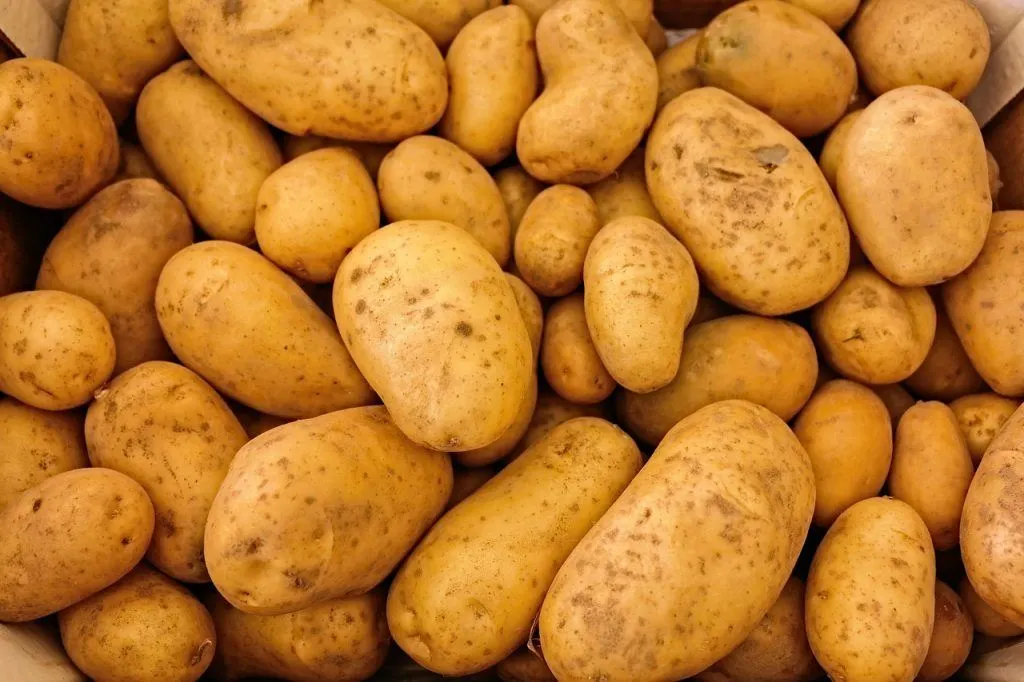
Buy certified, disease-free seed potatoes from a garden center. Avoid grocery store potatoes — they are often treated to prevent sprouting.
Cut large seed potatoes into chunks with at least two “eyes” each, and let them dry for 24 hours before planting.
b. Chitting (Pre-Sprouting)
Place your seed potatoes in a bright, cool place for 2–3 weeks until they form sturdy green shoots. This gives them a head start and leads to quicker growth once planted.
c. Planting Method
- Timing: Plant after the last frost, when soil temperatures are above 45°F (7°C).
- Spacing: Bury each seed piece 3–4 inches deep and 12 inches apart in rows 2 feet apart.
- Watering: Keep the soil evenly moist but not waterlogged.
As plants grow, begin the process of “hilling” — gently piling soil around the base of each plant to cover the lower stems. This protects developing tubers from sunlight and encourages more to form.
5. Nurturing Your Potato Plants
Growing potatoes is relatively low-maintenance, but regular care ensures a healthy, disease-free crop.
a. Water Wisely
Potatoes need about 1 inch of water per week. Overwatering can cause rot, while too little water may lead to small tubers. Consistency is key.
b. Fertilize Naturally
Apply organic compost or liquid seaweed fertilizer during early growth. Avoid nitrogen-heavy fertilizers, which promote foliage growth at the expense of tubers.
c. Control Weeds and Pests
Mulch with straw or dried leaves to suppress weeds and retain moisture. Watch for Colorado potato beetles and aphids — remove them by hand or use natural repellents like neem oil.
6. Harvesting: Unearthing the Reward
Harvesting potatoes feels like digging up buried treasure — a tangible reward for your patience and care.
When to Harvest
- For New Potatoes: Two to three weeks after the plants flower. These are small, tender, and perfect for light meals.
- For Mature Potatoes: Wait until the foliage turns yellow and dies back — usually 3–4 months after planting.
How to Harvest
Use a garden fork to gently lift the soil and remove the tubers without piercing them. Shake off excess dirt and let them air-dry for a few hours.
Storage Tips
Cure potatoes for about 10 days in a dark, well-ventilated area at 50–60°F. Then store them in a cool, dry, dark place (like a cellar) for up to 6 months. Avoid refrigeration, as it alters their taste.
7. Cooking Homegrown Potatoes for Wholesome Plant-Based Meals
The true joy of growing your own potatoes is cooking with them. Their fresh, earthy flavor transforms even simple recipes into something special. Here are a few wholesome, plant-based dishes to try:

a. Creamy Potato and Chickpea Curry
Simmer diced potatoes with chickpeas, coconut milk, and spices like turmeric, cumin, and ginger for a hearty, protein-packed meal.
b. Roasted Potato and Vegetable Medley
Toss cubed potatoes with carrots, bell peppers, and zucchini in olive oil, herbs, and garlic. Roast until golden for a colorful, nutrient-rich dinner.
c. Vegan Potato Soup
Blend boiled potatoes with onions, garlic, and cashew cream for a velvety soup that comforts without dairy or added fat.
d. Potato Lentil Shepherd’s Pie
Layer a mixture of lentils, mushrooms, and vegetables beneath a blanket of mashed potatoes. Bake until golden for the perfect comfort food.
e. Herb-Crusted Potato Cakes
Mash boiled potatoes with spinach, breadcrumbs, and herbs, then pan-fry until crispy. Serve with salad or hummus for a light yet filling lunch.
Each of these dishes showcases how homegrown potatoes can serve as the heart of plant-based nutrition — comforting, satisfying, and versatile.
8. Health Benefits of Eating Homegrown Potatoes
When grown organically and cooked thoughtfully, potatoes are a superfood in their own right.
a. Heart Health
Potassium and fiber support healthy blood pressure and cholesterol levels.

b. Weight Management
Potatoes are filling yet low in calories when prepared without heavy oils.
c. Gut Health
The resistant starch in cooled potatoes acts as a prebiotic, nourishing beneficial gut bacteria.
d. Energy and Immunity
Carbohydrates fuel your body, while vitamins C and B6 strengthen immunity and metabolism.
By combining potatoes with greens, beans, and whole grains, you can build nutrient-dense, balanced meals that energize and heal.
9. Environmental and Emotional Rewards
Growing potatoes at home isn’t just beneficial for your diet — it’s a powerful act of sustainability and mindfulness.
- Reduces Waste: You harvest only what you need and compost the rest.
- Cuts Food Miles: No transport emissions, no packaging.
- Improves Soil Health: Crop rotation and composting enrich your garden’s ecosystem.
- Emotional Well-Being: Gardening lowers stress, boosts mood, and creates a deep connection with nature.
Each time you dig up your potatoes, you’re not just collecting food — you’re participating in a cycle of growth, care, and gratitude.
10. Common Mistakes to Avoid
- Overwatering: Can cause rot — keep soil moist, not soaked.
- Planting in Poor Soil: Potatoes need loose, fertile soil to expand.
- Exposing Tubers to Sunlight: Causes greening — always cover with soil or mulch.
- Using Store-Bought Potatoes: These may carry diseases or be chemically treated.
- Neglecting Crop Rotation: Leads to soil fatigue and pest buildup.
Avoiding these pitfalls ensures a healthy harvest every season.
11. Conclusion: Cultivating Nourishment from the Ground Up
Learning how to grow potatoes for wholesome plant-based meals is about far more than gardening — it’s about self-sufficiency, sustainability, and the joy of reconnecting with the food we eat. Every step, from planting the first sprout to serving a warm bowl of potato stew, teaches patience and gratitude.

By growing your own potatoes, you embrace food in its purest form — nourishing, ethical, and full of life. You reduce your carbon footprint, improve your health, and rediscover flavors that store-bought produce can’t match.
So, grab a spade, find a sunny patch, and plant the beginnings of your next meal. When you sit down to enjoy a hearty plant-based dish made from your own garden’s potatoes, you’ll taste not just freshness — but fulfillment, harmony, and the true meaning of homegrown wholesomeness.