Winter can be challenging for indoor plants. Shorter days, lower light levels, dry indoor air, cold drafts, and fluctuating temperatures can stress even the hardiest houseplants. While plants naturally slow their growth during winter, the right care ensures they stay healthy and vibrant until spring returns.
If you’ve ever noticed yellowing leaves, drooping stems, or slowed growth during winter, don’t worry—your plants aren’t dying; they’re simply adjusting. With a few smart adjustments, you can help them thrive throughout the cold months.
In this detailed guide, we’ll explore six essential winter care tips for indoor plants, suitable for all plant lovers—from beginners to seasoned plant parents. These tips will help you maintain lush greenery even in the chilliest months.
1. Adjust Watering: Less is More in Winter
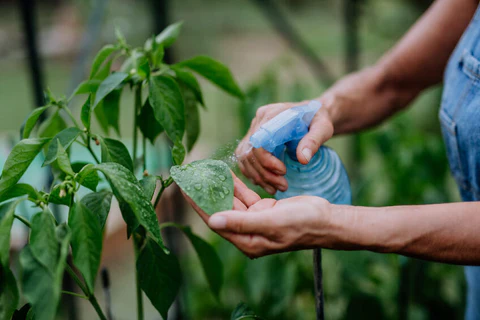
Watering is where most plant owners go wrong during winter. Because plants grow slower in cold weather, they need far less water than in spring or summer.
Why Plants Need Less Water
- Reduced light slows photosynthesis.
- Cooler temperatures decrease evaporation.
- Soil takes longer to dry out.
Signs You’re Overwatering
- Yellow leaves
- Soft, mushy stems
- Mold or fungus on soil
- Drooping despite moist soil
How to Water Correctly in Winter
- Check soil moisture by inserting your finger 1–2 inches deep.
- Water only when the topsoil is dry to the touch.
- Use room-temperature water to avoid shocking roots.
- Water early in the day to allow time for absorption.
Tip
Plants like succulents, cacti, ZZ plants, and snake plants need the least water during winter—sometimes just once every 3–4 weeks.

2. Give Plants Maximum Winter Light
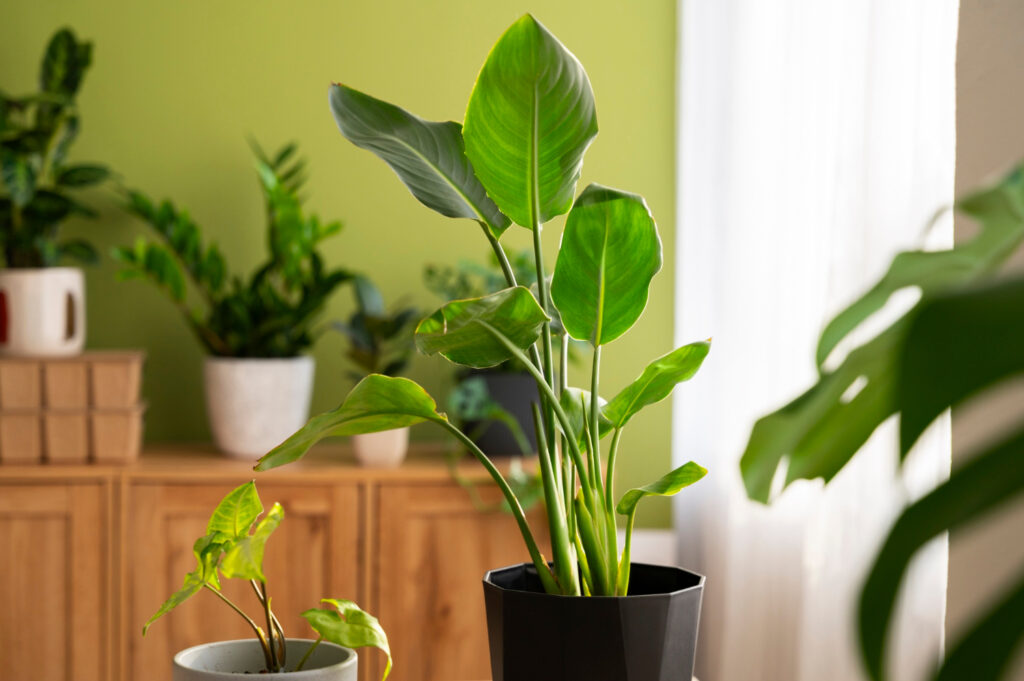
Winter brings shorter days and weaker sunlight, which can stress light-loving plants like rubber plants, monstera, pothos, and herbs.
Why Light Is Crucial
- Light powers photosynthesis.
- Low light causes leggy, weak growth.
- Leaves may pale or drop without enough light.
Ways to Boost Light Exposure
- Move plants closer to south- or west-facing windows.
- Clean dusty leaves so they absorb more light.
- Rotate pots every week to ensure even growth.
- Avoid dark corners and heavily curtained rooms.
Consider Artificial Light
If natural light is limited:
- Use LED grow lights
- Install clip-on grow lamps for small spaces
- Keep lights 12–18 inches above plants
- Provide 8–12 hours of supplemental light
Tip
Avoid placing plants too close to freezing windows—cold glass can damage foliage.
3. Increase Humidity to Combat Dry Winter Air
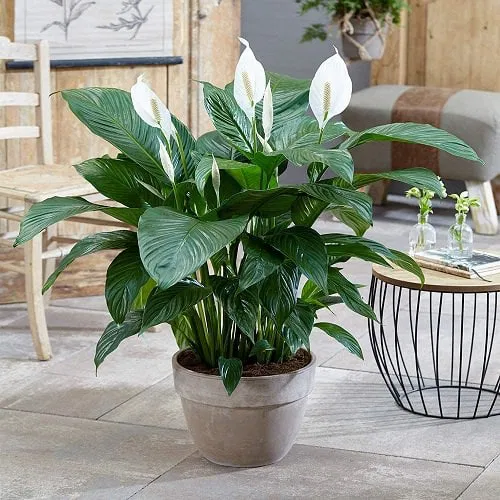
Indoor air becomes very dry during winter, especially when heaters are running. This sudden drop in humidity can cause:
- Brown leaf tips
- Crispy edges
- Wilting
- Soil drying too quickly
Plants That Suffer Most
- Ferns
- Calatheas
- Peace lilies
- Fittonia (nerve plant)
- Tropical plants in general
Simple Ways to Raise Humidity
- Use a humidifier near your plants.
- Group plants together to create a natural humidity pocket.
- Place pebble trays beneath pots filled with water (but not touching roots).
- Mist leaves lightly, but avoid misting plants prone to fungal issues.
Avoid
Placing tropical plants near heaters or radiators—hot dry air causes severe stress.
4. Keep Plants Away from Temperature Extremes
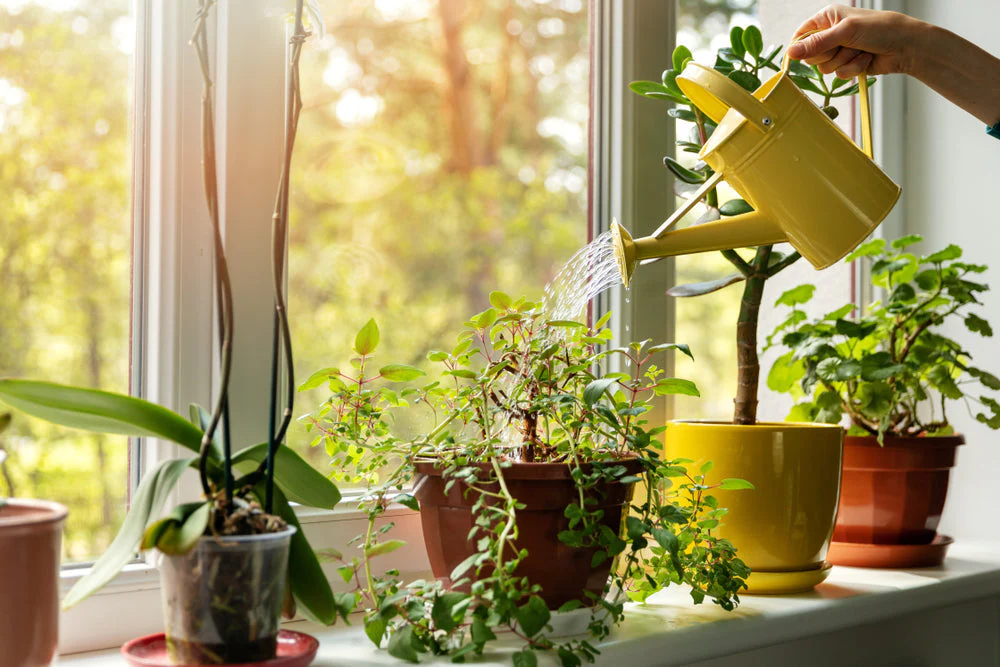
Winter temperatures fluctuate more indoors than you might realize. Cold drafts from windows, doors, or air leaks can shock plants, while hot blasts from heaters or ovens can scorch them.
Temperature Problems to Watch For
- Leaf drop
- Curling leaves
- Slow growth
- Brown spots
- Pests attracted to stressed plants
How to Maintain Stable Temperatures
- Keep plants away from drafty windows or doors.
- Avoid placing them near heaters, fireplaces, or radiators.
- Maintain indoor temperatures between 15°C–24°C (60°F–75°F).
- Use thick curtains at night to block cold.
- Move plants slightly inward from window ledges during freezing nights.
Tip
Place your hand near the plant spot—if it feels too cold or too hot for you, it’s too harsh for your plants as well.
5. Pause Fertilizing—Plants Don’t Need It in Winter
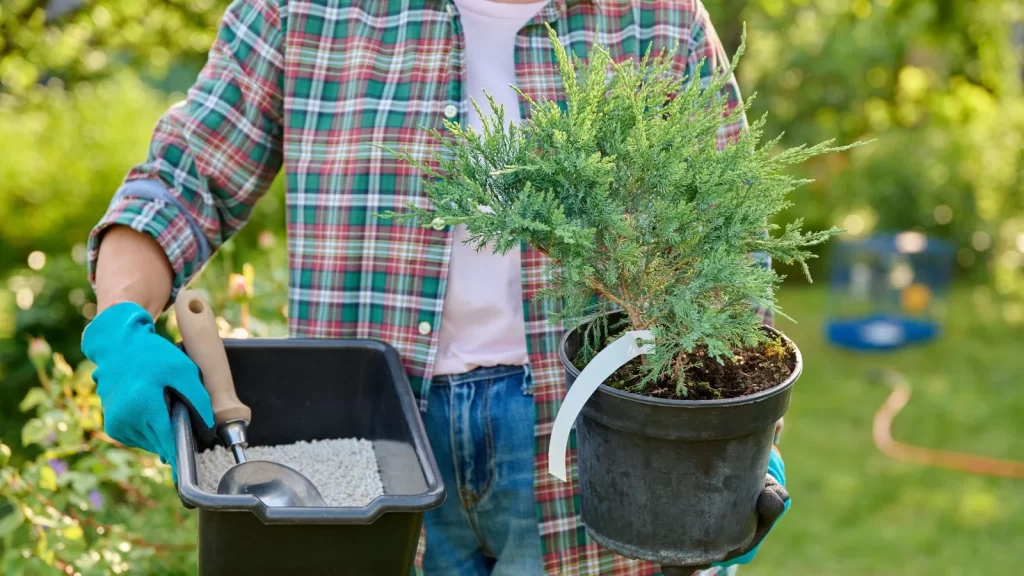
Most indoor plants go dormant or slow their growth during winter. Fertilizing them now can cause root burn or force weak, leggy growth.
Why You Should Avoid Fertilizers in Winter
- Plants are not actively growing.
- Excess nutrients build up in soil.
- Roots become more sensitive in cold conditions.
When to Resume Feeding
Start fertilizing again in:
- Late February
- Early March
When daylight increases, your plants naturally begin growing, making them ready for nutrients again.

Exception
Some winter-blooming plants like Christmas cactus or African violets may need light feeding—but only if actively flowering.
6. Monitor for Pests—Winter Is Prime Time for Infestations
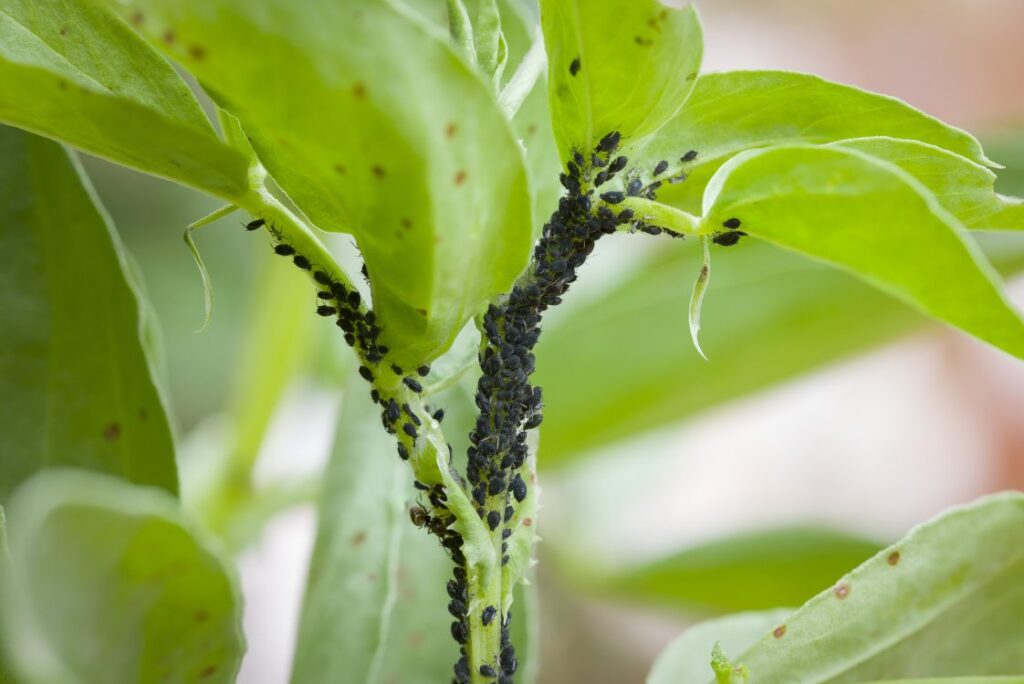
Winter may seem like a quiet period for plant pests, but indoor environments actually encourage them. Low light, dry air, and weakened plants attract insects such as:
- Spider mites
- Mealybugs
- Aphids
- Scale insects
- Fungus gnats
Why Pests Spread Easily in Winter
- Closed windows reduce ventilation.
- Dry air favors mites.
- Overwatering creates ideal conditions for gnats.
- Plants weakened by cold or low light become vulnerable.
How to Prevent and Treat Pests
- Inspect plants weekly—especially underside of leaves.
- Wipe leaves with a soft, damp cloth.
- Use neem oil spray or insecticidal soap.
- Remove heavily infected leaves immediately.
- Keep new plants in quarantine for a week before mixing with others.
Tip
Good air circulation prevents many winter pests, so avoid overcrowding plants in tight corners.
Extra Winter Care Tips for Indoor Plant Success
To keep your plants thriving all winter long, here are some bonus strategies:
1. Repot Only When Necessary
Winter is not an ideal repotting season because roots grow slowly.

- Repot only if roots are severely bound.
- Wait until spring for routine repotting.
2. Dust Leaves Regularly
Dust blocks sunlight and slows photosynthesis—especially problematic in winter.
- Wipe leaves gently using a damp cloth every 2–3 weeks.
3. Use Well-Draining Soil
Winter overwatering is common, so ensure your soil mix is light, airy, and drains well.
4. Avoid Large Temperature Swings
Sudden changes—like opening windows for long periods—can shock tropical plants.
5. Give Plants Rest
Allow them to enjoy their natural seasonal slowdown. Less pressure means healthier growth once spring arrives.
Plants That Need Extra Winter Attention
While all indoor plants appreciate winter care, some are more sensitive than others:

High-Maintenance in Winter
- Calatheas
- Ferns
- Peace lilies
- Fiddle leaf fig
- Boston ferns
Low-Maintenance and Winter Tough
- Snake plant
- ZZ plant
- Pothos
- Rubber plant
- Spider plant
Knowing which plants need more help can simplify your winter care routine.
Final Thoughts
Winter doesn’t have to be a dull or difficult season for your indoor plants. With the right adjustments—less watering, more light, increased humidity, temperature stability, reduced feeding, and pest monitoring—you can keep your plants strong and vibrant throughout the cold months.
As your plants naturally slow down, your care should shift too. Be gentle, observe them closely, and give them the environment they need to rest and rejuvenate. When spring returns, your well-cared-for plants will reward you with fresh growth, lush leaves, and renewed beauty.
By following these 6 winter care tips for indoor plants, you’ll ensure a thriving indoor garden no matter how chilly it gets outside.6 Winter Care Tips for Your Indoor Plants: Keep Them Healthy, Happy & Thriving All Season