Planting flower bulbs in autumn is one of the most rewarding gardening tasks. As the weather cools and the soil becomes moist and workable, bulbs quietly settle underground—storing energy throughout winter. Then, just when the world begins to thaw, they burst into life with vibrant colors, delicate fragrances, and the earliest signs of spring.
If you want a garden that wakes up with a spectacular show, autumn is the perfect time to plant spring-blooming bulbs. These bulbs tolerate winter chill naturally, and the cold period helps them root deeply and bloom richly once warmer temperatures arrive.
Here are 7 bulbs you should plant in autumn to enjoy a bright and beautiful spring garden.
1. Tulips
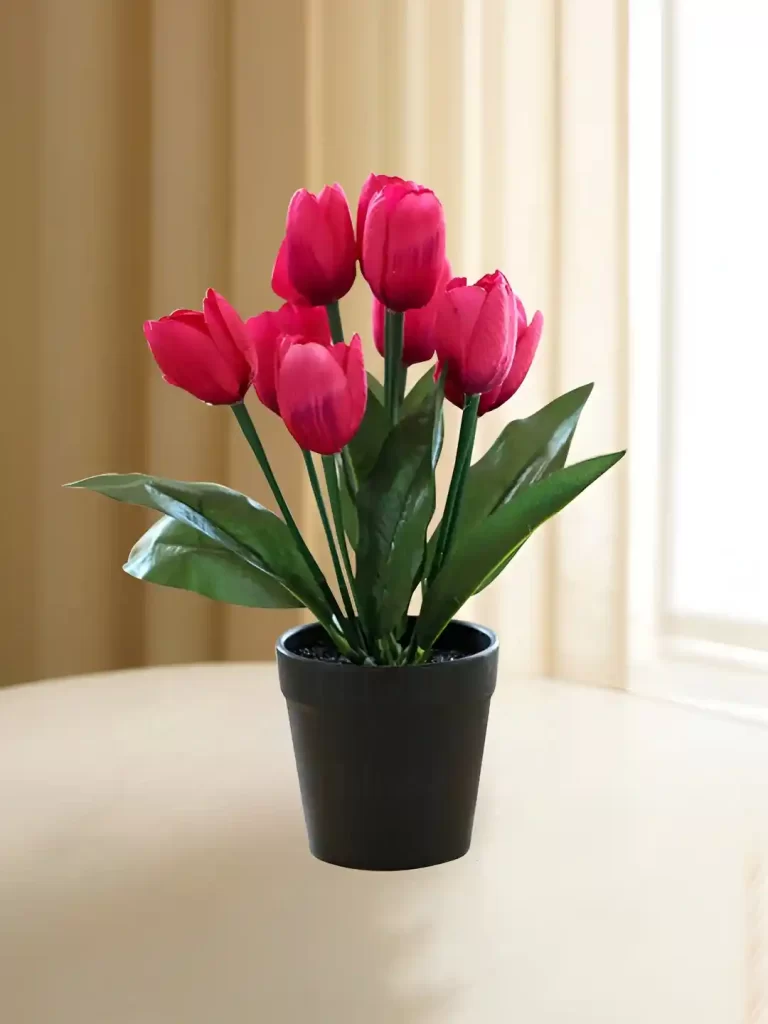
No spring garden is complete without tulips. Available in nearly every color imaginable—reds, pinks, yellows, purples, whites, bi-colors, and even frilled or parrot forms—tulips add instant elegance to your landscape.

Why Plant Tulips?
- Huge color variety
- Perfect for borders, containers, and mass planting
- Long-lasting blooms in mid to late spring
Planting Tips
- Plant bulbs 6–8 inches deep
- Choose sunny spots for the best blooms
- Ensure soil is well-draining to prevent rot
Best Varieties for Spring
- Darwin Hybrid
- Triumph
- Parrot Tulips
- Double Early
2. Daffodils (Narcissus)
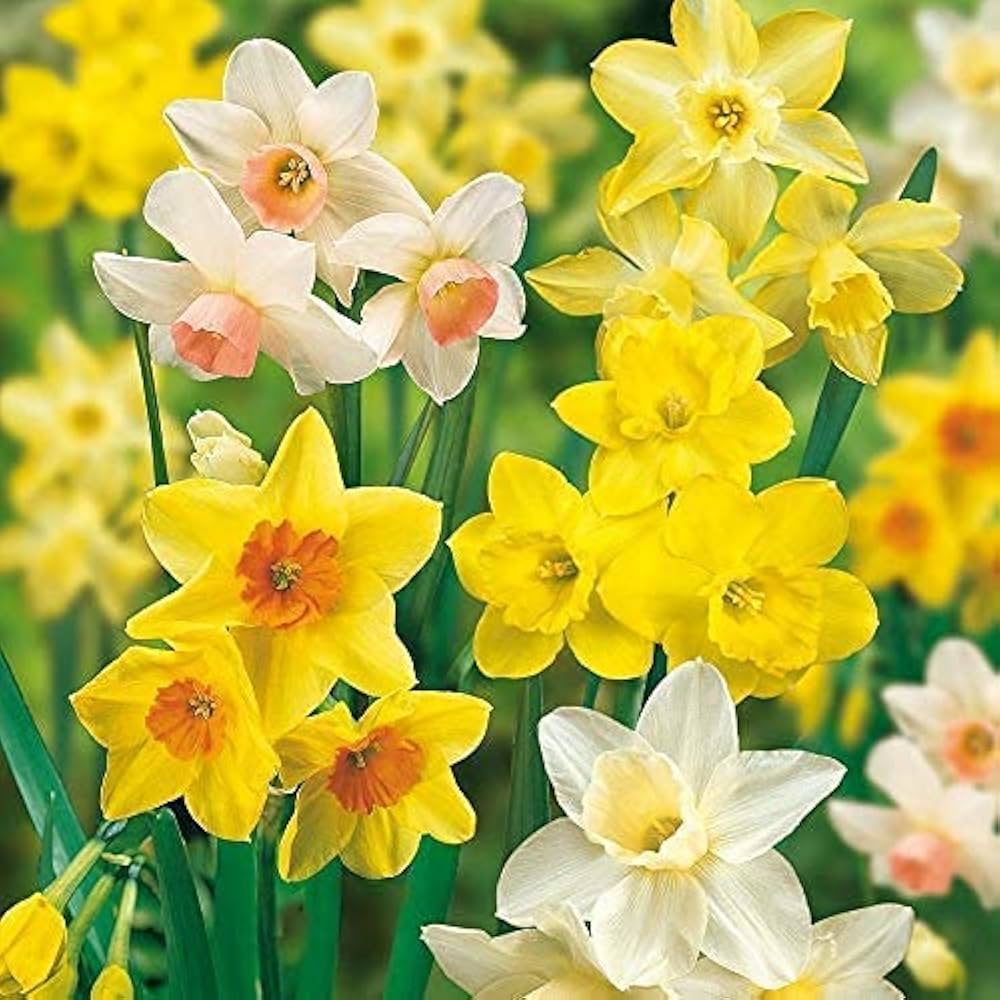
Daffodils are cheerful, hardy, and highly reliable. Known for their bright yellow or white trumpets, they naturalize easily—meaning they multiply year after year.
Why Plant Daffodils?
- Deer- and rodent-resistant
- Excellent for beginners
- Bloom early in spring, sometimes even before tulips
Planting Tips
- Plant 4–6 inches deep
- Water after planting
- Leave foliage in place after blooming to replenish the bulb
Best Varieties
- King Alfred
- Thalia (pure white)
- Ice Follies
- Jetfire (orange and yellow)
3. Hyacinths
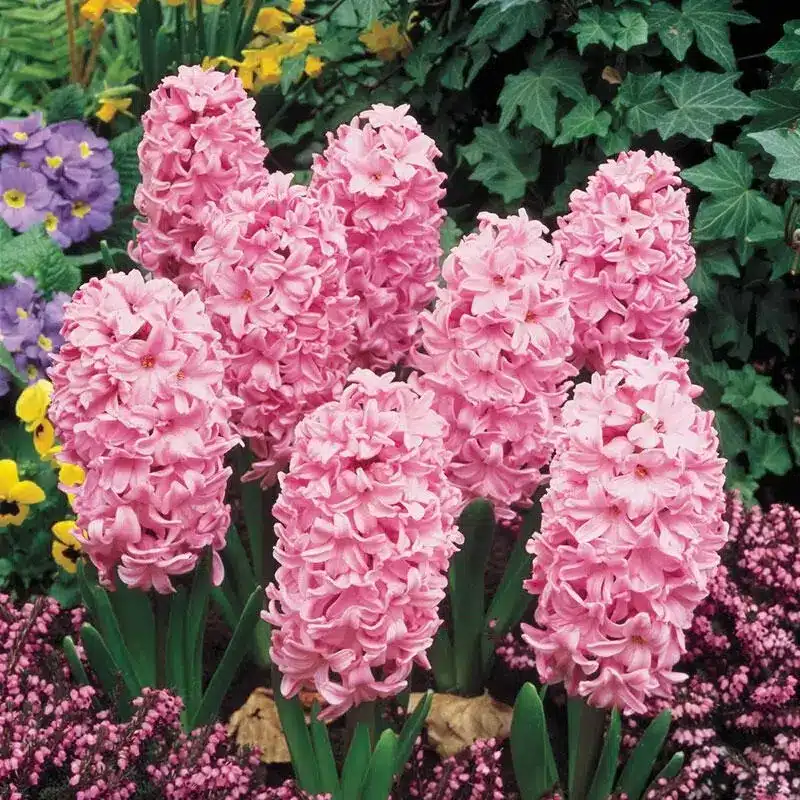
Looking for fragrance? Hyacinths are your best pick. With clusters of star-like flowers packed tightly on sturdy spikes, they add both beauty and scent to spring gardens.
Why Plant Hyacinths?
- Sweet, strong fragrance
- Perfect for patio pots or walkways
- Vibrant colors like pink, purple, blue, and white
Planting Tips
- Plant 4–6 inches deep
- Choose a sunny to partly shaded spot
- Support taller varieties if needed
Best Varieties
- Delft Blue
- Pink Pearl
- Carnegie (white)
- Woodstock (deep magenta)
4. Crocus
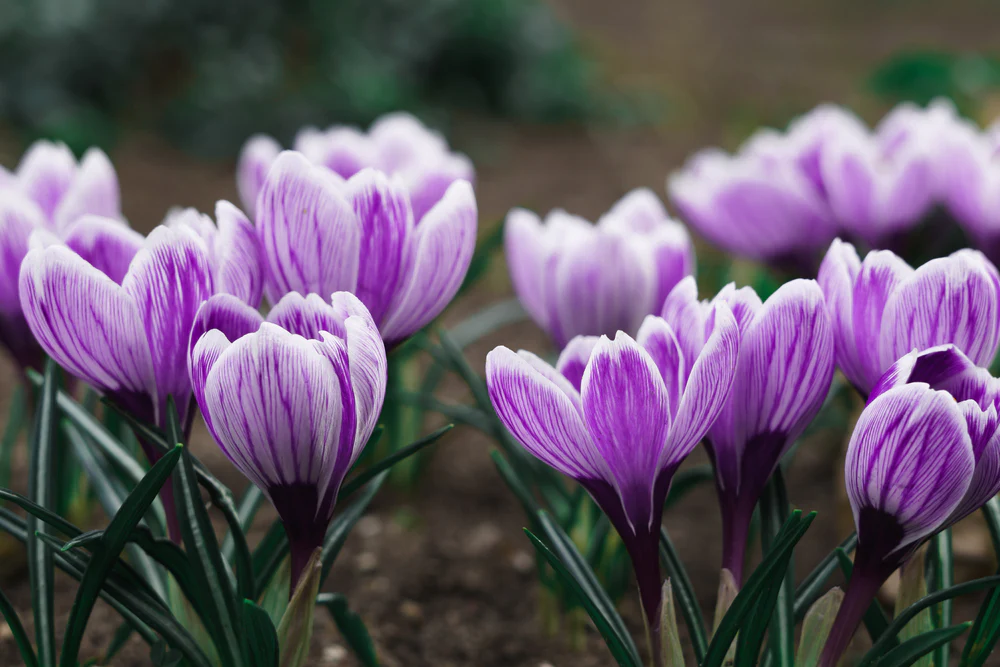
Crocuses are among the earliest bloomers—sometimes popping through snow. These small but vibrant flowers create carpets of purple, gold, white, or striped beauty.
Why Plant Crocus?
- Very low maintenance
- Naturalize easily
- Perfect for lawns, rock gardens, or borders
Planting Tips
- Plant 3–4 inches deep
- Group bulbs in clusters for a natural look
- Choose well-draining soil
Best Varieties
- Ruby Giant
- Pickwick (striped)
- Cream Beauty
- Yellow Mammoth
5. Alliums
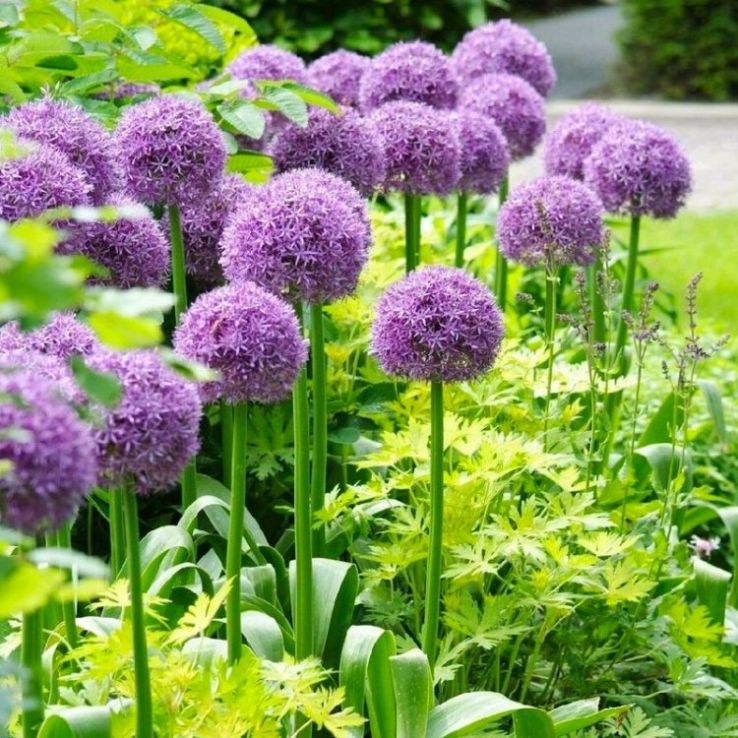
Alliums bring a touch of drama to spring gardens. These ornamental onions have globe-shaped purple, blue, or white flowers held on tall stems—making them great for architectural interest.
Why Plant Alliums?
- Pollinator-friendly
- Long-lasting blooms
- Deter pests due to their mild onion scent
Planting Tips
- Plant 4–8 inches deep depending on bulb size
- Use in borders or mixed flower beds
- Combine with low-growing plants for contrast
Best Varieties
- Purple Sensation
- Globemaster
- Christophii
- Mount Everest (white)
6. Snowdrops (Galanthus)
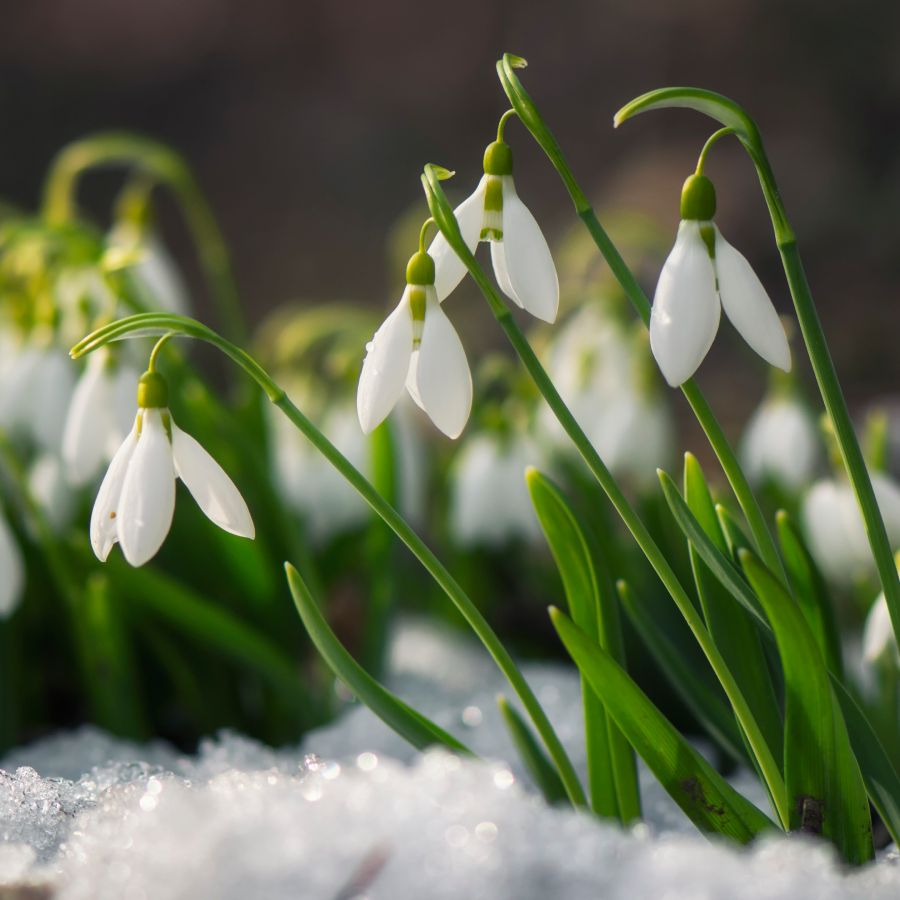
If you love delicate, fairy-like blooms, snowdrops are a must. These small, nodding white flowers appear very early—sometimes at the end of winter.
Why Plant Snowdrops?
- Charming and elegant
- Thrive in shaded areas where other bulbs struggle
- Bloom even in very cold climates
Planting Tips
- Plant 3 inches deep
- Choose moist, well-draining soil
- Great for woodland-style gardens
Best Varieties
- Elwesii
- Flore Pleno (double blooms)
- Nivalis
7. Grape Hyacinths (Muscari)
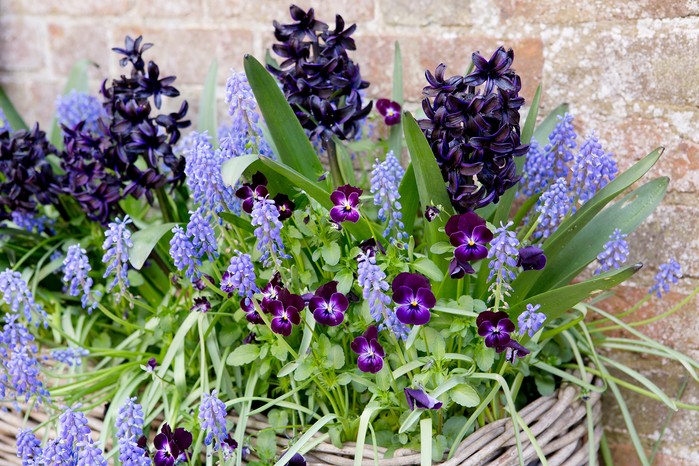
These tiny, bead-like clusters resemble miniature bunches of grapes. Grape hyacinths spread beautifully, creating purple-blue carpets across the garden.
Why Plant Grape Hyacinths?
- Easy to grow and naturalize quickly
- Beautiful under trees or alongside pathways
- Great companion plants for tulips and daffodils
Planting Tips
- Plant 3–4 inches deep
- Grow in full sun or partial shade
- Plant in clusters for a fuller look
Best Varieties
- Armeniacum
- Valerie Finnis (pale blue)
- White Magic
Tips for Planting Bulbs Successfully in Autumn
To ensure your bulbs survive winter and bloom beautifully in spring, follow these essential tips:
1. Plant Before the Ground Freezes
Aim for mid-autumn so bulbs can establish roots before winter.

2. Choose Healthy Bulbs
Select firm, plump bulbs with no mold or soft spots.
3. Ensure Good Drainage
Bulbs hate sitting in waterlogged soil—use raised beds or sandy soil if needed.
4. Plant with the Pointed Side Up
This is where the shoot emerges.
5. Mulch After Planting
A layer of leaves or bark protects bulbs from extreme cold.

6. Water Once After Planting
This helps settle the soil, then nature takes over.
7. Label Your Planting Areas
So you don’t accidentally dig them up during winter.
Why Plant Bulbs in Autumn? The Benefits
Autumn planting is ideal because:
- Bulbs need winter chilling to bloom
- Cooler temperatures encourage root growth
- Moist soil supports development
- Spring flowers are already “pre-loaded” in bulbs
Planting now means enjoying stunning blooms with almost no effort when spring arrives.

Final Thoughts
Planting bulbs in autumn is like preparing a surprise gift for yourself—one that bursts open with color and fragrance as soon as spring arrives. Whether you’re planting tulips for elegance, crocuses for early cheer, or hyacinths for fragrance, these seven bulbs promise a breathtaking garden when winter fades.
With just a bit of planning now, you can enjoy a vibrant, blooming landscape that welcomes the new season in style.