Urban homes may be compact, but your gardening habits can still be big on sustainability. With a few mindful practices, city dwellers can conserve resources, reduce waste, and nurture healthier plants—all while creating a peaceful green corner in the middle of urban hustle. If you’re looking to make your gardening more eco-friendly, this comprehensive guide walks you through five sustainable habits that are easy to adopt and incredibly rewarding.
1. Conserve Water with Smart Watering Techniques
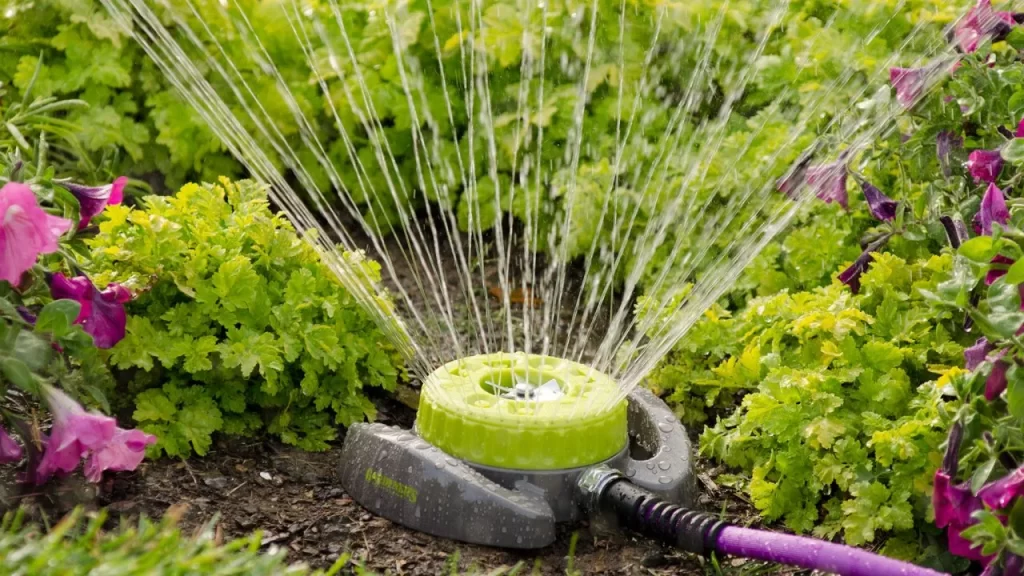
In urban environments, water is often scarce, and responsible usage is essential. Sustainable gardeners focus on reducing waste while ensuring plants get the hydration they need.
● Use Collected Rainwater
Rainwater harvesting is one of the simplest and most effective ways to reduce your dependence on municipal water supply. Even small balconies or rooftops can host a portable rainwater barrel. Use this natural, soft water to hydrate your plants, especially foliage and flowering varieties.
● Water Early in the Morning
Morning watering minimizes evaporation and helps plants absorb moisture more efficiently. In contrast, evening watering may leave the soil damp overnight, encouraging fungal growth.
● Try Drip Irrigation or Self-Watering Systems
DIY drip systems using recycled bottles or store-bought drip kits can help you deliver water directly to roots. This reduces runoff and encourages healthier plant growth.

● Mulch to Retain Soil Moisture
A layer of mulch—dry leaves, wood chips, or coconut husk—keeps soil cool and reduces the need for frequent watering. Mulching also adds organic matter as it breaks down.
2. Create and Use Your Own Compost
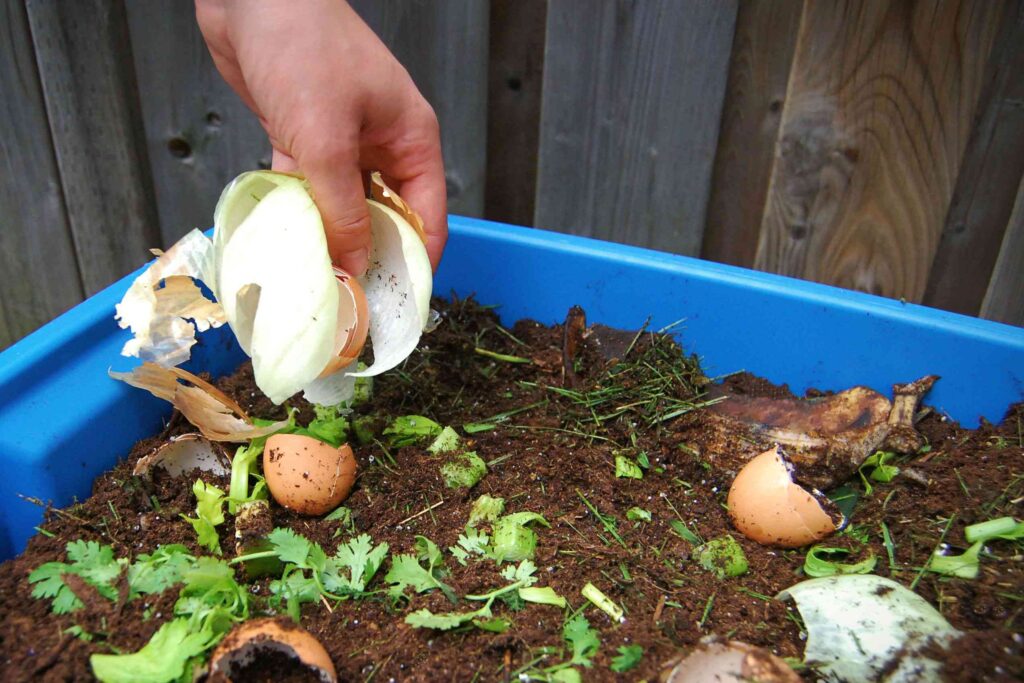
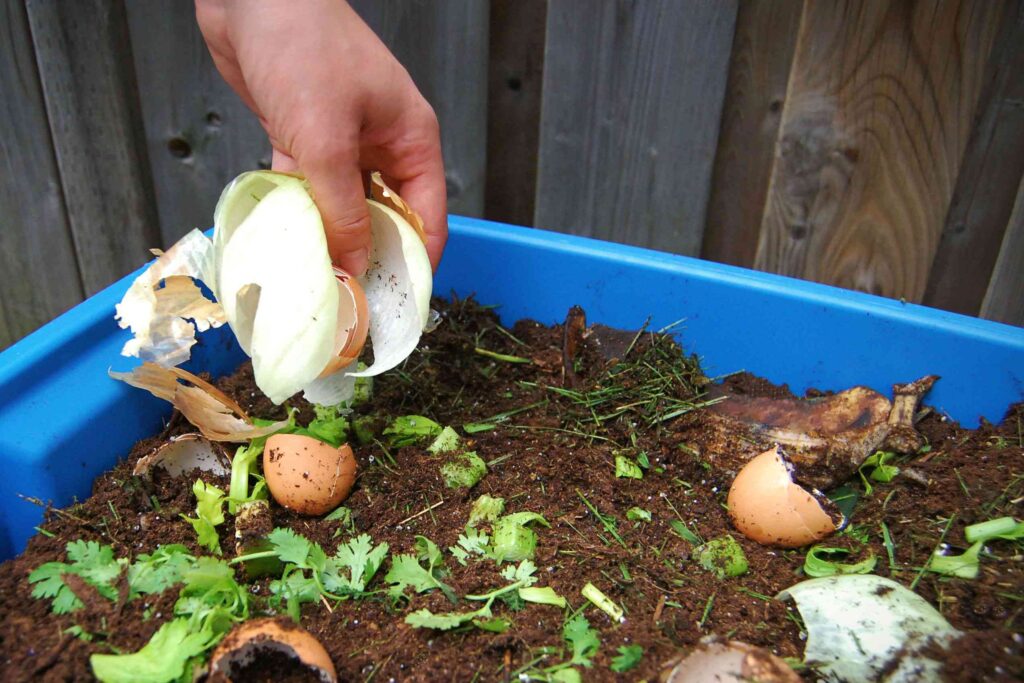
Urban composting is easier than you think. By converting kitchen scraps into nutrient-rich fertilizer, you can reduce landfill waste while enriching your garden naturally.
● Set Up a Compact Compost Bin
Invest in a small composting unit, or DIY one using a bucket with ventilation holes. Bokashi bins and worm composters are especially great for tight spaces.
● Compost Smart: What to Add
Include items like fruit peels, vegetable scraps, eggshells, coffee grounds, tea leaves, and small amounts of shredded paper. Avoid meat, dairy, and oily foods to prevent foul odors.
● Use the Finished Compost Wisely
Mix it with potting soil to improve structure, enhance aeration, and boost microbial activity. Regular compost application helps plants grow healthier without relying on chemical fertilizers.
● Bonus: Reduce Overall Waste
By composting regularly, you’ll notice a significant decrease in kitchen waste. It’s a sustainable habit that supports both your garden and the environment.
3. Choose Native Plants and Climate-Friendly Varieties
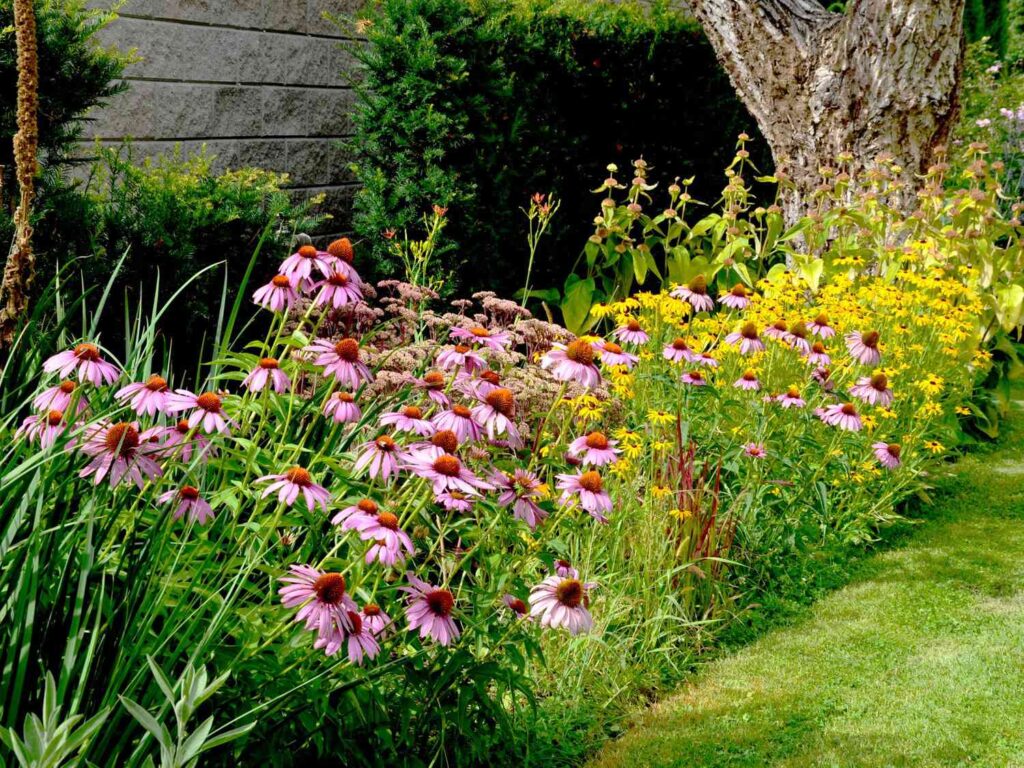
Urban gardeners often have limited sunlight, airflow, and space—making plant selection crucial. Opting for native and climate-appropriate species reduces maintenance, conserves water, and increases your garden’s environmental value.
● Benefits of Native Plants
Native species are naturally adapted to your local climate and soil conditions. They require less water, fewer nutrients, and minimal care. They also support bees, butterflies, and other pollinators.
● Plants Perfect for Indian Urban Homes (Examples)
- Tulsi (Holy Basil): Thrives in sun and is aromatic.
- Aloe Vera: Requires little water and helps purify indoor air.
- Money Plant (Pothos): Great for low-light corners.
- Jasmine Varieties: Perfect for balconies with good sunlight.
- Marigolds: Excellent for pest control and pollinator attraction.
● Grow Edibles that Suit Your Climate
Leafy greens like spinach, methi, and lettuce grow well in containers. Herbs such as mint, coriander, and curry leaves adapt easily to pots on windowsills or balconies.
4. Reduce, Reuse, and Upcycle Gardening Materials
Sustainable gardening isn’t just about plants—it’s also about how you use resources. Instead of buying new supplies, look for opportunities to reuse or repurpose items you already have.

● Repurpose Containers as Planters
Plastic bottles, tin cans, wooden crates, old mugs, and even worn-out buckets can be transformed into eye-catching planters. Just ensure they have drainage holes.
● Use Recycled Water
Leftover water from washing vegetables or soaking grains can be used to water plants. Just avoid water with soap or chemicals.
● Upcycle Household Items
- Use old toothbrushes to clean plant leaves gently.
- Turn broken clay pots into plant stakes or mulch.
- Convert unused ladders into vertical gardens.
● Swap Seeds and Cuttings
Share extra seeds or plant cuttings with neighbors or friends. It promotes community gardening and reduces the need to buy new plants.
5. Support Biodiversity in Small Spaces
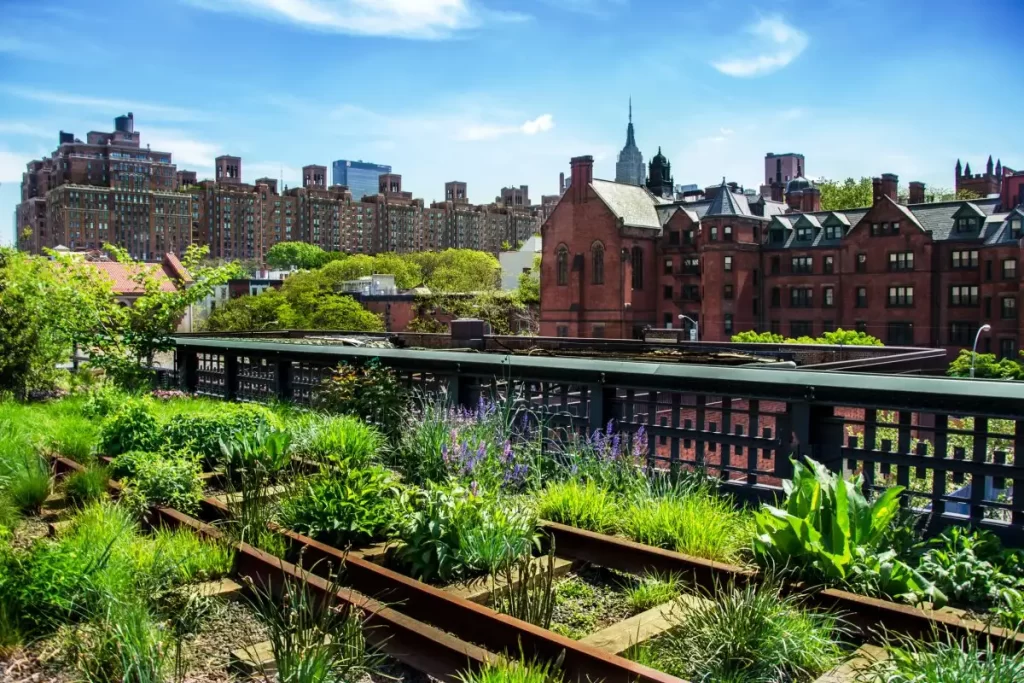
Even in urban environments, you can create a mini ecosystem that supports birds, insects, and beneficial microbes. Biodiversity contributes to healthier plants and a more resilient garden.
● Grow Pollinator-Friendly Plants
Flowers like cosmos, zinnias, hibiscus, sunflowers, and native wildflowers attract bees and butterflies. These pollinators help improve fruiting in edible plants like tomatoes and chillies.

● Provide Habitats for Beneficial Insects
Ladybugs, dragonflies, spiders, and lacewings help control pests naturally. Encourage them by providing small water dishes with pebbles or creating insect-friendly zones under shrubs.
● Create a Mini Wild Corner
Let one small section of your garden grow naturally. Allow leaves to accumulate, encourage moss, or grow hardy wild plants. This microhabitat nurtures soil organisms and beneficial insects.
● Avoid Chemical Pesticides
Use natural pest control methods such as neem oil spray, garlic-chilli solution, or soap-water mix. Chemicals harm pollinators and disrupt your garden’s ecological balance.
Conclusion: Small Steps, Big Impact
Sustainable gardening isn’t about perfection—it’s about making thoughtful choices that conserve resources and support nature. Whether you’re growing herbs on a windowsill or maintaining a lush balcony garden, adopting these habits will help you create a greener, healthier space.
Start with one or two habits today, and watch your urban garden transform into an eco-friendly haven. Over time, these practices not only help the environment but also make gardening more rewarding and cost-effective.