Compost is one of the most valuable resources any gardener can have. Often called “Black Gold”, compost enriches soil, improves plant growth, and reduces dependence on chemical fertilizers. The best part? You can make it at home, using simple kitchen scraps, dried leaves, and garden waste — without spending extra money.
If you’ve ever wondered how to turn everyday organic waste into nutrient-rich compost, this complete guide with full progress updates will help you make perfect compost easily and successfully.
Why Make Compost at Home?
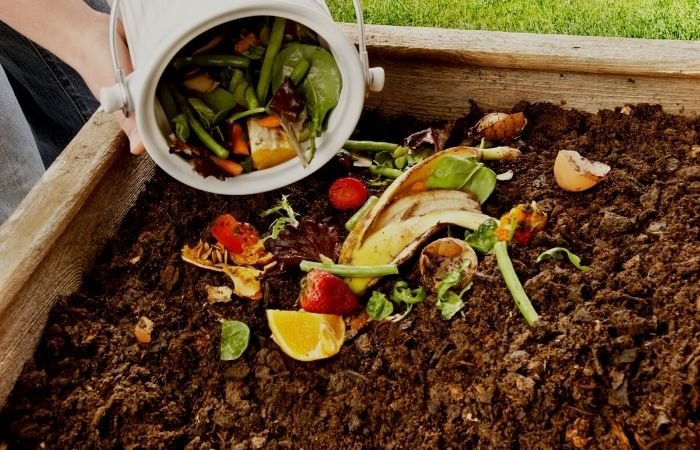
Homemade compost offers many benefits:
Converts waste into useful fertilizer
Improves soil structure
Helps plants grow faster & healthier
Saves money on store-bought fertilizers
Reduces landfill waste
Boosts microbial life in soil
Whether you garden in pots, terrace, balcony, or backyard, compost is essential.
What Materials Can Be Used?
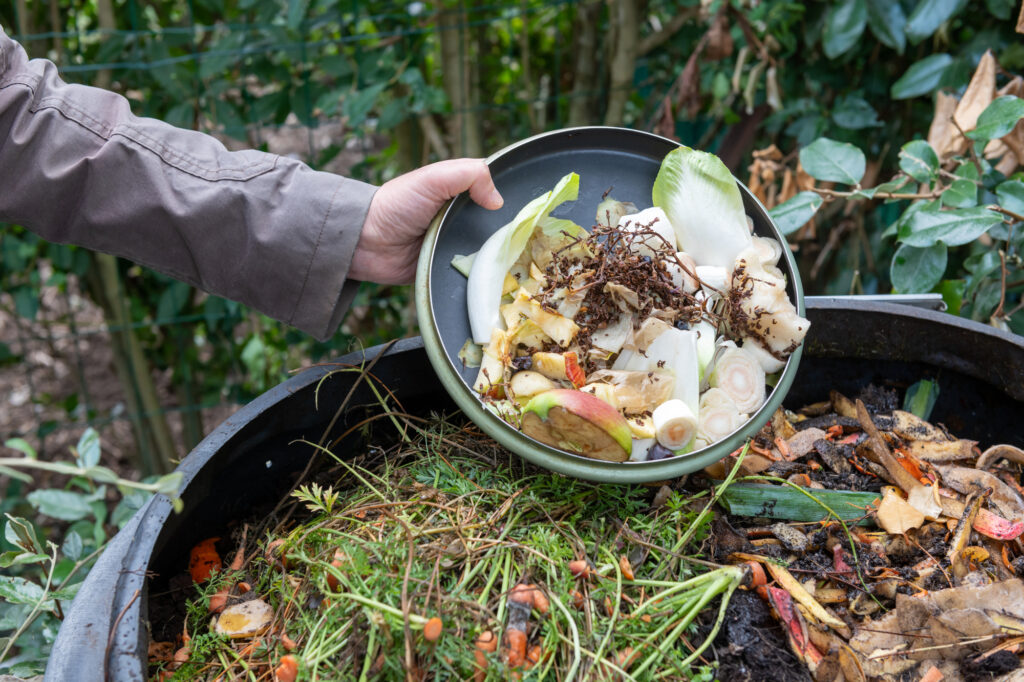
Composting requires a balance of Green materials (nitrogen-rich) and Brown materials (carbon-rich).
Green Materials (Nitrogen – Wet)
These help bacteria multiply and heat up the compost pile:
- Vegetable peels
- Fruit scraps
- Tea leaves (without milk)
- Coffee grounds
- Fresh grass clippings
- Green leaves
- Cow dung or compost starter
Brown Materials (Carbon – Dry)
These provide structure and airflow:
- Dry leaves
- Cardboard
- Paper towels
- Sawdust
- Cocopeat
- Old potting soil
- Dry twigs
Avoid These
- Meat, bones, egg shells with membrane
- Oily food scraps
- Plastics or metals
- Diseased plants
- Coal ash
Step 1: Choose a Compost System
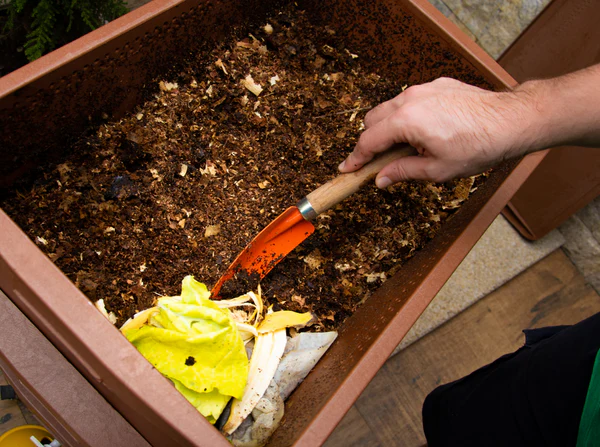
You can compost in:
- A plastic bucket
- A cement pot
- A compost bin
- Clay pot
- Grow bag
Make sure there are:
6–10 holes for airflow
A lid to cover
A tray under the pot
Step 2: Layering the Waste
Start composting using the Sandwich Method:
Bottom layer: Dry leaves/twigs
Next layer: Kitchen waste
Sprinkle soil to introduce microbes
Add cow dung manure or compost powder
Keep repeating the layers until full.
Step 3: Moisture Management
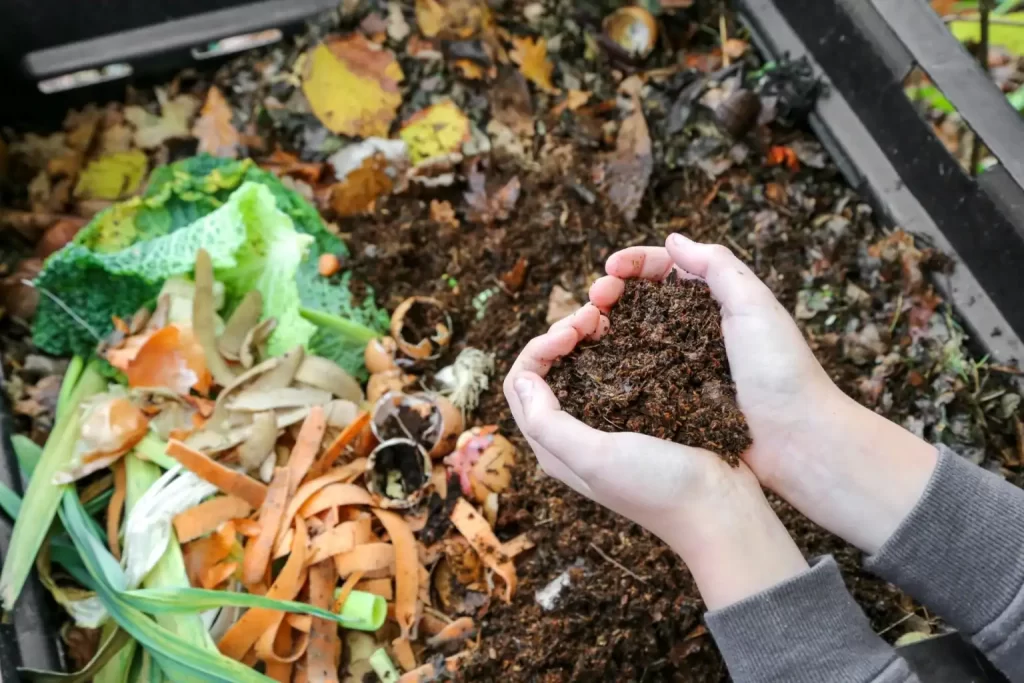
Moisture is key. Compost should feel like a wrung-out sponge:
Too wet → Smelly, anaerobic
Too dry → No decomposition
If too wet, add dry leaves.
If too dry, sprinkle water with a spray bottle.
Step 4: Turning & Aeration
Stir the compost every 5–7 days.
Turning helps:
Reduce foul smell
Increase oxygen levels
Speed up decomposition
Prevent flies
FULL BREAKDOWN TIMELINE
| Time | What Happens | Notes |
|---|---|---|
| Day 1–7 | Materials begin heating | Light smell normal |
| Week 2 | Waste shrinks | Mix well once a week |
| Week 3 | Texture turns soft & dark | Add some dry leaves if wet |
| Week 4–6 | Compost becomes crumbly | Color changes to dark brown |
| Week 6–10 | Fully ready compost | Smells like fresh soil |
Patience is important — composting is a natural process.
Adding Compost Boosters (Optional)
To speed up composting, use:
- Cow dung slurry
- Microbial compost inoculator
- Jaggery water (mix jaggery+water)
- EM solution (Effective Microorganisms)
- Buttermilk dilution
Apply once every 2 weeks.
Handling Smell & Pest Problems
If compost smells:
Add more brown materials
Aerate by mixing
Avoid oily or dairy waste
For insects or flies:
Cover food waste with soil
Add neem leaves or neem cake powder
A good compost bin should smell earthy — not rotten.
How to Check if Compost is Ready
Your compost is finished when:
Dark brown or black color
Crumbly texture
No visible food scraps
Fresh soil smell
If you see worms — don’t worry — they help!
Sieve the compost to remove large pieces and return them to the bin for further breakdown.
How to Use Your Homemade Compost
Use compost in different ways depending on plant needs:
Potting Mix
Mix:
- 40% soil
- 30% compost
- 20% cocopeat
- 10% sand
Top Dressing
Spread 2–3 handfuls around plants every 30–45 days.

Compost Tea (Liquid Fertilizer)
Mix 1 cup compost into 5 liters water
Let sit for 24–48 hours
Strain and use for watering
This boosts root development and flowering.
Seasonal Care Guide
| Season | Special Tips |
|---|---|
| Summer | Keep compost moist; shade bin |
| Monsoon | Avoid excess moisture; add extra brown waste |
| Winter | Composting slows; add warm water and boosters |
Bonus Tips for Beginners
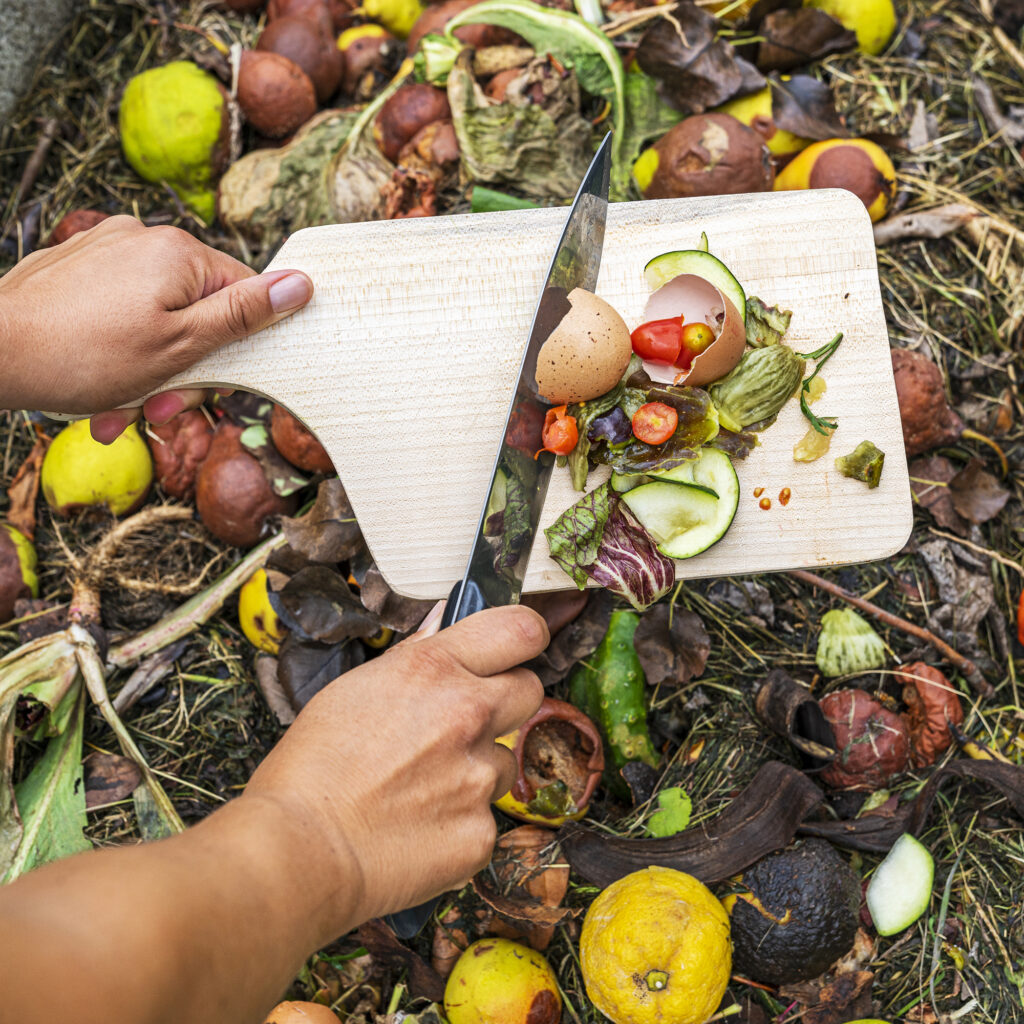
Chop food scraps into small pieces
Add at least 50% dry waste
Use a covered bin to avoid pests
Maintain airflow holes
Do not overload with citrus early on
Consistency is key — small waste added regularly works better than dumping large amounts at once.
Final Thoughts
Composting isn’t just a gardening skill — it’s a powerful way to help the environment while improving soil and plant health. With a little patience, the waste you once threw away transforms into a natural fertilizer that strengthens plants, improves soil structure, and boosts flowering and fruiting.
Your garden will thank you — and the Earth will too.