Lettuce is one of the most popular and versatile vegetables for home gardens. Crisp, fresh, and full of flavor, it’s perfect for salads, sandwiches, and garnishes. But if you love growing lettuce, you might be frustrated by the cost and effort of buying seeds every season. The good news is that with a little know-how, you can harvest and store lettuce seeds from your own plants, ensuring a continuous supply for years to come. In this guide, we’ll walk you step by step through the process, from selecting the best plants to saving and storing seeds effectively.
Why Save Lettuce Seeds?
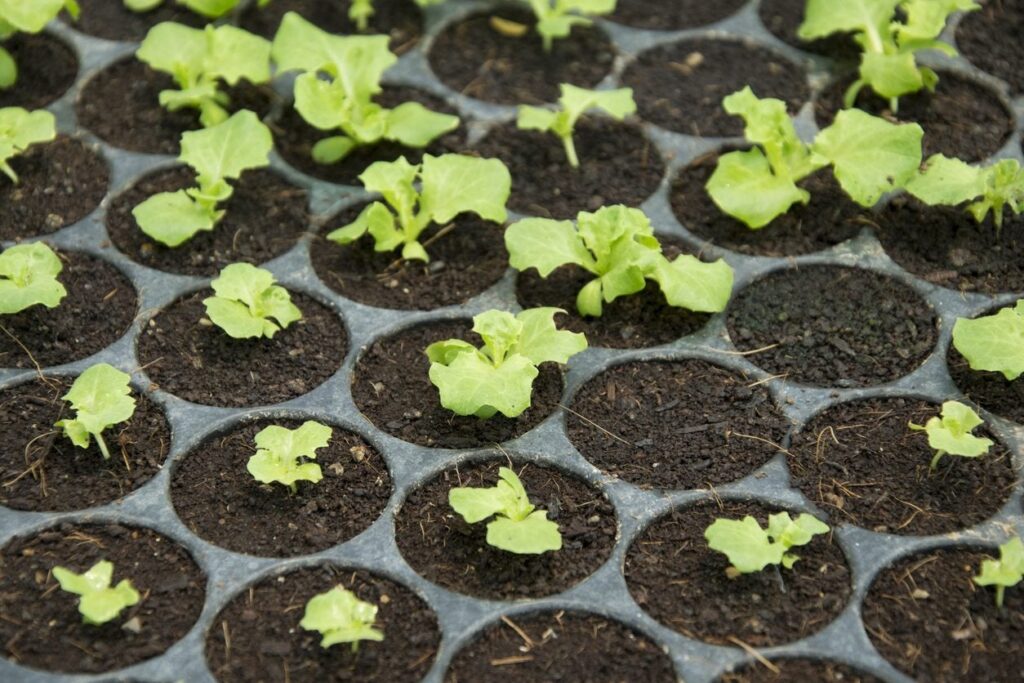
Saving lettuce seeds is both practical and rewarding:
- Cost-effective: Seeds can be expensive, especially if you grow multiple varieties.
- Preserve your favorite varieties: You can keep growing the types of lettuce you love most.
- Sustainable gardening: Reduces dependence on commercial seed suppliers.
- Improves plant adaptability: Seeds from your garden are naturally adapted to your climate and soil.
- Educational and fun: Seed saving is a hands-on way to learn about plant life cycles and gardening skills.
Once you master seed saving, you’ll never need to buy lettuce seeds again.
Step 1: Choose the Right Lettuce Plants
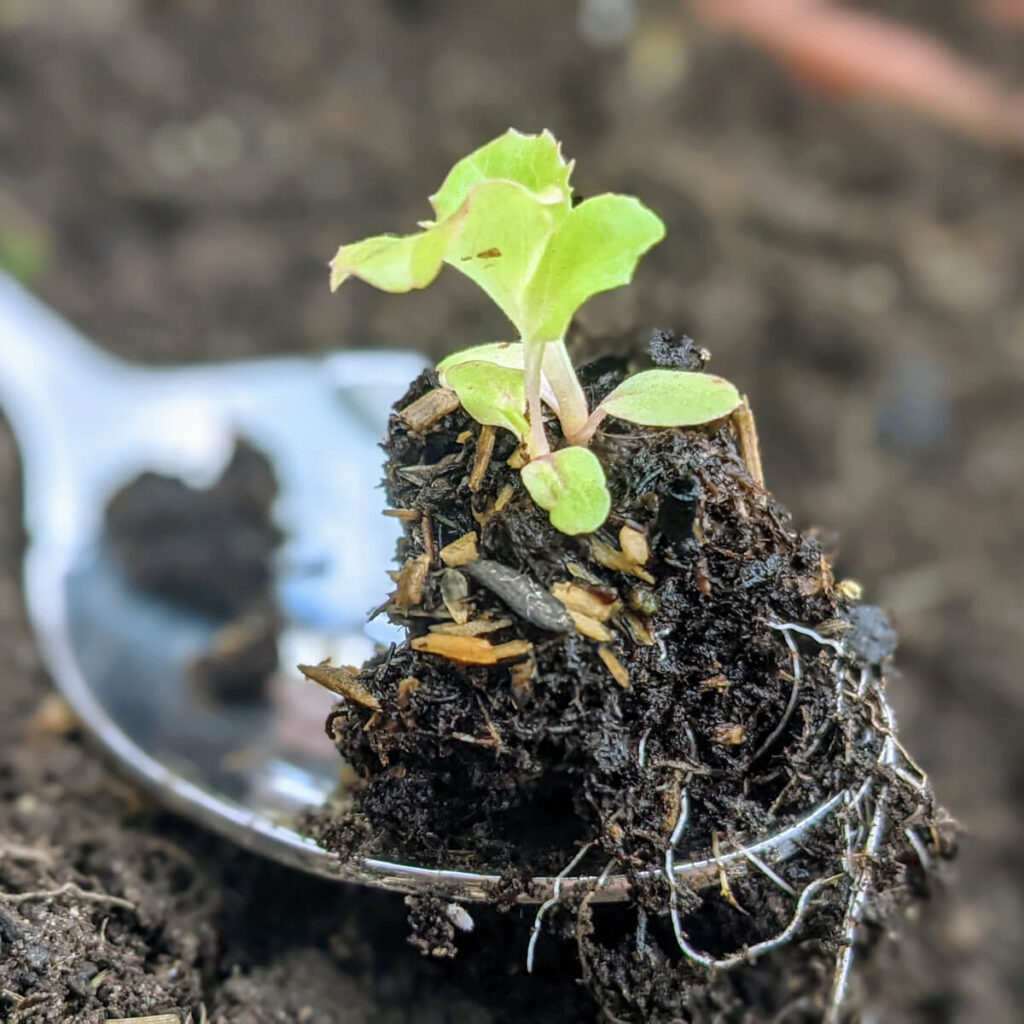
Not all lettuce plants are ideal for seed saving. To get strong, viable seeds, select plants that:
- Are healthy and free from disease or pests.
- Have strong growth, good flavor, and the traits you want to preserve.
- Are open-pollinated varieties rather than hybrids. Hybrid lettuce seeds may not produce true-to-type plants.
Tip: Plant a few different varieties if you want to save seeds from multiple types, but make sure they are isolated to avoid cross-pollination.

Step 2: Allow Lettuce to Bolt
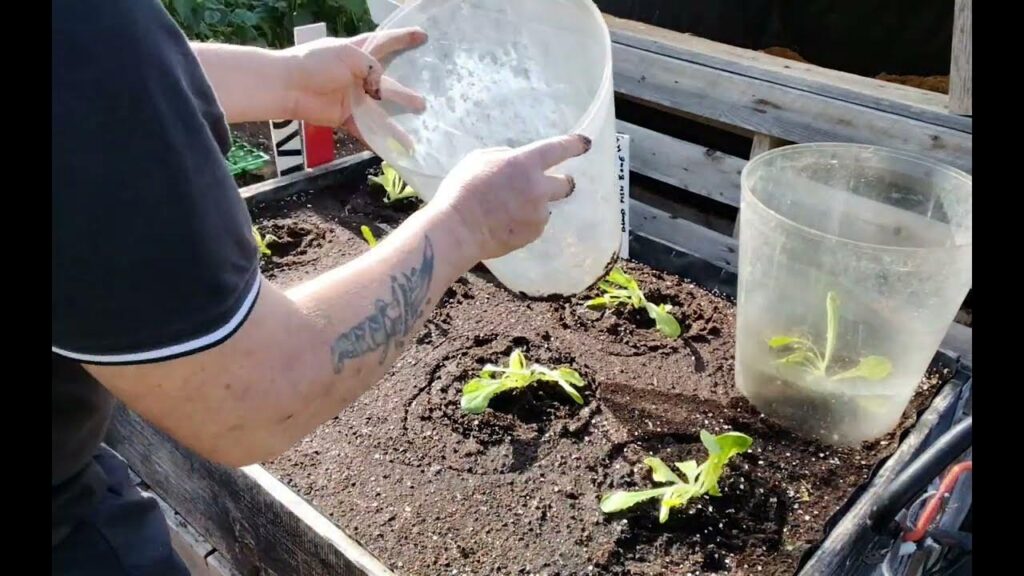
To produce seeds, lettuce must bolt, which means it will grow tall, flower, and eventually produce seeds:
- Bolting typically happens as the days get longer and temperatures rise.
- When your lettuce bolts, you’ll see tall flower stalks emerging from the center of the plant.
- Let the plant grow until the flowers are fully developed and seeds start forming.
Tip: Bolting lettuce may become bitter in taste, so harvest leaves for consumption before this stage if you want to eat them.
Step 3: Collect Lettuce Seeds at the Right Time
Timing is crucial to ensure seeds are viable:
- Lettuce seeds are ready when the flowers dry and turn brown.
- Gently shake or tap the flower heads over a clean container to release seeds.
- Seeds are tiny and fine, so handle them carefully to avoid losing them.
Tip: If your region is rainy or humid, collect seeds just before they fully dry on the plant to prevent mold or loss.
Step 4: Clean the Seeds
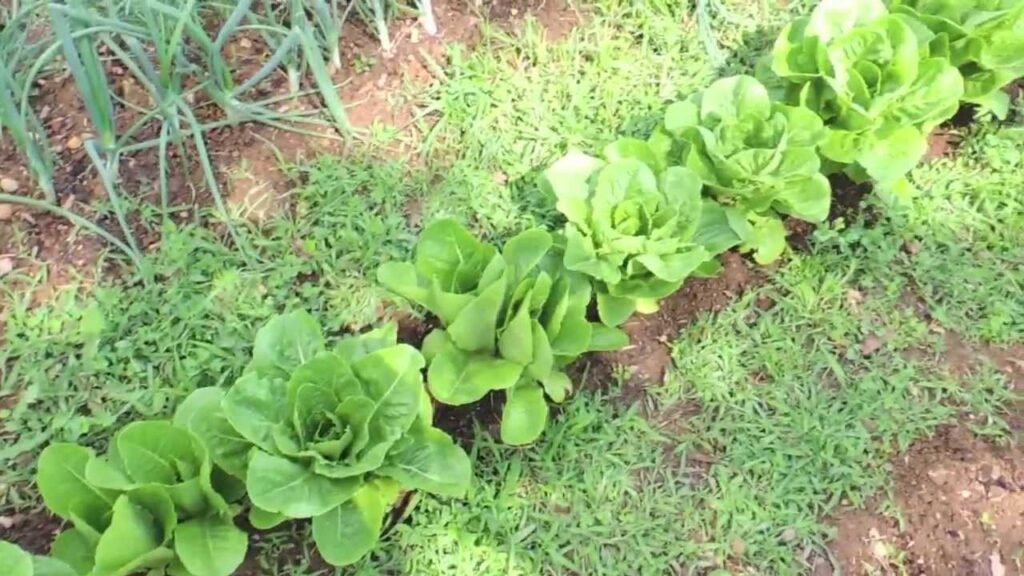
Cleaning lettuce seeds ensures better storage and germination rates:
- Remove flower debris and chaff by gently rubbing the seeds between your fingers.
- Use a fine sieve to separate tiny seeds from leftover plant material.
- Avoid washing the seeds with water, as they are extremely small and can be difficult to dry.
Tip: Patience during cleaning prevents loss of seeds and ensures only healthy seeds are stored.
Step 5: Dry the Seeds Thoroughly
Proper drying is essential for long-term seed viability:
- Spread seeds in a thin layer on a paper towel, tray, or plate.
- Place in a cool, dry, and shaded area with good air circulation.
- Avoid direct sunlight, which can damage seeds.
- Drying may take a few days to a week, depending on humidity.
Tip: Test dryness by taking a few seeds—fully dried seeds are crisp, not soft or flexible.
Step 6: Label Your Seeds
Organization helps you remember which seeds are which:
- Place seeds in small envelopes, jars, or airtight containers.
- Label with the variety name and collection date.
- Optional: Add notes about flavor, color, or growing conditions.
Tip: Labeling saves confusion and ensures you know which seeds to plant in the next season.
Step 7: Store Seeds Properly
Proper storage extends seed life and germination rates:
- Containers: Use envelopes, glass jars, or plastic containers.
- Environment: Store in a cool, dark, and dry place. Avoid heat and moisture.
- Optional: Add silica gel packets to jars to absorb moisture.
- Long-term storage: Lettuce seeds can remain viable for 2–3 years if stored properly.
Tip: Avoid refrigeration unless the seeds are fully dried. Humidity can cause mold.
Step 8: Test Germination Before Planting
Before sowing stored seeds, test their germination:
- Place 5–10 seeds on a damp paper towel.
- Fold and place in a plastic bag or container to retain moisture.
- Keep in a warm place and monitor for 5–7 days.
- Count how many seeds germinate to estimate the expected success rate.
Tip: Discard or replace seeds with very low germination to maintain a productive garden.
Step 9: Plan for Continuous Seed Saving
To ensure you never run out of lettuce seeds:

- Save seeds from multiple plants each season.
- Select seeds from the healthiest, strongest plants to maintain quality.
- Rotate varieties to prevent genetic stagnation.
- Keep a seed journal to track collection dates, storage methods, and germination results.
Tip: Continuous seed saving ensures a sustainable supply and keeps your favorite lettuce varieties thriving.
Step 10: Gardening Hacks for Lettuce Seed Success
- Isolation: To prevent cross-pollination, separate different varieties by at least a few feet or use physical barriers.
- Drying racks: Use mesh trays or screens for better airflow while drying seeds.
- Labeling system: Color-code envelopes by variety for easy identification.
- Seed sharing: Exchange seeds with fellow gardeners to diversify your garden.
These simple hacks make seed saving efficient, organized, and more successful.
Conclusion
Saving lettuce seeds is a smart and rewarding gardening practice. By following these steps—selecting healthy plants, allowing them to bolt, collecting seeds at the right time, cleaning, drying, labeling, and storing—you can never buy lettuce seeds again.
Seed saving not only reduces costs but also gives you control over the varieties you grow and preserves your favorite plants for future seasons. With careful attention and proper storage, your lettuce seeds can remain viable for years, ensuring a continuous supply of fresh, homegrown lettuce.
Start practicing seed saving today, and enjoy a sustainable, cost-effective, and vibrant garden year after year. Your future self—and your wallet—will thank you!