Lettuce is one of the easiest and most rewarding vegetables to grow at home. Crisp, fresh, and full of flavor, it’s perfect for salads, sandwiches, and wraps. Starting lettuce from seeds not only saves money but also allows you to enjoy fresh, chemical-free greens all season long. Whether you have a garden, balcony, or even indoor space, growing lettuce from seed is simple and satisfying. This complete guide will take you step by step from sowing seeds to harvesting healthy lettuce, with updated tips to maximize success.
Why Grow Lettuce from Seed?
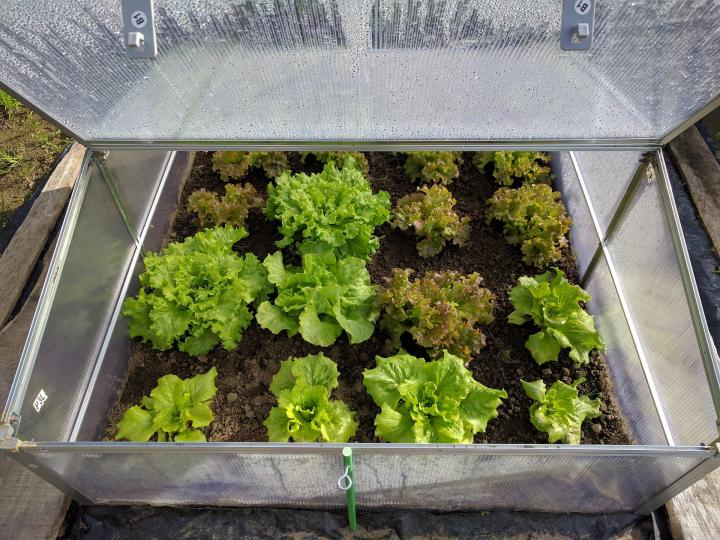
Growing lettuce from seeds has many advantages:
- Cost-effective: Buying seeds is cheaper than purchasing seedlings or mature plants.
- Variety selection: Choose from a wide range of lettuce types, including loose-leaf, butterhead, romaine, and crisphead.
- Control over growth: You can control soil quality, fertilizers, and watering for healthy, chemical-free plants.
- Continuous harvest: Lettuce grows quickly, allowing multiple sowings throughout the year.
- Educational and rewarding: Watching seeds grow into full plants is both fun and educational for beginners and kids alike.
Starting lettuce from seed gives gardeners full control over growth conditions, resulting in healthier, tastier greens.
Step 1: Choose the Right Lettuce Variety
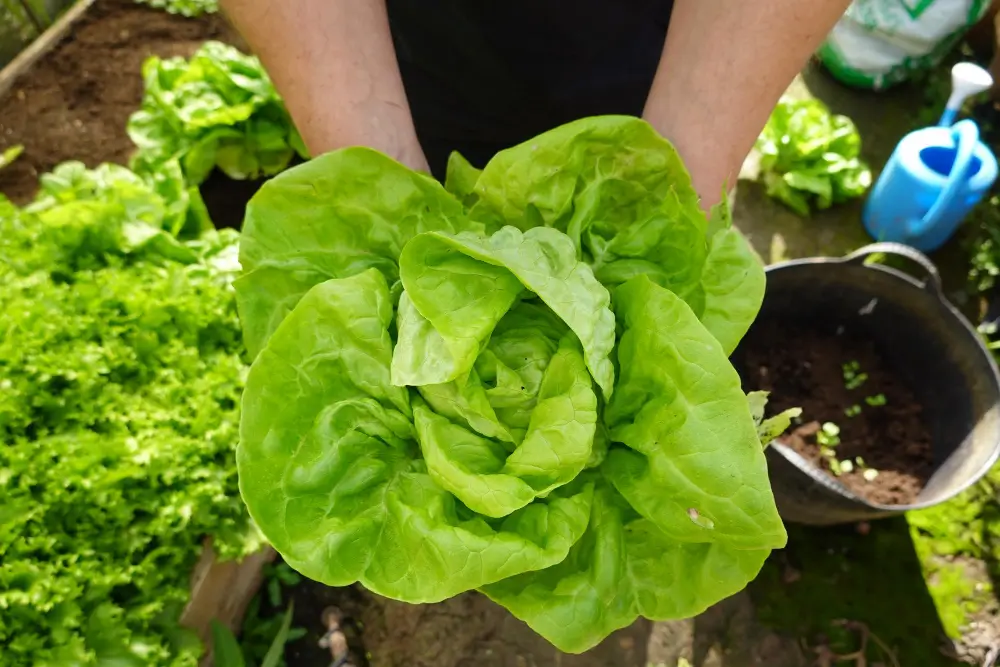
Selecting the right variety is crucial for successful growth:
- Loose-leaf lettuce: Grows quickly and allows harvesting leaves individually.
- Butterhead (Boston or Bibb): Soft, tender leaves with a mild flavor.
- Romaine (Cos): Tall, crunchy leaves, perfect for salads.
- Crisphead (Iceberg): Forms a tight head; slower growing but excellent for storage.
Tip: Choose varieties suited to your climate. Loose-leaf and butterhead types are ideal for warmer conditions, while romaine and crisphead thrive in cooler weather.
Step 2: Prepare a Growing Space
Lettuce is versatile and can grow in various spaces:
- Garden beds: Use well-drained soil enriched with compost.
- Containers and pots: Perfect for balconies or small spaces. Minimum depth of 6–8 inches is recommended.
- Indoor growing: Use windowsills or grow lights to provide 4–6 hours of sunlight daily.
Tip: Lettuce prefers cool temperatures (15–22°C) and partial sunlight, especially in warmer climates.
Step 3: Prepare the Soil
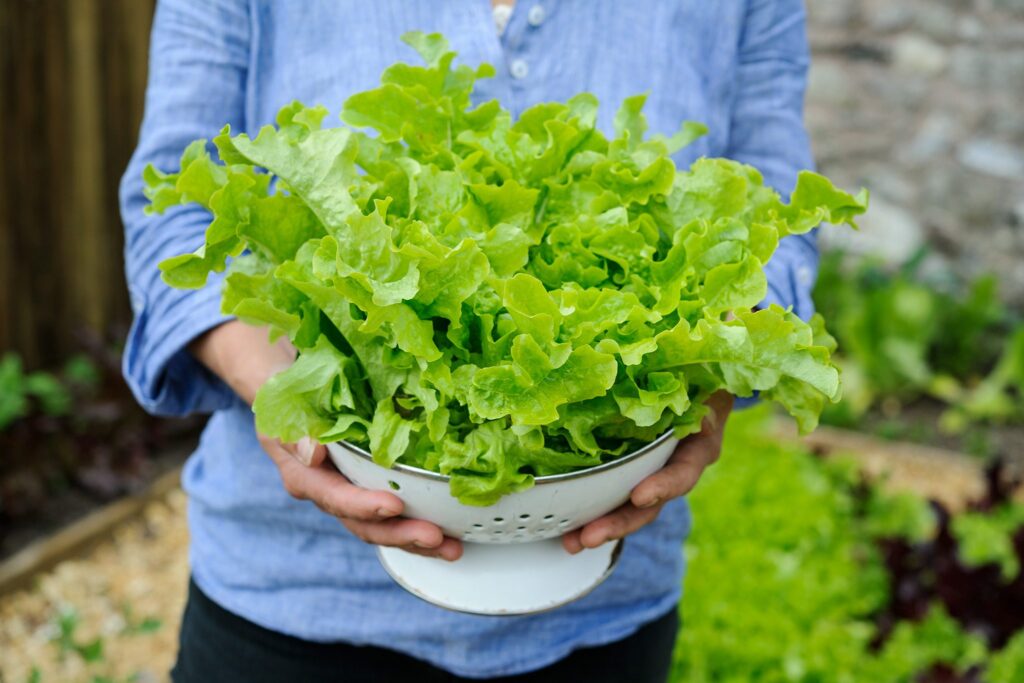
Healthy soil ensures strong growth and abundant leaves:
- Use well-draining soil rich in organic matter.
- Maintain soil pH of 6.0–7.0 for optimal nutrient absorption.
- Mix compost, vermicompost, or well-rotted manure into the soil for added fertility.
Tip: Avoid heavy clay or waterlogged soil, as lettuce roots are shallow and can rot easily.
Step 4: Sow Lettuce Seeds
Proper sowing ensures high germination rates and healthy seedlings:
- Sow seeds directly into prepared soil or in seed trays for transplanting.
- Plant seeds ¼ inch deep, lightly covering with soil.
- Space seeds 1–2 inches apart, and thin seedlings after germination to 4–6 inches apart.
- For continuous harvest, sow seeds every 2–3 weeks.
Tip: Lightly water the soil after sowing to keep it moist without washing away seeds.
Step 5: Watering and Moisture Management
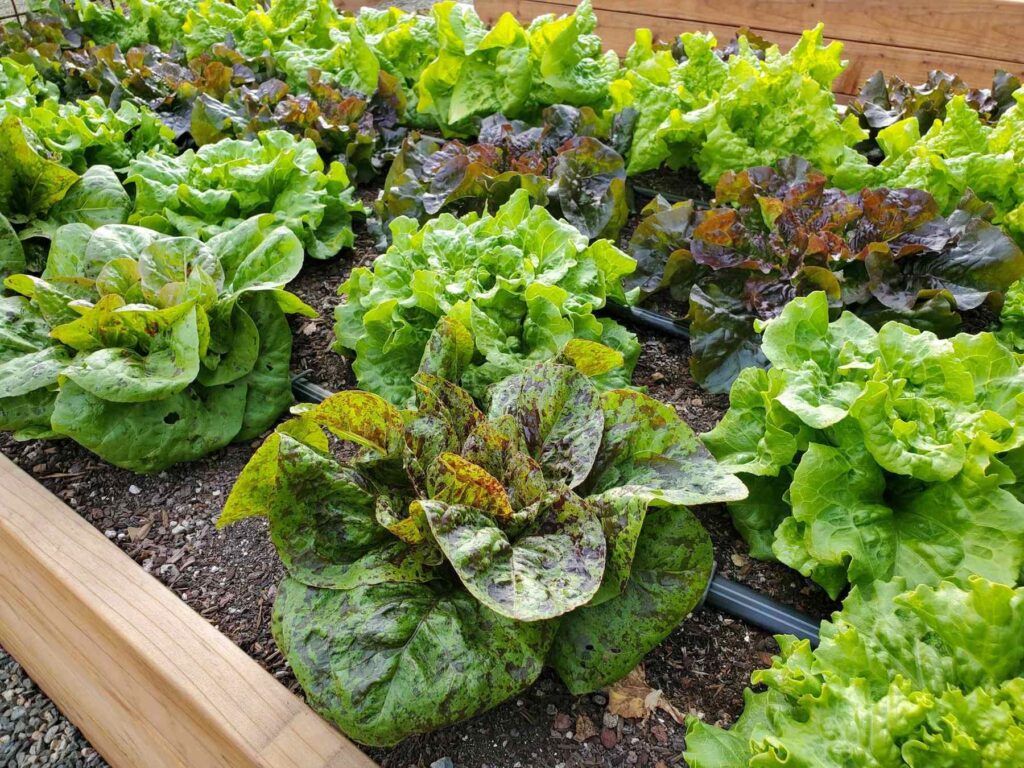
Consistent moisture is key to fast growth and healthy leaves:
- Keep soil evenly moist but avoid waterlogging.
- Use a gentle spray bottle or watering can to avoid disturbing seeds.
- Mulch around plants with straw or leaves to retain soil moisture and control weeds.
Tip: Morning watering is ideal, as it reduces fungal problems and ensures the soil dries before night.
Step 6: Provide Proper Sunlight and Temperature
- Lettuce prefers 4–6 hours of sunlight per day.
- Avoid exposing plants to extreme heat; high temperatures can cause bolting (premature flowering) and bitterness.
- Ideal temperature for germination is 16–21°C, with seedlings growing best in cool, moderate conditions.
Tip: In hot climates, grow lettuce in partial shade or indoors to prevent bolting.
Step 7: Fertilization and Nutrient Management
- Lettuce is a leafy crop, so nitrogen-rich fertilizers promote lush, green growth.
- Apply balanced liquid fertilizers every 2–3 weeks.
- Use organic options like compost tea or vermicompost for chemical-free leaves.
Tip: Avoid over-fertilization, which may cause excessive leaf growth with reduced flavor.
Step 8: Thinning Seedlings
Thinning ensures healthy growth and proper spacing:
- When seedlings have 2–3 true leaves, thin weaker plants.
- Maintain spacing of 4–6 inches between plants for adequate airflow and growth.
- Transplant thinned seedlings to other areas to maximize your harvest.
Tip: Handle seedlings by the leaves, not stems, to avoid damage.
Step 9: Pest and Disease Management
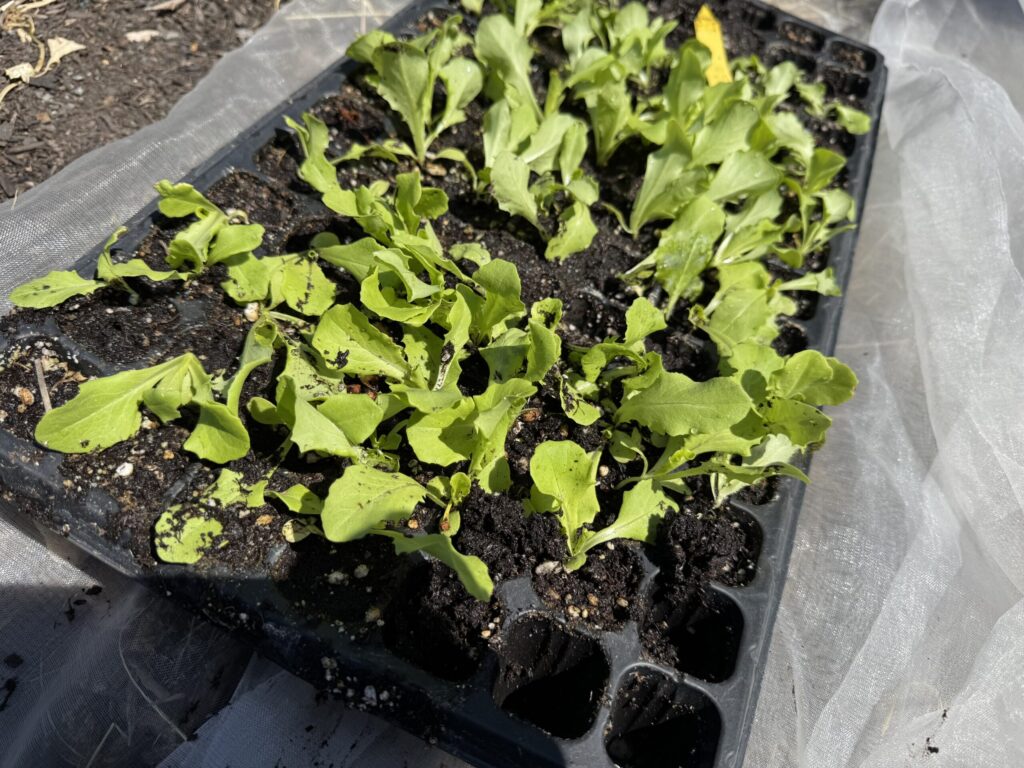
Lettuce is relatively resistant but can face minor pest problems:
- Aphids: Spray with water or use neem oil.
- Slugs and snails: Handpick or use natural deterrents.
- Fungal diseases: Prevent damping-off or downy mildew with proper spacing, sunlight, and dry soil surface.
Tip: Regular inspection and early intervention prevent major damage.
Step 10: Harvesting Lettuce
- Loose-leaf lettuce: Harvest outer leaves when 3–4 inches long; plant continues growing.
- Butterhead and romaine: Harvest entire heads when fully formed.
- Cut-and-come-again method: For continuous harvest, pick outer leaves while leaving the center intact.
Tip: Harvest in the morning for the freshest, crispest leaves. Avoid cutting all leaves at once to allow regrowth.

Step 11: Saving Lettuce Seeds
If you want to grow your own seeds:
- Allow a few healthy plants to bolt and produce flower stalks.
- Wait until seed heads dry and turn brown.
- Collect seeds carefully and store in cool, dry conditions.
Tip: Seed saving reduces dependence on commercial seed suppliers and preserves your favorite lettuce varieties.
Step 12: Year-Round Lettuce Growth Tips
- Succession planting: Sow seeds every 2–3 weeks for continuous harvest.
- Cool-season planting: Spinach and lettuce grow best in spring and fall; use shade in summer.
- Indoor gardening: Grow lettuce in containers under grow lights to avoid heat stress.
- Crop rotation: Avoid planting lettuce in the same spot year after year to reduce pests and diseases.
Tip: These strategies ensure healthy, continuous harvests throughout the year.
Bonus Gardening Hacks
- Pre-soak seeds: Soak seeds for a few hours before planting to speed up germination.
- Use seed trays: Start seeds in trays for better control over soil and moisture.
- Mulch with straw: Conserves moisture and protects shallow roots.
- Labeling system: Keep track of varieties, planting dates, and germination results.
These small techniques make growing lettuce faster, easier, and more productive.
Conclusion
Growing lettuce from seed is simple, cost-effective, and highly rewarding. By following these steps—selecting the right variety, preparing soil, sowing seeds correctly, maintaining water and nutrients, controlling pests, and harvesting properly—you can enjoy fresh, healthy lettuce at home year-round.

Whether you grow in garden beds, containers, or indoors, lettuce from seed provides crisp, tender, and flavorful leaves for salads, sandwiches, and daily meals. With proper care and succession planting, you can maintain a sustainable, abundant supply of lettuce, eliminating the need to purchase seeds every season.
Start planting today, and enjoy the satisfaction of growing your own fresh, organic lettuce from seed to harvest!