Lemon trees are not only a source of fresh, zesty fruits but also add a vibrant splash of greenery and fragrance to any home or garden. While many gardeners assume that lemons need a garden space to thrive, growing them in a pot is entirely possible—even for those with limited space. Potted lemon trees are perfect for balconies, patios, or indoor gardens, offering both aesthetic appeal and homegrown fruit. With the right techniques, care, and attention, you can enjoy healthy, productive lemon trees in containers.
Why Grow Lemon Trees in Pots
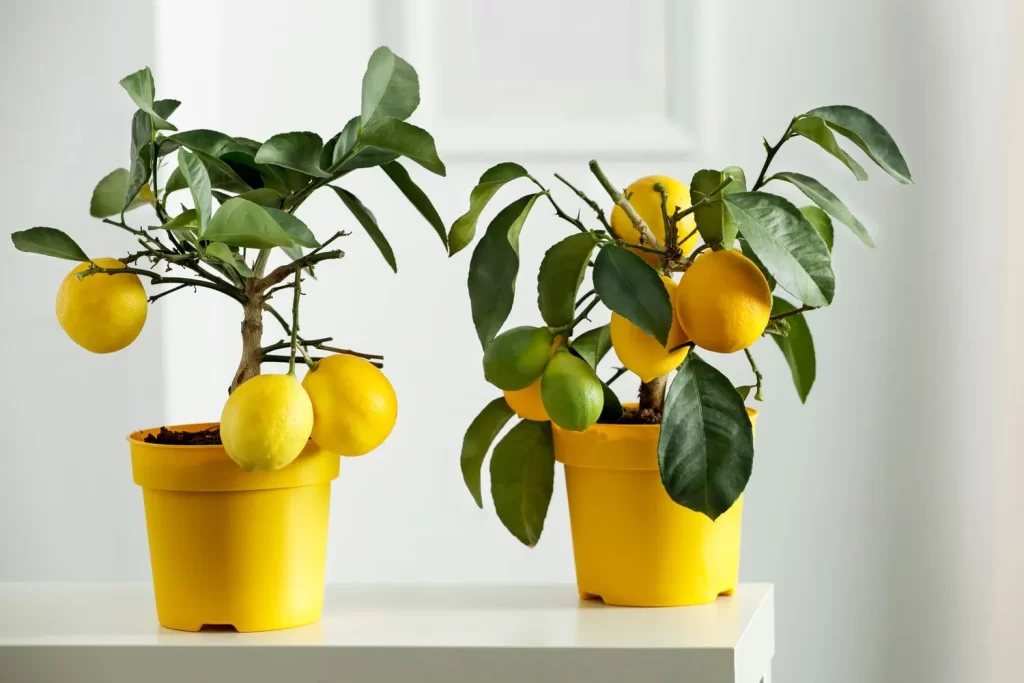
Growing lemon trees in pots comes with several advantages:
- Space Efficiency: Ideal for apartments, balconies, and small terraces.
- Mobility: You can move the tree to optimize sunlight exposure or protect it from harsh weather.
- Pest and Disease Control: Easier to monitor, treat, and manage pests and diseases.
- Controlled Soil Conditions: Allows better management of soil quality, drainage, and fertilization, which directly impacts fruit production.
Choosing the Right Lemon Variety
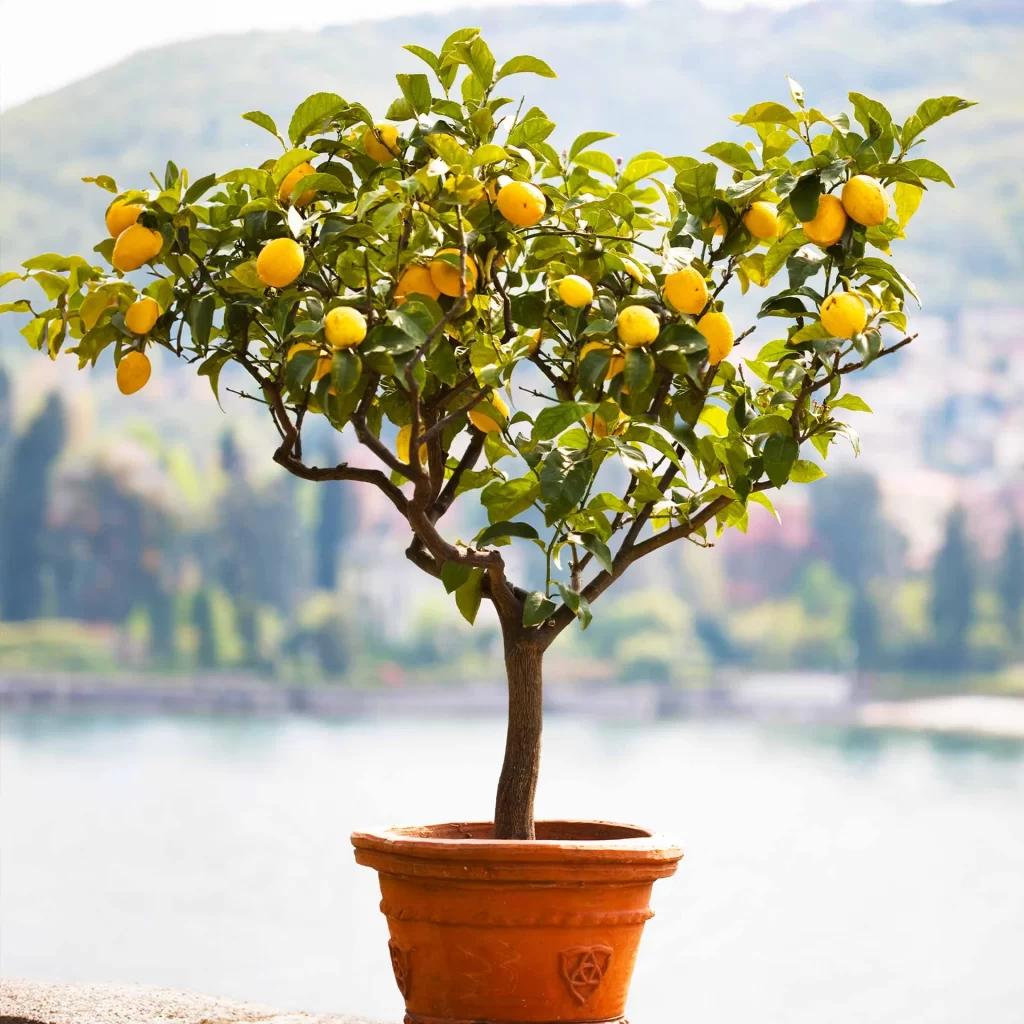
Not all lemon trees are suited for container growth. Choosing the right variety ensures compact growth and productive fruiting:
- Meyer Lemon: Compact, sweet, and ideal for containers; produces fruit year-round.
- Eureka Lemon: Produces classic lemons; grows well in pots if pruned and maintained properly.
- Lisbon Lemon: Larger, vigorous trees; suitable for larger pots and warmer climates.
Meyer lemons are particularly popular for pots due to their smaller size, early fruiting, and manageable growth habit.
Selecting the Ideal Pot
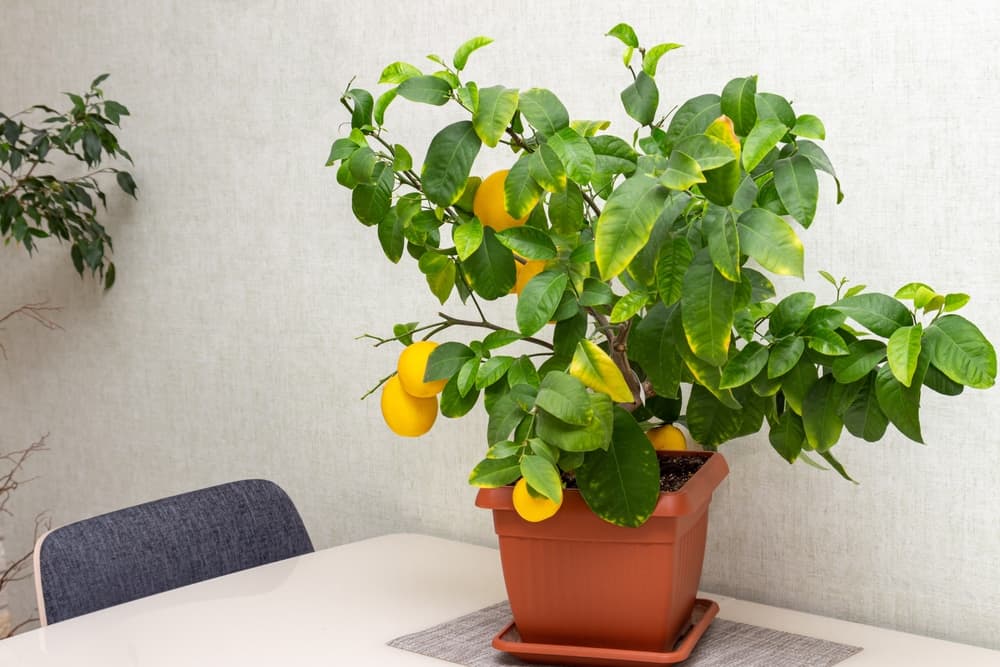
The choice of container significantly affects the growth and productivity of your lemon tree:
- Size: Start with a pot at least 12–16 inches in diameter for young trees, expanding to 18–24 inches for mature trees.
- Drainage: Ensure multiple drainage holes to prevent waterlogging, which can cause root rot.
- Material: Terracotta, ceramic, or sturdy plastic pots are ideal. Terracotta is breathable and helps prevent overwatering.
Preparing the Soil
Soil quality is crucial for a healthy lemon tree:
- Well-Draining Mix: Combine garden soil, compost, and perlite or sand for optimal drainage.
- Slightly Acidic pH: Aim for a pH of 5.5–6.5 to support nutrient absorption.
- Organic Matter: Enrich the soil with compost or well-rotted manure to provide essential nutrients.
Planting Your Lemon Tree
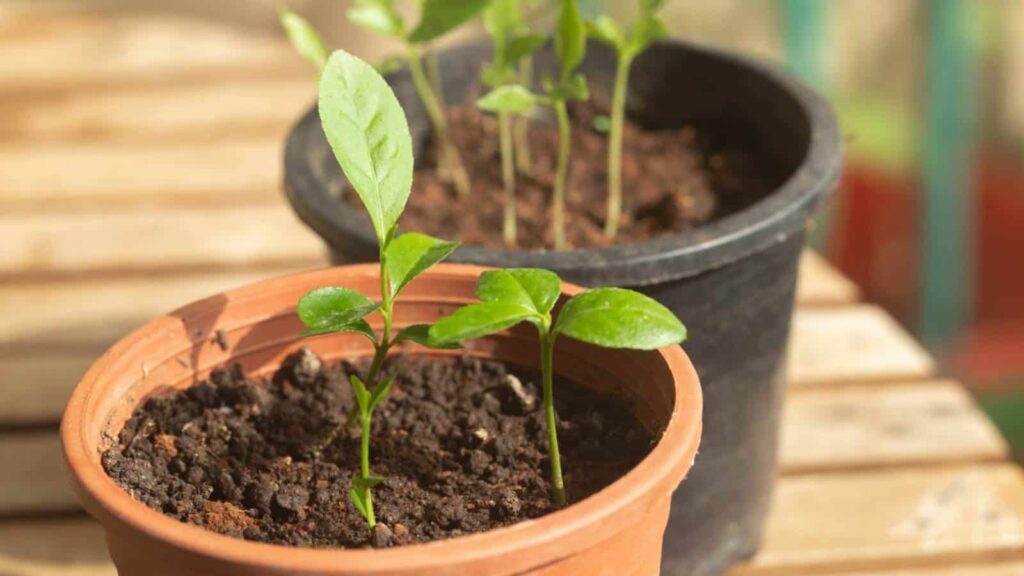
- Planting Depth: Place the crown of the tree (where roots meet the stem) at soil level. Avoid burying too deep to prevent rot.
- Positioning: Place the pot in a location receiving at least 6–8 hours of direct sunlight daily. Indoor trees should be near a bright south-facing window.
- Initial Watering: Water thoroughly after planting to settle the soil around the roots.
Watering Your Potted Lemon Tree
Proper watering is key for growth, flowering, and fruiting:
- Consistency: Keep soil consistently moist but not waterlogged.
- Frequency: Water young trees 2–3 times per week; mature trees once or twice weekly, depending on climate and pot size.
- Mulching: Apply a layer of organic mulch to retain moisture, regulate temperature, and prevent weeds.
- Drainage Check: Ensure water drains quickly from the pot to prevent root rot.
Fertilization for Healthy Growth and Fruit Production
Fertilizing potted lemon trees encourages healthy growth, flowering, and fruit set:
- Balanced Fertilizer: Use a citrus-specific fertilizer with nitrogen (N) for leaves, phosphorus (P) for flowers, and potassium (K) for fruits.
- Micronutrients: Include calcium, magnesium, and iron to prevent leaf yellowing and enhance fruit quality.
- Frequency: Feed every 4–6 weeks during the growing season; reduce feeding during winter when growth slows.
- Organic Options: Compost, fish emulsion, seaweed extract, or well-rotted manure nourish the plant naturally.
Pruning Your Lemon Tree
Pruning keeps your tree healthy, manageable, and productive:
- Timing: Late winter or early spring is ideal.
- Technique: Remove dead, diseased, or crossing branches. Thin crowded areas to improve sunlight penetration and airflow.
- Flower Spurs: Retain short shoots where flowers develop to maximize fruit production.
- Container Management: Pruning prevents the tree from outgrowing the pot and maintains a compact shape.
Encouraging Flowering and Fruit Set
- Sunlight: At least 6–8 hours of direct sunlight daily ensures flowering and fruit development.
- Temperature: Daytime temperatures of 20–25°C (68–77°F) are ideal. Protect the tree from frost or extreme heat.
- Pollination: Indoor trees benefit from hand pollination using a small brush or cotton swab to transfer pollen between flowers. Outdoor trees rely on bees and other pollinators.
- Stress Management: Avoid overwatering, over-fertilizing, or sudden environmental changes that can cause flowers to drop.
Managing Pests and Diseases
Potted lemon trees can face pests and diseases if not properly cared for:
Common Pests:
- Aphids: Feed on leaves and flowers; treat with neem oil or insecticidal soap.
- Spider Mites: Cause leaf discoloration; increase humidity or spray with water.
- Scale Insects: Damage leaves and branches; remove manually or use horticultural oil.
Common Diseases:

- Root Rot: Caused by overwatering; ensure proper drainage.
- Citrus Canker: Causes leaf and fruit lesions; remove affected areas and improve airflow.
- Greasy Spot: A fungal disease causing leaf yellowing; use organic fungicides and remove fallen leaves.
Preventive Measures:
- Inspect leaves and fruits regularly.
- Avoid water splashing on foliage.
- Rotate soil in pots every 2–3 years and refresh with compost.
Repotting Your Lemon Tree
As the tree grows, repotting is necessary to maintain health and fruiting:
- Frequency: Every 2–3 years or when roots fill the pot.
- Pot Size: Move to a slightly larger container to allow continued root growth.
- Fresh Soil: Use a mixture of compost, garden soil, and perlite to replenish nutrients.
Harvesting Lemons
- Maturity Signs: Fruits are ready when fully yellow, firm, and glossy.
- Method: Use pruning shears or gently twist fruits to avoid damaging branches.
- Frequency: Regular harvesting encourages continuous flowering and fruiting.
Tips to Maximize Yield
- Select the Right Variety: Meyer lemons are ideal for pots and early fruiting.
- Provide Ample Sunlight: Minimum 6–8 hours daily for flowering and fruiting.
- Maintain Consistent Watering: Avoid overwatering or underwatering.
- Regular Fertilization: Feed with citrus-specific fertilizers or organic alternatives.
- Pruning and Training: Maintain shape, improve airflow, and stimulate flower growth.
- Pollination: Hand-pollinate indoor flowers to increase fruit set.
- Pest Management: Monitor and treat pests promptly to protect leaves, flowers, and fruits.
Benefits of Growing Lemon Trees in Pots
- Flexibility: Move trees indoors during extreme weather.
- Space Efficiency: Perfect for small gardens, balconies, and terraces.
- Chemical-Free Fruit: Homegrown lemons are fresh, safe, and nutritious.
- Aesthetic Appeal: Adds greenery, fragrance, and visual beauty to any space.
Final Thoughts
Growing a lemon tree in a pot is a rewarding experience that combines the beauty of greenery with the joy of homegrown fruits. By selecting the right variety, providing proper soil, watering consistently, fertilizing, pruning, and managing pests, even small-space gardeners can enjoy a healthy and productive lemon tree.
With patience, consistent care, and attention to environmental conditions, your potted lemon tree can thrive and deliver abundant, flavorful lemons year after year. Whether you grow it indoors, on a balcony, or in a garden, a potted lemon tree adds fragrance, beauty, and fresh produce to your home.
Start growing your lemon tree in a pot today and enjoy the satisfaction of nurturing it from a small plant into a flourishing, fruit-bearing tree.