Cucumbers are one of the most rewarding vegetables you can grow at home. They grow fast, need minimal care, and produce continuously throughout the season. Whether you have a backyard, terrace, balcony, or even a small container garden, cucumbers can thrive beautifully with the right care. Their refreshing crunch, hydrating quality, and delicious taste make them a favorite in salads, pickles, raitas, sandwiches, and much more.
In this detailed 1200-word guide, you’ll learn exactly how to grow healthy, high-yielding cucumbers at home—from selecting the right variety to planting, watering, fertilizing, training the vines, controlling pests, and harvesting for weeks. This guide is beginner-friendly, practical, and based on real home gardening experience.
Why Growing Cucumbers at Home Is Worth It
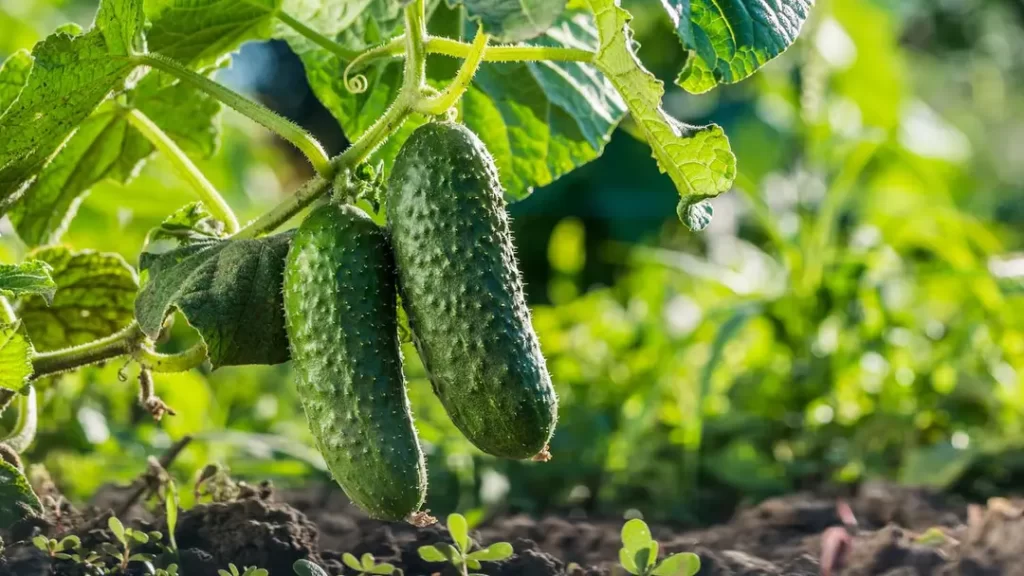
Cucumbers are one of the easiest and most productive vegetables to grow. A single healthy plant can give 20–40 cucumbers in a season if cared for properly.
Benefits of growing cucumbers at home:
- Fast-growing and beginner-friendly
- Produces continuously
- Can grow in containers, grow bags, or ground
- Requires limited space with a vertical trellis
- Gives chemical-free, fresh cucumbers
- Saves money and provides better taste
Now let’s dive into the complete step-by-step guide.
1. Choosing the Right Cucumber Variety
Not all cucumbers are the same. Choosing the right type makes a big difference.
Common varieties for home gardeners:
- Desi cucumber (Indian) – Strong flavor, vigorous growth
- English cucumber – Long, sweet, seedless
- Pickling cucumber – Short, crunchy
- Japanese cucumber – Dark green, slender, delicious
For home gardening, desi and hybrid varieties grow best in hot climates and give the highest yield.
2. Preparing the Soil: The Foundation of Healthy Cucumbers
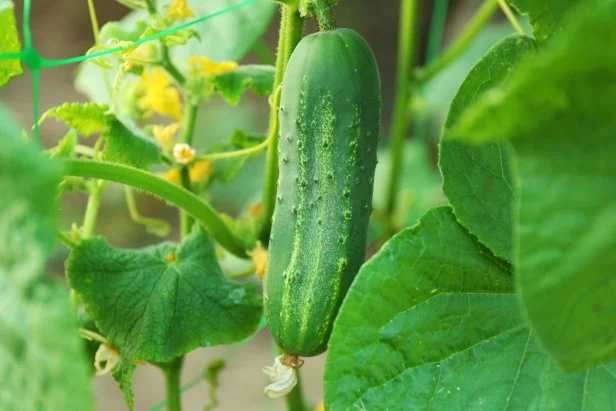
Cucumbers need rich, well-draining soil to grow quickly.

Ideal soil mix:
- 40% garden soil
- 30% compost (vermicompost or cow dung)
- 20% cocopeat
- 10% sand/perlite
Cucumbers are heavy feeders. They need nutrient-rich soil that stays moist but not waterlogged.
Soil Tips:
- Always use fresh compost before planting
- Avoid clay-heavy soil (retains too much water)
- pH should be 6.0–7.0 for best growth
Healthy soil = strong vines + more cucumbers.
3. Sowing Cucumber Seeds
Cucumber seeds germinate quickly—usually within 3–7 days.
Sowing Steps:
- Make holes 1 inch deep.
- Plant 1–2 seeds per hole.
- Cover lightly with soil.
- Water gently.
- Keep in partial shade until sprouting.
Once the seedlings emerge, move them to a sunny location.
Pro Tip:
If sowing in containers, plant only one cucumber plant per container to avoid overcrowding.
4. Choosing the Right Container
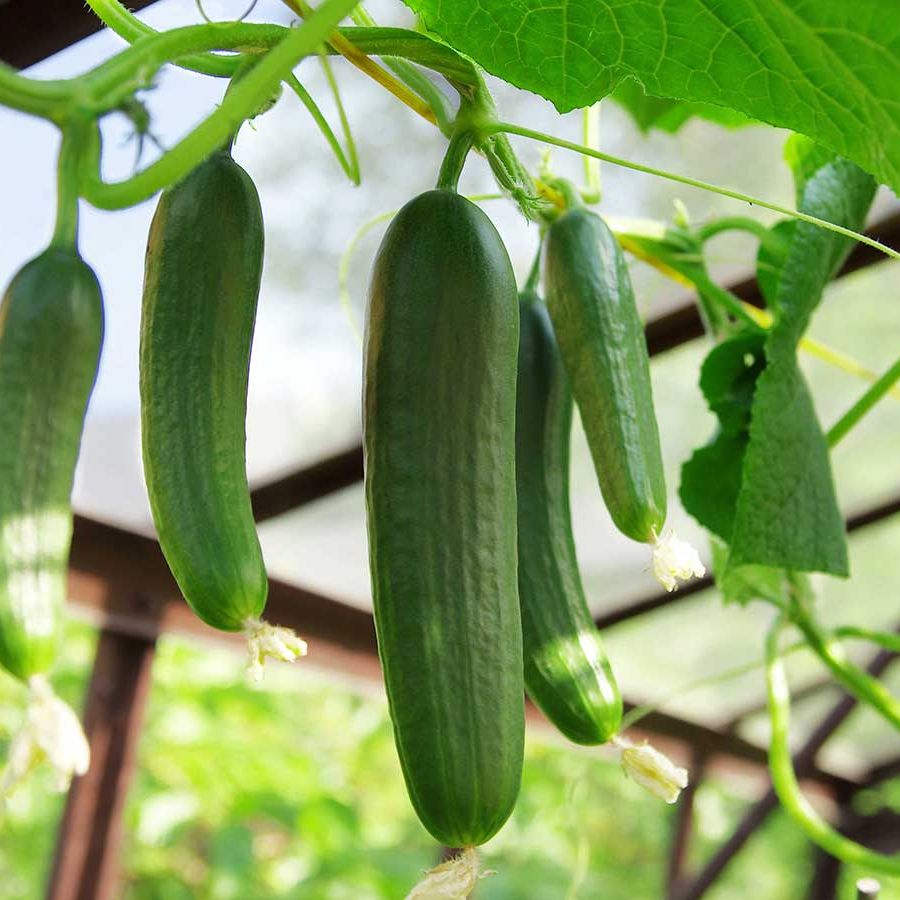
If you are growing cucumbers in pots or grow bags, container size is extremely important.
Minimum container size:
- 15–20 liters (3–5 gallons)
- Depth: at least 12 inches
Bigger containers = stronger roots = more fruits.
Ensure the container has multiple drainage holes.
5. Sunlight Requirements
Cucumbers LOVE sunlight. They need:
- 6–8 hours of direct sunlight daily
- Warm temperature (25–35°C)
- Avoid harsh afternoon heat if possible
Insufficient sunlight leads to:
- Weak vines
- Fewer fruits
- Increased disease problems
Choose the sunniest spot for your cucumber plants.
6. Watering: Keeping Soil Moist but Not Wet
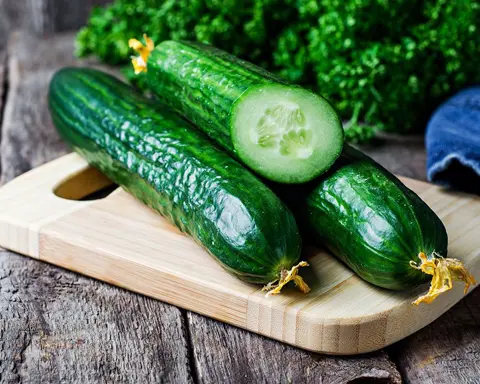
Cucumbers contain 95% water, so they need consistent moisture.
Watering schedule:
- Water daily in summer
- Water every 2 days in cooler seasons
- Keep soil evenly moist
- Avoid wetting the leaves too much
Signs of underwatering:
- Leaves droop
- Slow growth
- Misshapen fruits
Signs of overwatering:
- Yellow leaves
- Root rot
- Fungus on soil surface
Water at the base, not on the leaves, to prevent disease.
7. Building a Trellis: The Secret to Big, Clean Cucumbers
Cucumbers are natural climbers. Giving them support increases yield and keeps fruits clean.

Best trellis types:
- Bamboo stick frame
- Nylon cucumber net
- Rope trellis
- Wall-mounted net
- A-frame wooden trellis
Why trellis is important:
- Prevents fungal diseases
- Improves air circulation
- More sunlight exposure
- Easier harvesting
- Larger, straighter cucumbers
Train the vine gently upward by tying with soft cloth or jute rope.
8. Fertilizing Your Cucumber Plants
Cucumbers grow fast—so they need regular feeding.
Best organic fertilizers:
- Vermicompost
- Cow dung manure
- Seaweed extract
- Mustard cake fertilizer (soaked)
- Banana peel fertilizer (potassium boost)
- Compost tea
Feeding schedule:
- First feeding: 15 days after planting
- Then: every 10–12 days
During flowering:
Add potassium-rich fertilizer to increase fruiting and prevent blossom drop.
9. Pollination: Helping Your Cucumbers Fruit Properly
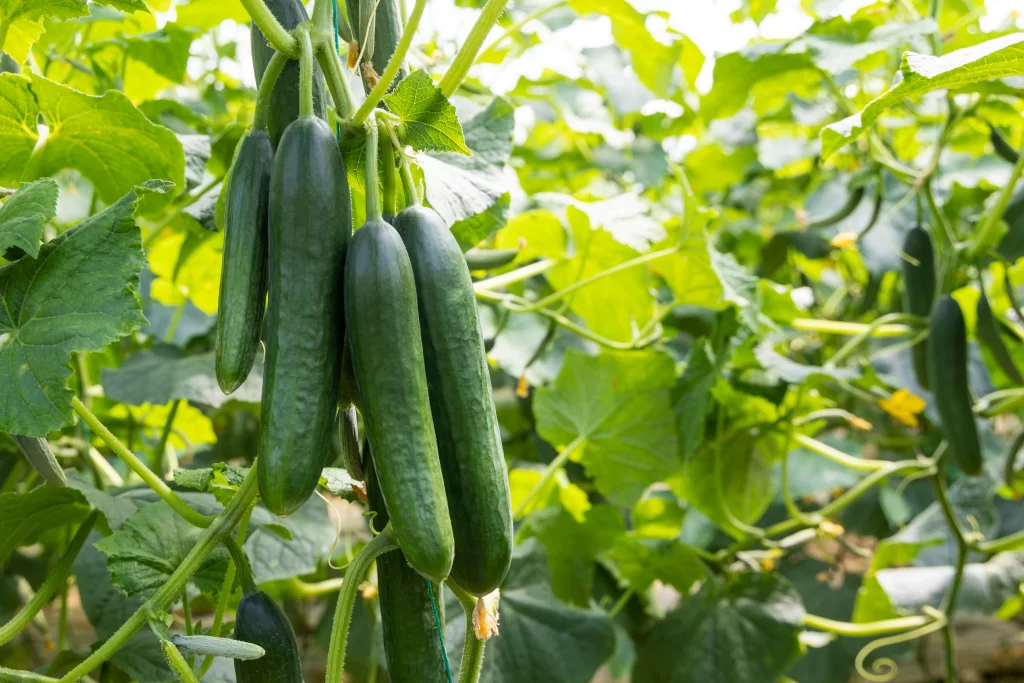
Cucumbers produce male and female flowers separately.
Female flowers have a tiny baby cucumber behind them.
Male flowers are long and thin.
Bees usually pollinate cucumbers naturally, but if pollination is poor, you can hand-pollinate.
Hand pollination steps:
- Pick a male flower.
- Remove its petals.
- Gently touch it to the center of the female flower.
This improves fruit set dramatically.

10. Common Problems and How to Fix Them
1. Leaves turn yellow
Cause: Overwatering or nutrient deficiency
Fix: Improve drainage, add compost
2. Curling leaves
Cause: Heat stress
Fix: Provide shade during afternoon
3. Flowers dropping
Cause: Poor pollination
Fix: Hand pollinate, add potassium
4. Bitter cucumbers
Cause: Irregular watering or heat stress
Fix: Maintain consistent moisture
5. White powder on leaves
Cause: Powdery mildew
Fix: Improve air circulation, prune dense growth
6. Fruits turning yellow
Cause: Overripe cucumbers left on the plant
Fix: Harvest regularly
11. Pruning and Training
Pruning helps the plant focus its energy on fruit production.

Pruning Tips:
- Remove lower yellow leaves
- Cut off dead or weak side shoots
- Keep center area ventilated
- Guide main vine upward
- Pinch the tip when vine reaches top of trellis
Pruning = bigger, healthier cucumbers.
12. Harvesting Your Cucumbers
Cucumbers grow quickly and are ready for harvest in 45–60 days.
Harvesting tips:
- Pick when firm, green, and full-sized
- Do not wait for them to turn yellow
- Harvest every 2–3 days
- Use scissors to avoid damaging vines
The more you harvest, the more new cucumbers grow.
Final Thoughts: Growing Cucumbers at Home Is Easy and Rewarding
Cucumbers are one of the best vegetables for home gardeners. They grow fast, they produce abundantly, and they need surprisingly little space. With good soil, regular watering, sunlight, and a simple trellis, you can enjoy fresh, juicy cucumbers right from your balcony or backyard.
Growing cucumbers isn’t just gardening—it’s a joyful experience. Watching the vines climb, flowers bloom, and tender cucumbers appear brings a sense of accomplishment that every gardener loves.
If you want, I can also create: